

15-Piece Powerhouse: Complete Guide to Vehicle Force Voltron (1984)
Introduction: The Industrial Giant of the 80s
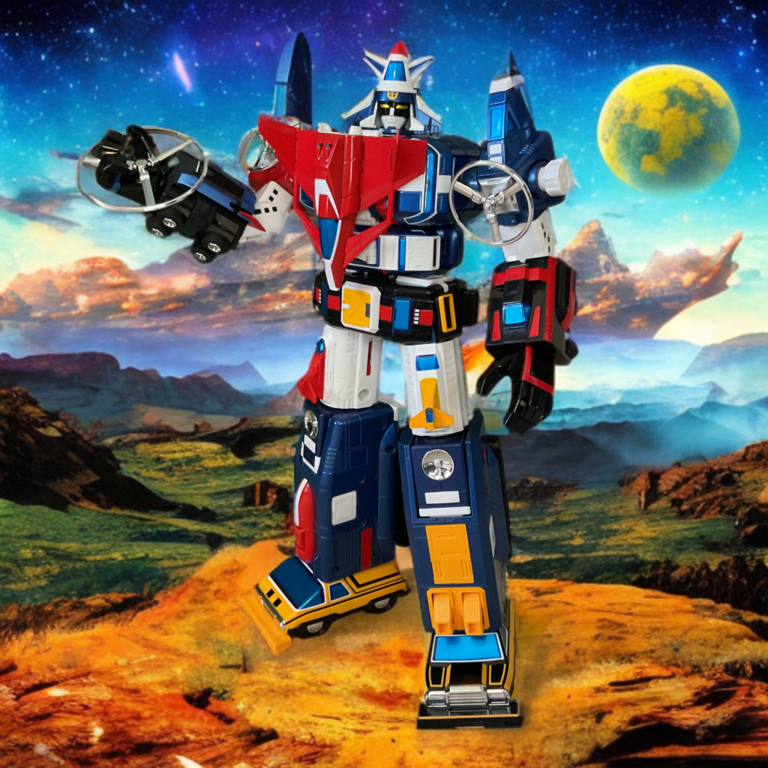
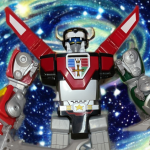
In 1984, while the world was captivated by the mystical robotic lions of Lion Force Voltron, World Events Productions (WEP) unveiled a bolder, more mechanically intricate defender. Vehicle Force Voltron—often referred to as Voltron I, Vehicle Voltron, or Voltron of the Near Universe—swapped the fantasy elements of ancient legends for the gritty realism of interstellar exploration and military strategy. Adapted from the Japanese anime Armored Fleet Dairugger XV (1982-1983), this Americanized series comprised 52 episodes and introduced a colossal robot formed from 15 individual vehicles, piloted by a diverse team of 15 astronauts.
Unlike its lion counterpart, Vehicle Force Voltron emphasized engineering prowess, team coordination, and the harsh physics of space combat. The series aired as part of the syndicated Voltron: Defender of the Universe block, following the Lion Force episodes, and explored themes of overpopulation, resource scarcity, and the moral complexities of interstellar conflict.
Mission Briefing: Vehicle Force Data
- 1. Introduction: The Industrial Giant of the 80s
- 2. The Narrative: Space Opera & Diplomacy
- 3. The 15 Pilots: Three-Tiered Tactical Force
- 4. The Antagonists: Tragedy of the Drule Empire
- 5. Robot Mechanics: Technical Breakdown
- 6. Episode Guide (1984)
- 7. Original Japanese Series (1982–1983)
- 8. Series Legacy & Collector's Value
- 9. Why Vehicle Voltron Still Matters
For fans and collectors at www.fantasyactionfigures.com, this iteration stands out as the “Thinking Man’s Voltron”—a testament to tactical depth and innovative toy design that influenced mecha anime and collectibles for decades.
The show’s legacy endures through modern reissues, including recent 40th anniversary action figures (perfect for display alongside your 50th anniversary sets—perhaps a collector’s nod to future milestones). These figures capture the intricate 15-part transformation, making them essential for any shelf dedicated to 80s animation icons.
The Narrative: A Space Opera of Survival and Diplomacy
Vehicle Force Voltron unfolds as a military space opera, diverging from the heroic fantasy of Lion Force. The story centers on the Galaxy Garrison’s (Galaxy Alliance in the dub) mission to scout habitable planets amid Earth’s overpopulation crisis. The massive exploratory vessel, the S.S. Explorer, carries the 15-vehicle Voltron team into the “Far Universe” (renamed “Near Universe” in some dubs for continuity).
Early on, the team encounters the Drule Empire, a vast interstellar regime facing its own existential threat: their homeworld, Planet Drule, is on the brink of ecological collapse.
This sets up a tragic conflict where neither side is purely villainous—humans seek expansion for survival, while Drules pursue conquest out of desperation. The narrative delves into diplomacy, betrayal, and the ethics of war, with episodes highlighting failed peace talks, internal rebellions within the Drule ranks, and the high stakes of planetary colonization.
Key plot arcs include the Voltron Force’s repeated clashes with Drule robeasts (giant mechanical monsters), the team’s adaptation to hostile environments, and a overarching theme of coexistence. Unlike Lion Force’s episodic monster-of-the-week format, Vehicle Force builds a serialized story, culminating in a fragile alliance. The series’ maturity—tackling colonization politics and war’s futility—made it ahead of its time, though it was often overshadowed by its leonine sibling.
The 15 Pilots: A Three-Tiered Tactical Force
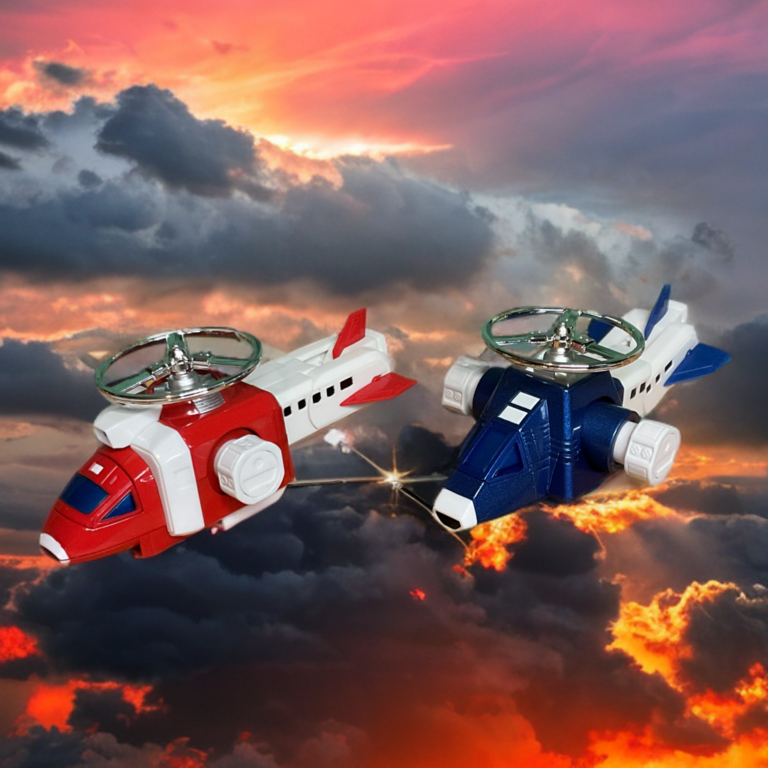
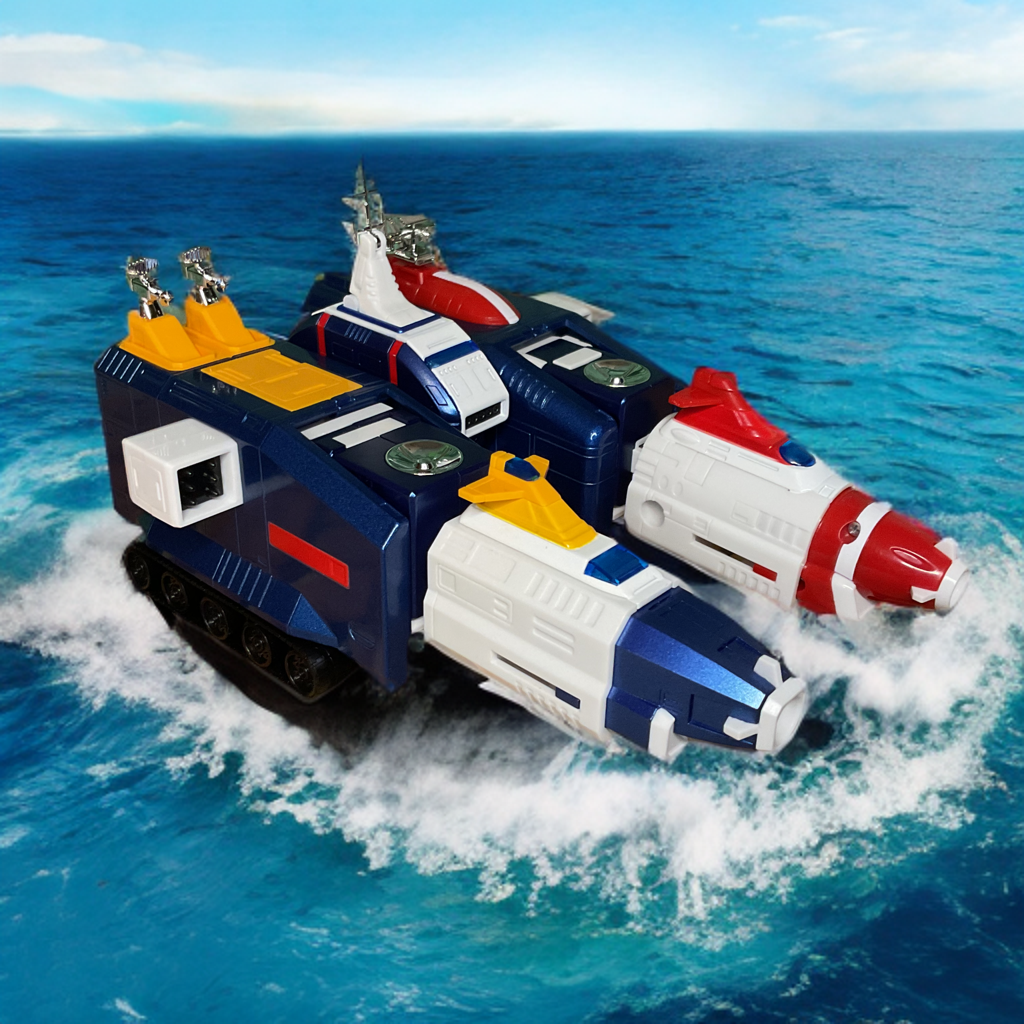
To handle the complexity of 15 vehicles, the pilots are organized into three specialized teams: Air, Sea, and Land. Each team operates independently for reconnaissance or combat before combining into intermediate “super vehicles” or the full Voltron. The pilots are graduates of the Galaxy Garrison Academy, blending military discipline with personal dynamics—rivalries, romances, and growth add human depth.
Here’s a detailed chart of the teams, pilots, vehicles, and their roles in Voltron:
| Team | Leader | Pilot | Vehicle Number & Name | Voltron Part Formed | Specialty |
|---|---|---|---|---|---|
| Air Team (Strato Fighter) | Jeff (overall Voltron commander) | Jeff | #1 Command Jet Explorer | Head | Aerial command and leadership |
| Rocky | #2 Strato Weapons Module | Upper torso/back | Heavy weaponry support | ||
| Wolo | #3 Falcon VT Fighter | Right upper arm | High-speed reconnaissance | ||
| Chip (Pidge’s twin brother from Lion Force) | #4 Advanced Recon Helicopter | Left upper arm | Intelligence and tech expertise | ||
| Ginger | #5 Jet Fighter | Chest | Agile combat and potential romantic subplot with Jeff | ||
| Sea Team (Aqua Fighter) | Krik (Crik) | Krik | #6 Communications Module | Waist/hips | Aquatic operations and comms |
| Lisa | #7 Space Prober | Right thigh | Underwater probing and analysis | ||
| Tangor | #8 Space Prober | Left thigh | Multi-environment exploration | ||
| Shannon | #9 Multi-Wheeled Explorer | Right lower leg | Versatile terrain navigation | ||
| Zandee | #10 Multi-Wheeled Explorer | Left lower leg | Heavy-duty scouting | ||
| Land Team (Turbo Terrain Fighter) | Cliff | Cliff | #11 Jet Radar Station | Right foot | Ground radar and strategy |
| Cinda | #12 Rotating Personnel Carrier | Left foot | Troop transport and support | ||
| Modoch | #13 Armored Equipment Carrier | Right lower arm | Armored assault | ||
| Marvin | #14 All Terrain Space Vehicle | Left lower arm | Rugged land mobility | ||
| Hutch | #15 All Terrain Space Vehicle | Lower torso | Durable exploration |
This structure allows for specialized missions: Air for sky dominance, Sea for oceanic or fluid terrains, and Land for rugged ground. The pilots’ diverse backgrounds— from hot-headed leaders like Jeff to tech-savvy Chip—foster engaging interpersonal stories.
The Antagonists: The Tragedy of the Drule Empire
The Drule Empire stands out as one of the most layered and tragic antagonistic forces in 1980s animation. Far from cartoonish villains driven by pure evil, the Drules are a desperate, militaristic society on the brink of extinction due to their dying homeworld, Planet Drule. This ecological collapse forces their aggressive expansionism, turning survival into conquest and creating a morally gray conflict with the Galaxy Alliance. The empire’s hierarchy is riddled with internal power struggles, paranoia, and betrayal, which often sabotages any chance at genuine peace. Ruled from afar by Emperor Zeppo—whose imposing portrait hangs in every command center—the Drules embody the futility of war born from mutual desperation.
- Commander Hazar (voiced by Jack Angel): The emotional and moral heart of the series. As a high-ranking fleet commander, Hazar begins as a formidable, ruthless adversary leading assaults against the Explorer fleet. Over time, repeated failures, the mounting cost of war, and personal reflection lead to his profound character arc. He evolves into a reluctant peace advocate, repeatedly attempting diplomacy despite demotions, imprisonment (including by Throk), and accusations of treason. His loyalty to the Drule people clashes with the empire’s hardline policies, culminating in a rebellion where he seizes control to steer toward coexistence. Hazar’s tragic anti-hero status—striving to save his civilization while facing betrayal from within—makes him one of the most nuanced “villains” in classic animation, with episodes like “Hazar Bucks the Empire” highlighting his turning point.
- Viceroy Throk (voiced by Peter Cullen; original Dairugger counterpart: Supreme Commander Al Caponero): The archetypal hawkish warmonger and primary obstacle to peace. As a proud, power-hungry member of the Supreme Council and Zeppo’s most loyal enforcer, Throk represents unchecked imperialism and the military elite’s refusal to compromise. He despises Hazar’s peacemaking efforts—possibly out of jealousy of his influence—and actively sabotages them through schemes, imprisoning Hazar at one point and pushing for total annihilation. Throk’s pride and ambition fuel backstabbing and paranoia, costing the empire potential alliances and worlds. In the series’ climax, he leads hardliners in fleeing or plotting to reclaim power, embodying the empire’s self-destructive tendencies.
- Emperor Zeppo (voiced by Michael Bell; original: Emperor Corsair): The distant, enigmatic supreme ruler whose greed and scheming drive the empire’s expansionist decrees. Rarely seen beyond his portrait, Zeppo remains a shadowy figure whose absence from the front lines allows factional infighting to flourish. He prioritizes conquest over negotiation, but when cornered, he feigns surrender or promises reform to escape consequences—only to regroup secretly (as hinted in the finale). His manipulative nature underscores the empire’s corrupt core, where survival rhetoric masks personal ambition.
- Other Key Figures: Supporting captains and officers add depth, showing cracks in the empire’s unity. Captain Mongo (voiced by Jack Angel; original: Drake), one of the empire’s most capable officers and Hazar’s loyal friend, stands out as a “good man” from the start. He supports Hazar’s evolving views on peace, even when it risks his position, highlighting that not all Drules are fanatical warmongers. Captain Nerok (voiced by Michael Bell; original: Lafitte), a cruel, ambitious, heavyset backstabber, constantly schemes to undermine Hazar, launch unauthorized attacks, and climb the ranks through treachery. Other figures like Marshall Keezor (who temporarily replaces Hazar when he’s deemed “too soft”) and Commander Quark reinforce the theme of internal dissent and reluctance—some officers follow orders grudgingly, hinting at widespread war-weariness among the ranks.
Collectively, the Drules’ tragedy lies in their shared desperation: a people facing annihilation, yet divided by pride, ambition, and paranoia that prevent rational solutions. This complexity elevates Vehicle Force Voltron beyond typical good-vs-evil battles, offering a mature commentary on war, ecology, and the possibility of redemption.
| Theme | Drule Perspective | Galaxy Alliance Perspective |
| Expansion | Necessary for survival (Planet is dying). | Hostile invasion of sovereign space. |
| Voltron | A mechanical demon blocking their future. | The ultimate shield of peace and diplomacy. |
| Outcome | Total collapse and a civil war between factions. | A hard-won peace through mutual understanding. |
The Mechanics of the Robot: Technical Breakdown
Vehicle Force Voltron isn’t summoned by magic—it’s a feat of engineering, with realistic limitations adding tension.
- Combination Process: The 15 vehicles launch from the S.S. Explorer, first forming team-specific super vehicles (Strato Fighter for Air, Aqua Fighter for Sea, Turbo Terrain Fighter for Land) before merging into Voltron. The sequence emphasizes synchronization: “Activate interlocks! Dynatherms connected! Infracells up! Mega thrusters are go!”
- Power Limit: Voltron operates on stored solar or nuclear energy, limited to about 5 minutes per activation (variously described as solar, nuclear, or thermonuclear). This “ticking clock” forces strategic battles.
- Height and Specs: Stands approximately 60 meters tall, with advanced propulsion for space and planetary combat.
- Arsenal:
- Spinning Laser Blades: Shoulder-mounted rotors launched as spinning projectiles.
- Solar Combat Spears: Energy lances for piercing attacks.
- Electro-Saber (or Force Cross): A sword-like weapon formed from energy, used in close combat.
- Other tools include missile launchers, energy beams, and team-specific weapons like the Strato Fighter’s lasers.
This mechanical focus inspired toy lines, where the 15-part dock remains a engineering marvel.
Episode Guide (1984)
Vehicle Force Voltron spans 52 episodes, blending exploration, battles, and character development. Below is a chart with episode titles and brief summaries (drawn from official guides and recaps):
| Episode # | Title | Summary |
|---|---|---|
| 1 | In Search of New Worlds | The Explorer launches; first Drule encounter on a promising planet. |
| 2 | First Day on a New World | Team explores a terraformed world, clashing with Drule forces. |
| 3 | Building a New World | Colonization efforts disrupted by Drule robeast attack. |
| 4 | Goodbye, New World | Forced retreat after intense battle; introduction to Drule desperation. |
| 5 | Try This World for Size | Scouting a new planet leads to underwater combat with Sea Team focus. |
| 6 | A Storm of Meteors | Navigating hazards while evading Drule pursuit. |
| 7 | Help Not Wanted | Internal team tensions; rejecting unwanted alliances. |
| 8 | Ghost Fleet from Another Planet | Encountering mysterious Drule remnants. |
| 9 | A Very Short Vacation | Brief respite turns into ambush. |
| 10 | Planet of the Bats | Battling in a cave-riddled world. |
| 11 | A Temporary Truce | Failed peace talks with Hazar. |
| 12 | Wolo’s Lost World | Wolo’s backstory episode; defending his home. |
| 13 | Planet Stop for Repairs | Explorer damaged; repair mission under fire. |
| 14 | A Curious Comet | Comet hides Drule trap. |
| 15 | Invisible Menace | Stealth Drule technology tests reconnaissance. |
| 16 | Wolf in the Fold | Spy infiltration on the Explorer. |
| 17 | Who Was That Masked Man? | Disguised Drule operative causes chaos. |
| 18 | Take a Robot to Lunch | Humorous episode with captured robeast. |
| 19 | Great Stone Space Faces | Ancient ruins reveal secrets. |
| 20 | Nerok Scores Big | Nerok’s major assault. |
| 21 | Hazar on the Carpet | Hazar faces empire scrutiny. |
| 22 | Ghost Alarm | Haunting signals from a derelict ship. |
| 23 | Al, Good and Bad | Moral dilemmas in alliance building. |
| 24 | This World’s for the Birds | Avian-themed planet battle. |
| 25 | Planet of the Amazons | Matriarchal society aids Voltron. |
| 26 | Revolt of the Slaves | Slave uprising against Drules. |
| 27 | Raid on Galaxy Garrison | Drule attack on Earth base. |
| 28 | Smashing the Meteor Barrier | Breaking through defenses. |
| 29 | Captain Newley Returns | Veteran commander assists. |
| 30 | Hazar Bucks the Empire | Hazar’s turning point. |
| 31 | Letters from Home | Crossover hints with Lion Force. |
| 32 | Peace – A Fish Story! | Aquatic diplomacy fails. |
| 33 | Another Solar System | New system exploration. |
| 34 | Whose World Is It | Territorial dispute. |
| 35 | Red Moon People | Lunar inhabitants ally with Voltron. |
| 36 | This Ship’s a Joker | Sabotage aboard Explorer. |
| 37 | Brain Drain | Mind-control robeast. |
| 38 | Get Away from My World | Defending a colonized planet. |
| 39 | An Alien Lemon | Sour alliance turns bad. |
| 40 | The Captured | Team member kidnapped. |
| 41 | Krik’s Incredible Day | Krik-centric heroism. |
| 42 | Save the Space Station | Rescuing a key outpost. |
| 43 | Planet of the Slave Girls | Liberation mission. |
| 44 | Why Is the Lion Blue? | Crossover tease (non-canon feel). |
| 45 | Envoy from Galaxy Garrison | Reinforcements arrive. |
| 46 | Mousemania | Pest infestation turns strategic. |
| 47 | The Invisible Robeast | Cloaked enemy. |
| 48 | The Red Moon Rises Again | Revisiting earlier world. |
| 49 | Another Ghost Ship | More derelict dangers. |
| 50 | Little Friends of Space | Alien allies help. |
| 51 | Who Can You Trust? | Betrayal within ranks. |
| 52 | Zandu’s World | Finale: Peace negotiations and final battle. |
(Note: Episodes often reuse footage, but build toward Hazar’s redemption.)
Armored Fleet Dairugger XV: The Original Japanese Series (1982–1983)
Armored Fleet Dairugger XV (機甲艦隊ダイラガーXV, Kikō Kantai Dairagā Fifutīn, often stylized as Dairugger XV or Dairugger 15) is a classic mecha anime produced by Toei Animation. It aired in Japan from March 3, 1982, to March 23, 1983, on TV Tokyo (then known as MegaTON/TX Network) for a total of 56 episodes—52 regular episodes plus 4 recap/special episodes. Directed by Kōzō Morishita (who also helmed parts of other Toei mecha classics), with character designs by Toyoo Ashida and mechanical designs by Katsumi Itabashi, the series was created under the pseudonym Saburo Yatsude (a collective pen name used by Toei for many Super Robot shows).
The opening theme is “Ginga no Seishun” (“Galactic Youths”) and the ending is “Ai wo Tsutaeru Tabi” (“A Journey to Give Love”), both performed by Koichi Kawazu.
Plot Summary: A Galactic Survey Mission Turned Conflict
Set in the year A.D. 2200, Earth enjoys an era of prosperity but faces overpopulation and resource strain. The Galaxy Garrison (or Earth Federation in some translations) launches the massive expeditionary spaceship Rugger Guard (also called Rugger Guard or Ruggerguard) on a long-term mission to survey the galaxy, map potential habitable planets, and secure new worlds for human colonization.
The ship’s defense and exploration force is the elite Rugger Team—15 highly skilled pilots divided into three specialized squads (Air, Sea, and Land). These pilots pilot 15 individual “Ruggers” (combat/exploration vehicles) that can combine into intermediate team combiners or the ultimate super robot: Dairugger XV (read as “Dairugger Fifteen”).
Early in the mission, the Rugger Guard encounters the Galveston Empire (ガルベストン帝国), a vast interstellar regime whose homeworld is dying from environmental collapse. Desperate for new territories, the Galveston forces—led by ruthless commanders—view the Earth expedition as intruders and launch aggressive campaigns to claim planets first. What begins as a peaceful survey mission escalates into a full-scale war, with themes of survival, imperialism, diplomacy, and the tragedy of mutual destruction.
Unlike many super robot shows of the era, Dairugger emphasizes realistic military tactics, team coordination, planetary exploration, and character-driven drama over monster-of-the-week battles. The series builds a serialized overarching story, with recurring antagonists, failed peace attempts, internal empire politics, and a gradual shift toward understanding between the sides.
The Rugger Team: 15 Pilots and Their Vehicles
The 15 pilots form three teams of five, each with distinct roles:
- Air Team (Aki Team) — Aerial superiority and reconnaissance (white team color).
- Leader: Manabu Aki (voiced by Toshio Furukawa) — Chief pilot of Rugger #1 (forms Dairugger’s head); calm, strategic commander.
- Shinobu Kai — Rugger #2 (upper torso/back).
- Shouta Kazama — Rugger #3 (right arm).
- Yasuo Mutsu — Rugger #4 (left arm).
- Patty (Haruka Kaga in some subs) — Rugger #5 (chest).
- Sea Team (Keats Team) — Aquatic and fluid-environment operations.
- Leader: Miranda Keats (Keats; precognitive abilities from planet Mira).
- Other members include pilots for Ruggers #6–10 (forming legs/waist/lower body).
- Land Team (Walter Team) — Ground assault and all-terrain combat.
- Leader: Walter Jack — Stereotypical rugged American-style pilot.
- Pilots for Ruggers #11–15 (forming feet/lower arms/lower torso).
The robot’s combination sequence is a highlight: teams form Air Rugger, Sea Rugger, and Land Rugger before merging into the full Dairugger XV. Weapons include the Dairugger Sword, energy spears, spinning blades, and team-specific attacks.
Antagonists: The Galveston Empire
The Galveston Empire mirrors the tragic desperation seen in Vehicle Force Voltron’s Drule Empire (its direct adaptation counterpart). Led by Emperor Izumo (or similar figures), with key commanders like Rackal, Dew, and others who show internal divisions—some seek conquest, others question the war’s cost. The empire’s aggression stems from their planet’s ecological doom, adding moral complexity.
Key Differences from Vehicle Force Voltron
World Events Productions heavily edited and localized Dairugger XV into the “Vehicle Force” segments of Voltron: Defender of the Universe (1984–1985), renaming it Vehicle Voltron (or Voltron I/Near Universe Voltron). Major changes include:
- Censorship and edits: Violence toned down, deaths removed or altered, episodes reordered (Voltron’s 52 Vehicle episodes are jumbled from Dairugger’s sequence, with some cut or combined).
- Names and lore: Pilots renamed (e.g., Aki → Jeff, Keats → Krik/Crik), empire changed to Drule Empire, ship to S.S. Explorer, planets/universe adjusted for continuity with Lion Voltron.
- Tone and ending: Voltron softened political depth and tragic elements; the finale differs significantly (e.g., Emperor Zeppo’s fate is ambiguous in Voltron but clearer in Dairugger).
- Length and structure: Dairugger has 56 episodes (including recaps); Voltron adapted ~52 into a more episodic format with crossovers.
Dairugger feels more grounded and military-focused, with stronger serialization and less “heroic destiny” flair.
Legacy and Availability
Though overshadowed by Beast King GoLion (Lion Voltron source), Dairugger influenced mecha tropes with its multi-vehicle system and ensemble cast. Toys (Popy originals, later Bandai Soul of Chogokin GX-88) remain collector favorites for their complexity.
The series received English-subbed DVD releases (Media Blasters/Animerica/AnimeWorks in the 2000s) as Armored Fleet Dairugger XV Collection, uncut with original audio—ideal for fans wanting the authentic version beyond Voltron edits. Episodes occasionally surface on streaming or fan sites, and the full series is prized for its mature storytelling in the super robot genre.
If you’re a Voltron fan exploring the roots, Dairugger XV offers the unfiltered, original vision—grittier, more tactical, and deeply human in its conflict.
Series Legacy and Collector’s Value
Vehicle Force Voltron’s legacy is rooted in its bold departure from the more fantastical Lion Force, offering a mature, serialized military space opera that tackled heavy themes like ecological collapse, the ethics of interstellar expansion, resource wars, and the possibility of redemption through diplomacy. While the Lion Force episodes dominated popular memory with their heroic, destiny-driven narrative and simpler 5-part combination, Vehicle Force’s 15-vehicle engineering marvel and “ticking clock” power limit added realistic tension and strategic depth to battles. This complexity—often cited as a reason it received less airtime or fan focus—actually positioned it as the more sophisticated entry in the Voltron franchise, predating many deeper explorations of war and moral ambiguity seen in later anime like Mobile Suit Gundam sequels or Macross entries.
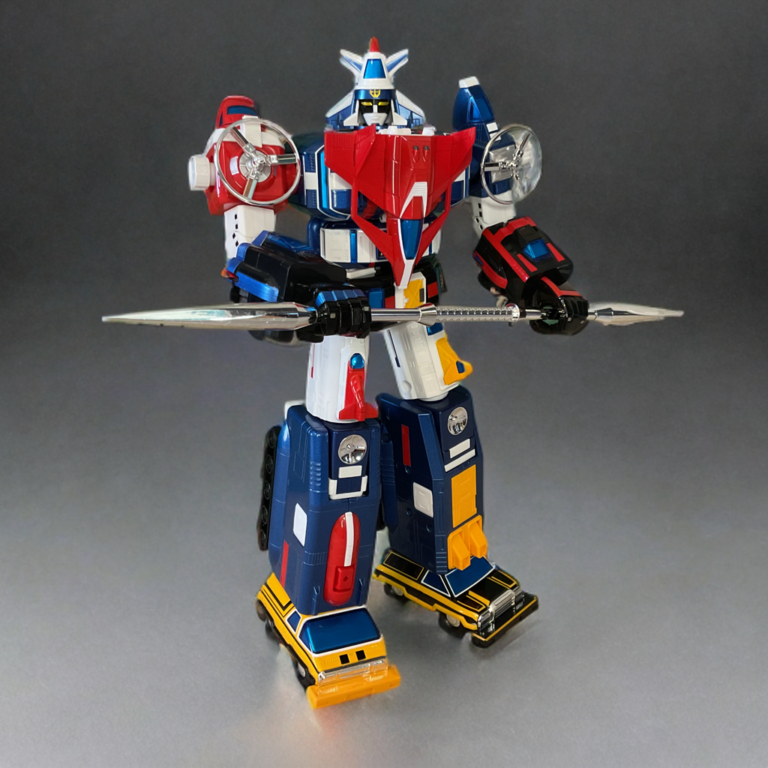
Its influence on mecha design and team-based giant robot tropes is subtle but notable. The multi-vehicle combination system, divided into specialized teams (air, land, sea), echoed in various forms across 80s and 90s media. While direct “rip-off” claims (e.g., with Power Rangers) are overstated—both draw from Japan’s long tradition of combining mecha in Super Sentai and anime like Dairugger XV itself—the Vehicle Force’s tactical, multi-pilot coordination helped popularize ensemble robot battles in Western adaptations. It also reinforced the appeal of large-scale, modular toys that required precise assembly, inspiring engineering-focused designs in lines like early Transformers combiners and later Power Rangers Megazords.
The 1986 TV special Voltron: Fleet of Doom remains a key piece of its legacy. Produced by World Events Productions with new animation from Toei, this 46-minute crossover united the Lion Force and Vehicle Force teams against a combined threat: King Zarkon allies with Viceroy Throk and the remnants of the Drule Empire to form the titular “Fleet of Doom,” threatening the Galaxy Alliance. Featuring both Voltrons battling side-by-side, the special bridged the two series, gave Vehicle Force characters screen time alongside the more famous Lions, and cemented the franchise’s unified mythology. Though not a full series, it highlighted the potential for epic team-ups and remains a sought-after piece of Voltron history for fans.
For collectors at www.fantasyactionfigures.com, Vehicle Force Voltron represents one of the most challenging and rewarding pursuits in 80s toy collecting due to its 15-piece complexity and relative rarity compared to Lion Force items.
- Vintage 1984 Matchbox Die-Cast Sets: These original releases (often labeled as Voltron I or Vehicle Team) are true holy grails. Complete sets, including all 15 vehicles in good condition with minimal play wear, packaging, or accessories like weapons and stands, can fetch hundreds to over $1,000 on secondary markets like eBay. Individual vehicles or partial teams (e.g., Air Warrior or Land Warrior sets) sell for $50–$300 depending on completeness and box condition. The die-cast metal construction and intricate docking system make them engineering standouts, but fragility and lost pieces drive up rarity premiums.
- Modern Premium Releases: Bandai’s Soul of Chogokin line delivered high-end tributes, including detailed die-cast metal versions with faithful articulation, LED features, and accurate vehicle modes. While primarily focused on Lion Force, cross-compatible accessories and the sheer quality elevated Vehicle Force appreciation among adult collectors. Recent limited editions tied to anniversaries remain highly collectible.
- Playmates 40th Anniversary Editions (2024): Celebrating the franchise’s milestone, Playmates released Classic Legendary Series figures, including individual Lions (with sound effects, phrases, and light-up features) and a full 5-pack combiner set for Lion Force—but the nostalgia wave boosted interest in Vehicle Force as well. These modern reissues emphasize articulation, lights/sounds, and compatibility, making them accessible entry points for new collectors while capturing that classic 80s feel. Prices for sealed sets hover in the $100–$300 range, with strong resale due to limited production.
- Other Contemporary Options: Lines like Action Toys’ Mini Action Series offer compact, highly articulated Vehicle Force figures (around 6-7 inches) with separable vehicle modes, die-cast elements, and cartoon-accurate details—ideal for display alongside your 50th anniversary pieces. These provide the full 15-piece essence without the vintage hunt.
Rarity, condition, and completeness drive value across eras: vintage Matchbox sets command top dollar for their historical significance, while modern anniversary and premium figures add nostalgic appeal, better playability, and shelf presence. Vehicle Force Voltron’s “underdog” status—less hyped than Lion Force—actually makes dedicated collections stand out, rewarding fans who appreciate its gritty depth and mechanical ingenuity. Whether hunting originals or displaying fresh releases, it remains a cornerstone for any serious Voltron or mecha toy enthusiast.
Conclusion: Why Vehicle Voltron Still Matters
Vehicle Force Voltron endures as a true monument to the golden age of 1980s mecha animation, standing apart by prioritizing raw human ingenuity, meticulous teamwork, and engineering precision over mystical destiny or ancient prophecies. Where Lion Force leaned into heroic individualism and “chosen one” tropes—five pilots uniting through fate and flair—Vehicle Force demanded perfect synchronization among 15 diverse specialists, each contributing specialized skills in a high-stakes, time-limited battle. This 15-pilot synergy mirrors real-world teamwork in military operations, space exploration missions, or large-scale collaborative projects, where success hinges not on singular heroes but on coordinated effort, communication, and mutual trust. The show’s “ticking clock” power limit (often around 5 minutes of full operation) injected genuine tension, forcing tactical decisions and emphasizing strategy over brute force.
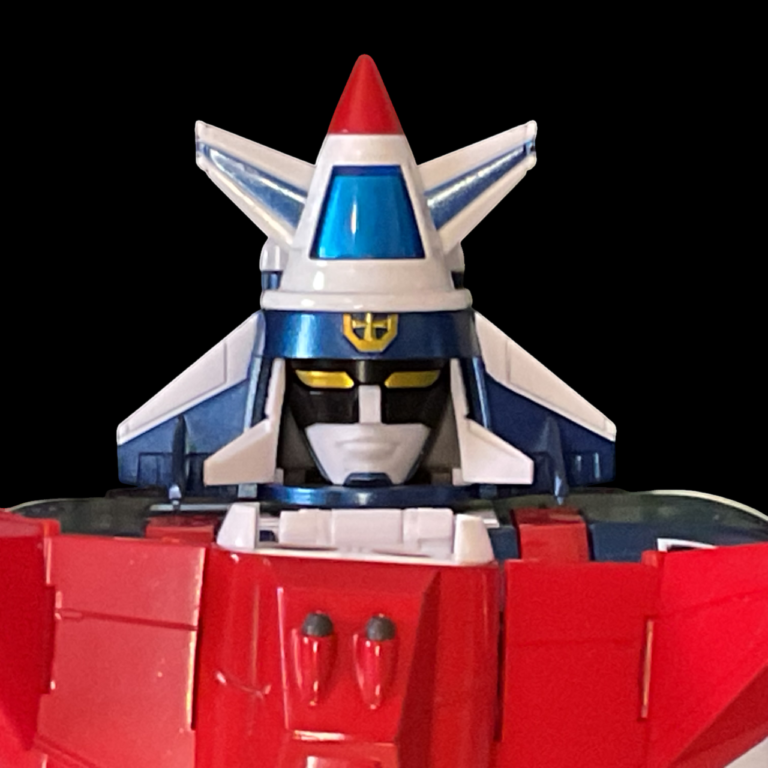
At its core, the Drule Empire conflict probes profoundly timely issues that feel even more relevant in the 2020s: environmental collapse driving desperate expansion, the ethics of interstellar colonization, the futility of resource wars, and the fragile hope of diplomacy amid mutual existential threats. Earth’s overpopulation crisis parallels modern concerns about climate change, habitat loss, and planetary limits, while the Drules’ dying world forces viewers to confront how survival instincts can spiral into aggression and imperialism. Commander Hazar’s arc—from antagonist to peace advocate—offers a powerful message of redemption and understanding, showing that enemies are often shaped by the same pressures as allies. This moral complexity elevates the series beyond typical kids’ cartoons, providing a gritty, mechanical tale of two civilizations on the brink of mutual destruction, saved only through unity, compromise, and recognition of shared humanity (or alien-equivalent).
Though less flashy than Lion Force—with its iconic roaring lions, blazing sword summons, and dramatic castle-based adventures—Vehicle Force offers soulful depth that rewards patient viewers. Its serialized storytelling, internal empire politics, failed peace talks, and exploration-focused missions create a more mature space opera feel, one that predates many deeper anime narratives on war and ecology. Fans who revisit it often discover an underrated gem: more ambitious world-building, harder sci-fi edges, and a grittier approach to galactic defense that feels ahead of its time. Many longtime enthusiasts argue it has stronger character development in places, more intriguing ongoing plots, and a sense of realism that makes victories feel earned rather than fated.
For fans and collectors alike, Vehicle Force Voltron serves as a powerful reminder that true strength lies in numbers—diverse individuals working in harmony to overcome impossible odds. In an era of reboots, crossovers, and nostalgia-driven media, it remains essential viewing for anyone seeking the roots of modern mecha storytelling or the full scope of the Voltron legacy. Whether through vintage Matchbox toys, modern anniversary figures, or streaming the episodes, embracing Vehicle Force means celebrating the “thinking man’s Voltron”—a testament to human (and mechanical) potential when we set aside division and build something greater together. It’s not just a forgotten side story; it’s a enduring call to unity in the face of cosmic challenges, making it an indispensable piece for any true defender of the universe.
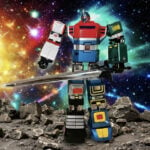
If you love Voltron be sure to check out Six God Combination God Mars and Voltes V!
 English
  Deutsch
  Français
  Português do Brasil
  日本語
日本語  Español
  English (Australia)