

The Rise and Fall of Big Van Vader in WWE: Why a Wrestling Monster Failed
Big Van Vader, born Leon Allen White on May 14, 1955, in Lynwood, California, stands as one of professional wrestling’s most accomplished super-heavyweights. A former NFL draft pick by the Los Angeles Rams in 1978 (3rd round, 80th overall), White transitioned to wrestling after knee injuries ended his football career. Trained by Brad Rheingans, he debuted in 1985 and achieved extraordinary success across promotions: three-time IWGP Heavyweight Champion in NJPW (first gaijin to win it), three-time WCW World Heavyweight Champion, three-time CWA World Heavyweight Champion, UWA World Heavyweight Champion, and later AJPW Triple Crown Champion. He excelled with power moves, stiff strikes, and surprising agility, including a diving moonsault voted best maneuver of 1993 by the Wrestling Observer Newsletter.
Vader joined the World Wrestling Federation (WWF, now WWE) in 1996 amid high expectations as a proven monster heel. He debuted impressively at the Royal Rumble, feuded with top stars like Shawn Michaels and The Undertaker, and headlined PPVs. Yet his run (1996–1998) is widely viewed as underwhelming—he never won the WWF Championship and faded into the midcard before requesting his release. Factors included pre-existing injuries undisclosed at signing, physical conditioning issues, creative decisions, backstage politics, and stylistic mismatches in the evolving WWF product.
This article examines the factual reasons for Vader’s limited WWF success using documented events, matches, and statements from involved parties like Bruce Prichard, Jim Cornette, and others. It also argues, based on his proven track record elsewhere, why he merited a stronger push and could have thrived with different handling. All details stem from historical records, no speculation or fanfiction.
Vader’s Pre-WWF Dominance: A Global Monster
White’s career trajectory before WWF showcased unmatched versatility for a man billed at 6’5″ and over 400 pounds. In NJPW starting in 1987 as Big Van Vader (a masked monster gimmick inspired by Japanese folklore), he quickly rose. He won the IWGP Heavyweight Championship in an eight-man tournament final against Shinya Hashimoto, becoming the first non-Japanese champion. He held it multiple times, including a notable 1989 reign.
A infamous 1990 incident against Stan Hansen at Super Fight in Tokyo Dome highlighted his toughness: Hansen’s bull rope broke Vader’s nose, and a thumb accidentally popped his eye out. Vader pushed it back in, held it with his eyelid, and continued until a no-contest. This required surgery with a metal plate under his eye.
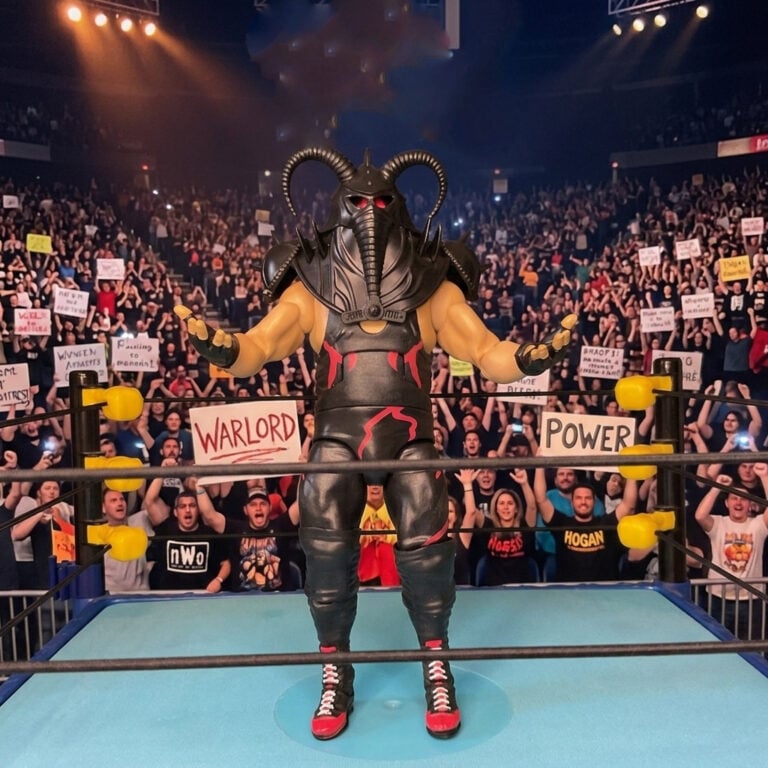
In WCW (full-time from 1991–1995), paired with manager Harley Race, Vader became a dominant force. He won the WCW World Heavyweight Championship from Sting at The Great American Bash 1992, lost it shortly after due to injury, regained it from Ron Simmons, and had additional reigns. His feuds with Sting, Cactus Jack (Mick Foley), and Ric Flair featured brutal, stiff matches that drew praise. He also won the WCW United States Championship and the 1993 Battlebowl.
Vader held multiple world titles simultaneously in 1989 (IWGP, CWA, UWA). His style blended monstrous power with athleticism rare for his size. The Wrestling Observer Newsletter inducted him into their Hall of Fame in 1996. These credentials positioned him as a major acquisition for WWF in late 1995/early 1996.
The Hype and Impactful WWF Debut (1996)
Vader debuted at the 1996 Royal Rumble, entering at #13. He eliminated Jake Roberts, Doug Gilbert, a member of the Squat Team (Headhunters), and Savio Vega. He brawled with ally Yokozuna before Shawn Michaels eliminated him. Post-match, Vader re-entered and assaulted officials.
On the following Raw, he defeated Savio Vega cleanly. He then attacked more officials. WWF President Gorilla Monsoon confronted him and received a Vader Bomb, establishing Vader as an uncontrollable monster. Managed by Jim Cornette as part of “Camp Cornette” (with Owen Hart and British Bulldog), Vader quickly earned a title shot.
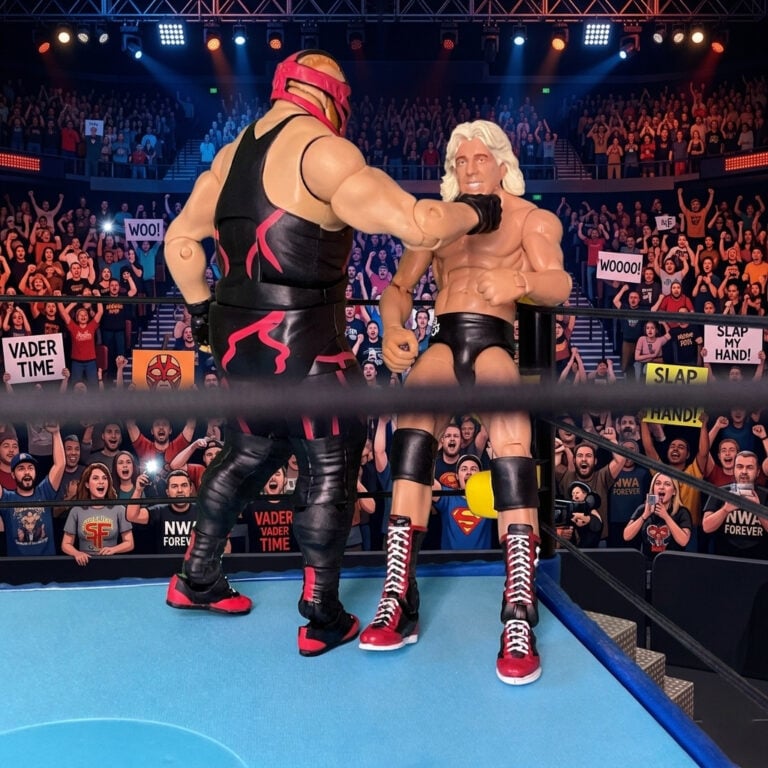
At In Your House 9: International Incident (July 1996), Vader, Hart, and Bulldog defeated Michaels, Ahmed Johnson, and Sycho Sid when Vader pinned Michaels. This built momentum for a SummerSlam title match. Bruce Prichard later noted the company knew of shoulder issues post-signing but proceeded with a splashy debut and planned time off for surgery: “We got damaged goods… let’s go out, make a splash… and then give a reason for you to go away.”
The SummerSlam 1996 Turning Point
The WWF Championship match at SummerSlam 1996 against champion Shawn Michaels in Cleveland was a pivotal high-profile outing. Vader won by countout after press-slamming Michaels into the guardrail and by disqualification after Michaels used Cornette’s racket, but officials restarted the match both times per WWF rules (titles change only on pin/submission). Michaels retained with a moonsault after 22:58.
A notable in-ring incident occurred during a planned spot: Michaels attempted a top-rope elbow drop; Vader was supposed to roll away so Michaels could land on his feet and follow up. Vader did not move as expected. Michaels landed, became visibly frustrated, kicked Vader in the head, and yelled “Move, asshole!” (audible on broadcast). Jim Cornette and others later described this as Michaels berating Vader publicly, which damaged Vader’s intimidating aura. Michaels later admitted in his book that he should not have handled it that way on live TV.
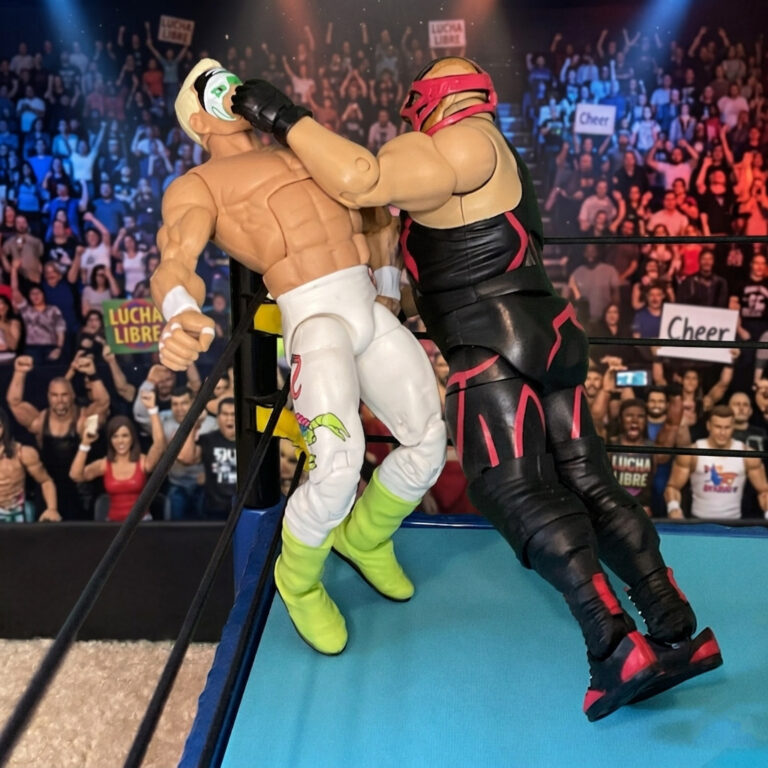
According to reports and Cornette, Michaels was unhappy working with Vader’s stiff style and reportedly influenced booking afterward. Plans for Vader to potentially win the title or sustain a longer main-event run were reportedly derailed. Sid Vicious later received a bigger program with Michaels.
-
January 1996
The Explosive Debut
Debuts at the Royal Rumble (#13), eliminating 4 wrestlers. The next night on Raw, he destroys Savio Vega and hits WWF President Gorilla Monsoon with a Vader Bomb, establishing him as an un-bookable monster.
-
February - June 1996
The Injury & Delayed Surgery
WWF management realizes Vader has a severe, pre-existing shoulder injury. Instead of pulling him immediately, they delay surgery to keep him on TV, resulting in "damaged goods" working through pain.
-
July 1996
The Pinfall Over the Champion
で In Your House 9: International Incident, Vader pins WWF Champion Shawn Michaels in a 6-man tag match, cementing him as the absolute number-one contender for SummerSlam.
-
August 1996
The SummerSlam Turning Point
Vader loses to Shawn Michaels after the match is restarted twice. During the bout, a missed spot causes Michaels to break character, kick Vader in the head, and yell "Move, asshole!" on live TV, severely damaging Vader's terrifying aura.
-
Fall 1996
The Push Evaporates
Backstage politics and Michaels' vocal complaints about Vader’s stiff style result in creative pulling the rug. Plans for a championship run are dropped, and Sycho Sid is given the top main-event monster push instead.
Injuries, Conditioning, and Booking Challenges
Vader required shoulder surgery shortly after debuting, limiting his initial momentum. Bruce Prichard highlighted that Vader did not disclose the full extent of his physical condition pre-signing. Weight gain and reduced mobility were also noted as the run progressed; he was once booked to call himself a “fat piece of crap” in a promo, which undercut his monster image.
Creative decisions played a role. WWF was pushing Ahmed Johnson as a monster babyface, leading to safety considerations in potential programs. Vader’s alignment with Camp Cornette (viewed by some as dated or uncool amid the rising New Generation and later Attitude Era shifts) and the company’s focus on smaller, agile performers like Michaels limited his presentation as an unstoppable force.
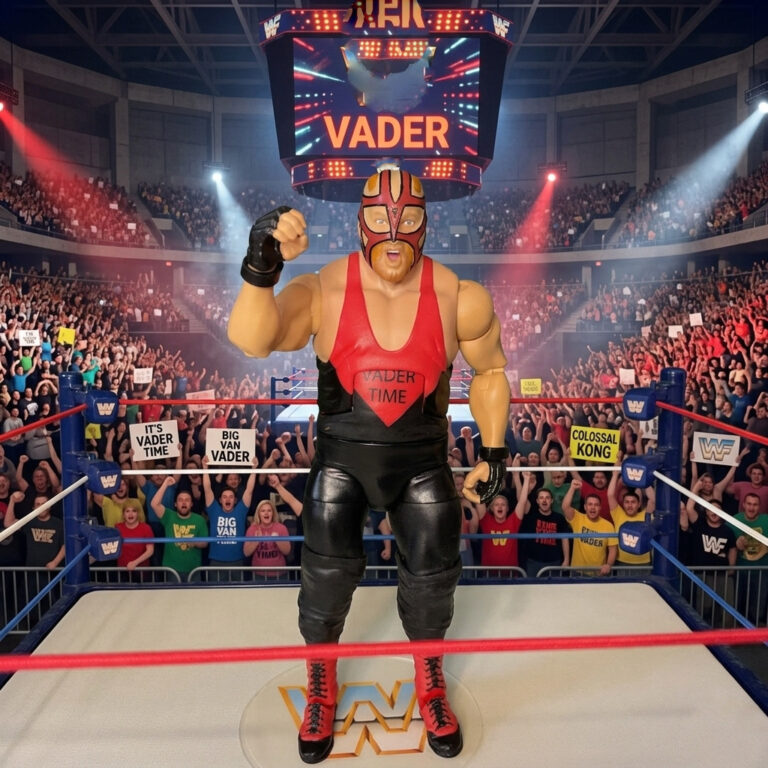
Despite this, Vader had strong moments. At the 1997 Royal Rumble, he defeated The Undertaker by pinfall (a major victory), then entered the Rumble match. He participated in the In Your House 13: Final Four main event for the vacant WWF Championship (won by Bret Hart) alongside Undertaker, Hart, and Steve Austin, where he bled profusely. He teamed with Mankind in a tag title challenge at WrestleMania 13 but lost to Owen Hart and British Bulldog.
Feuds with The Undertaker (managed briefly by Paul Bearer) and others followed, but consistent main-event positioning waned. By 1998, he was in lower-profile matches, including a loss to Bradshaw at Breakdown: In Your House in a No Holds Barred match and his final televised match losing to Edge on Sunday Night Heat.
Backstage Dynamics and Departure
Backstage accounts point to stylistic and interpersonal factors. Vader’s stiff, physical style—highly effective in Japan and WCW—clashed with some WWF preferences for safer, more choreographed matches. Jim Cornette noted Vince McMahon had limited prior exposure to Vader’s work outside WWF tapes and sought to remake him (e.g., briefly considering “The Mastodon”). Cornette and Jim Ross advocated for the signing.
Vader requested and received his release in 1998 to return to Japan, where he found renewed success in AJPW (winning the Triple Crown) and later NOAH. His final WWF PPV was in 1998; he made sporadic returns later (e.g., 2005, 2012, inducting Stan Hansen in 2016) and was inducted into the WWE Hall of Fame in 2022.
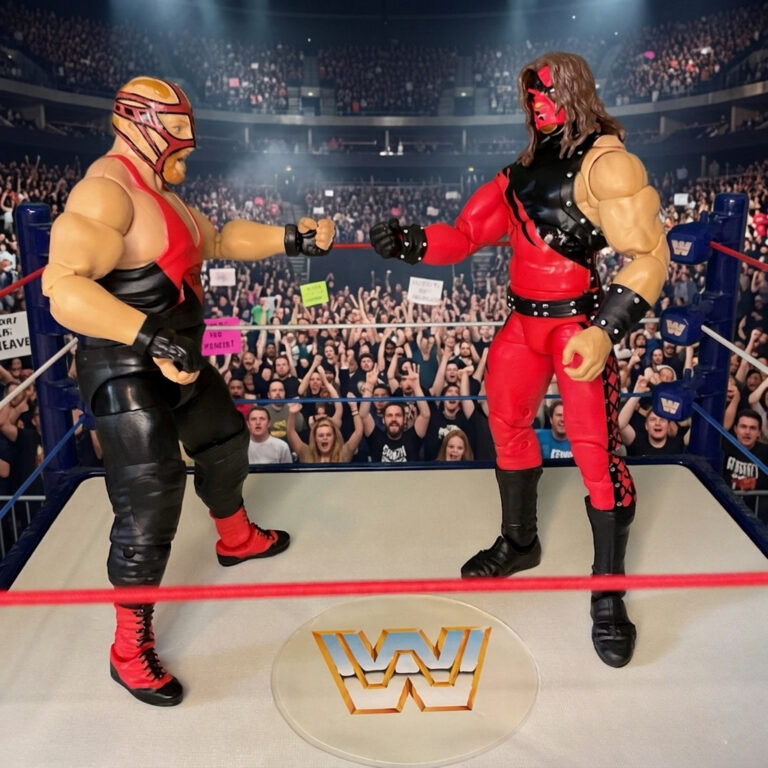
Why Vader Should Not Have Flunked: Evidence from His Career
Vader’s pre- and post-WWF success demonstrates he possessed the tools for WWF stardom. His NJPW and WCW reigns proved he could headline, draw, and elevate opponents through stiff, believable matches. In WCW, he injured Sting (cracked ribs, ruptured spleen) with a Vader Bomb yet maintained credibility. His athleticism—moonsaults, agility—set him apart from typical big men.
A stronger, protected push could have positioned him as a dominant heel champion or long-term attraction during the transition from New Generation to Attitude Era. His Undertaker victory and Rumble performance showed fan interest in him as a threat. Proper conditioning management and creative commitment (avoiding self-deprecating promos) might have sustained momentum. His later Japanese success, winning more titles into his 40s and 50s, underscores that the talent endured.
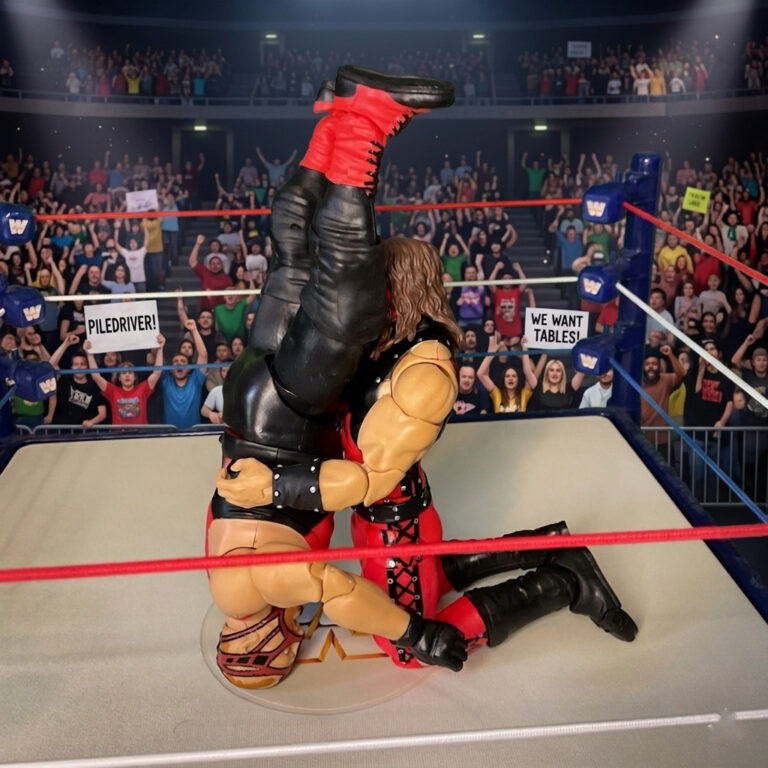
Many big men succeeded in WWF despite stylistic differences (e.g., Yokozuna, later Big Show). Vader’s global drawing power and versatility made him a natural fit for main events. Backstage politics and timing, rather than inherent shortcomings, appear central to the underutilization. JBL and others have called it one of wrestling’s notable “what-ifs.”
| Element | The Global Monster (NJPW, WCW) | The WWF Version (1996–1998) |
|---|---|---|
| イン・リング・スタイル | Brutal, legitimate stiff strikes and power moves that made opponents genuinely fear him. | Forced to tone down his stiffness for a safer, more heavily choreographed WWF style. |
| Promo Style | Intense, short, terrifying outbursts backed by dominant managers like Harley Race. | Placed in "Camp Cornette" (viewed as dated for the Attitude Era); forced to call himself a "fat piece of crap" on TV. |
| Booking Style | Rarely lost; injuries to opponents (like Sting and Mick Foley) only enhanced his invincibility. | Beaten cleanly on pay-per-view, restarted into losses, and eventually moved down the card to lose to rising stars. |
| Psychology | A terrifying powerhouse who could suddenly hit a diving moonsault, shocking the audience. | His physical agility was limited by weight gain, mounting injuries, and a lack of creative faith from Vince McMahon. |
Later Career, Legacy, and Hall of Fame Recognition
Post-WWF, Vader thrived in All Japan, winning the Triple Crown twice, and teamed successfully in NOAH. He wrestled sporadically into the 2010s, including TNA appearances, and retired in 2017. He battled health issues, including congestive heart failure diagnosed in 2016, and passed away on June 18, 2018, at age 63 from complications including pneumonia.
WWE acknowledged his legacy with a 2022 Hall of Fame induction. Documentaries like Dark Side of the Ring covered his career, highlighting both triumphs and challenges. His influence on dynamic big men endures; few 400+ pounders matched his in-ring athleticism and worldwide championship pedigree.
結論
Big Van Vader’s WWF run flopped relative to expectations due to a combination of documented factors: undisclosed shoulder injuries requiring immediate surgery, weight and conditioning issues, a high-profile in-ring confrontation with Shawn Michaels at SummerSlam 1996 that reportedly damaged his push, creative choices prioritizing other talents, and a stylistic mismatch in a company transitioning its product. He achieved memorable wins (e.g., over Undertaker) and headlined events but never captured the WWF Title or sustained top billing, leading to his 1998 departure.
He should not have flunked. His unparalleled resume—multiple world titles across continents, stiff yet agile style, proven ability to draw and main event—made him ideal for WWF stardom. With better injury management, protected booking, and avoidance of backstage derailments, Vader could have been a landmark monster heel bridging eras, much like his successes elsewhere. His Hall of Fame career affirms his greatness; the WWF chapter remains a notable missed opportunity in wrestling history. His story illustrates how even elite talent can be hindered by timing, politics, and presentation in the demanding world of professional wrestling.
 English
  Deutsch
  Français
  Português do Brasil
  日本語
日本語  Español
  English (Australia)