

Ultimate G1 Transformers Combiners Comparison: Heights, Strength & Weaknesses Ranked
In the Generation 1 Transformers continuity, combiners represent one of the most formidable technologies deployed by both Autobots and Decepticons. These massive gestalt robots form when multiple individual Transformers merge their bodies and minds into a single, towering warrior. The power amplification is significant, but it often comes with trade-offs in coordination and intellect.
This article provides a canon-based comparison of all major G1 combiners you requested—Devastator, Superion, Menasor, Bruticus, Defensor, Computron, Abominus, Predaking, and King Poseidon (also known as Piranacon)—drawing exclusively from official sources such as toy Tech Specs, the G1 cartoon scale references, Marvel comics bios, and Japanese continuity materials like Kodansha publications. No fan fiction or speculative interpretations are included.
What Are Transformers Combiners?
Combiners are specialized teams of Transformers—typically consisting of five or six individual members—that physically and mentally merge to form a single, massive super-robot. This entity is far more powerful than the sum of its parts, possessing exponentially greater strength and firepower.
While the “Scramble City” era standardized the 5-bot configuration (one leader forming the torso with four interchangeable limbs), the engineering has seen several variations. For instance, the Constructicons utilize a 6-bot formation with no central leader, while the Seacons feature a unique 6-member team where one member becomes a handheld weapon for the combined form (Piranacon).
Despite their physical prowess, the “mental merge” is a combiner’s greatest vulnerability. The process requires all individual minds to synchronize into a single consciousness; if the team members have conflicting personalities or goals, the resulting giant may become slow-witted, prone to bouts of rage, or suffer from complete mental paralysis.
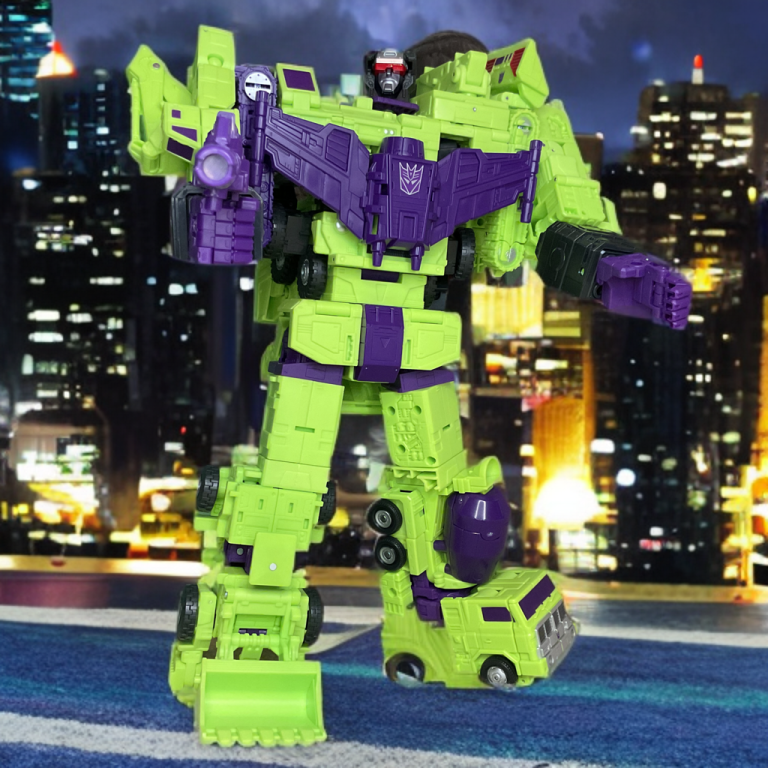
The History of Combiners: Real-World Origins
To understand where combiners came from, you have to look toward Japan in the early 1980s. The concept was not originally created for “Transformers,” but was inherited from Takara’s Diaclone and Micro Change lines.
Who Had the Idea?
The mechanical “father” of the Transformers combiners is legendary Takara designer Kojin Ono. While other designers like Shoji Kawamori (of Macross fame) worked on early Diaclone vehicles, Ono was the primary architect behind many of the figures that would become the first Transformers, including the original Constructicons.
Where Did the Idea Come From?
The concept was born from the “Gattai” (Union/Combination) tradition in Japanese Mecha media. In the 1970s and 80s, shows like Voltes V and Getter Robo popularized the idea of separate vehicles merging into a giant humanoid.
Ono and the Takara team applied this to the Diaclone line to increase play value—allowing kids to collect smaller, affordable toys that eventually built a “centerpiece” figure. When Hasbro licensed these toys in 1984, they brought over the Construction Robo (Constructicons) as the first “Combiner” team, though they initially lacked the “Scramble City” limb-swapping gimmick that would define the line a year later.
In-Universe Origins: Who Created Them?
Within the sprawling lore of the franchise, the question of who actually invented combination remains one of the most hotly debated topics among historians and fans alike. This is primarily because the answer shifts significantly depending on which specific continuity or timeline you choose to follow.
In the original G1 cartoon continuity, the Constructicons are almost universally recognized as the pioneers of the technology, even if their specific backstory is notoriously inconsistent. While early episodes suggested they were built on Earth, the definitive lore established in “The Secret of Omega Supreme” paints a more tragic picture: they were once peaceful architects on ancient Cybertron. Their ability to merge was a perversion of their original purpose, forced upon them when Megatron used the “Robo-Smasher” to reprogram their minds and bodies into the singular engine of destruction known as Devastator. This technological breakthrough eventually sparked an arms race; the Autobots later harnessed the power of the ancient super-computer Vector Sigma to imbue the Aerialbots with life and merging capabilities, while the Decepticons countered by using that same primordial machine to commission the Stunticons.
The Marvel Comics continuity offers a more clinical and biological perspective on the phenomenon. In this version of history, combination was treated less like a magical gift and more like a radical feat of bio-mechanical engineering. The Decepticon strategist and scientist Shockwave is the figure most often credited with the breakthrough. He pioneered the sophisticated engineering required to physically link multiple sparks and chassis into a stable, collective form. For Shockwave, the Devastator project was a cold, calculated experiment designed to provide the Decepticons with a tactical advantage that would finally tip the scales of the Great War in their favor.
More modern interpretations, specifically within the IDW Publishing and “Alignment” mythos, have moved away from lab experiments and toward a more mystical, ancient origin. Modern lore frequently points to Nexus Prime, one of the original Thirteen Primes created by Primus himself, as the true “First Combiner.” Nexus Prime was the guardian of the Enigma of Combination, a legendary artifact of immense power that granted the ability for any group of Transformers to merge their forms. By rooting the origin in this divine relic, the modern mythos frames combination as an ancient, almost holy power inherent to the Cybertronian race, rather than a mere scientific upgrade or a wartime invention.
Heights of G1 Combiners
Exact heights vary slightly by source and continuity, but official references provide clear benchmarks:
- Most 5-bot Scramble City-style combiners (Superion, Menasor, Bruticus, Defensor, Computron, Abominus) appear roughly equivalent in the G1 cartoon, generally scaled in the 50-60 foot (15-18 meter) range.
- Devastator (6-bot) and Predaking are frequently depicted as comparable or slightly more imposing, listed around 52 feet (16 meters) in cartoon scale charts.
- King Poseidon (Piranacon) has the clearest official measurement: 20 meters (~66 feet) in Japanese Kodansha and related materials.
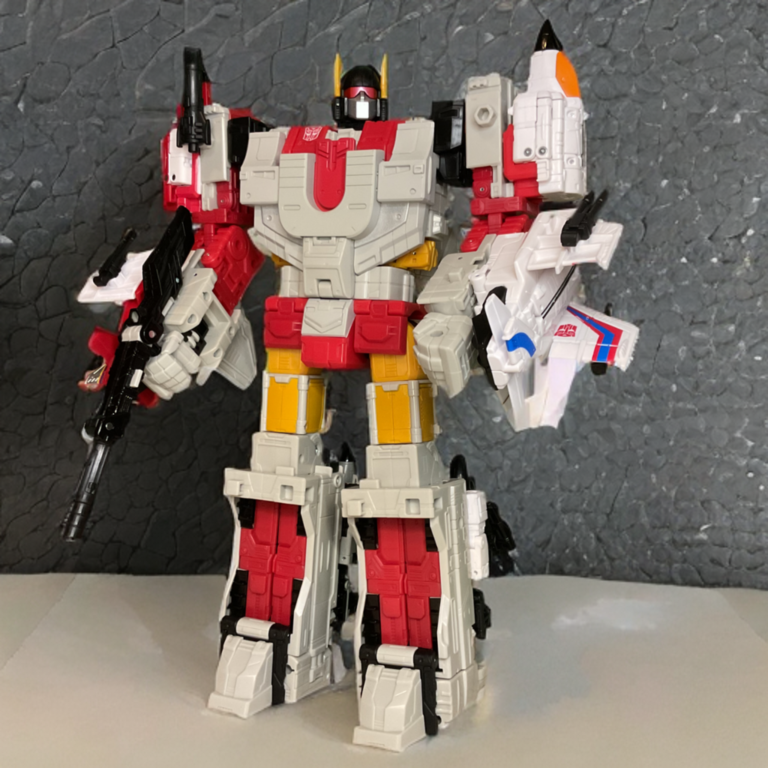
Japanese-exclusive combiners like Raiden (Trainbots) and others generally fall into similar size categories, though precise figures are less documented in Western sources.
Strength Comparison (Tech Spec-Based)
Strength assessments come from Tech Spec ratings (where available), official bios, and documented feats in the cartoon and Marvel comics. Combiners do not always receive individual Tech Spec cards, so data is derived from team members and on-screen performance:
- Predaking: Often portrayed as one of the most powerful, with high strength (team members frequently rated 8-10), flight capability, and balanced combat prowess including a giant sword. Bios highlight immense raw power combined with predatory cunning.
- Devastator: Exceptional durability and raw destructive capacity as the first combiner; capable of leveling structures. Tech Specs for Constructicons support high strength ratings (several at 9).
- Bruticus: Stands out for firepower and punching power (one bio notes 14,000 psi punches); high endurance and military-grade armament.
- Abominus: Described in some official Dreamwave-era G1 bios as possessing immense strength and brutal ferocity.
- Menasor: High speed and aggressive force, but raw power is undermined by instability.
- Defensor: Solid defensive strength and endurance, focused on protection.
- Superion: Strong aerial mobility and balanced performance.
- Computron: Emphasizes precision and calculation over brute force; intelligent but not the top physical powerhouse.
- King Poseidon: Massive size contributes to crushing power and tidal wave generation; strong in aquatic or bulk engagements.
Overall, Decepticon combiners tend to edge out in raw offensive power in traditional depictions, while Autobot ones often excel in coordination or specialized roles.
Weaknesses of Each Combiner
A recurring theme is that the merging process dilutes individual intellects, leading to common vulnerabilities:
- Devastator: Low intelligence; slow movement; vulnerable to targeted strikes on joints or components due to internal discord.
- Menasor: Severe mental instability—components frequently conflict, causing the gestalt to freeze, argue internally, or go berserk.
- Bruticus: Limited intellect; easily provoked into rage that can be exploited.
- Abominus: Uncontrolled savage rage; poor coordination from the monstrous personalities of the Terrorcons.
- Superion: Personality clashes among Aerialbots reduce overall effectiveness and unity.
- Defensor: Overly protective/cautious nature can limit aggressive maneuvers.
- Computron: Over-analysis and excessive computation slow decision-making in fast combat.
- Predaking: Few explicit weaknesses noted; the Predacons’ shared predatory instincts provide better unity than most teams.
- King Poseidon: Reflexes impaired out of water; heavy reliance on the leader component for control; bulk can reduce agility.
In general, official sources emphasize that greater internal harmony (e.g., Predaking or Defensor teams) produces more effective combiners.
| Combiner | Team | Faction | Approx. Height | Strength Highlights | Key Weaknesses |
|---|---|---|---|---|---|
| Devastator | Constructicons (6 bots) | Decepticon | ~52-60 ft (16 m; cartoon scale) | Extremely durable; massive raw power; 6 components for synergy; can level structures/bridges. Often portrayed as one of the physically toughest. | Low intelligence; slow; component discord; vulnerable to targeted attacks on joints. |
| Superion | Aerialbots (5) | Autobot | ~50-60 ft (similar to peers) | High mobility (flight-capable); strong aerial combatant; good overall balance. | Personality conflicts among components reduce coordination; not the raw strongest. |
| Menasor | Stunticons (5) | Decepticon | ~50-60 ft | High speed; aggressive; can generate destructive force (e.g., ~140-280 ton estimates in some analyses). | Severe mental instability (components hate each other); prone to going berserk or freezing. |
| Bruticus | Combaticons (5) | Decepticon | ~50-60 ft | Exceptional strength/firepower; 14,000 psi punch; lifts up to 500,000 lbs (~250 tons); highly durable armor. Often ranks high in direct combat. | Low intelligence (“dumb as a sack of hammers”); easily enraged/exploitable anger issues. |
| Defensor | Protectobots (5) | Autobot | ~50-60 ft | Protective/shielding focus; solid strength (~300 ton lift estimates); good endurance in defense. | Overly cautious; component harmony good but can be outmatched in raw offense. |
| Computron | Technobots (5) | Autobot | ~50-60 ft | Extremely intelligent (for a combiner); precise calculations; ~240 ton lift estimates. | Overthinks everything; slow decision-making in combat due to analyzing all possibilities. |
| Abominus | Terrorcons (5) | Decepticon | ~50-60 ft | Brutal, monstrous ferocity; high destructive potential in close quarters. Some bios call him one of the most powerful. | Uncontrolled rage; low coordination/intelligence; components are savage and hard to direct. |
| Predaking | Predacons (5) | Decepticon | ~52 ft+ (comparable or larger in some depictions) | Top-tier: lifts 500+ tons without strain; immense power, skill, and cunning; flight; giant sword; balanced stats (Strength 10, Firepower 9); often considered peak combiner. | Few/none explicitly stated in some bios; relies on unity of predatory instincts. |
| King Poseidon (Piranacon) | Seacons (6 bots, with one as weapon) | Decepticon | ~66 ft (20 m; Japanese sources) | Massive size advantage; high mobility in water/land; raw crushing power; cold/cruel efficiency under leader control. | Component reliance (one controls); can be overpowered by enhanced foes (e.g., Super Ginrai feats); less “personality” depth in some stories. |
(Note: Heights are approximate based on official scale charts and Japanese sources; most Western 5-bot combiners are visually similar in animation.)
Additional Notable G1 Combiners
You covered the core Western G1 teams comprehensively. Japanese G1 continuities added several more, including Raiden (Trainbots, Autobot), Monstructor (Pretender Monsters, Decepticon), Dinoking (Dinoforce, Decepticon), and Liokaiser (Breastforce, Decepticon). These follow similar combination principles but have fewer detailed Western height or Tech Spec references.
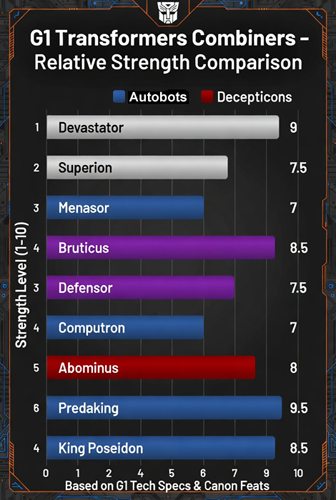
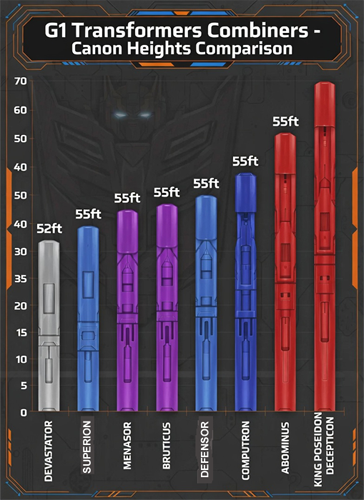
These visuals use the most consistent official approximations:
- Heights drawn from G1 cartoon scale charts and Japanese Kodansha sources (King Poseidon at 20m / 66ft is the highest confirmed).
- Strength scores are normalized from component Tech Spec ratings and official bios (Predaking and Devastator consistently rank at the top end).
G1 Transformers Combiner Formation Times
In Generation 1 Transformers lore, combiners are massive gestalt robots formed when multiple Cybertronians physically and mentally merge. While raw power, size, and coordination vary, another key tactical factor is formation time — how quickly the team can merge into their combined mode during battle.
This section adds a grounded comparison of formation times for Devastator, Superion, Menasor, Bruticus, Defensor, Computron, Abominus, Predaking, and King Poseidon (Piranacon in Western releases), using only official G1 cartoon depictions, comics, and related materials.
Formation Times Overview
In the G1 cartoon and Marvel comics, combiner formation is shown as a swift, dramatic sequence involving individual transformations into limb/torso modes followed by physical attachment. No official Tech Spec or bio lists a specific duration in seconds. On-screen sequences typically last a few seconds of animation time (often 5–15 seconds of screen time depending on the episode and editing), but narrative context reveals differences in practicality and reliability.
Key patterns:
- Devastator (first combiner, 6-bot team) has the most frequent and varied depictions. Early appearances (e.g., “Heavy Metal War”) show a somewhat deliberate assembly, while later episodes portray it as routine but occasionally cumbersome due to the extra component.
- Scramble City-style 5-bot combiners (Superion, Menasor, Bruticus, Defensor, Computron, Abominus, Predaking) generally feature standardized, faster-looking merge sequences thanks to the interchangeable limb design introduced in the toyline and cartoon.
- King Poseidon / Piranacon (6-bot with weapon mode) follows a similar process but includes an extra step for the sixth member (often forming a weapon).
Formation is almost always depicted as faster and more fluid when team members have strong unity (e.g., Predacons’ shared instincts or Protectobots’ harmony). Personality conflicts visibly slow or disrupt the process in unstable teams.
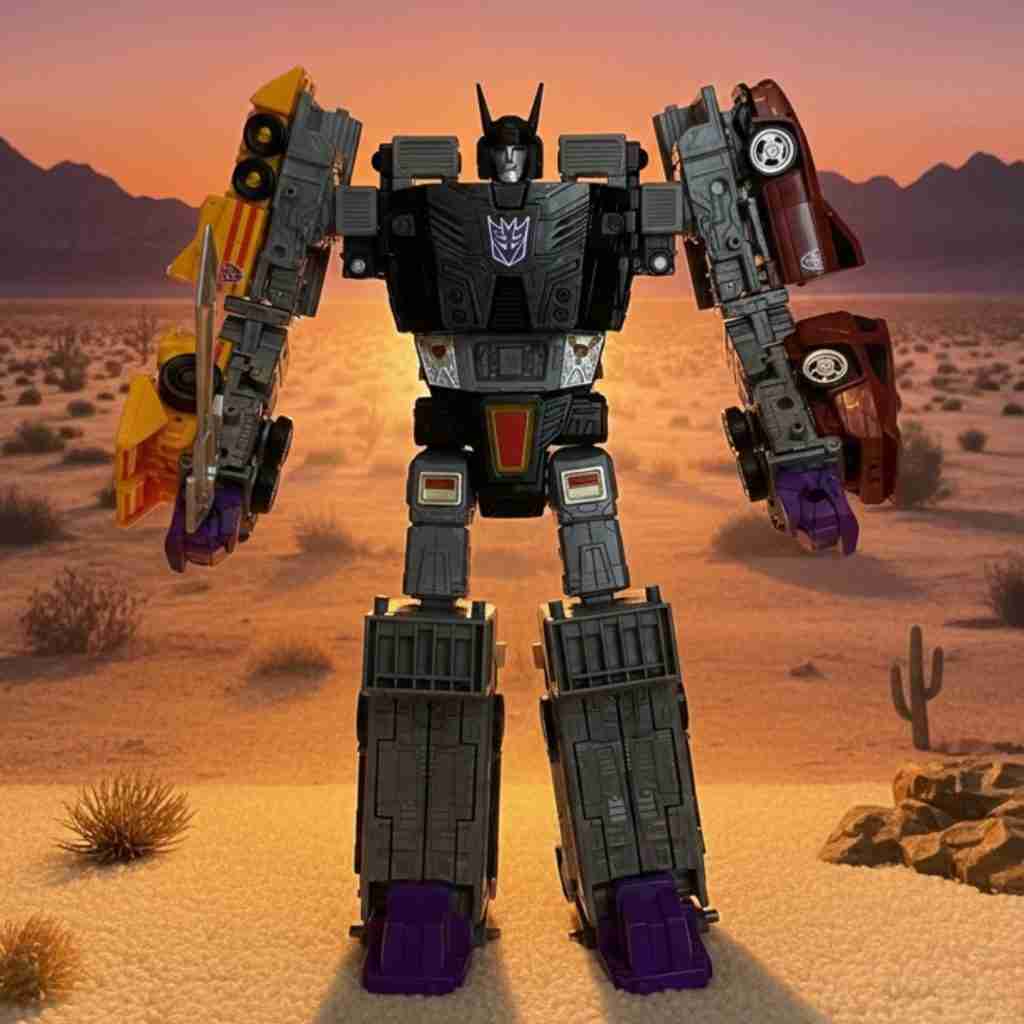
| Combiner | Team Size | Faction | Formation Depiction | Relative Speed | Notes from Official Sources |
|---|---|---|---|---|---|
| Devastator | 6 bots | Decepticon | Deliberate assembly; shown multiple times with visible component attachment | Medium (slightly slower) | Earliest combiner; 6 components add complexity. Frequent use in Season 1–2 but occasionally interrupted. |
| Superion | 5 bots | Autobot | Standard Scramble City sequence; aerial components merge smoothly in some scenes | Fast | First Autobot combiner; clean merges in debut episodes. |
| Menasor | 5 bots | Decepticon | Prone to hesitation or internal arguing during merge | Slow / Unreliable | Severe component discord often delays or destabilizes formation. |
| Bruticus | 5 bots | Decepticon | Military-style, coordinated merge; efficient in combat | Fast | Combaticons trained for combat; reliable sequences. |
| Defensor | 5 bots | Autobot | Protective, harmonious merge; quick when defending | Fast | Strong team unity aids smooth combination. |
| Computron | 5 bots | Autobot | Methodical due to calculations; precise but not the quickest visually | Medium | Over-analysis can theoretically slow real-time decisions, though merge itself is standard. |
| Abominus | 5 bots | Decepticon | Savage, aggressive merge; sometimes chaotic | Medium-Fast (unpredictable) | Terrorcons’ rage can accelerate but risks poor coordination. |
| Predaking | 5 bots | Decepticon | Highly coordinated predatory merge; often the most fluid and dominant | Very Fast / Efficient | Best internal harmony among Decepticon teams; minimal disruption shown. |
| King Poseidon (Piranacon) | 6 bots | Decepticon | 6-member merge with one component as weapon; aquatic theme | Medium | Extra component adds a step (weapon formation); effective under strong leader control in Japanese continuity. |
Summary of Formation Speed Ranking:
- Fastest / Most Reliable: Predaking, Bruticus, Defensor, Superion — benefit from better team synergy or military discipline.
- Medium: Devastator, Computron, Abominus, King Poseidon — extra component or analytical/rage factors create minor delays.
- Slowest / Least Reliable: Menasor — constant internal conflicts frequently hinder the merge process in cartoon episodes.
In the G1 cartoon, Scramble City combiners (post-Devastator) were designed with a more streamlined combination system, making most 5-bot teams visually quicker than the pioneering 6-bot Devastator. However, narrative emphasis is placed more on stability after formation than raw merge speed.
While G1 combiners dramatically amplify individual power, formation time remains a tactical consideration in offical lore. Teams with strong unity (like Predaking) can merge more reliably and quickly under pressure, whereas unstable teams (like Menasor) risk delays or failure. Devastator’s pioneering 6-bot design set the standard but introduced slight complexity compared to the later standardized Scramble City system.
These insights come directly from G1 cartoon animation, episode context, and official materials — no fan-calculated timings or speculation included.
Combiner Stability Issues Comparison
A recurring theme in official G1 fiction is that the process of combining multiple minds into a single gestalt creates inherent stability challenges. The mental merge often dilutes individual intellects, leading to reduced intelligence, personality conflicts, or outright instability in the combined form. Some teams suffer more severely than others due to clashing component personalities.
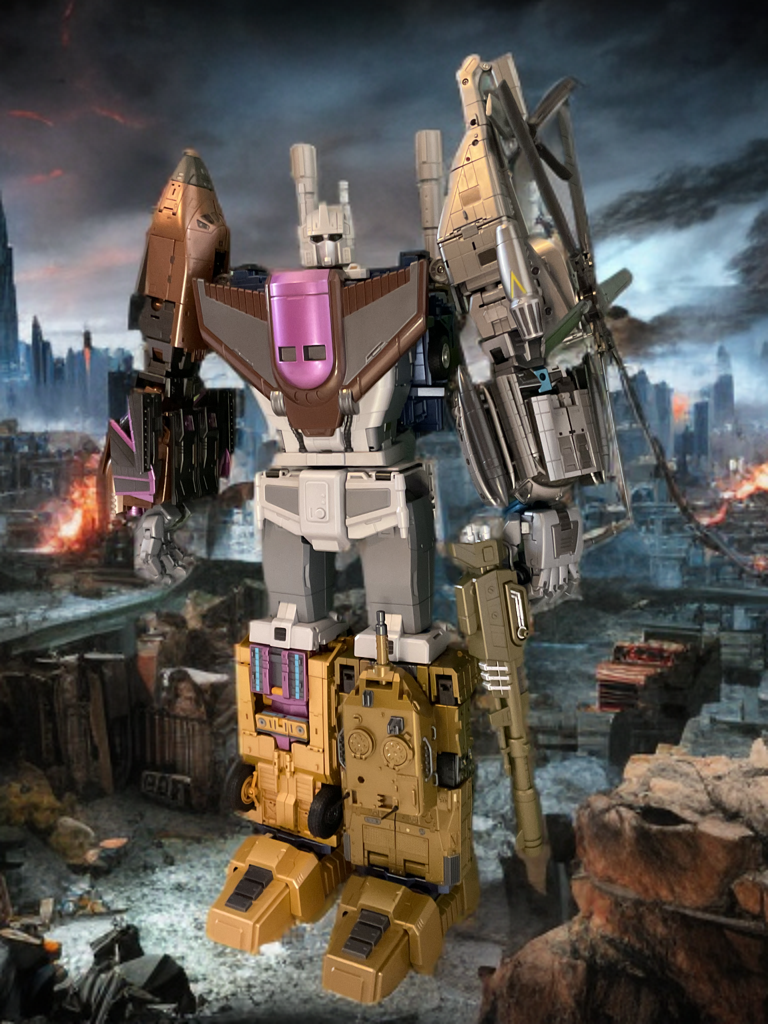
Overview
- The mental fusion typically results in a new emergent personality, but conflicting psyches frequently cause dysfunction.
- Decepticon combiners often exhibit greater raw power but higher risk of instability.
- Autobot combiners tend to prioritize coordination, though they are not immune to issues.
- Teams with strong shared purpose or instincts (e.g., predatory drive) show better stability in official depictions.
- No combiner is portrayed as perfectly stable; even the strongest suffer some degree of intellectual or emotional limitation.
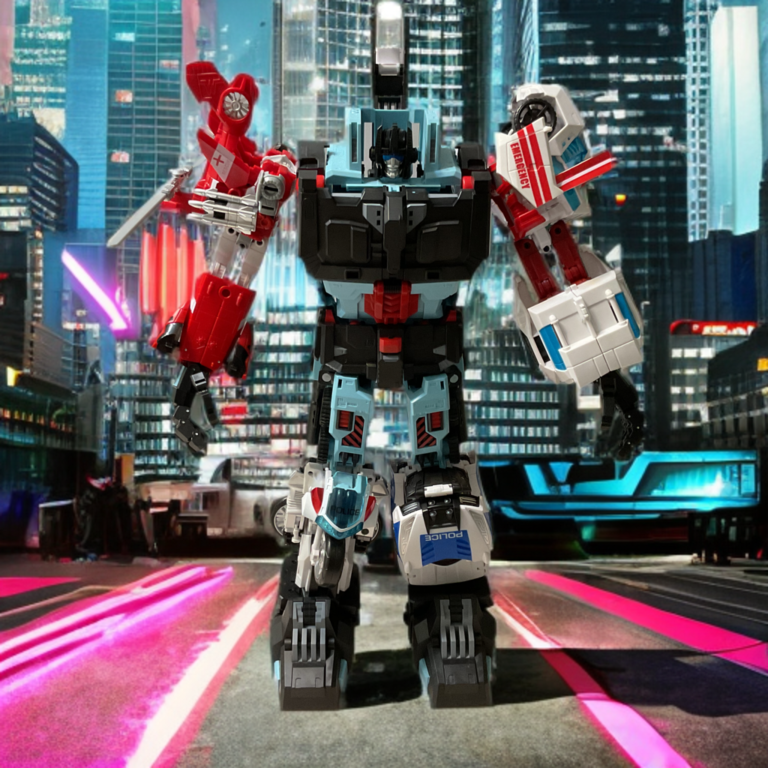
Stability Issues by Combiner
| Combiner | Faction | Stability Level | Primary Stability Issues | Key Official Sources/Depictions |
|---|---|---|---|---|
| Devastator | Decepticon | Medium-Low | Low overall intelligence; occasional component discord; slow and lumbering at times. | Early cartoon episodes (“Heavy Metal War”); Marvel comics; pioneering 6-bot design adds complexity. |
| Superion | Autobot | Medium | Personality clashes among Aerialbots reduce coordination and unity in the gestalt. | Cartoon battles vs. Decepticon combiners; noted internal conflicts. |
| Menasor | Decepticon | Very Low | Severe mental instability; primal psychological rift from resentment toward leader and psychotic differences; prone to violent tantrums and chaotic impulses. | Tech Specs/bios and cartoon: “unpredictable mass of conflicting impulses”; frequently lashes out uncontrollably. |
| Bruticus | Decepticon | Low-Medium | Woefully unintelligent; limited intellect makes him easily exploitable despite military precision of components. | Marvel comics and cartoon: described as highly powerful but mentally limited. |
| Defensor | Autobot | Medium-High | Generally harmonious due to protective bond; minor caution/over-protectiveness but fewer major clashes. | Strong team unity emphasized in defensive scenarios. |
| Computron | Autobot | Medium-High | Over-analysis from merging scientific minds; can slow responses but provides resilience and unique calculating personality. | Tech Specs highlight methodical nature; steps taken to mitigate typical combiner flaws. |
| Abominus | Decepticon | Low | Uncontrolled savage rage and ferocity from monstrous Terrorcon personalities; poor coordination and mindless aggression. | Cartoon and bios: operates on pure aggression; chaotic in battle. |
| Predaking | Decepticon | High | Minimal stability issues; shared predatory instincts create strong unity and a focused, cunning gestalt personality with fast reflexes. | Frequently portrayed as one of the most balanced and effective; does most of the work in multi-combiner battles. |
| King Poseidon (Piranacon) | Decepticon | Medium | Heavy reliance on leader component (Turtler/Snaptrap) for control; 6-bot configuration with weapon mode adds potential for imbalance; effective under directed command but less personality depth shown. | Japanese Masterforce continuity; Seacons merge with one as weapon. |
Summary Insights on Stability
- Worst Stability: Menasor stands out as the most unstable due to deep resentment and psychotic differences among the Stunticons, often resulting in tantrums or freezing. Abominus follows closely with uncontrolled rage.
- Best Stability: Predaking benefits from the Predacons’ unified hunting instincts, making him one of the most reliable and effective in prolonged engagements. Defensor and Computron show better harmony on the Autobot side thanks to shared purpose and analytical mitigation.
- Common Theme: All combiners experience some intellectual dilution. The mental merge is a double-edged sword—exponentially increasing power while risking dysfunction. Teams with better internal alignment (e.g., Predaking) minimize these risks more effectively than discordant ones (e.g., Menasor).
- Tactical Impact: Unstable combiners can be turned against allies or exploited in battle, while stable ones maintain effectiveness longer.
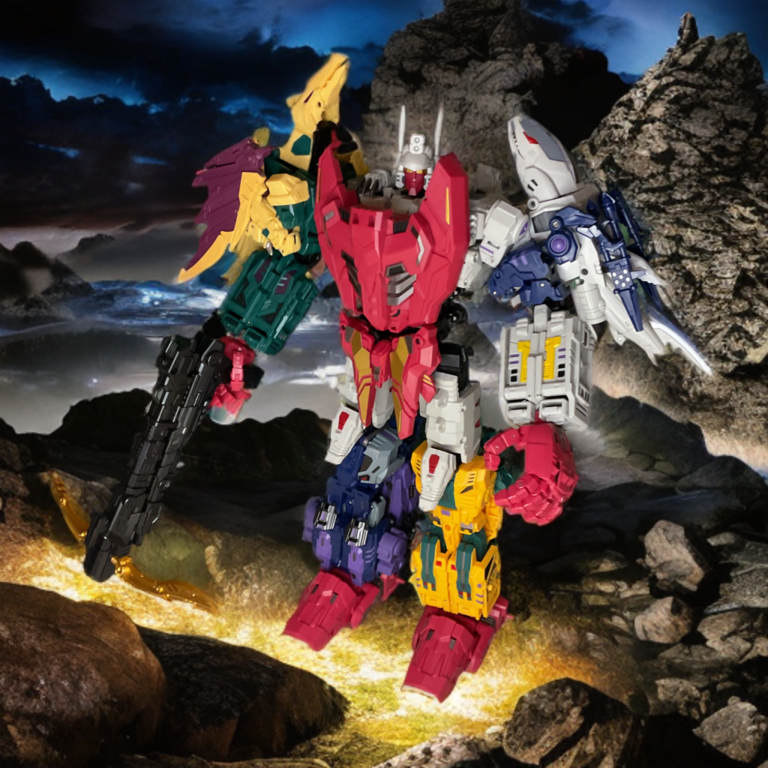
This aligns with the broader G1 portrayal: even the most dysfunctional combiner remains far stronger than individual Transformers, which is why both factions pursued the technology despite the drawbacks.
Combiner Disassembly Times Comparison
In official G1 fiction, disassembly (also called separation, disengagement, or breaking apart) refers to the process by which a combiner splits back into its individual component Transformers. Like formation, no official Tech Spec or bio provides exact measured times in seconds. Depictions rely on on-screen animation sequences and narrative context from the G1 cartoon and Marvel comics.
Overview
- Disassembly is typically shown as a rapid process, often triggered by damage, targeted attacks on coupling links/joints, overload, or voluntary command.
- It is generally faster and easier than formation in most depictions because it does not require precise alignment or mental synchronization—components simply transform and detach.
- Unstable combiners (due to personality conflicts) tend to disassemble more readily when stressed.
- Stable combiners hold together longer under duress.
- The Scramble City-style 5-bot teams generally feature standardized, quick separation sequences. Devastator’s 6-bot design and King Poseidon’s 6-bot configuration introduce slight variations.
Key examples:
- A well-placed shot to vulnerable coupling areas or joints can force immediate disassembly (e.g., Superion disrupting Devastator).
- Overwhelming force or divided attention can cause components to separate involuntarily.
- In Japanese continuity for the Seacons, an automatic timer is sometimes activated to force disassembly after a set period, preventing prolonged instability.
Disassembly Time Comparison
| Combiner | Faction | Disassembly Depiction | Relative Speed | Notes from Official Sources |
|---|---|---|---|---|
| Devastator | Decepticon | Frequently forced apart by targeted shots to joints/coupling links or overwhelming attacks; also separates voluntarily. | Fast (when damaged) / Controllable | Multiple cartoon and Marvel comic instances; 6-bot complexity can make re-formation slower afterward. |
| Superion | Autobot | Standard quick separation; shown breaking apart under heavy fire or when components are captured separately. | Fast | Clean disengagement in battles; Aerialbot mobility aids individual escape post-separation. |
| Menasor | Decepticon | Highly prone to involuntary or chaotic disassembly due to internal conflicts; easily disrupted. | Very Fast / Unreliable | Severe instability causes frequent spontaneous or easy forced separation. |
| Bruticus | Decepticon | Military discipline allows controlled separation; holds together well until significant damage. | Fast | Reliable under Combaticon coordination. |
| Defensor | Autobot | Harmonious team allows deliberate, orderly disassembly; resists forced separation better. | Fast (controlled) | Protective unity helps maintain form longer when needed. |
| Computron | Autobot | Methodical separation; can disengage precisely but may delay if over-analyzing. | Medium-Fast | Analytical nature supports controlled break-up. |
| Abominus | Decepticon | Chaotic rage can lead to abrupt or premature disassembly under stress. | Fast (unpredictable) | Savage personalities increase risk of sudden separation. |
| Predaking | Decepticon | Holds form exceptionally well; minimal involuntary disassembly shown. Disengages cleanly when commanded. | Fast (controlled) / Durable | Strong predatory unity allows sustained combination with reliable separation. |
| King Poseidon (Piranacon) | Decepticon | Includes automatic timer in some depictions to force disassembly after a period; 6-bot + weapon mode adds a step. | Medium (timed/controlled) | Japanese continuity notes timer to manage instability; extra component requires additional detachment. |
Summary of Disassembly Speed Rankin:
- Fastest / Most Readily Disassembled: Menasor and Abominus — instability makes them prone to quick, often involuntary separation.
- Balanced / Reliable: Most Scramble City teams (Superion, Bruticus, Defensor, Computron, Predaking) — standardized design supports quick, clean disengagement when needed.
- Slightly Slower / More Controlled: Devastator (extra component) and King Poseidon (timer + 6-bot setup).
- Tactical Note: In official lore, forcing an enemy combiner to disassemble mid-battle is a common Autobot strategy, while Decepticons exploit the resulting disorientation of separated components.
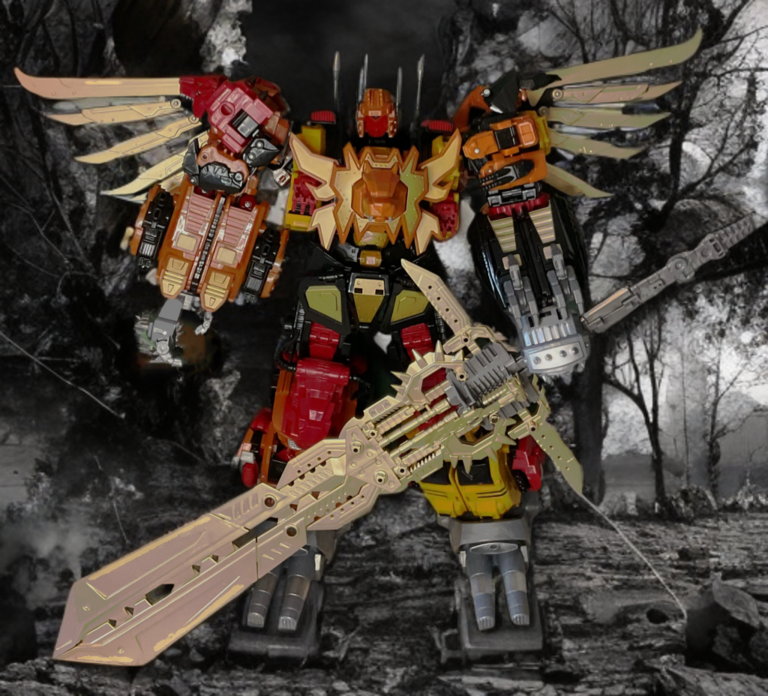
Disassembly is almost always depicted as quicker than formation, shifting the tactical emphasis to preventing forced separation through durability, stability, or overwhelming offense.
Conclusion
G1 Transformers combiners stand as some of the most iconic and visually striking creations in the entire franchise. These colossal gestalt warriors — formed through the daring fusion of multiple individual Cybertronians — deliver overwhelming scale and raw power that no single Transformer can match. In official depictions, Predaking frequently emerges as one of the mightiest due to his exceptional balance of strength, skill, flight capability, and predatory unity, while Devastator remains legendary as the pioneering combiner whose destructive capacity helped define the concept. King Poseidon (known as Piranacon in Western releases) claims the largest documented height at 20 meters (approximately 66 feet) according to Japanese Kodansha materials, giving him a clear size advantage in aquatic and heavy engagements.
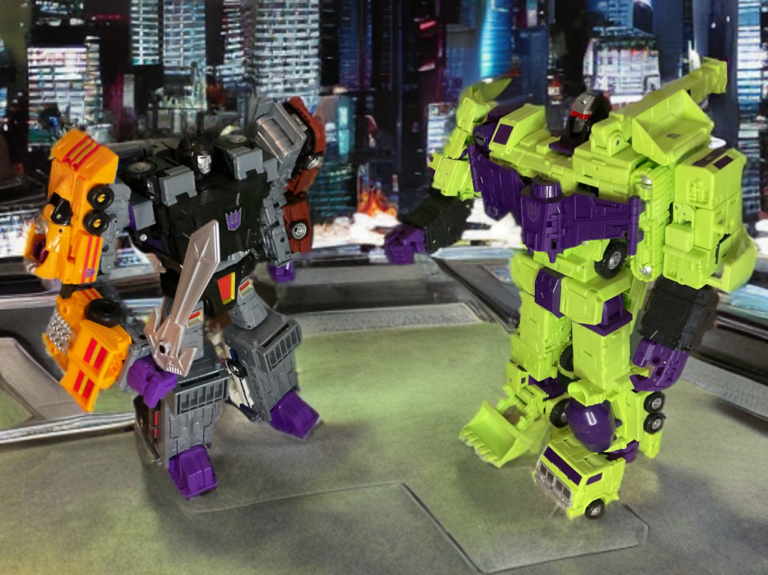
Yet every combiner’s battlefield dominance is tempered by the inherent challenges of Cybertronian combination technology. The mental merge that grants such immense power simultaneously dilutes individual intellects and risks severe stability issues. Teams plagued by personality conflicts — most notably Menasor with its violent internal rifts and Abominus with its uncontrolled savage rage — suffer from low coordination, reduced intelligence, and unpredictable behavior. Even more stable units like Bruticus grapple with limited intellect, while analytical teams such as Computron can fall victim to overthinking.
Formation times further complicate tactics: the process requires precise synchronization and is generally slower and more vulnerable for 6-bot teams like Devastator and King Poseidon, or for discordant groups like the Stunticons. In contrast, disassembly tends to occur more rapidly — often involuntarily when joints or coupling links are targeted — turning a combiner’s greatest strength into a sudden liability. Teams with strong internal harmony, such as the Predacons or Protectobots, consistently demonstrate superior formation speed, sustained stability, and controlled separation in G1 cartoon episodes and Marvel comics.
Across all metrics, the classic G1 combiners embody both the peak potential and the core risks of this experimental technology. Decepticon combiners often excel in raw offensive power and size, while Autobot counterparts emphasize defensive coordination and specialized roles. Ultimately, success on the battlefield hinges not merely on physical might or stature, but on how effectively a team mitigates the mental and logistical drawbacks of merging multiple minds into one gestalt.
For the most accurate understanding, fans should refer directly to original G1 toy Tech Specs, Sunbow cartoon episodes and scale charts, Marvel Comics bios and storylines, and Japanese sourcebooks (including Kodansha publications for details such as King Poseidon’s height). While the concept of combiners has continued to evolve through later toylines and continuities — with improvements in stability and modularity in some modern interpretations — the classic Generation 1 versions established the enduring standard and dramatic tension that still captivates audiences today.
These towering giants remain a powerful reminder that in the Transformers universe, true strength arises not just from size or firepower, but from the delicate (and often imperfect) balance of unity amid division.
 English
  Deutsch
  Français
  Português do Brasil
  日本語
日本語  Español
  English (Australia)