

Brody vs Luger Cage Disaster: Wrestling’s Worst No-Sell Exposed
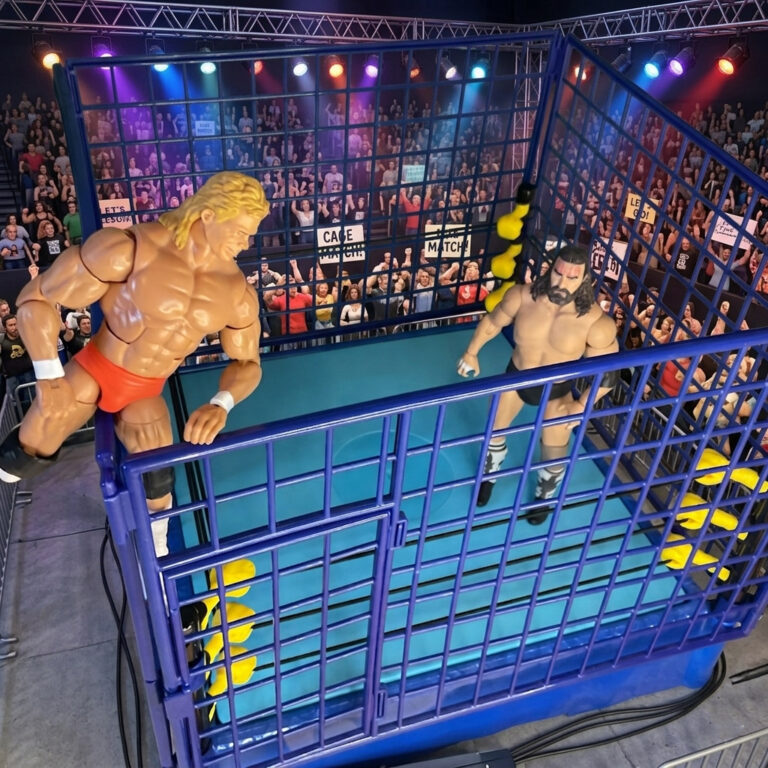
On January 21, 1987, at the War Memorial Auditorium in Fort Lauderdale, Florida, a steel cage match in Championship Wrestling from Florida (CWF) between Bruiser Brody and Lex Luger descended into one of professional wrestling’s most notorious disasters. What began as a standard main-event attraction—a clash between a grizzled veteran heel and the territory’s rising muscular babyface—unraveled when Brody ceased cooperating mid-match. Luger, still relatively inexperienced, improvised a disqualification finish by shoving referee Bill Alfonso and climbing over the cage to escape.
This incident encapsulated the tensions of the late territorial era: old-school hard-nosed wrestlers protecting their craft and image against the influx of physique-driven stars positioned for national pushes amid the decline of regional promotions. It highlighted Brody’s reputation for volatility and independence, Luger’s greenness despite his rapid rise, and the fragile economics and politics of a territory on its last legs.
Introduction
The Brody-Luger cage match was a breakdown in the unwritten code of cooperation that sustained pro wrestling, not a legitimate brawl but a deliberate no-sell and refusal to perform. It reflected broader industry shifts as territories like CWF faded against national expansions. Neither man’s career was destroyed—Luger achieved national stardom, Brody continued his nomadic path until his 1988 death—but it became a legendary cautionary tale about respect, egos, and trust in the ring. The event survives through fan footage and shoot interviews as a raw glimpse into 1980s wrestling realities.
Background: Championship Wrestling from Florida – A Storied Territory in Decline
Championship Wrestling from Florida (CWF), also known as NWA Florida, traced its roots to 1949 under founder “Cowboy” Clarence Preston Luttrall. Eddie Graham bought into the promotion in 1961 and took full control in 1971 as Luttrall’s health declined. Headquartered in Tampa, CWF became one of the National Wrestling Alliance’s premier territories, known for innovative storytelling, strong television presence, and developing talent.
Under Graham, CWF thrived with stars like Dusty Rhodes (whose babyface turn in 1974 against Pak Song became iconic), the Brisco Brothers, Wahoo McDaniel, Kevin Sullivan and his Army of Darkness, Mike Graham, Barry Windham, and many others. Legendary announcer Gordon Solie provided deadpan credibility to even the wildest angles. Events spanned cities like Tampa, Miami, Orlando, Jacksonville, Fort Lauderdale, and St. Petersburg, often at venues such as the Tampa Sportatorium (a small TV studio with arena footage integrated) and larger arenas.
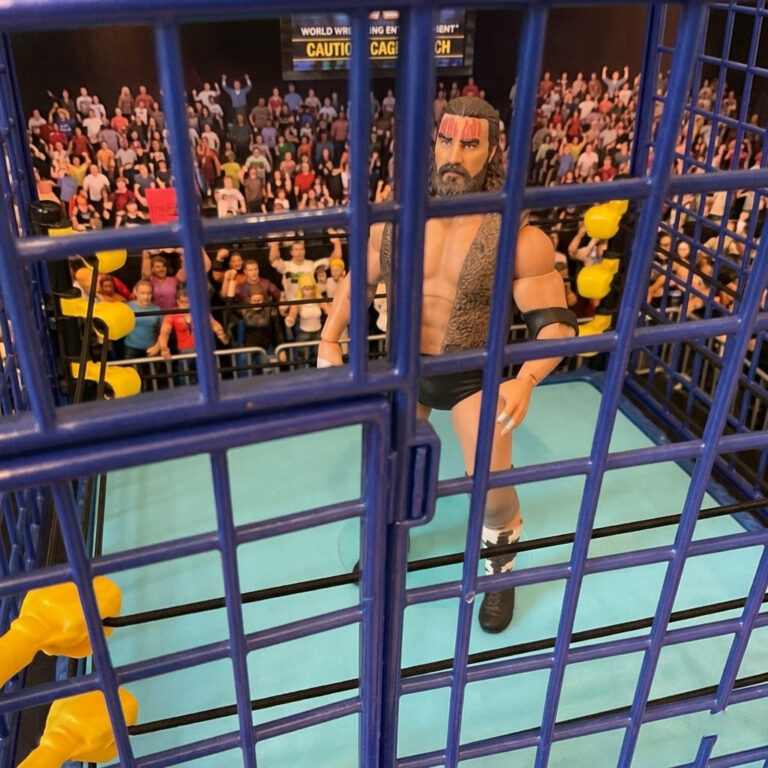
CWF produced or featured future legends and drew consistent crowds in the 1970s. Feuds like Dusty Rhodes vs. Kevin Sullivan mixed family drama, occult elements, and bloody stipulations. The promotion competed successfully against syndicated programming on Saturday nights. Graham served as NWA president twice, underscoring its influence.
Eddie Graham’s suicide on January 25, 1985 (Super Bowl Sunday), due to personal and business pressures, marked a turning point. Ownership shifted to Hiro Matsuda (Luger’s trainer) and Duke Keomuka, with involvement from Mike Graham, Skip Gossett, Dusty Rhodes, and Buddy Colt. The territory struggled financially as national promotions—Vince McMahon’s WWF and Jim Crockett Promotions (JCP)—expanded aggressively, poaching talent and eroding regional boundaries.
By 1986-1987, CWF was in steep decline. Talent drained to JCP’s expanding TBS programming or WWF. The promotion merged operations with JCP in February 1987, continuing briefly as a subsidiary. Its final card came on November 14, 1987, in Sarasota’s Robarts Arena, with Barry Windham vs. Dory Funk Jr. in the main event. An Eddie Graham Memorial Show occurred on May 9, 1987, in St. Petersburg.
CWF’s television and house shows remained active into early 1987, featuring a mix of remaining veterans, young talent, and touring attractions. Steel cage matches were premium attractions for settling feuds, emphasizing confinement and high stakes in an era before widespread use of tables, ladders, and chairs.
Bruiser Brody in Florida and His Reputation
Frank Donald Goodish (Bruiser Brody, born June 18, 1946) had a long, sporadic history with Florida. He worked there in the 1970s under his real name or as Frank Goodish, winning the NWA Florida title briefly. By the mid-1980s, he was a global freelancer famous for brutal matches in WCCW, AWA, Japan (with Stan Hansen as the “Intelligent Monster”), and elsewhere. His style—hard-hitting brawls, heavy bleeding, and intense presence—made him a draw but also unpredictable.
Brody was protective of his booking and image. He rarely did clean jobs, moved territories frequently without always “doing the honors,” and had a reputation for taking liberties or refusing to cooperate if disrespected. Insiders described him as legitimately tough, quick to fight if provoked, and someone who looked out for himself in a business with often-exploitative promoters.
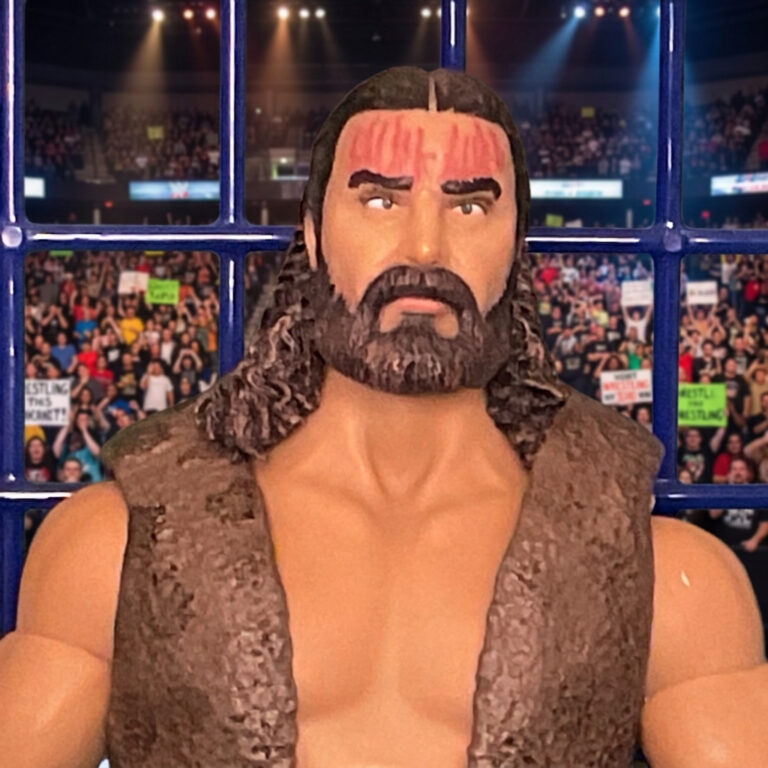
In early 1987, Brody appeared in CWF as a special attraction. His presence added credibility to a struggling territory. Accounts suggest he may have been unhappy with aspects of the booking or pay, common grievances for freelancers.
Lex Luger’s Rapid Rise in CWF
Lawrence Pfohl (Lex Luger, born June 2, 1958) entered wrestling late after football and bodybuilding. Trained by Hiro Matsuda in Florida (Matsuda famously broke Hulk Hogan’s leg in training), Luger debuted in September 1985 in CWF. He started as a heel managed by Percy Pringle (Paul Bearer) and others, adopting the Lex Luthor-inspired name.
Luger won the NWA Florida Southern Heavyweight Championship from Wahoo McDaniel in November 1985 and held it multiple times. He had a 60-minute draw with Ric Flair at Battle of the Belts II (February 14, 1986, Orlando). By late 1986, he turned babyface and became CWF’s top star—pushed heavily for his physique and charisma despite limited ring experience.
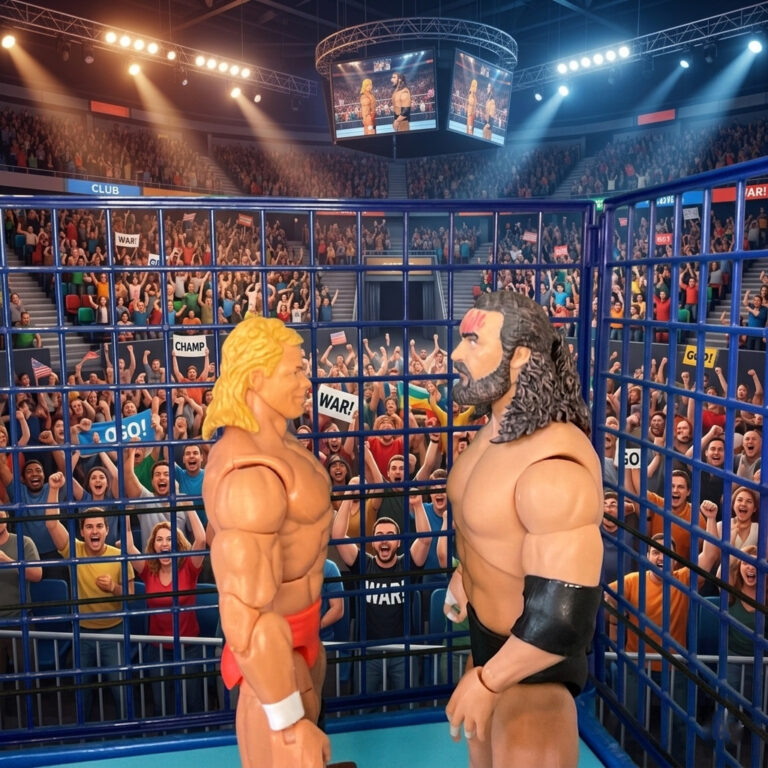
Luger’s inexperience (about 16 months by January 1987) made him “green” to veterans. He was reportedly hand-picked opponents early and protected. With a JCP deal signed, he was on his way out for national exposure, which may have fueled resentment among some old-school hands who saw him as entitled or departing without paying dues.
The Build-Up and Locker Room Tension
Specific feud details were localized to CWF programming, not heavily national. Luger, as the top babyface, needed a strong heel opponent for his send-off. Brody provided star power and menace. Pre-match, Luger reportedly tried to discuss and plan the match in detail with Brody, a veteran who preferred calling spots in the ring. This breach of etiquette— a rookie dictating to a respected veteran—allegedly irritated Brody.
Additional factors included Luger’s impending departure, perceived arrogance (or confidence as he moved up), and possible encouragement from backstage veterans. Some accounts note Brody’s dissatisfaction with both men working as babyfaces in different territories or general frustration with the situation. Ted DiBiase Sr. later recalled Brody taking exception to Luger’s attitude and failure to earn full locker room respect.
What Happened During the Match
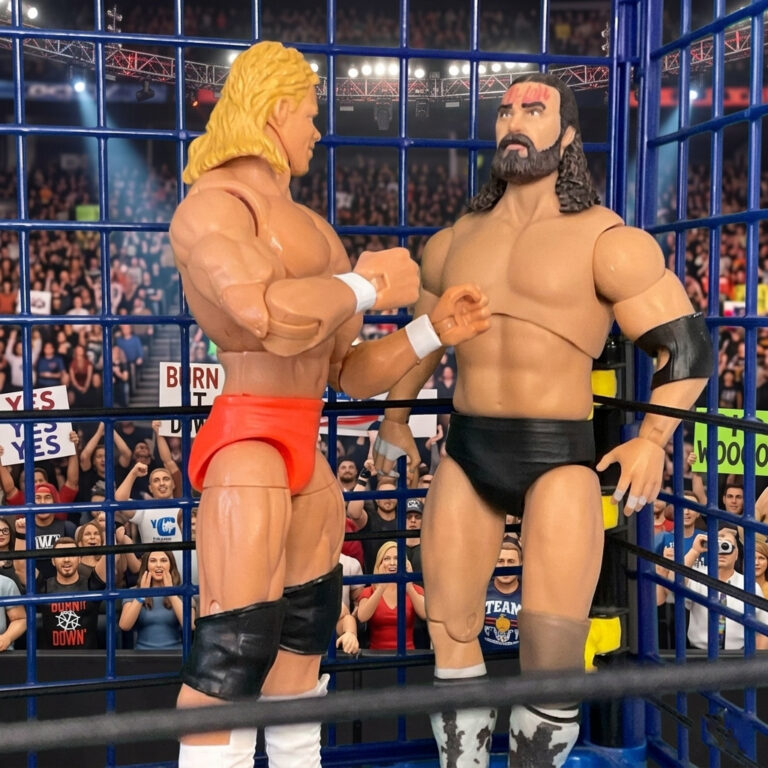
The match started routinely with lock-ups, Brody’s clubbing forearms establishing heel control, and basic cage spots. Around the three-minute mark, after throws into the cage walls, cooperation broke down. Brody stopped selling effectively—no reactions to punches or offense, standing detached or unresponsive.
Luger appeared confused and panicked. He consulted referee Bill Alfonso, who initially advised following Brody’s lead. As no-selling continued, Luger attempted comebacks that met no response. Brody delivered some controlling, legitimate-feeling moves. Witnesses described Brody as unpresent, not violently aggressive but simply refusing to “work.”
Luger and Alfonso improvised: Luger shoved the referee for a DQ. With the cage door slow or unwilling to wait, Luger climbed over the top and fled up the aisle. The match was short, awkward, and far from the expected brawl. Some reports mention Brody with razor blades taped (standard for blading), adding to Luger’s concern.
| Performer | In-Ring Actions & Incident Catalyst | The Underlying Industry Motivation |
|---|---|---|
| Bruiser Brody (The Veteran) | Completely stopped cooperating three minutes into the cage match. Refused to sell Luger's punches, stood entirely detached, and stared out into the audience without responding to spots. | Deeply fiercely protective of his legendary "Intelligent Monster" image. Strongly resented an inexperienced rookie attempting to script a veteran's work, especially since Luger was exiting the territory. |
| Lex Luger (The Rising Star) | Panicked and grew confused by the sudden wall of zero cooperation. Improvised a disqualification finish by shoving referee Bill Alfonso, then climbed the cage and fled the building entirely. | Represented the incoming national era of bodybuilder aesthetics over old-school in-ring dues. Backed by corporate promoters, he lacked the deep territory experience needed to handle a shooting veteran. |
Immediate Aftermath
Luger reportedly left quickly—some say without showering, driving back to Tampa—though he claimed he approached Brody afterward. Brody was reportedly calm, explaining it “just wasn’t working” due to territorial alignments or other issues, and told Luger not to worry. Luger apologized, fearing he had offended the veteran.
Backstage reactions varied. Barry Windham noted Brody’s personality and possible dislike of the “pretty boy” Luger. David Penzer heard accounts of Luger acting arrogant in his final weeks, with some egging Brody on. Promoter dissatisfaction was likely, but the territory’s instability limited fallout. The match was photographed and appeared in magazines like Gold Belt Wrestling.
Broader Industry Context and Legacy
The incident occurred as CWF merged with JCP. Luger debuted on JCP TV shortly after (January 17, 1987) and rose quickly, joining the Four Horsemen and challenging for titles. Brody continued freelancing, including in Puerto Rico, until his tragic stabbing death in 1988.
The match endures via fan video as a prime example of a “worked shoot” breakdown. It illustrates generational clashes: Brody embodying territorial independence and respect hierarchies, Luger the new look-and-charisma model. Shoot interviews from Luger, Alfonso, and others cemented its lore. While not the most violent, its surreal awkwardness and visibility in a transitioning industry make it one of the most discussed disasters.
Additional Territory Context: Key 1986-1987 Elements
In 1986, CWF ran events like Battle of the Belts III (September 1, Daytona Beach). Rosters included Barry Windham, Mike Rotunda, Arn Anderson (during overlaps), Bad News Allen, Dory Funk Jr., and others alongside Luger. Kevin Sullivan’s dark angles persisted. By 1987, with the merger looming, cards mixed remaining locals, JCP talent crossovers, and independents. The War Memorial Auditorium hosted regular shows, fitting the cage match’s scale.
CWF’s tape library later went to WWE, and the name was revived for developmental (FCW/NXT), but the original territory’s closure marked the end of an era. The Brody-Luger match, in this fragile context, symbolized the old ways clashing with the new amid economic pressure.
The Roots of Rebellion
A corporate and psychological breakdown of professional wrestling's ultimate structural breakdown
Locker Room Resentment
Luger was highly perceived backstage as an entitled, heavily protected rookie walking out to a lucrative national Jim Crockett Promotions deal without fully paying his territorial dues.
Etiquette Violations
Attempting to map out every explicit step of a steel cage match beforehand heavily offended Brody, an elite traditional veteran who ran his programs exclusively via active ring intuition.
The Crumbling System
As regional systems crashed beneath Vince McMahon's national expansion, independent contractors like Brody weaponized their uncooperative star power to maintain complete leverage over desperate local promoters.
The Fear of Reality
Knowing Brody's authentic reputation for violent unpredictability and spotting loose razor blades taped to his hands caused Luger to immediately select real survival over preserving the match script.
 English
  Deutsch
  Français
  Português do Brasil
  日本語
日本語  Español
  English (Australia)