

Sid Vicious: The Man Who (Should Have) Ruled the World – And Why It All Went Wrong
Sid Eudy, better known by his ring names Sid Vicious, Sid Justice, and Sycho Sid, was one of professional wrestling’s most physically imposing and enigmatic figures of the 1990s. Standing 6’9” with a chiseled physique, piercing stare, and a presence that commanded attention, Sid possessed the prototypical look of a world champion. Promoters pushed him hard across WCW and WWF, billing him as “The Master and Ruler of the World” and positioning him for sustained main-event dominance. He captured multiple world titles—two in WWF and two in WCW—and headlined major events like WrestleMania and Starrcade.
Yet, despite the massive pushes, Sid never became the long-term, defining champion many expected. His career was marked by short, explosive runs punctuated by abrupt departures, backstage incidents, injuries, and personal choices. What began as a rocket-like ascent devolved into a series of missed opportunities and “what ifs.” This article explores why Sid was positioned to rule the wrestling world, the factors that derailed that trajectory, and the lasting legacy of a man who had all the tools but couldn’t quite put it all together.
Early Career and the Building of a Monster in WCW
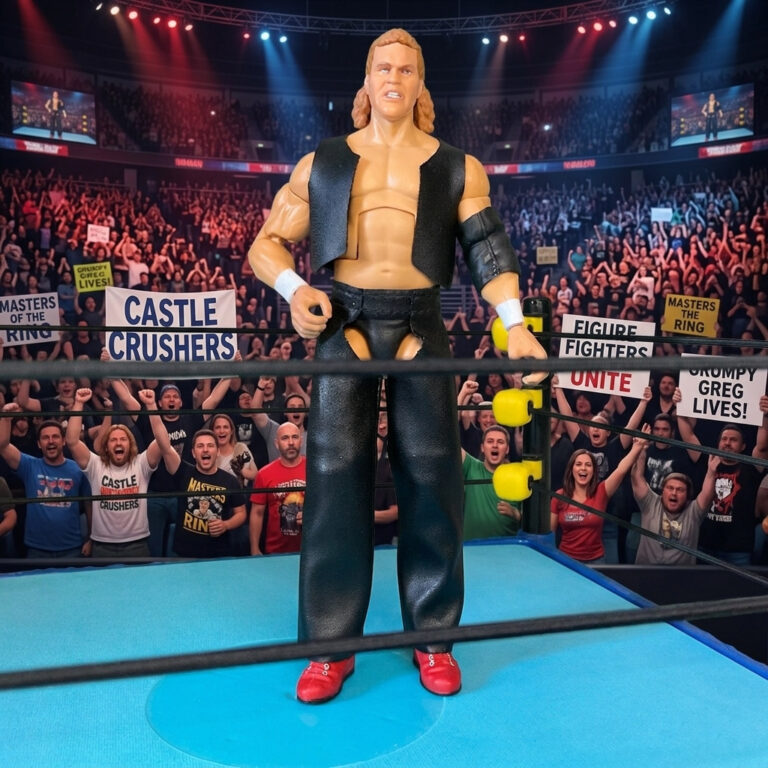
Sid Eudy broke into the business in the late 1980s after training under Tojo Yamamoto. His early work in Memphis and other territories showcased raw power and charisma that caught the eye of bigger promotions. In 1989, he debuted in WCW (then NWA) as Sid Vicious, quickly aligning with the Four Horsemen alongside Ric Flair, Arn Anderson, and Barry Windham.
The Horsemen stable provided instant credibility. Sid’s size made him a natural enforcer, and his intense promos—delivered in a snarling, unpredictable style—generated strong reactions. Feuds with Sting and others highlighted his ability to main event and draw interest. By 1990-1991, WCW saw him as a future cornerstone. Plans were reportedly in motion for Sid to challenge for the world title, with slogans like “Who’s the Man?” vs. “Who Rules the World?” teasing a Starrcade showdown against Vader.
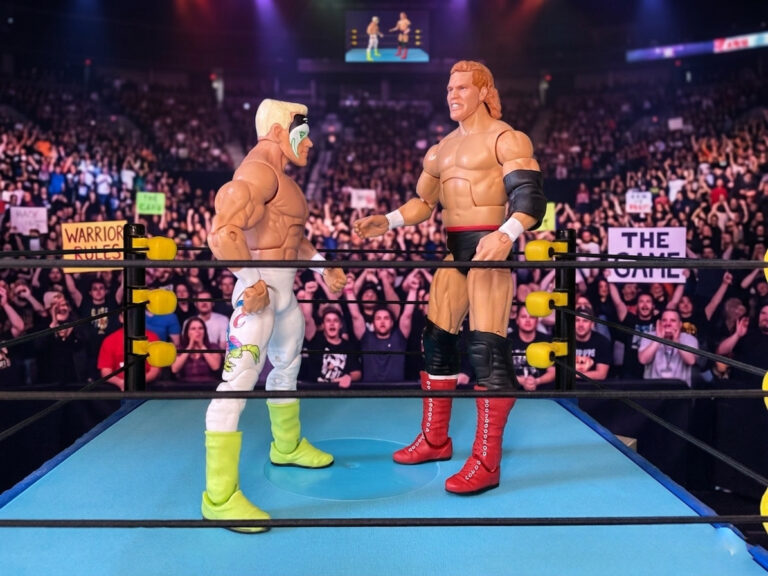
His look and intensity fit the era’s larger-than-life stars. Promoters loved big men who could project dominance with minimal in-ring complexity. Sid’s power moves, especially the powerbomb, looked devastating. This period established him as a star on the rise, setting the stage for bigger opportunities.
The Jump to WWF and Immediate Main Event Push
In 1991, Sid left WCW for the WWF, lured by promises of a major world title run. Vince McMahon saw him as the next big thing to counter WCW and build around. As Sid Justice, he was inserted into high-profile storylines almost immediately, feuding with Hulk Hogan and others. His 1992 run positioned him as a top heel, culminating in a WrestleMania VIII main event slot (though he was in the co-main event picture).
Sid won the WWF Championship for the first time in 1996 as Sycho Sid, defeating Shawn Michaels at Survivor Series in a memorable match. He captured it again shortly after. These reigns validated the earlier pushes: Sid could headline, sell tickets, and project menace. His “Psycho” gimmick amplified his unpredictable persona, complete with erratic behavior and intense facial expressions that connected with audiences.
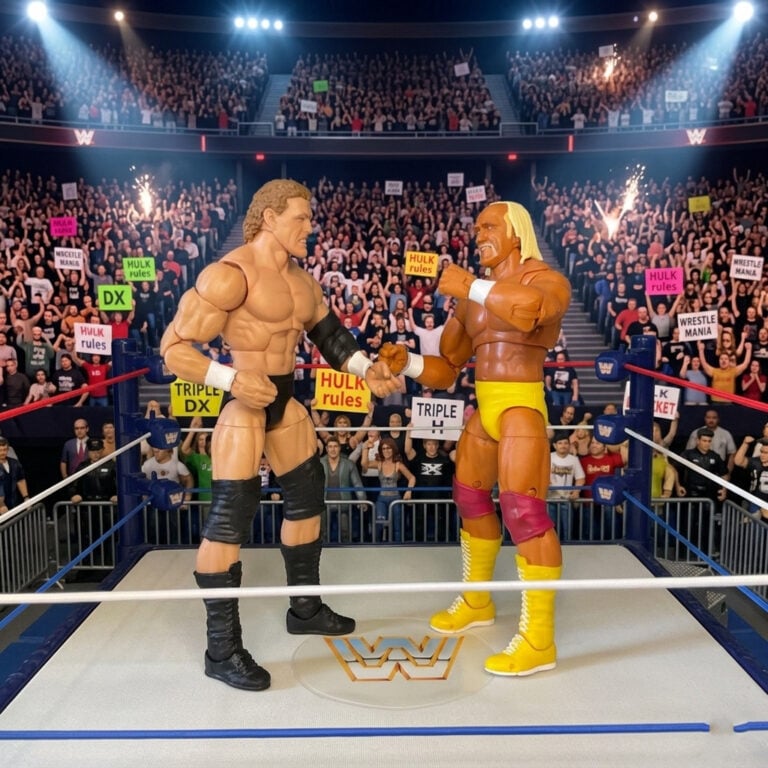
The reasons for these pushes were clear: exceptional size, natural heel heat, and marketability. In an era transitioning from cartoonish heroes to edgier characters, Sid’s look and intensity filled a gap left by departing stars.
| Core Dynamic | The Built-to-Rule Asset | The Self-Sabotage Liability |
|---|---|---|
| The Look & Aura | Standing 6'9" with a shredded, chiseled bodybuilder physique. Possessed intense, wild facial expressions that gave him immediate marketability and unmatched monster presence. | In-ring limitations meant heavy reliance on rest holds, minimal selling, and simple power moves. His clunky workrate drew heavy criticism and limited long-term, carrying capability. |
| Backstage Value | Vince McMahon and WCW promoters routinely viewed him as a generational draw. Handed him 4 World Championship reigns and major main-event slots (WrestleMania, Starrcade). | Extremely volatile temperament. Frequently walked out over creative disputes, failed drug screenings, and was fired after the violent 1993 hotel room incident with Arn Anderson. |
| Fan Investment | Maintained an electric connection with live crowds. His erratic, unpredictable "Sycho Sid" mannerisms and devastating powerbomb execution created an indelible cult status. | Never stayed in any major promotion for more than two consecutive years. His transient nature kept him from ever becoming the focal franchise pillar like Hogan, Flair, or Austin. |
Why It Started to Go Wrong: In-Ring Limitations and Workrate Criticism
Despite the physical gifts, Sid’s in-ring work drew consistent criticism. Matches often relied on rest holds, basic power spots, and minimal selling. Critics and peers noted his limited move set and occasional stiffness. While big men like Vader or Yokozuna had distinct styles and athleticism for their size, Sid’s performances were frequently labeled clunky or “worst match” candidates.
This wasn’t fatal in the 1990s—many champions weren’t technical wizards—but it limited his ability to have consistent classics. Fans and wrestlers respected his presence, but the lack of polish meant he couldn’t carry lengthy programs as effectively as top stars. Promoters overlooked it initially for the draw factor, but it contributed to fatigue in his pushes.
Backstage Issues, Attitude Problems, and Abrupt Departures
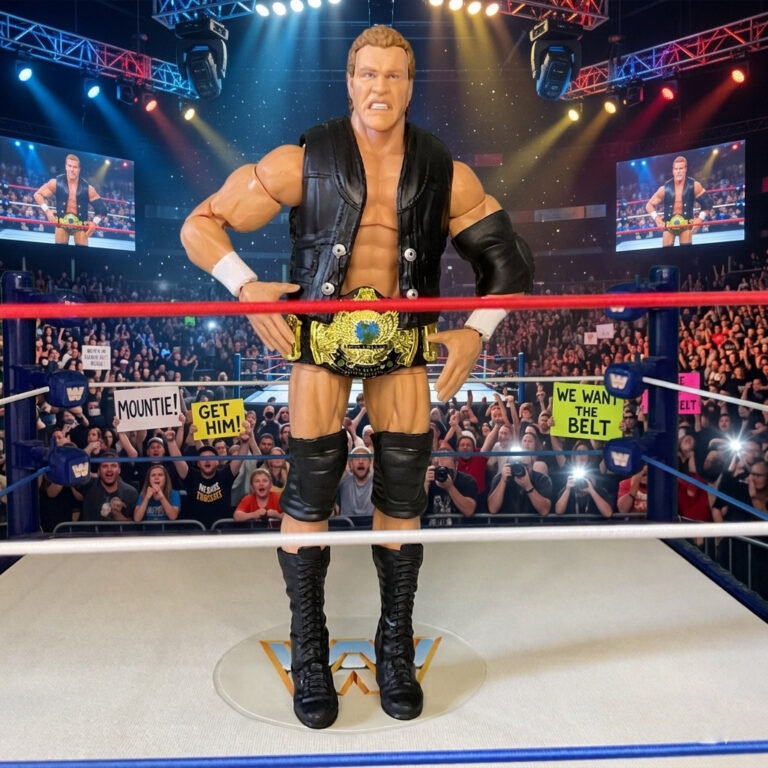
Sid’s career was plagued by volatility. In WWF, he quit after a 1992 house show disagreement with Ultimate Warrior. Sid objected to Warrior kicking out of his powerbomb, feeling it weakened his finisher, and was unhappy with pay structure amid shrinking gates.
His WCW return in 1993 ended explosively after a real-life stabbing incident with Arn Anderson in a hotel room (both men were hospitalized; Sid was fired). Later runs saw similar patterns: strong starts followed by exits due to creative differences, injuries, or personal reasons. He was accused of attitude problems, failing drug tests in some accounts, and not being a “company guy.”
These incidents prevented sustained momentum. Wrestling success often requires politics navigation and reliability—areas where Sid struggled. Short tenures (rarely over two years per promotion) meant he never built the long-term fan investment of Hogan, Flair, or Austin.
The Devastating 2001 Injury and Later Years
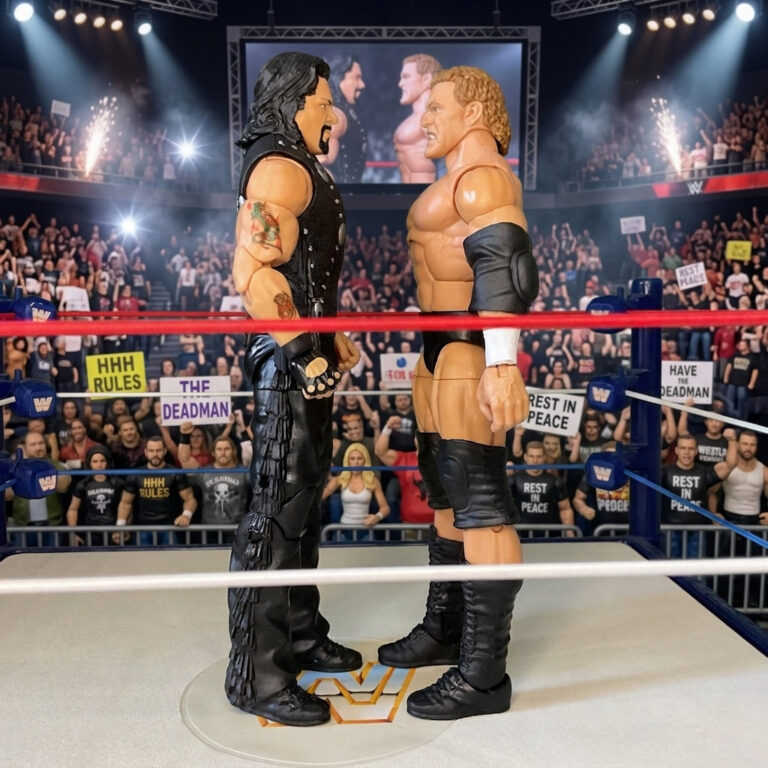
In January 2001 at WCW Sin, Sid suffered a gruesome compound fracture of his left leg (tibia and fibula) after a top-rope move gone wrong against Kevin Nash. The injury was horrifying and effectively ended his prime. He sued WCW, took time off, and returned sporadically on the independents and a brief 2012 WWE run.
This physical toll compounded earlier issues. Sid had dealt with other injuries (including a broken back rumor in one title reign), limiting his consistency. Post-injury, the “Ruler of the World” aura faded into nostalgia acts.
Personal Life, Choices, and the “Sid Factor”
Ultimately, many observers point to Sid himself as the biggest obstacle. Articles and retrospectives suggest he could have been an all-time great with more dedication to in-ring improvement, better backstage diplomacy, and focus. His cult following persists because of charisma and memorable moments, but self-sabotage—quitting over creative disputes, attitude reports—prevented GOAT status.
The 1990s wrestling landscape was cutthroat. As the Monday Night Wars intensified, promotions favored reliable draws. Sid’s drifter nature across promotions, while allowing fresh starts, prevented him from becoming a defining franchise player.
Legacy: A Cult Icon Despite the Shortcomings
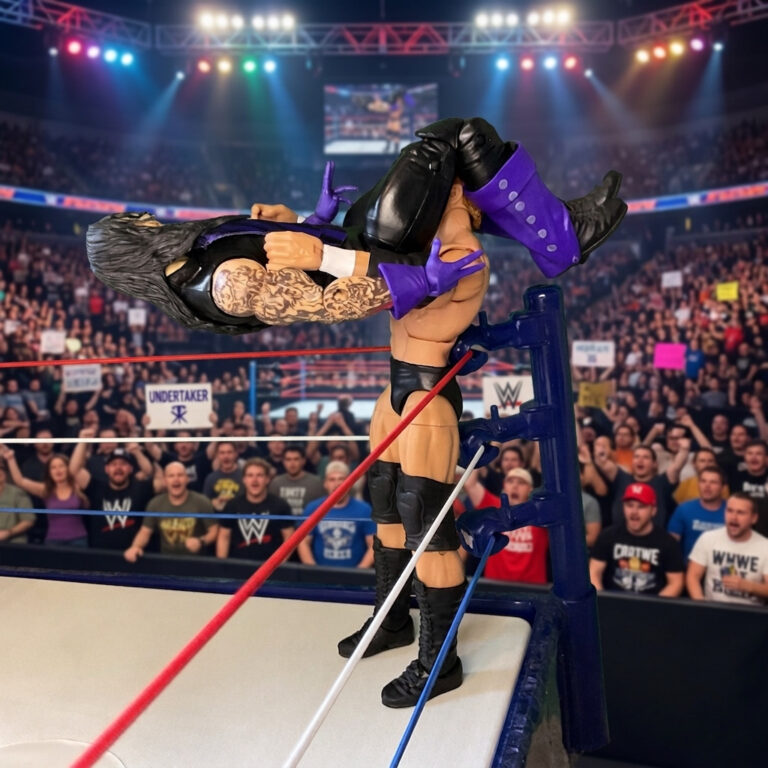
Sid Vicious remains a fascinating “what if.” He achieved significant success—multiple world titles, WrestleMania main events, and iconic promos—yet fell short of his potential. Fans remember the powerbombs, the snarls, and the larger-than-life presence more than the botches or exits. In modern retrospectives, he’s defended as a product of his era: a big man pushed on look and intensity when workrate wasn’t always king.
His story serves as a cautionary tale about talent versus temperament in wrestling. Sid ruled in short bursts, but the throne was never fully his for long.
Why the Empire Crumbled
A structural autopsy of a main-event run built on absolute power and zero stability
Workrate Exhaustion
As the 1990s evolved past the classic cartoon era, crowds demanded longer, more technical main events. Sid's inability to deliver varied, multi-layered matches caused rapid audience fatigue during his championship runs.
The Bridge-Burning Habit
Sid regularly put personal short-term disputes over corporate empire-building. Walking out mid-program over pay structures or finish disputes (like the Ultimate Warrior powerbomb issue) severely damaged his administrative trust.
The Drifter Mentality
By constantly bouncing back and forth between WCW and the WWF every 12 to 24 months, he failed to anchor himself as the core "franchise player" of either side during the critical peaks of the Monday Night Wars.
The Fatal 2001 Spot
Already managing structural physical wear, the horrifying compound leg fracture at WCW Sin in 2001 instantly shattered his athletic prime, turning a legendary world title attraction into a legacy nostalgia act.
Conclusion
Sid Vicious was built to rule the wrestling world because of his unmatched physical presence, natural intensity, and promoter faith in big-man charisma during a golden era for larger-than-life stars. He delivered on many promises with title reigns and memorable feuds. Yet it all went wrong due to a combination of in-ring limitations, backstage volatility, abrupt departures, real-life incidents, and career-altering injuries—exacerbated by personal choices that prioritized short-term principles over long-term empire-building.
In the end, Sid’s legacy is that of a compelling enigma: the man who should have ruled but instead became a beloved cult figure whose highlights still excite fans decades later. Wrestling is full of “could have beens,” and Sid stands tall among them—literally and figuratively—as proof that even monsters with the world in their grasp can watch it slip away. His story reminds us that in this business, talent opens the door, but dedication and stability keep it open.
Recommended reading: The Greatness That Was Big John Studd: A Towering Legend in Wrestling History


 English
  Deutsch
  Français
  Português do Brasil
  日本語
日本語  Español
  English (Australia)