

West Coast Avengers: The Dysfunctional Family That Saved LA
When people talk about the Avengers, they usually mean the East Coast squad—the one with Captain America brooding on a rooftop while Thor and Iron Man argue about who gets to carry the bigger hammer. Meanwhile, three thousand miles away in Los Angeles, a completely different team was busy proving that yes, you can assemble a superhero team that feels like a reality show nobody asked for but everyone secretly watched.
Launched in 1984 by Roger Stern and Bob Hall in the four-issue limited series West Coast Avengers #1–4 (later retitled Avengers West Coast with issue #48), the team was Hawkeye’s midlife crisis made manifest. Tired of playing second fiddle in New York, Clint Barton decided California needed its own Avengers Compound—preferably with a pool, better weather, and zero lectures from Steve Rogers. What followed was a decade of marital arts drama, multiple nervous breakdowns, costume changes nobody understood, and some legitimately great comics buried under the chaos.
This is the story of the roster that somehow included a circus archer turned leader, his ex-S.H.I.E.L.D. agent wife, a feline werewoman with commitment issues, a billionaire in a red-and-silver midlife-crisis suit, a paranoid vigilante who talks to an Egyptian moon god, a synthezoid having the world’s slowest existential crisis, a witch slowly losing her grip on reality, a disgraced Captain America knockoff, a second billionaire who decided “more guns” was a personality, and poor Hank Pym just trying to do science without anyone mentioning ants.
Buckle up. These are the West Coast Avengers you actually own on your shelf.
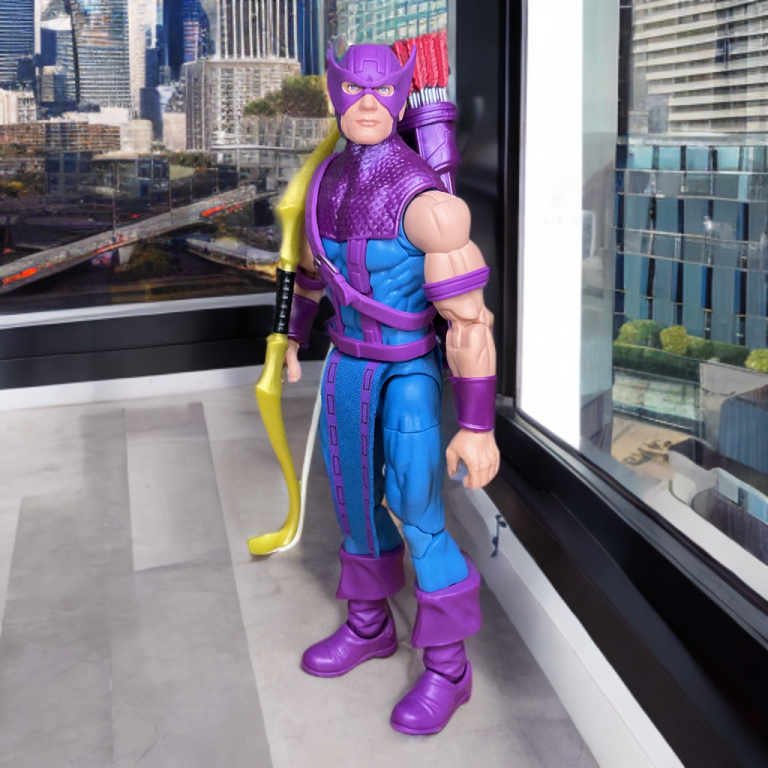
Hawkeye: The Leader Nobody Expected (Including Hawkeye)
Clint Barton has one of the best origin stories in Marvel: former carnie, trained by Swordsman and Trick Shot, briefly a criminal, reformed by Black Widow, joined the Avengers because Iron Man was injured and they were desperate. By 1984 he’d already quit the team twice, dated three teammates, and worn a skirt in public (long story). When the Vision—then chairman of the East Coast Avengers—offered him a chance to lead a second team, Hawkeye leapt at it the way only someone with zero leadership experience can.
From West Coast Avengers #1 onward, Clint’s entire arc is “imposter syndrome in purple.” He constantly second-guesses himself, argues with his wife, gets captured approximately once per year, and still somehow keeps the team together through sheer stubbornness.
Highlights include:
• Getting shot in the chest three times in the first year alone (he gets better).
• Temporarily quitting to become a vigilante in a hoodie because leadership was too hard.
• The infamous “Hawkeye punches a judge” moment in Solo Avengers (yes, really).
• Inventing the Sky-Cycle because walking is for quitters.
Clint Barton on the West Coast is the ultimate proof that you don’t need superpowers, money, or emotional stability to lead an Avengers team—just really good aim and the ability to guilt-trip billionaires into funding your compound.
Mockingbird: The Wife Who Could Kill You and Bake You Cookies
Bobbi Morse, Ph.D. in biology, former S.H.I.E.L.D. Agent Level 7, creator of the Super-Soldier serum variant that turned a random cowboy into USAgent, and—most importantly—Hawkeye’s long-suffering wife. Mockingbird joined the team the same day it formed because someone needed to make sure Clint didn’t accidentally declare war on the LAPD.
Bobbi’s run is a masterclass in “strong female character done right in the 1980s.” She’s smarter than everyone in the room, hits harder than most of them, and still finds time to roast her husband on a daily basis. Her battle staves remain one of the coolest signature weapons nobody cosplays correctly.
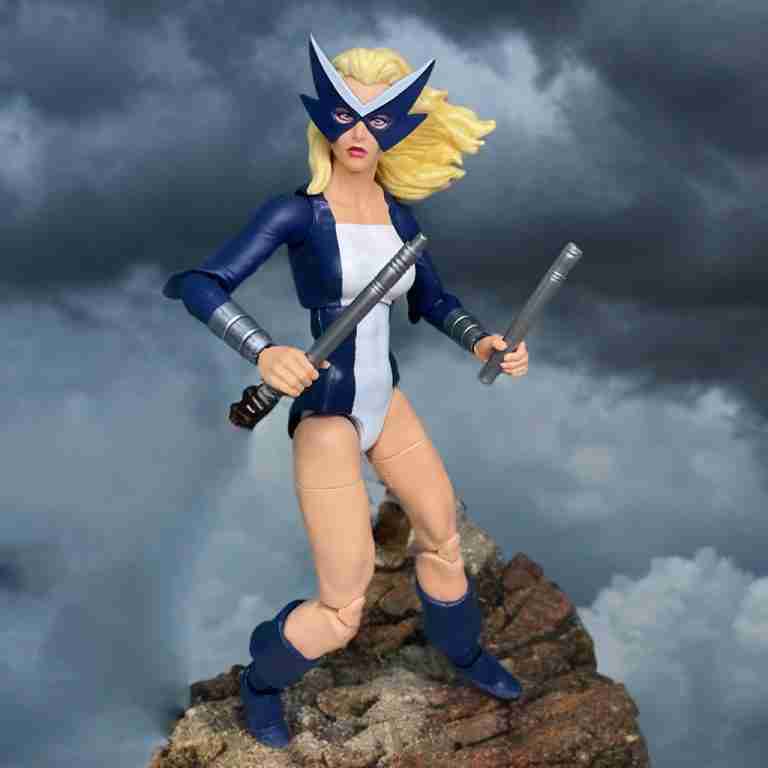
The couple’s marriage provided roughly 60% of the book’s drama. They separate, reconcile, separate again, get kidnapped by Bobbi’s evil ex (Phantom Rider, long story), Bobbi lets the guy fall off a cliff, Clint is mad about the whole “murder” thing, therapy apparently isn’t covered by Avengers insurance. Yet somehow they’re still one of Marvel’s healthiest on-again-off-again relationships.
Spider-Woman (Julia Carpenter): The Member Everyone Forgets
Julia Carpenter joined in West Coast Avengers #1 and spent most of the next 70 issues reminding readers she existed. Possessing flight, bio-electric “venom blasts,” wall-crawling, and pheromone powers that apparently work on absolutely nobody on the team, Spider-Woman was the ultimate “cool powers, zero plotlines” member.
Her biggest moments:
• Dating Tigra’s ex, which caused exactly one panel of tension.
• Getting possessed by a demon at one point (don’t ask).
• Quietly leaving the team in Avengers West Coast #70 with no fanfare.
Julia Carpenteron the West Coast is what happens when you have a great solo character and then put her on a team book where the writer forgets she’s not Jessica Drew.

Tigra: Feline Chaos in a Bikini
Greer Grant Nelson, former Cat, current Tigra, holder of the Cat-Head amulet, and perpetual “will they/won’t they” with half the Marvel Universe. Tigra joined in the limited series and immediately established herself as the team’s id—impulsive, flirty, occasionally feral.
Her highlights are… numerous:
• The time she went full cat and attacked Wonder Man.
• Dating a civilian who turned out to be a Skrull (classic).
• Getting pregnant by a Skrull (less classic).
• The infamous “Tigra gets mind-controlled and beats the crap out of the entire team” arc in Byrne’s run.
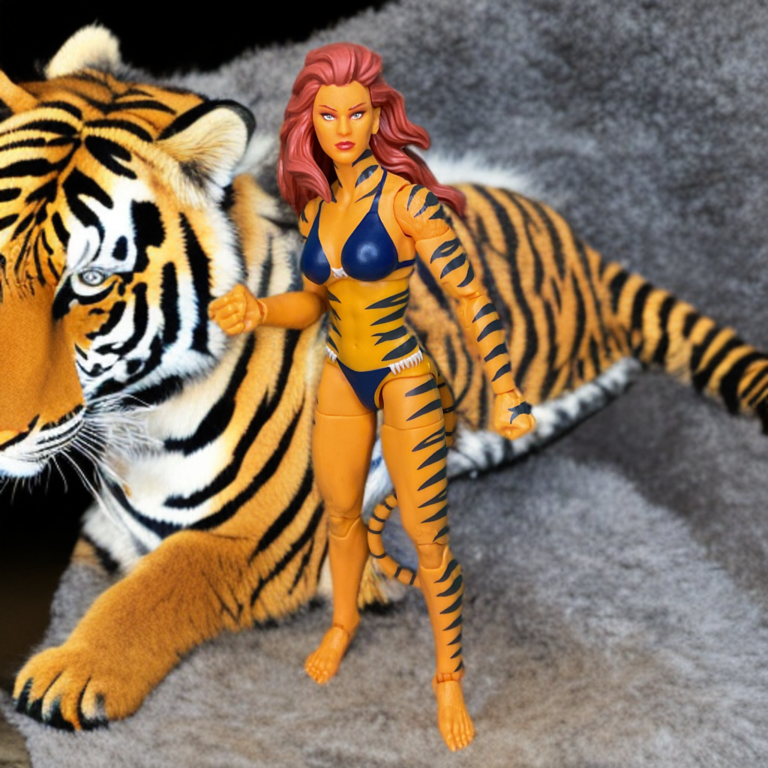
Tigra on the West Coast is chaotic neutral in orange stripes and somehow still more emotionally stable than half the roster.
Wonder Man: The Hollywood Heavy Hitter Who Actually Shows Up
Simon Williams—failed industrialist, “deceased” for years, revived ionic powerhouse, aspiring actor, and perpetual sufferer of imposter syndrome—joined the West Coast Avengers as a founding member in the 1984 limited series. Already living in LA chasing stunt work and bit parts (because invulnerability is great for action scenes), Simon was an easy recruit for Hawkeye’s California expansion. He brought raw strength rivaling Thor, flight, energy blasts, and the kind of brooding that makes Vision look cheerful.
On the West Coast, Wonder Man was the reliable muscle who juggled heroics with auditions, often questioning if he truly belonged among Earth’s Mightiest. His ionic nature tied him deeply to team drama: his brain patterns formed the basis for Vision’s mind, making every synthezoid crisis feel personal. He also had a complicated thing for Scarlet Witch (long story involving death, resurrection, and emotional baggage).
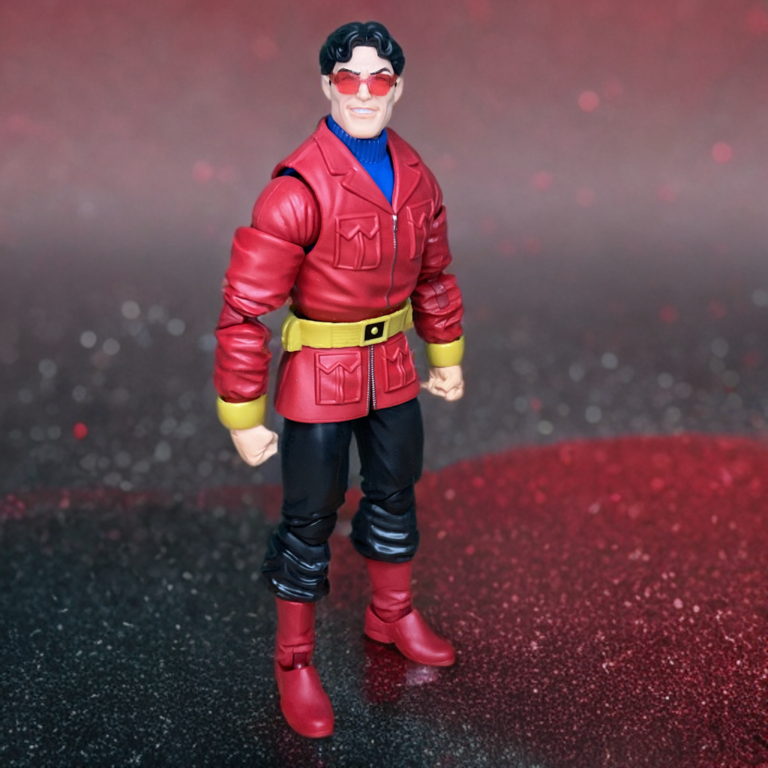
Wonder Man in his iconic red safari jacket, striking a heroic pose.
Highlights include:
• Punching out Graviton in the team’s debut miniseries like it was a blockbuster finale.
• Getting captured (along with Hank Pym) by Ultron and the Grim Reaper, because family reunions are awkward when your brother’s a death-obsessed villain.
• Talking Vision down from his brief “conquer the world via computers” phase—proving therapy works better with super-strength.
• Balancing fights against Master Pandemonium and Doom with red-carpet appearances and a growing fan club.
• Quietly carrying the team through the Byrne-era chaos without a single nervous breakdown (a low bar, admittedly).
Wonder Man on the West Coast is proof that you can be immortal, bulletproof, and still worry about typecasting. He eventually left to chase full-time stardom (and dodge more family therapy with the Reaper), but his tenure gave the team its Hollywood glamour—and a guy strong enough to lift the compound when the pool needed cleaning.
Moon Knight: The Guy Who Showed Up for Three Issues and Never Came Back
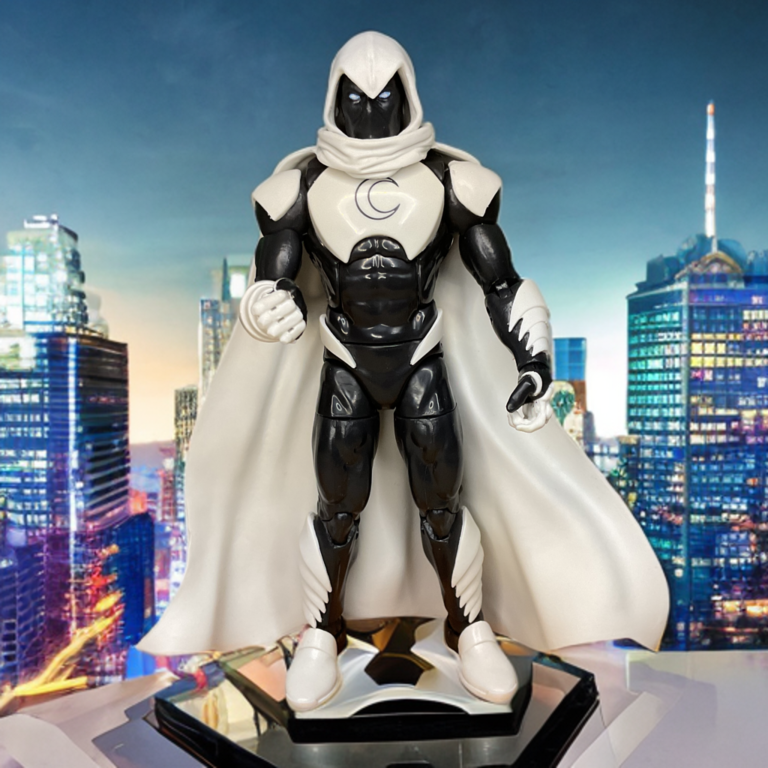
Marc Spector (and Steven Grant and Jake Lockley and the moon god Khonshu) appeared in West Coast Avengers #21–24 and #29–31 during the Al Milgrom/Bob Hall era. He fought werewolves, hung out with Tigra, and then vanished into the night never to return to the team.
That’s it. That’s the entire Moon Knight West Coast Avengers tenure. Sometimes a mercenary priest of vengeance just pops in, punches some occult nonsense, and leaves because he has his own solo book to star in.
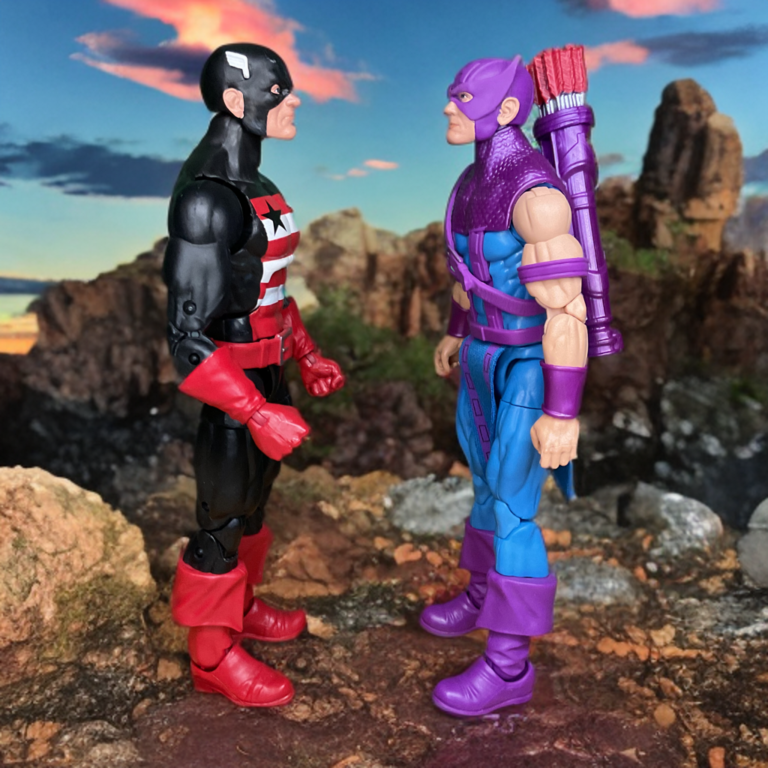
U.S. Agent: Captain America But Mean
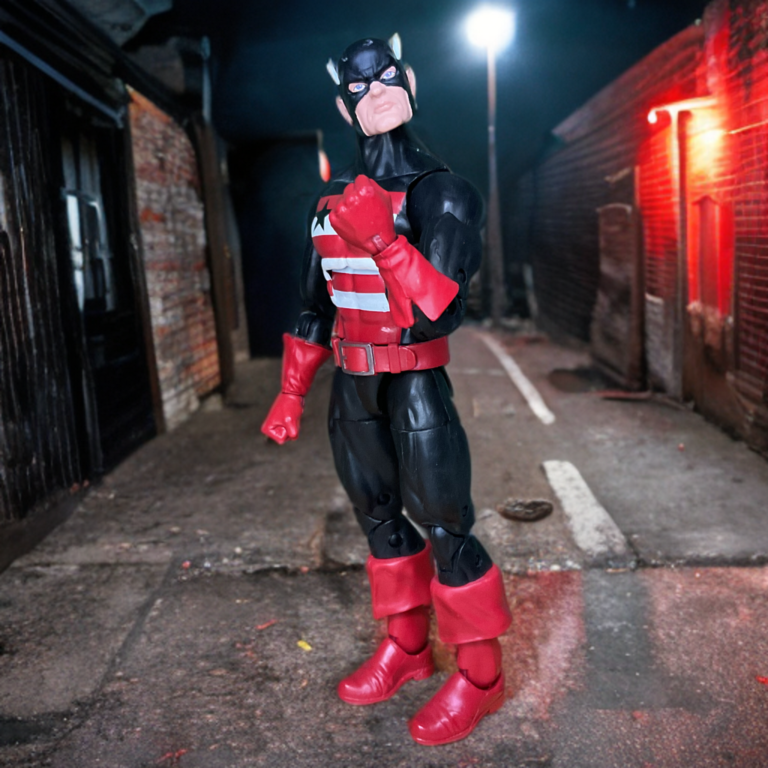
John Walker, former Super-Patriot, current walking HR violation. Created by Mark Gruenwald in Captain America and dumped onto the West Coast team after Steve Rogers quit being Cap. Walker’s entire personality is “what if Captain America listened to talk radio and lifted weights angrily.”
His tenure (starting West Coast Avengers #44) is pure chaos:
• Constantly fighting with Hawkeye over leadership.
• Getting fired from being Captain America and keeping the costume anyway.
• Throwing a guy out a window (he survived… mostly).
• Eventually mellowing out slightly in the 2000s, but not here.
U.S.Agent is the teammate you invite to Thanksgiving and immediately regret.
Hank Pym: From Ant-Man to Emotional Support Scientist
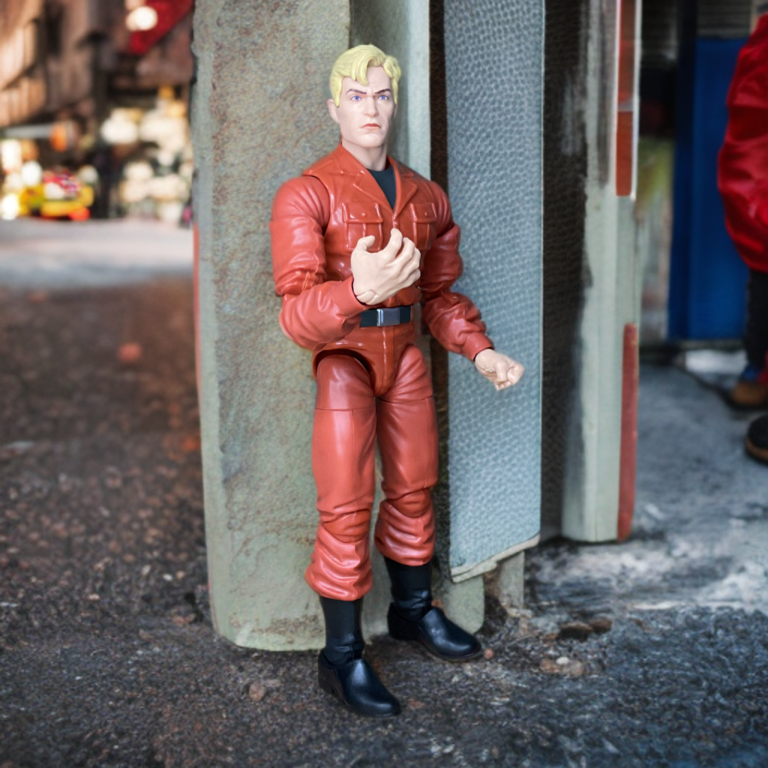
By the time Hank joined in West Coast Avengers #21, he had already:
• Invented Pym Particles
• Created Ultron
• Hit Janet van Dyne (retconned forever as “an accident”)
• Had multiple nervous breakdowns
• Changed codenames more often than most people change socks
On the West Coast, Hank mostly just wanted to do science in peace. Instead he got possessed by his own robots, turned giant, turned tiny, and generally served as the team’s walking reminder that therapy should be mandatory for all superheroes.
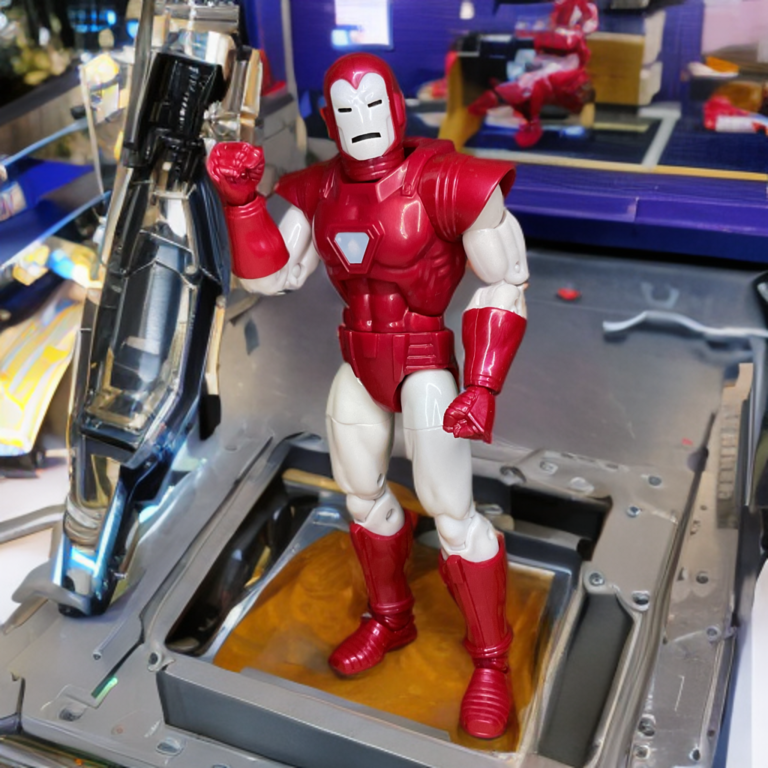
Silver Centurion Iron Man: Tony Stark’s Red-and-Silver Cry for Help
After Armor Wars, Tony debuted the iconic red-and-silver Silver Centurion armor in West Coast Avengers #1 (as a cameo) and became a regular during the Byrne era. This is peak “I’m having a midlife crisis but make it fashion” Tony—sleeker armor, nose spike for some reason, and a burning need to remind everyone he’s still relevant.
He funds the compound, bails Hawkeye out of jail, and occasionally remembers he has a company to run.
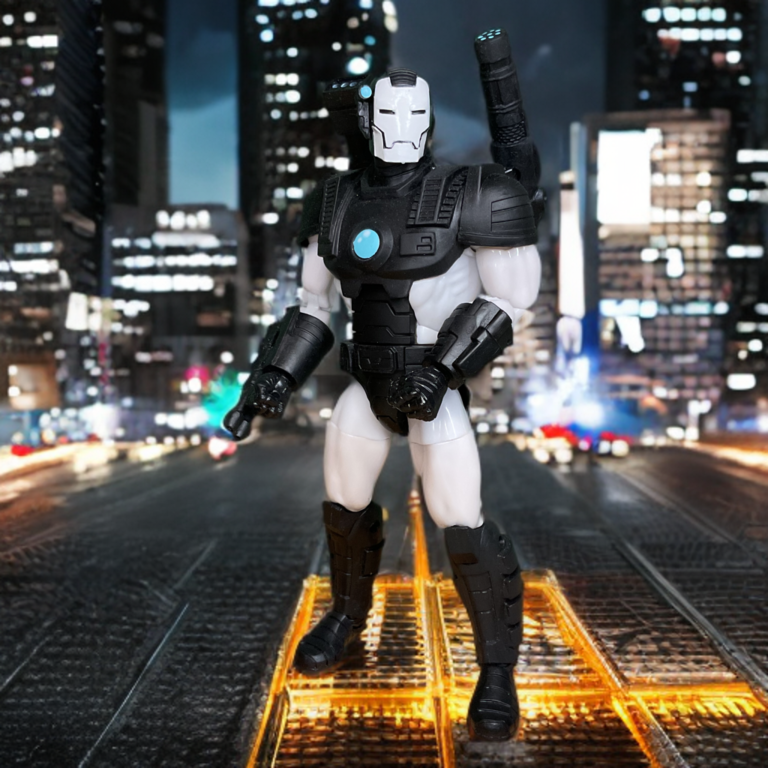
War Machine: Rhodey Gets the Cool Armor (Briefly)
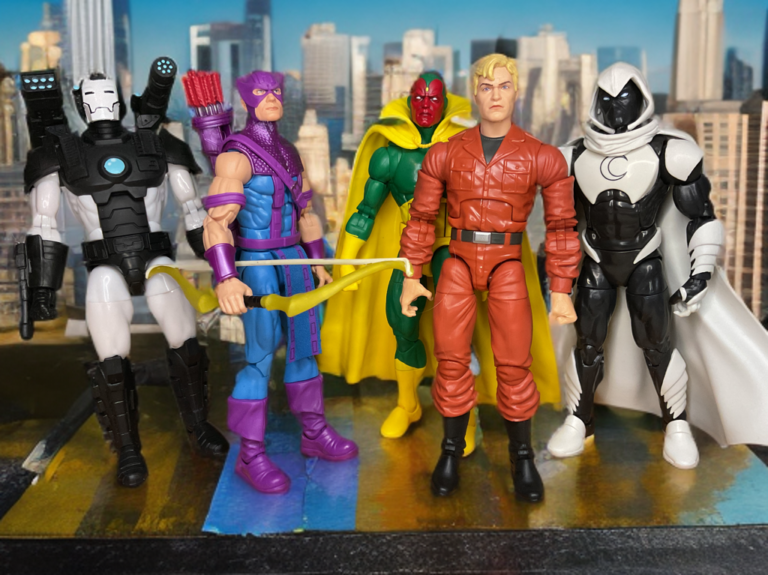
James “Rhodey” Rhodes donned the War Machine armor for the first time in West Coast Avengers Annual #4 and Iron Man #282–283 era, showing up occasionally when Tony needed backup or when the writers remembered Rhodey existed. His heavy artillery approach contrasted beautifully with Tony’s sleek Silver Centurion aesthetic, and he brought exactly the energy the team needed: “Why are we talking about feelings when we could be shooting missiles at Doctor Demonicus?”
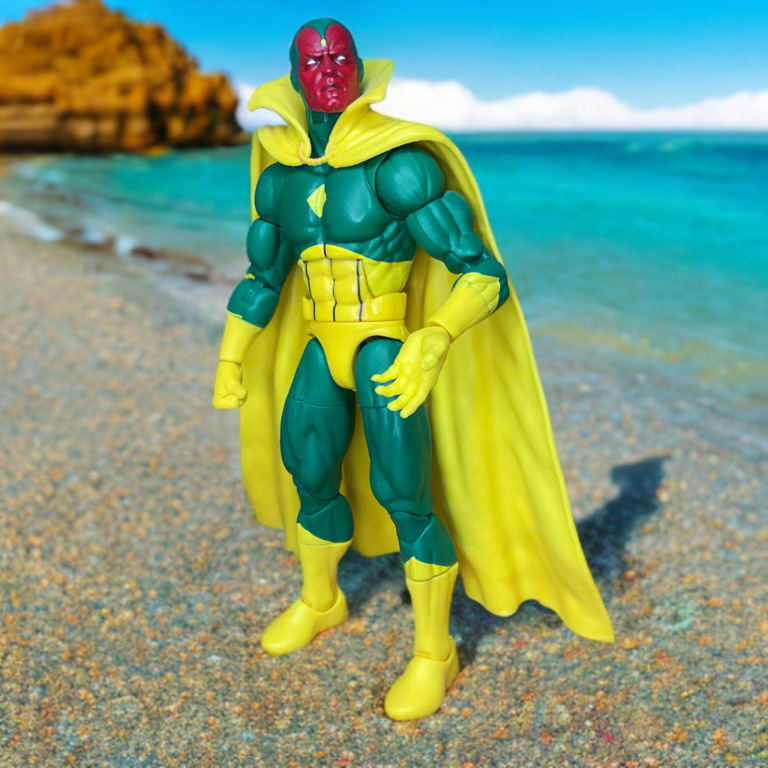
Vision: From Avenger Chairman to Walking Existential Crisis
The synthezoid Avenger started the West Coast experiment as the East Coast chairman who green-lit the whole thing. Then he got kidnapped by Vigilance, brainwashed by Immortus, bleached white, emotionally shut down, tried to take over the world (that little incident), got dismantled by the government, rebuilt wrong, and finally wandered off into the snow muttering about humanity.
Vision’s West Coast era is basically a graduate thesis on “what does it mean to be alive” written in traumatic comic events.
Scarlet Witch: The Slowest Mental Breakdown in Comics History
Wanda Maximoff came to California for a fresh start with Vision and their impossible twin babies. Instead she got:
• Babies that were secretly pieces of Mephisto’s soul
• Babies getting re-absorbed by Mephisto
• Immortus manipulating her memories
• Agatha Harkness wiping her mind
• Doctor Strange going “yeah she’s fine” (he was wrong)
• The beginning of the long road to “No More Mutants”
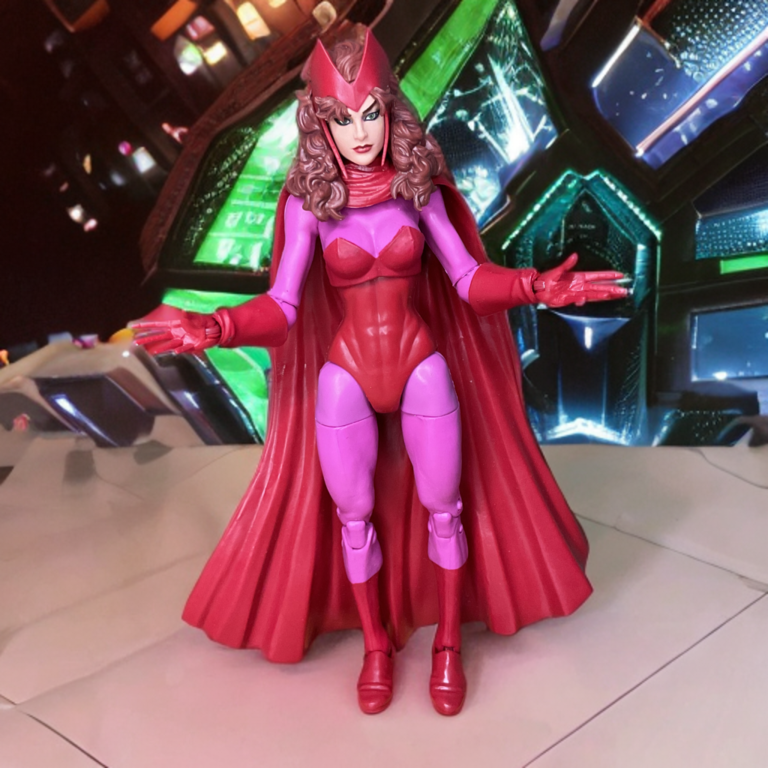
Wanda’s West Coast tenure is heartbreaking in hindsight. Every tragic beat that leads to House of M starts right here in Palos Verdes.
The John Byrne Era: When the Book Went Full Soap Opera
Issues #42–57 (and his run on Avengers proper) saw John Byrne take over and decide subtlety was for cowards. In roughly one year we got:
• Scarlet Witch going catatonic
• Vision dismantled and rebuilt emotionless
• Wanda kidnapped by Immortus
• Hank Pym merging with robots
• Tigra going feral
• USAgent throwing people out windows
• The team literally voting to disband
It’s glorious, ridiculous, and the reason people still argue about it thirty-five years later.
Legacy
The West Coast Avengers officially disbanded in Avengers West Coast #102 (1994), with most members scattering to solo books or Force Works (remember Force Works?). They got a brief revival in 2018 with Kate Bishop and Quentin Quire, but that’s a different story.
What the original team left behind is a decade of comics that somehow balanced legitimate character growth with absolute lunacy. It’s the Avengers book where marriages implode, gods possess scientists, and Hawkeye repeatedly proves you can lead a superhero team while being a complete mess.
If the East Coast Avengers are the polished blockbuster, the West Coast Avengers are the indie dramedy that goes off the rails in the best way possible. They’re the team that showed Marvel heroes don’t have to be perfect—they just have to show up, argue for twenty pages, and eventually punch the right cosmic entity.
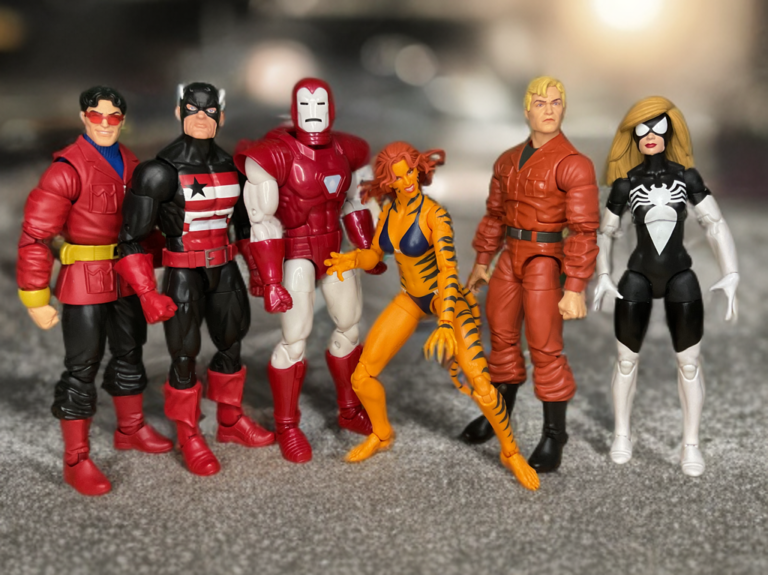
So dust off those action figures. Hawkeye’s still yelling at USAgent, Mockingbird’s rolling her eyes, Tigra’s sharpening her claws, and somewhere Vision is wondering if this is all there is to life.
Welcome to the West Coast Avengers. Membership not recommended for the emotionally stable.
The West Coast Avengers: Canonical Story Arcs Master Reference
| Era | Arc Name | Key Roster Changes / Focus | Major Plot Milestones & Character Developments |
| I. The Founding Era (1984–1989) | 1. The Golden Gateway | Core: Hawkeye, Mockingbird, Iron Man (Rhodes), Wonder Man, Tigra. | LA branch established; James Rhodes secretly operates as Iron Man; team battles Graviton. |
| 2. Sins of the Father | Join: Hank Pym (Technical Advisor/Caretaker). | Focus on Pym’s legacy and Wonder Man’s family; team confronts Ultron-12 and the Lethal Legion. | |
| 3. Lost in Time-Space | Join: Moon Knight. | Team scattered across time; Mockingbird breaks “no-kill” rule with Phantom Rider, fracturing her marriage to Hawkeye. | |
| 4. The Moral Stand | Join: Vision, Scarlet Witch.
Leave: Mockingbird, Tigra, Moon Knight. | Ideological split over Mockingbird’s actions; team battles the Cat People and Master Pandemonium. | |
| II. The Crisis Era (1989–1994) | 5. Vision Quest | Join: U.S. Agent (Government plant). | Vision is abducted and dismantled; Pym rebuilds him as an emotionless, white husk; Golden Age Human Torch discovered alive. |
| 6. Darker Than Scarlet | Focus: White Vision, Scarlet Witch. | Wanda’s children are revealed as Mephisto’s soul fragments and erased; Wanda suffers a severe breakdown due to grief and Immortus’s manipulation. | |
| 7. The Dissolution | Focus: Remaining team remnants (led by Iron Man). | Emotional fallout breaks the team; West Coast Avengers officially disband and transition into Force Works. | |
| III. The Social Media Era (2018–2019) | 8. Reality Stars: The Second Coast | Core: Kate Bishop (Leader), Hawkeye (Clint), America Chavez, Kid Omega, Gwenpool, Fuse. | Kate Bishop revives the team via a reality TV show premise; battles land-sharks and the villain M.O.D.O.K., who becomes the benevolent B.R.O.D.O.K. (Bio-Robotic Organism Designed Overwhelmingly for Kissing). |
| 9. The End of the Reel | Focus: Full 2018 Roster. | Final confrontation with a West Coast Masters of Evil; team disbands due to financial woes and a desire to return to individual pursuits. |
 English
  Deutsch
  Français
  Português do Brasil
  日本語
日本語  Español
  English (Australia)