

Is Zeta ZB-06 Superitron the Best Superion Yet?
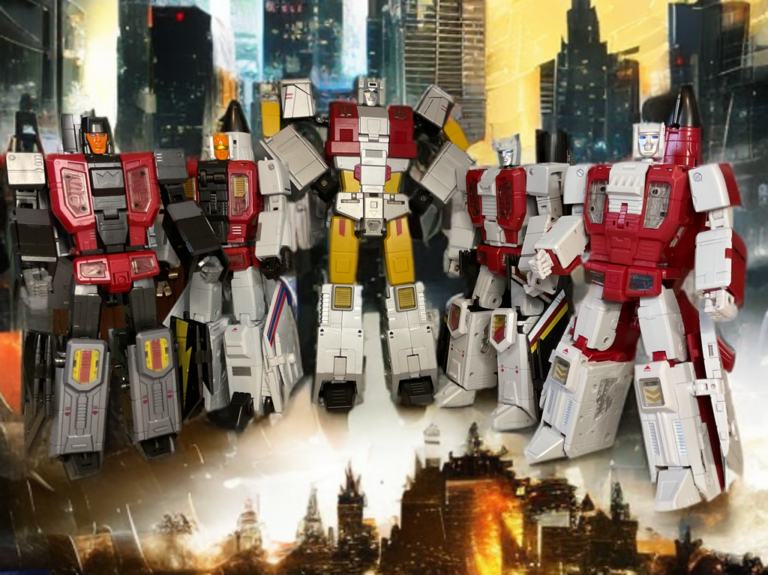
The Zeta Toys ZB-06 Superitron Combiner Metallic Edition Set of 5 Figures represents a high-end third-party take on one of the most iconic combiner teams in Transformers lore. Released as a gift set, this collection includes five individual robot figures that transform into jet modes and unite to form the massive Superitron, a towering combiner standing approximately 54 centimeters tall. The metallic edition distinguishes itself with enhanced paint applications, featuring glossy metallic finishes that elevate the aesthetic appeal over standard releases. Each figure measures around 21 centimeters in height in robot mode, making them substantial pieces for collectors focused on Masterpiece-scale representations.
This set draws direct inspiration from the Generation 1 (G1) Transformers Aerialbots, a group of Autobots introduced in the mid-1980s as the first Autobot combiner team.
Flight Deck: Superitron Archive
- 1. History of the Aerialbots
- 2. Bios and Reviews of the Aerialbots
-
3 & 4. Silverbolt & Silver Arrow
5 & 6. Air Raid & Air Strike
7 & 8. Fireflight & Fly Fire
9 & 10. Skydive & Downthrust
11 & 12. Slingshot & Catapult - 13. Combined Mode: Superitron in Detail
- 14. Accessories
- 15. Zeta Metallic vs. FansToys Ethereaon
- 16. Why Superitron Metallic Rules
Zeta Toys has engineered these figures with advanced articulation, durable plastic construction, and combiner mechanisms that allow for stable posing in both individual and combined forms. The package includes essential accessories such as five blasters and combiner attachment pieces, ensuring compatibility for the full Superitron assembly. Collectors appreciate the set’s balance of cartoon-accurate detailing and modern engineering, positioning it as a competitive alternative to official Hasbro releases or other third-party options like those from FansToys.
In terms of build quality, the figures incorporate diecast elements in key areas, such as feet or joints, contributing to a premium feel. The metallic paint not only enhances visual fidelity to the animated series but also provides a reflective sheen that captures light dynamically during display. However, users should handle them carefully to avoid potential chipping on high-contact areas like joints. This edition appeals to fans seeking a blend of nostalgia and sophistication, with the combiner mode offering impressive stability and scale that rivals larger gestalts in a collection.
The set’s design philosophy emphasizes fidelity to the source material while incorporating improvements for playability. For instance, the transformation sequences are intuitive yet complex enough to satisfy experienced collectors. The individual figures feature articulated heads, arms, and legs, allowing for a range of action poses that mimic aerial combat scenarios from the G1 era. When combined, Superitron boasts a commanding presence, with a light-up feature in some versions adding an interactive element, though this is more pronounced in related releases.
Transformation Rating: Mid-level
The Experience: Compared to other third-party figures, this was the most pleasant transformation process I've experienced—certainly much smoother than the Zeta Bruticon. While I’m tempted to label it 'easy,' I’d classify it as mid-level for those who are new to third-party combiners.
Overall, the ZB-06 Metallic Edition stands out in the crowded third-party market by offering value through its complete gift set packaging, which includes padded protection for shipping and storage. Priced competitively compared to individual figure purchases, it provides an all-in-one solution for building a Superion homage without the need for piecemeal acquisitions.
The History of the Aerialbots
The Aerialbots, as depicted in official Generation 1 Transformers canon, emerged as a pivotal Autobot force during the escalating war on Earth between Autobots and Decepticons. Their creation story is rooted in the 1985 animated series episode “The Key to Vector Sigma, Part 1 and 2,” where they were engineered to counter the Decepticons’ newfound aerial dominance.
In this canonical narrative, Megatron, the Decepticon leader, sought to bolster his forces by creating the Stunticons, a team of vehicle-based robots capable of combining into Menasor. To achieve this, Megatron stole personality components from captured Autobots and journeyed to Cybertron, accessing the ancient supercomputer Vector Sigma. Vector Sigma, the repository of all Transformer life essences, required a key to activate, which Megatron obtained through deception.
Observing this threat, Optimus Prime led a team of Autobots—including Wheeljack, Ratchet, and others—to Cybertron in pursuit. Upon arrival, they discovered old, abandoned shuttles in a derelict hangar. Recognizing the need for an aerial counterforce, the Autobots repurposed these shuttles into new robot bodies. However, activating them required interfacing with Vector Sigma, a task complicated by Megatron’s prior activation of the Stunticons.
Alpha Trion, the wise Autobot elder and creator of Optimus Prime, intervened. Against Prime’s protests, Alpha Trion merged his own life force with Vector Sigma to infuse the new bodies with personalities drawn from ancient Autobot warriors. This sacrifice allowed the Aerialbots—Silverbolt, Air Raid, Fireflight, Skydive, and Slingshot—to come online. Alpha Trion’s mind integrated with the computer, ensuring the Aerialbots’ activation but at the cost of his physical form.
Freshly created, the Aerialbots initially struggled with their Earth-based alternate modes and the ongoing war. Silverbolt, appointed leader by Optimus Prime to help him overcome his acrophobia, guided the team. Their first mission involved confronting the Stunticons, leading to their discovery of the combiner ability. By merging into Superion, they turned the tide against Menasor, establishing themselves as a formidable asset.
Throughout the G1 animated series, the Aerialbots played key roles in several episodes. In “War Dawn,” they were transported back in time to ancient Cybertron, witnessing the origins of the Autobot-Decepticon conflict. This experience solidified their loyalty to the Autobot cause, as they saw the tyranny of Megatron’s early ambitions and the heroism of young Optimus Prime (then Orion Pax).
In “Aerial Assault,” the team investigated Decepticon activities in the Middle East, thwarting a plan to steal ancient aircraft technology. Their aerial prowess shone in battles like “The Rebirth,” where they assisted in defending Cybertron from Quintesson incursions. Comics canon, such as in the Marvel Transformers series, expands on this with stories like “Aerialbots over America!,” where they battled the Insecticons at Hoover Dam, showcasing their combiner strength against mind-controlled humans and Decepticon schemes.
The Aerialbots’ history emphasizes themes of creation, sacrifice, and adaptation. They were not born on Cybertron but engineered on Earth, symbolizing the Autobots’ resourcefulness. Official bios from toy packaging and tech specs highlight their individual strengths, with combined might rated at maximum levels in firepower and speed. Their canonical appearances extend to Japanese continuities like “Fight! Super Robot Lifeform Transformers,” where they maintained similar roles.
Over time, the Aerialbots evolved from naive newcomers to seasoned warriors, often deployed for rapid aerial strikes. Their combiner form, Superion, became synonymous with overwhelming force, though limited by a singular focus on destruction. This history underscores their importance in balancing the skies against Decepticon Seekers like Starscream, Thundercracker, and Skywarp.
In later canon extensions, such as the IDW comics (aligned with G1 continuity), the Aerialbots are portrayed with deeper interpersonal dynamics, but sticking strictly to original G1 facts, their core narrative remains tied to Vector Sigma’s activation and Earth-based conflicts.
Bios and Reviews of the Aerialbots
Silverbolt: The Reluctant Leader
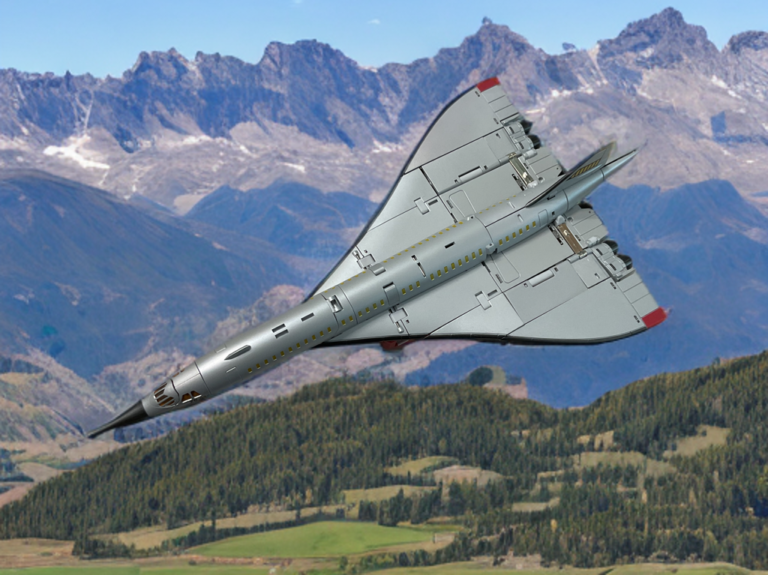
Silverbolt serves as the commander of the Aerialbots, a specialized Autobot aerial combat team introduced in the Generation 1 Transformers continuity. He transforms into a Concorde SST (Supersonic Transport) jet, a supersonic aircraft capable of speeds exceeding Mach 2, allowing him to achieve velocities up to 1,500 mph in his alternate mode. This transformation process involves reconfiguring his robot form into a sleek jet liner, with features such as a nosecone that angles downward and deployable landing gear for stability. In addition to his primary jet mode, Silverbolt can assume a “launching ramp” configuration, functioning as a base or platform for other Aerialbots, though this is less commonly depicted in canon media.
His official G1 toy biography, as detailed in the original Hasbro packaging and tech specs, portrays him as a brave and determined warrior who constantly battles an extreme acrophobia—a profound fear of heights that is particularly ironic for a Transformer designed for aerial dominance. This phobia originates from his engineering as a low-altitude cargo transport vessel, which was later modified to resemble the Earth-based Concorde during his creation on Cybertron. Despite this vulnerability, Optimus Prime deliberately appointed Silverbolt as the Aerialbot leader, believing that the responsibilities of command would compel him to prioritize his team’s safety over his personal fears. This decision proved effective, as Silverbolt’s role fostered a sense of maturity and responsibility, transforming him into an exemplary commander. He often acts as a moderating influence on his more impulsive teammates, advocating for self-control and strategic caution rather than reckless adventuring, which sometimes positions him as a “killjoy” within the group. Over time, Silverbolt confided his acrophobia to his fellow Aerialbots, expecting ridicule but receiving support instead, which ultimately helped him overcome the fear through focused determination and camaraderie.
Abilities
In terms of abilities, Silverbolt possesses the capacity to strip electrons from air particles during flight, accumulating energy that he can discharge as a powerful electrostatic weapon in robot mode. His armament includes an electrostatic discharger rifle, which he wields effectively in combat, and he can dual-wield weaponry for sustained damage output. These capabilities complement his high-speed aerial maneuvers, making him a formidable scout and striker. His tech specs, as per official G1 documentation, rate him as follows: Strength 7, Intelligence 8 (highlighting his strategic acumen), Speed 9, Endurance 6, Rank 7, Courage 8, Firepower 8, and Skill 9. These ratings underscore his balanced profile as a leader who excels in intellect and agility, though his endurance reflects the challenges posed by his phobia in prolonged high-altitude engagements.
Animation
In official canon, Silverbolt’s leadership was tested immediately upon activation. Constructed from abandoned low-flying shuttles on Cybertron and infused with life by Vector Sigma in the 1985 animated series episode “The Key to Vector Sigma, Part 2,” he swiftly organized the newly formed Aerialbots to defend humanity against the Decepticon Stunticons. Demonstrating quick thinking, Silverbolt persuaded his initially mutinous teammates to assist by highlighting Sparkplug Witwicky’s selfless concern for Omega Supreme, rallying them to destroy the Key to Vector Sigma despite his own fear-induced plummet, from which he was rescued by Slingshot. This early trial established his command authority and set the tone for the Aerialbots’ role as Autobot reinforcements.
Silverbolt’s canonical appearances extend across numerous episodes of The Transformers animated series, where he frequently coordinates aerial assaults and combiner formations. In “Aerial Assault” (1985), he led investigations into vanishing aircraft in the Middle East, uncovering a Decepticon scheme, rescuing Slingshot from entombment, and ordering the combination into Superion to defeat Bruticus and scatter enemy forces by igniting spilled oil. The time-travel episode “War Dawn” (1985) saw Silverbolt and his team transported to ancient Cybertron via the Kronosphere, where he encountered Orion Pax, facilitated his reconstruction into Optimus Prime by Alpha Trion, and commanded Superion to vanquish a guardian robot deployed by Megatron, reinforcing his dedication to justice through witnessing the war’s origins.
Further episodes highlight his tactical prowess: In “Cosmic Rust” (1985), Silverbolt directed the application of corrostop to the Statue of Liberty and formed Superion to destroy the Decepticon weapon Lightning Bug during a rescue at Fox Creek Canyon. During the multi-part “Five Faces of Darkness” (1986), he orchestrated the rescue of Ultra Magnus, Kup, and Spike Witwicky from Quintessa, adapting to size changes and navigating hazards like the destructive Goo #8739B. In “Forever Is a Long Time Coming” (1986), he prioritized securing an asteroid base over pursuing Quintessons, demonstrating disciplined leadership despite pushback from Air Raid. “Fight or Flee” (1986) featured Silverbolt ambushing Decepticons and pursuing them through a warp gate as Superion without repercussions.
Silverbolt’s role continued in “Starscream’s Ghost” (1986), where he attempted to thwart the Decepticon abduction of Octane, and in “Thief in the Night” (1986), investigating Trypticon’s thefts from Carbombya aboard Broadside before driving back the invaders. In “Ghost in the Machine” (1986), he contained a malfunctioning Metroplex at Autobot City alongside Skydive and Powerglide. “The Big Broadcast of 2006” (1986) involved probing interference on Junkion, sustaining heavy fire as Superion, and receiving repairs on Cybertron. In “The Ultimate Weapon” (1986), Silverbolt commended Air Raid’s risky tactics against Trypticon, even taunting the beast while attacking internally. “The Burden Hardest to Bear” (1986) saw him countering Astrotrain’s derailment of a Japanese bullet train.
During “The Return of Optimus Prime” (1987), Silverbolt and the Aerialbots fell victim to the hate plague but were cured by the Matrix of Leadership after causing chaos as Superion. In the three-part finale “The Rebirth” (1987), they defended Cybertron’s Plasma Energy Chamber from Decepticon incursions, with Silverbolt repeatedly engaging threats like Sixshot and Cyclonus, though ultimately stripped of his power pack by the Combaticons.
Japanese Continuities
In Japanese-exclusive continuities aligned with G1, such as “Scramble City: Mobilization” (1986 OVA), Silverbolt aided Optimus Prime against Devastator and the Stunticons, forming Superion with scramble capabilities despite temporary corruption. Episodes from Fight! Super Robot Lifeform Transformers (1985-1986) and subsequent series like The Headmasters (1987) feature him in battles such as forming Superion against Abominus and Devastator in “Four Warriors Come out of the Sky,” distracting Decepticons in “The Great Cassette Operation,” recovering from spatial distortions in “Approach of the Demon Meteorite,” and clashing in “Cybertron Is in Grave Danger” until Vector Sigma’s explosion. He bombed threats in “Head On!! Fortress Maximus,” engaged Scorponok on the moon in “Return of the Immortal Emperor,” and contributed energy in the final North Pole showdown in “The Final Showdown on Earth (Part 2).”
Marvel Comics
In the Marvel Comics G1 series, Silverbolt’s appearances begin in “Aerialbots over America!” (Issue #21, 1986), where the Aerialbots, created via the Creation Matrix, halted a Decepticon assault on Hoover Dam; his fear was exploited by Dirge, but he formed Superion to avert disaster and spared a human life. “Heavy Traffic!” (Issue #22, 1986) involved combating the Stunticons as Superion, only to be crippled by Circuit Breaker and later reassembled. In “…Perchance to Dream” (Issue #56, 1989), his phobia fueled Superion’s rage during a battle at a Blackrock plant, but he proved his worth in tests against Jetfire. “The Magnificent Six!” (UK Issues #247-252, 1990) detailed his admission and overcoming of acrophobia with team support during a mission against Megadeath in the Acid Wastes.
Later comics include his death by Starscream in “Dark Star” (Issue #50, 1989), revival via Nucleon in “On the Edge of Extinction!” (Issue #75, 1991), and participation in evacuations and battles on Klo in “The Last Autobot?” (Issue #80, 1991). Earthforce stories like “The House that Wheeljack Built!” (UK #279, 1991) and “Inside Story!” (UK #280, 1991) show him providing air support and rampaging as Superion under cerebro-shell influence. In “The Big Broadcast of 2006” (Issue #43, 1988), he formed Superion against a Quintesson cruiser. Generation 2 arcs such as “The Power and the Glory” (Issue #4, 1993) and “Escalation!” (Issue #6, 1994) feature ambushes and defenses against Jhiaxus. In Regeneration One (Issues #81-100, 2012-2014), post-Nucleon revival, he fought Bludgeon’s forces, led attacks on Kimia, and engaged in combiner battles against Devastator and Menasor, ultimately resisting Galvatron’s enigma during confrontations with Onyx Prime and Unicron.
As the central component of the Superion combiner, Silverbolt forms the torso, head, and core structure, providing stability and mental leadership. The other Aerialbots attach as limbs—typically Air Raid and Fireflight as arms, Skydive and Slingshot as legs—enabling Superion’s enhanced strength, flight, and firepower. In canon, Silverbolt’s consciousness often guides Superion, preventing rash actions like unauthorized killings, as seen in comic battles against Menasor, Bruticus, Devastator, and Abominus. This role emphasizes his strategic importance, with Superion’s scramble-style combinations allowing flexible limb arrangements in various continuities.
Review of Silver Arrow (Silverbolt Homage)
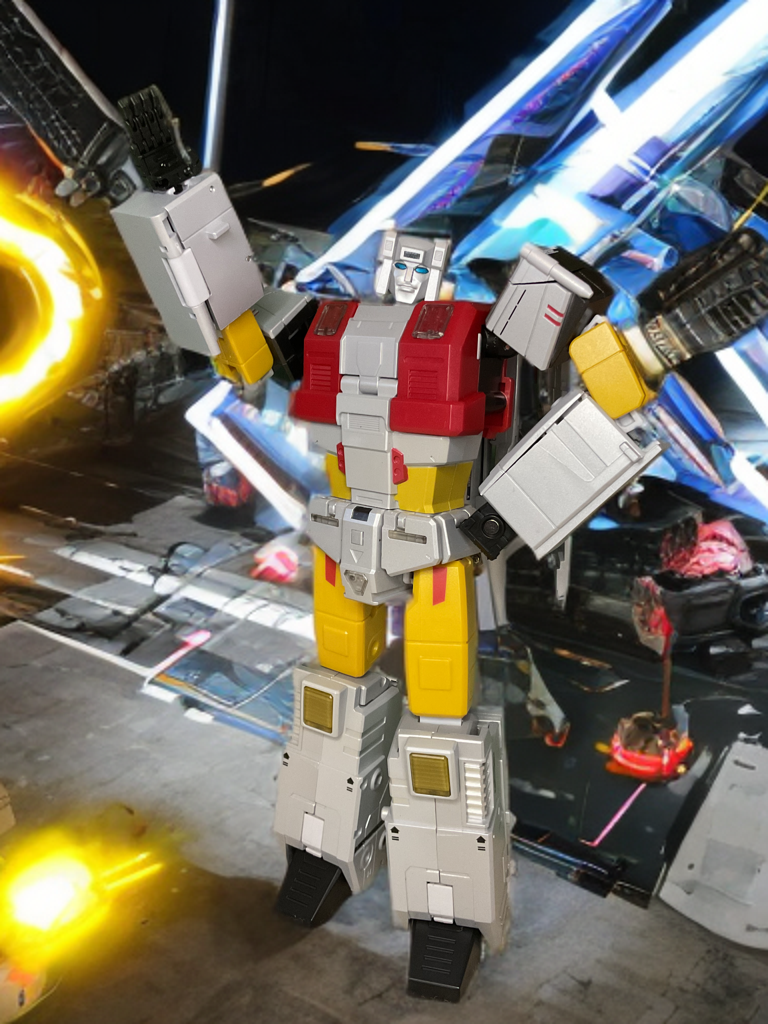
Silver Arrow, the leader figure in the ZB-06 set, stands as the largest of the five at approximately 21 centimeters in robot mode. This figure transforms into a sleek supersonic jet mode, faithfully replicating the Concorde-inspired design from G1 canon. The metallic edition’s paint scheme features a dominant white body with metallic red and blue accents, giving it a premium, reflective finish that enhances shelf presence—often described as a pearl-like white in collector discussions, which adds subtle shine and depth under different lighting conditions compared to the standard version.
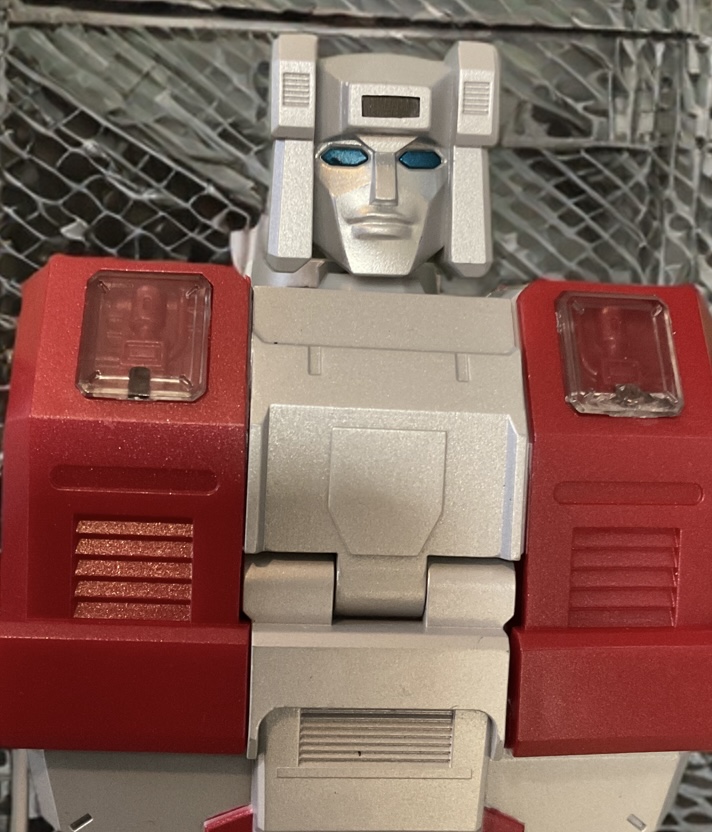
In robot mode, Silver Arrow boasts impressive articulation: ball-jointed shoulders allow for full 360-degree rotation, while elbow and knee joints provide deep bends for dynamic posing, including ratcheted mechanisms for secure holds in dramatic stances. The head sculpt captures a stern, visor-eyed expression, with metallic blue paint on the eyes for added depth, and the neck features swivels that enable good range of motion. The figure’s hands are molded to hold the included blaster securely, and the chest reveals combiner ports that integrate seamlessly without disrupting aesthetics, though some users note the ports can occasionally require careful alignment during storage.
Transformation
Transformation to jet mode is smooth, involving folding the legs into the fuselage and rotating the arms to form wings, with an approximate 15-step process that avoids major tabbing issues according to various collector reviews. Jet mode measures around 30 centimeters long, with deployable landing gear for display stability and a clean, aerodynamic profile that closely mirrors the animated series’ supersonic transport aesthetic. The metallic paint holds up well here, though fingerprints can show on glossy surfaces, a common trait of high-shine finishes.
Durability is a strong point, with sturdy plastic construction and diecast elements in the feet ensuring balance and a premium weight feel. However, some collectors note minor looseness in hip joints after repeated transformations, which can affect long-term posing stability in certain copies. Compared to the original G1 Silverbolt toy, this version offers superior scale, articulation, and overall detail, making it particularly well-suited for dioramas or display alongside other Zeta combiner homages. The blaster accessory attaches securely in both modes, adding versatility for action-oriented setups.
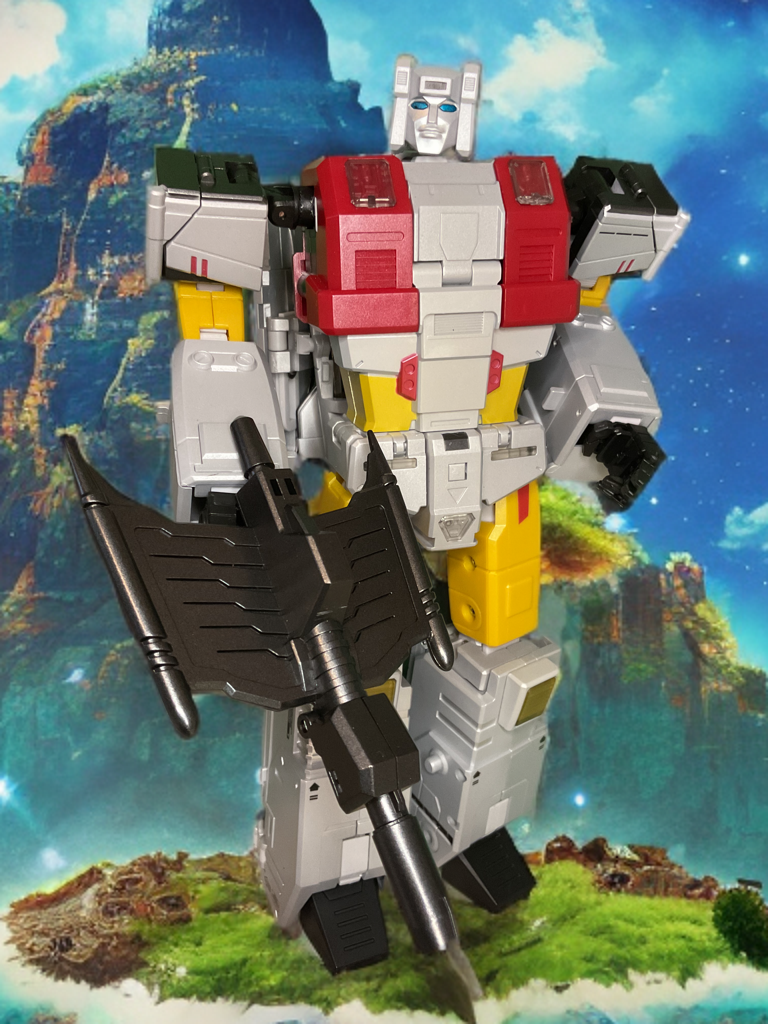
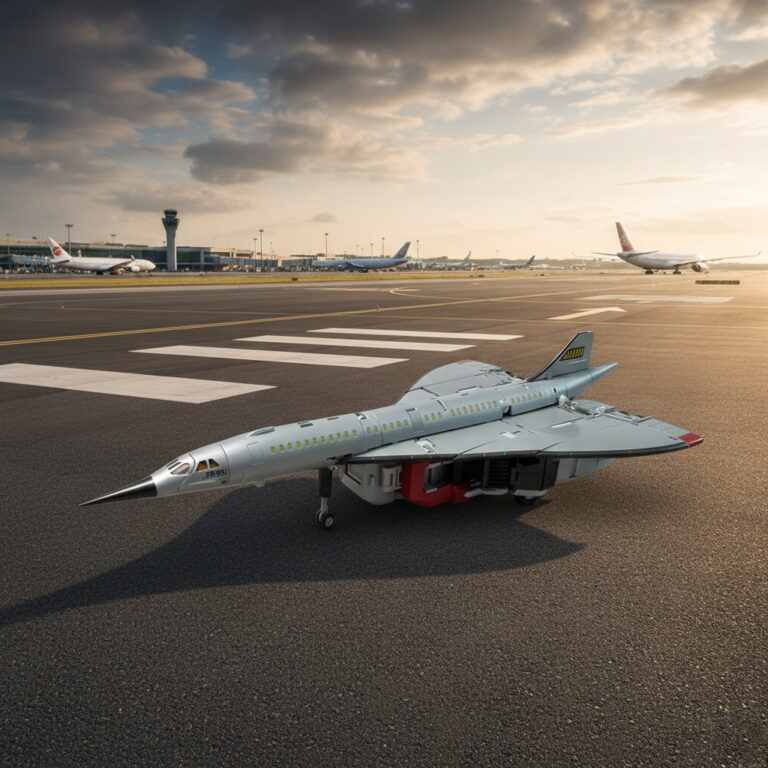
Posability extends to flight stands (not included), where Silver Arrow excels in aerial poses that evoke the character’s canonical high-speed scouting and leadership roles. Overall, this figure embodies leadership with its commanding stature, refined engineering, and enhanced metallic aesthetics that elevate it as a standout centerpiece in the ZB-06 Metallic Edition set.
Air Raid: The Fearless Daredevil
Air Raid transforms into an F-15 Eagle fighter jet, a highly agile and versatile combat aircraft renowned for its superior maneuverability in dogfights and multi-role capabilities. His official G1 toy biography emphasizes his impulsive and thrill-seeking personality: he loves diving into battle unexpectedly, often catching enemies off-guard with sudden, aggressive strikes rather than prolonged ranged engagements. This approach stems from his preference for the excitement of close-quarters surprises over calculated distance attacks, making him the most daring member of the Aerialbots.
With a speed rating of 10—the highest among his team—he reaches velocities up to 2,500 mph (Mach 2.5) in jet mode, with a flight range of 1,500 miles. His armament includes air-to-air heat-seeking missiles and a Vulcan nose cannon in jet form, while in robot mode he wields a torque rifle whose beam applies 80,000 psi of rotational force to twist and damage targets. His tech specs further rate him as Strength 7, Intelligence 7, Speed 10, Endurance 7, Rank 5, Courage 10, Firepower 7, and Skill 9, highlighting his exceptional bravery and aerial prowess despite average strategic depth.
Appearences
Air Raid’s boldness frequently places him at the forefront of high-risk operations. In the animated series episode “Aerial Assault,” he participated in reconnaissance missions investigating vanishing aircraft in the Middle East, contributing to the team’s efforts to uncover a Decepticon plot involving stolen planes and the Combaticons. His daring maneuvers helped in confronting Bruticus, leading to the Aerialbots’ combination into Superion to scatter the enemy forces. In “The Key to Vector Sigma, Part 2,” Air Raid joined his newly activated teammates in their first battle against the Stunticons, combining into Superion to overpower Menasor and protect humanity. Episodes like “Cosmic Rust” saw him applying Corrostop to the Statue of Liberty alongside the team and forming Superion to destroy the Decepticon weapon Lightning Bug. In “The Five Faces of Darkness, Part 2,” he assisted in rescuing captured Autobots from Quintesson threats, navigating hazardous environments.
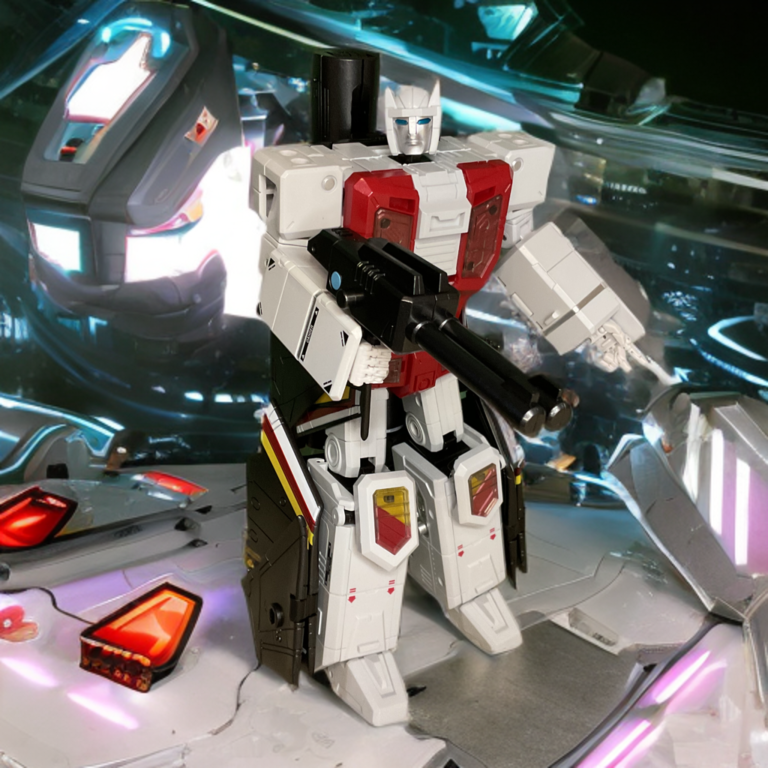
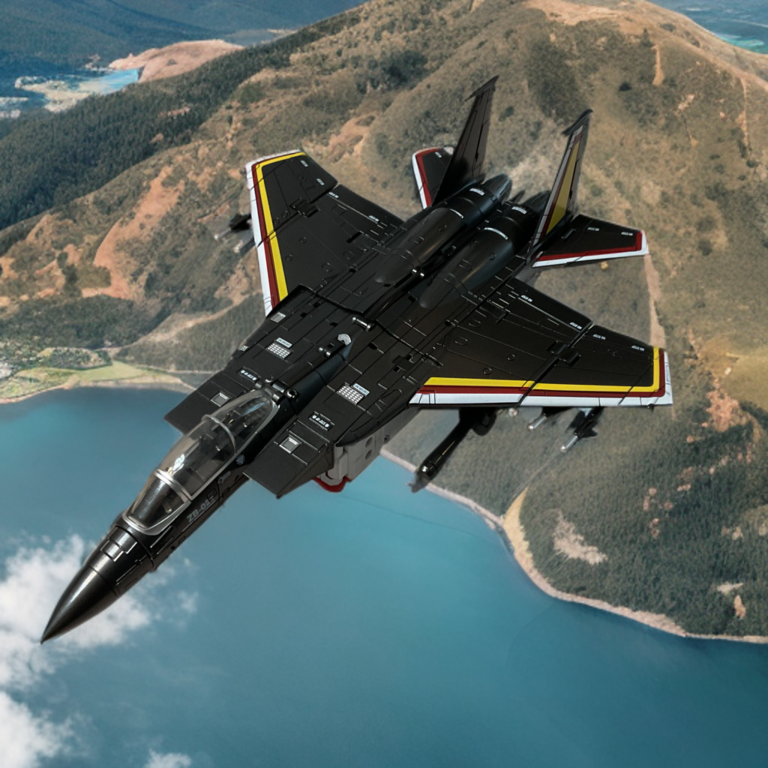
Other appearances include “Forever Is a Long Time Coming,” “Fight or Flee,” “The Ultimate Weapon” (where he supported risky tactics against Trypticon), “Thief in the Night,” and “The Rebirth,” where he defended Cybertron’s Plasma Energy Chamber and engaged threats like Sixshot and Cyclonus.
Marvel Comics
In the Marvel Comics G1 continuity, Air Raid debuted prominently in “Aerialbots over America!” (Issue #21), where the team halted a Decepticon assault on Hoover Dam; his aggressive style proved effective in disrupting enemy formations. In “Command Performances!” he singlehandedly disrupted a group of Seekers, tearing up Ramjet’s nosecone with his torque rifle to allow his teammates to regroup. Further stories like “Heavy Traffic!” involved him in combiner clashes with the Stunticons, and in “The Magnificent Six!” he contributed to team efforts against larger threats. His fearless nature often shone in battles requiring rapid, surprise attacks, aligning with his bio’s emphasis on loving the element of surprise.
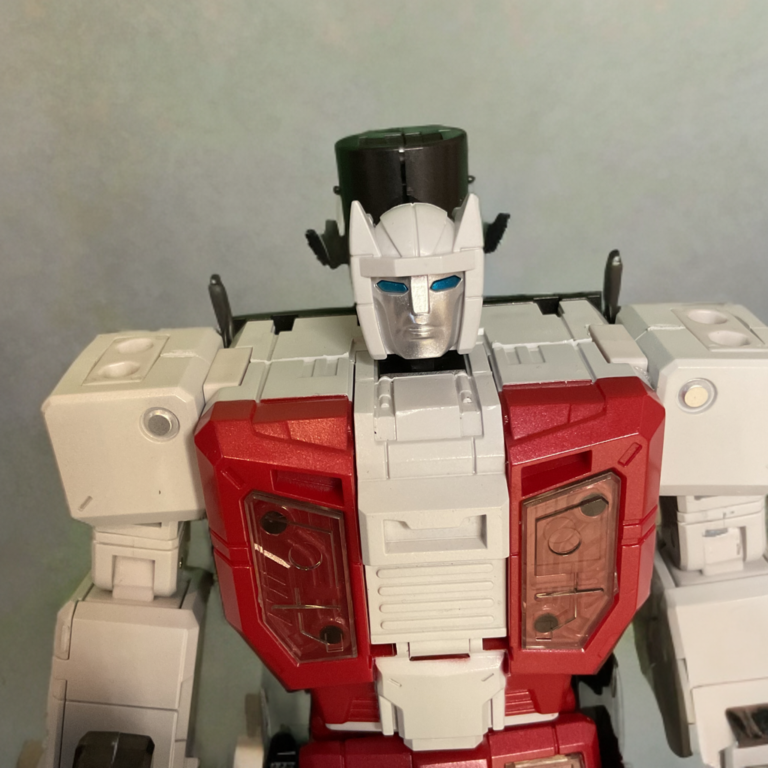
As a key component of Superion, Air Raid typically forms the left leg, providing powerful lower-body support, stability for ground-based stomps, and integration of his weaponry into the combiner’s overall arsenal. This position contributes raw power and mobility to Superion’s structure, allowing for dynamic charging attacks and enhanced leg-driven strikes in combat against Decepticon gestalts like Menasor or Bruticus. The limb configuration ensures Superion maintains balanced flight and ground capabilities, with Air Raid’s high-speed attributes translating to swift, forceful movements in combined mode.
Review of Air Strike (Air Raid Homage)
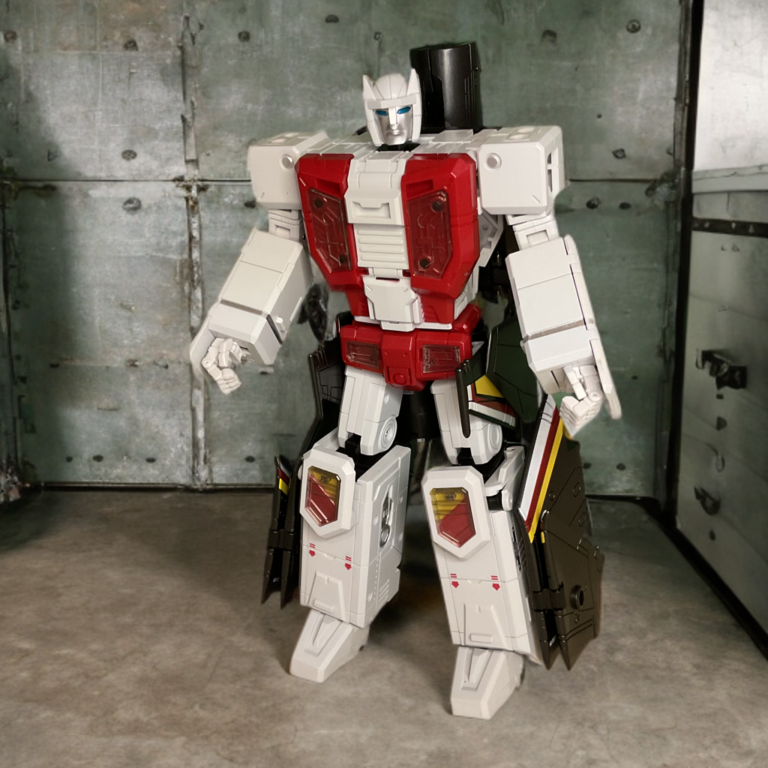
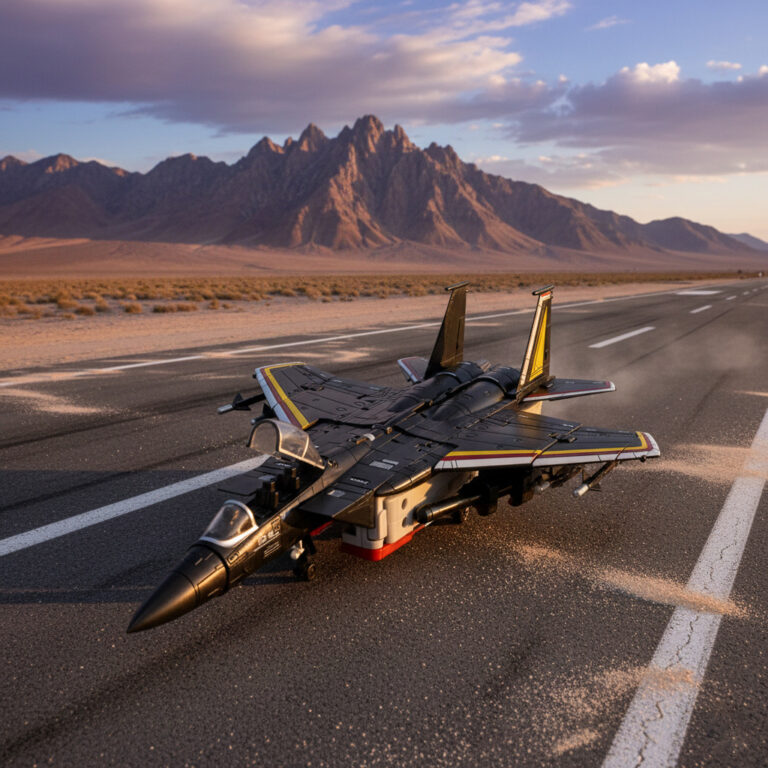
The Metallic Edition significantly enhances Airstrike’s visual impact through a glossy, reflective paint application: a rich metallic blue dominates the main body and fuselage, complemented by crisp white panels, vibrant red accents on the nose and tail, and metallic silver detailing on the intakes, leading edges, and visor. This premium finish delivers a pearl-like sheen and depth that shifts dynamically with lighting—far more luxurious and cartoon-accurate than the standard non-metallic version, with the metallic blue particularly praised in collector reviews for its vibrant pop in both jet and robot modes, making it a standout limb when displayed individually or in Superitron.
In robot mode, Airstrike embodies Air Raid’s impulsive, daredevil personality with aggressive sculpting: wide shoulders, a contoured chest featuring subtle combiner ports that blend seamlessly into the design, and a helmeted head with a bold metallic visor that conveys fearless intensity. Articulation excels with ball-jointed shoulders enabling full 360-degree rotation, double-jointed elbows for dramatic arm extensions, ratcheted hips and knees for secure deep bends, and ankle tilts that facilitate dynamic poses simulating high-speed aerial charges or surprise attacks. The hands are engineered to grip the included blaster (a torque rifle homage) firmly, and the construction combines high-grade ABS plastic with diecast weighting in the legs for enhanced stability, balance, and a premium, substantial feel.
Transformation
The transformation process is smooth and collector-friendly, requiring about 12-15 steps: legs fold rearward to shape the fuselage, arms pivot down to form wings and tail, and the head retracts into the cockpit area. Tabbing locks solidly with little to no reported friction or alignment struggles in feedback, yielding a clean, aerodynamic jet mode roughly 30 cm long complete with functional deployable landing gear for stable display. The metallic coatings truly shine in this configuration, accentuating the intakes, stabilizers, and overall sleek profile—though, as with other glossy figures in the set, fingerprints may appear on high-shine areas during handling.
In Superitron’s combined mode, Airstrike serves as the left leg, delivering essential lower-body strength, mobility, and stability. The combiner ports connect securely with ratcheted mechanisms for reliable locking, supporting powerful stomps, charging maneuvers, and balanced weight distribution that enhances the gestalt’s performance against Decepticon combiners like Menasor or Bruticus. This limb role integrates Airstrike’s design elements smoothly, maintaining Superitron’s cohesive metallic aesthetic and contributing to the towering 54 cm figure’s commanding presence.
Durability remains a key strength, with joints that maintain poses effectively and resist typical wear under display or light play conditions. While some collectors mention slight hip looseness after frequent transformations (a minor and not universal issue in the lineup), it rarely impacts functionality and is often resolved through careful use or natural settling. In comparison to the original G1 Air Raid toy, Airstrike provides dramatically improved articulation, proportion accuracy, paint execution, and modern engineering, positioning it as an exceptional individual piece and vital combiner component.
Overall, the Metallic Edition Airstrike captures Air Raid’s bold, thrill-seeking essence perfectly through its refined transformations, extensive posability, and eye-catching reflective finishes that make it gleam in any setup. It ranks highly among the ZB-06 team members for its visual flair and reliable performance as Superitron’s left leg, making it a must-have for fans desiring a premium, upgraded homage to the Aerialbots’ fastest and most daring member.
Fireflight: The Dreamy Explorer
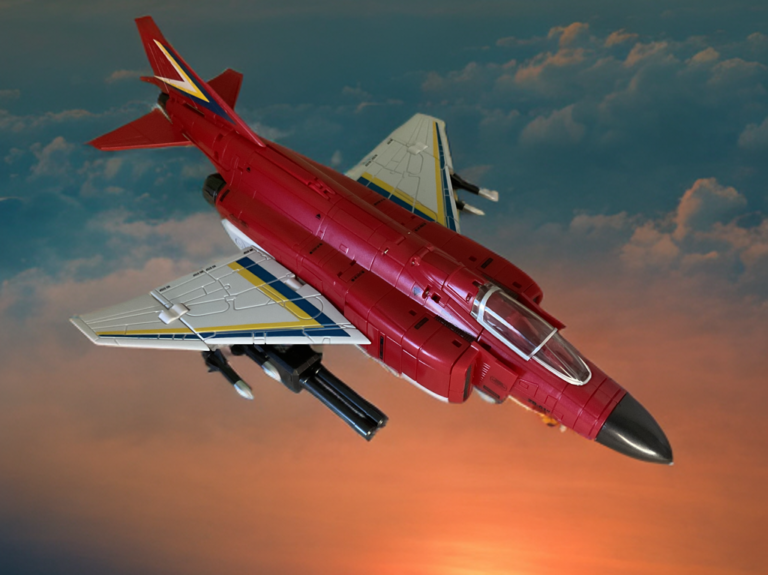
Fireflight transforms into a McDonnell Douglas F-4 Phantom II jet, a versatile multirole fighter renowned for its reconnaissance capabilities, heavy payload capacity for bombing runs, and strong performance in both air-to-air and air-to-ground missions. His official Generation 1 toy biography describes him as combining a childlike sense of wonder with the soul of a daydreamer, resulting in a major menace to airborne navigation—he frequently loses himself in the breathtaking beauty of Earth as viewed from the sky, leading to distracted, erratic flight paths that endanger himself and his teammates. Despite this absent-mindedness, Fireflight possesses genuine courage rated at 9 in his tech specs, making him reliable and steadfast when combat demands focus, and he maintains a good heart filled with innocence that endears him to others even as they grow frustrated with his inattention.
Abilities
His abilities include reaching speeds of Mach 2 (approximately 1,535 mph or 2,470 km/h) with a range of 1,000 miles in jet mode, carrying flammable “fire-fog” missiles that create explosive clouds, and wielding a photon displacer gun in robot mode that distorts light waves to impair an opponent’s vision. Tech specs further rate him as Strength 6, Intelligence 6, Speed 7, Endurance 8, Rank 5, Courage 9, Firepower 7, and Skill 7, reflecting solid endurance and bravery suited to reconnaissance despite average intellect and a tendency toward distraction. He can also fly in robot mode for short bursts, adding flexibility in aerial engagements.
Animation
From the animated series, Fireflight’s daydreaming often leads to mishaps but is balanced by his contributions in key battles. In “The Key to Vector Sigma, Part 2” (his debut episode), his absent-mindedness contributes to early team disarray during their first confrontation with the Stunticons, yet he quickly redeems himself by participating in the formation of Superion to overpower Menasor and protect humanity. In “Aerial Assault,” he joins reconnaissance efforts against vanishing aircraft in the Middle East, helping uncover a Decepticon scheme and combining into Superion to defeat Bruticus amid ignited oil spills. Other notable appearances include “Cosmic Rust,” where he applies Corrostop to the Statue of Liberty and forms Superion to destroy the Lightning Bug weapon; “The Five Faces of Darkness” arc, assisting in rescues from Quintesson threats; and “The Rebirth,” defending Cybertron’s Plasma Energy Chamber against incursions. In Japanese continuities like Fight! Super Robot Lifeform Transformers and The Headmasters, he features in combiner clashes against threats such as Abominus and Devastator, often distracted but proving vital in group efforts.
Marvel Comics
In the Marvel Comics G1 series, Fireflight appears in stories like “Aerialbots over America!” (Issue #21), defending Hoover Dam against Decepticons, and various combiner battles where his personality quirks add tension but do not hinder overall effectiveness. As a core component of Superion, Fireflight typically forms the right arm, contributing enhanced aerial maneuverability, additional firepower integration through his weapons, and flexible reach for striking or grappling in combined combat. This position allows Superion to leverage Fireflight’s reconnaissance strengths for precise, extended attacks while the combiner’s singular focus on destruction overrides individual distractions, enabling coordinated assaults against gestalts like Menasor, Bruticus, or Devastator. In scramble-style configurations (as seen in some media like Scramble City), limb assignments can vary, but Fireflight’s nominal role as the right arm provides balanced upper-body power and supports Superion’s canonical emphasis on overwhelming force through unified action.
Review of Fly Fire (Fireflight Homage)
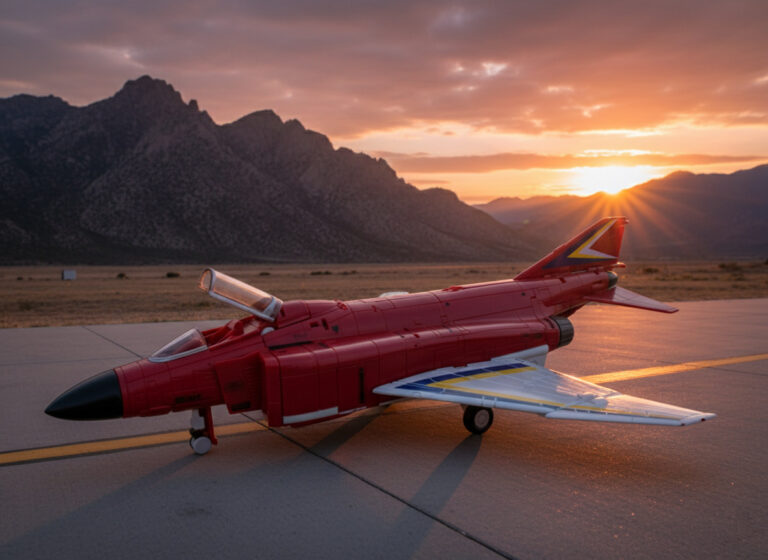
Fly Fire, the homage to Fireflight in the Zeta Toys ZB-06 Superitron Metallic Edition set (corresponding to the ZB-01 individual release in the Kronos/Superion series), stands at approximately 21 cm (8.3 inches) tall in robot mode, fitting seamlessly within the Masterpiece-scale proportions of the Aerialbots team. This figure transforms into a Phantom-style jet (inspired by the F-4 Phantom II), equipped for reconnaissance and bombing runs as per G1 canon, featuring a compact yet detailed design with swept wings, twin engines, a pointed nosecone, and underwing hardpoints that evoke the character’s daydreaming yet courageous aerial explorer role.
The Metallic Edition upgrades Fly Fire’s aesthetics with a glossy, reflective red-dominant scheme accented by metallic silver highlights on the wings, fuselage, chest, and engine nozzles—these elements pop vividly under lighting, delivering a richer, more premium depth and cartoon-accurate vibrancy compared to the standard version. Collector feedback often highlights how the metallic red gains a subtle sheen that shifts dynamically, enhancing shelf presence and making the figure feel more luxurious, especially when the silver details catch light to emphasize the flame motifs on the arms.
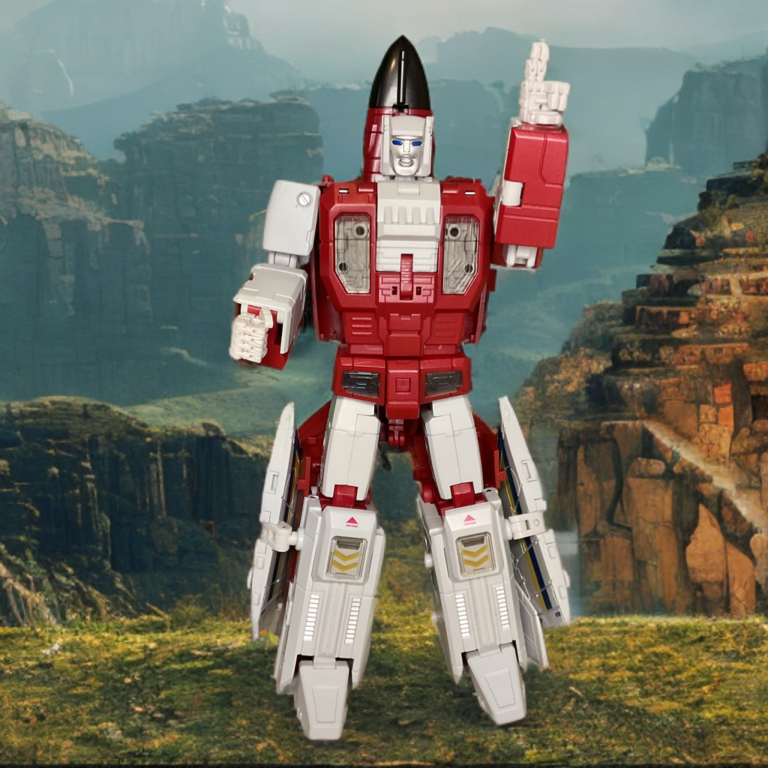
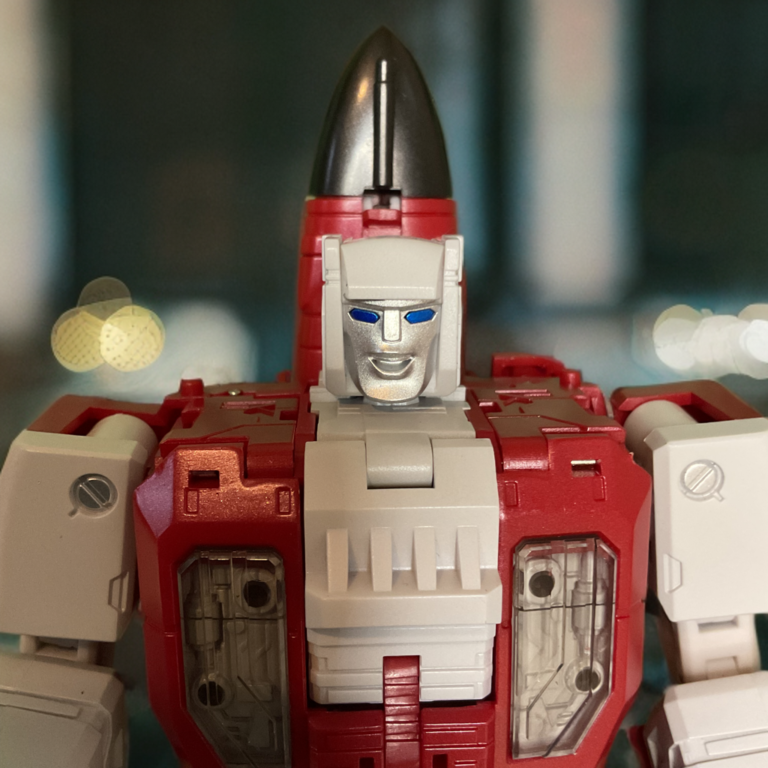
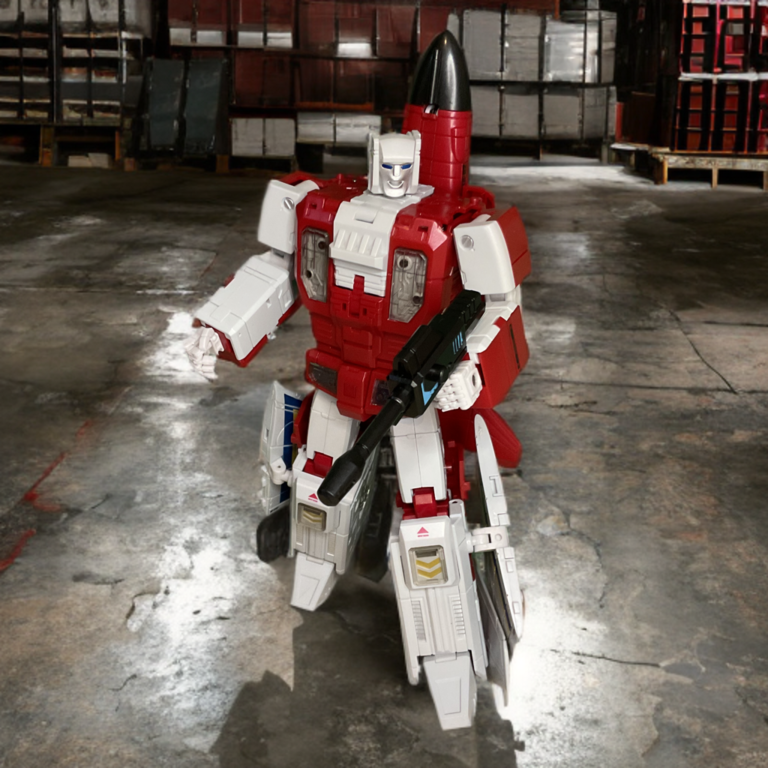
In robot mode, Fly Fire captures Fireflight’s dreamy archetype through thoughtful sculpting: flame detailing etched into the arms nods to his name, while the helmeted head features metallic yellow eyes for a focused yet distant expression. Articulation impresses with ball-jointed shoulders for broad range, swivel wrists enabling expressive gestures that suit distracted or contemplative poses, deep elbow and knee bends, ratcheted hips, and ankle tilts for stable grounded stances. The hands grip the included blaster snugly, and combiner connectors on the arms (for Superion integration) remain discreet without disrupting the clean lines or aesthetics.
Transformation
Transformation involves compressing the torso, folding the legs to form the rear fuselage, and extending the arms outward to become wings—a smooth, intuitive 12-step sequence with solid tabbing that locks reliably, though some reviews note wing tabs may need firm pressure for perfect alignment in jet mode. The resulting jet mode is compact and aerodynamic, measuring around 30 cm long with deployable landing gear for display stability, and the metallic paint truly accentuates the engine nozzles and leading edges for a striking, high-shine appearance—fingerprints can appear on glossy areas during handling, a typical trade-off for the premium finish.
As Superion’s right arm in combined mode, Fly Fire contributes enhanced aerial maneuverability, flexible reach for striking or grappling, and integrated firepower that supports the gestalt’s upper-body attacks. The arm ports connect securely with ratcheted joints for stable, poseable limbs, allowing Superitron to execute dynamic swings or extended poses while maintaining balance against combiners like Menasor or Bruticus—this role aligns well with Fireflight’s reconnaissance strengths, adding precision and versatility to the towering 54 cm figure’s overall structure.
Build quality relies on high-grade ABS plastic resistant to wear, with diecast elements in select areas for added heft and durability—reviews consistently praise the paint’s longevity, with no chipping observed in standard handling or display conditions. Minor joint play (such as in hips) appears rarely after heavy use but is not a widespread issue. Compared to the original G1 Fireflight toy, Fly Fire offers vastly superior articulation, scale fidelity, paint execution, and engineering, translating the character’s distraction-themed personality into versatile, evocative posing that captures canon daydreaming scenes while excelling in action-oriented displays.
Overall, the Metallic Edition Fly Fire stands out as a beautifully upgraded take on Fireflight, blending nostalgic G1 charm with reflective metallic aesthetics that make it gleam in both individual and combined forms. Its reliable transformations, extensive posability, and crucial right-arm role in Superitron earn it strong acclaim among Aerialbots collectors seeking that extra polish and premium feel in their combiner lineup.
Skydive: The Tactical Scholar
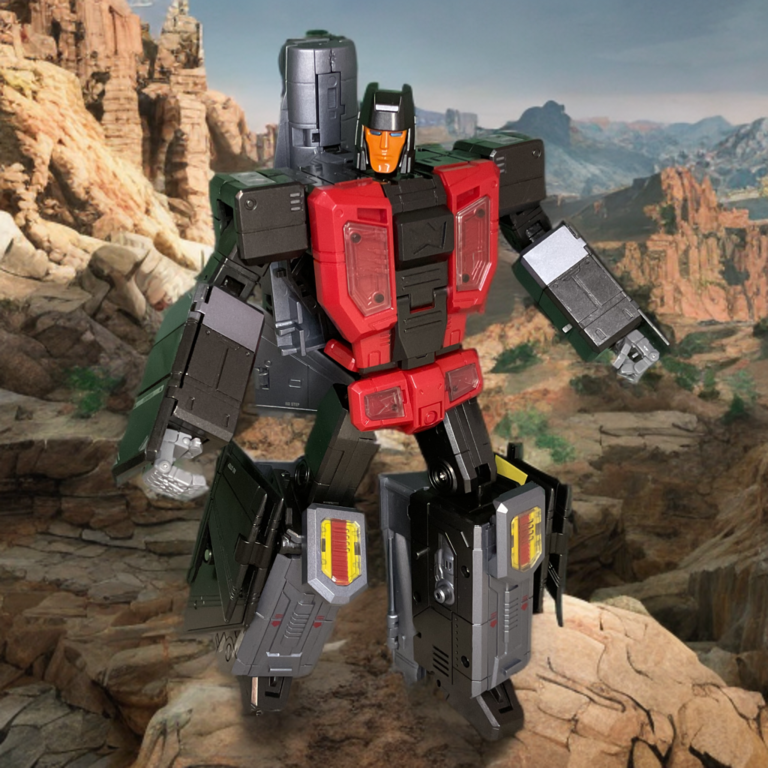
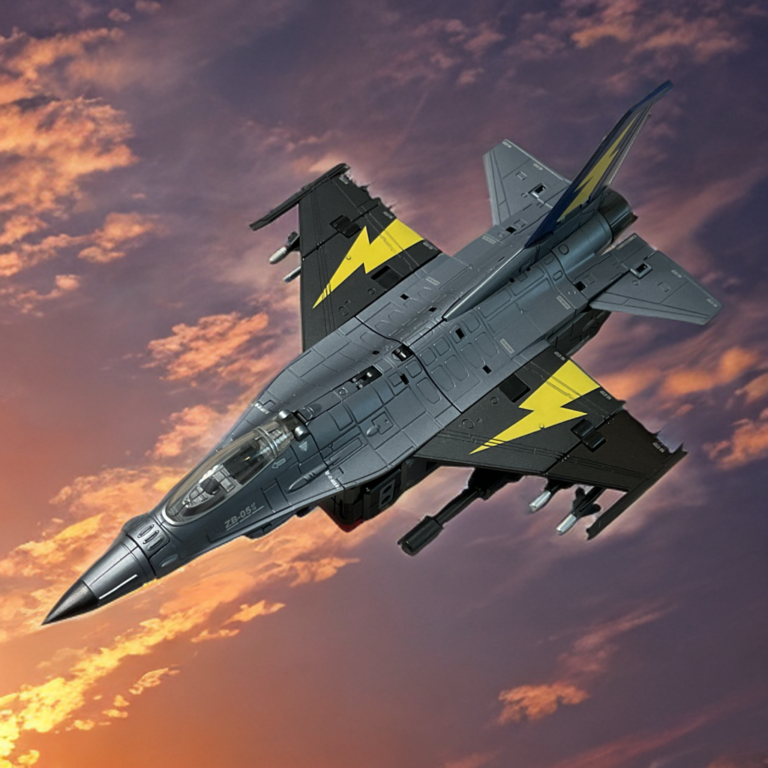
Skydive transforms into an F-16 Fighting Falcon, a modern precision strike aircraft celebrated for its exceptional maneuverability, advanced avionics, and role in air superiority and ground-attack missions. Official Generation 1 facts portray him as a knowledgeable historian of aerial warfare, boasting an intelligence rating of 10—the highest among the Aerialbots—which reflects his deep study of historical battles and tactical principles. He’s modest and unassuming, preferring quiet analysis and learning over boasting about his expertise, which makes him a calming, intellectual counterbalance to his more impulsive teammates. This scholarly demeanor often leads him to approach combat with calculated precision rather than raw aggression, analyzing enemy patterns and suggesting optimal strategies for the team.
Abilities
His abilities include reaching speeds of Mach 2 (approximately 1,500 mph or 2,414 km/h) with a range of 2,000 miles in jet mode, equipped with cluster bombs, heat-seeking missiles, and a nose-mounted cannon for pinpoint strikes. In robot mode, he wields a laser rifle that fires rapid bursts of concentrated energy. Tech specs further detail him as Strength 6, Intelligence 10, Speed 9, Endurance 7, Rank 5, Courage 8, Firepower 7, and Skill 9, underscoring his intellectual prowess and high skill in execution while maintaining solid combat reliability. His modest nature ensures he defers to Silverbolt’s leadership but provides invaluable tactical insights during engagements.
Animation
Skydive’s strategic contributions shine in key episodes and stories. In “War Dawn,” he and the Aerialbots are transported back to ancient Cybertron via the Kronosphere, where he analyzes historical battles and witnesses the origins of the Autobot-Decepticon conflict, including Orion Pax’s transformation into Optimus Prime; this experience deepens his commitment to the cause and informs his tactical thinking in future fights. In “The Key to Vector Sigma, Part 2,” he participates in the Aerialbots’ inaugural battle against the Stunticons, combining into Superion to defeat Menasor.
Other appearances include “Aerial Assault,” contributing to reconnaissance and the defeat of Bruticus; “Cosmic Rust,” aiding in the destruction of the Lightning Bug weapon; and “The Rebirth,” defending Cybertron’s Plasma Energy Chamber. In Japanese continuities such as Fight! Super Robot Lifeform Transformers and The Headmasters, he offers analytical support in combiner clashes against Abominus, Devastator, and other threats, often grounding the team with logical assessments amid chaos.
In the Marvel Comics G1 series, Skydive features in tales like “Aerialbots over America!” (Issue #21), helping defend Hoover Dam and forming Superion against Decepticon assaults, where his tactical knowledge aids in countering enemy maneuvers. As a vital component of Superion, Skydive typically forms the right leg, grounding the combiner with tactical stability, enhanced lower-body support for precise movements, and balanced weight distribution that allows for controlled, strategic advances and defensive stances in battles against gestalts like Menasor or Bruticus. This position leverages his scholarly mindset to contribute to Superion’s overall focus on overwhelming, calculated destruction rather than impulsive action, with scramble-style flexibility in some media permitting variable limb assignments while maintaining his nominal right-leg role for optimal stability and power delivery.
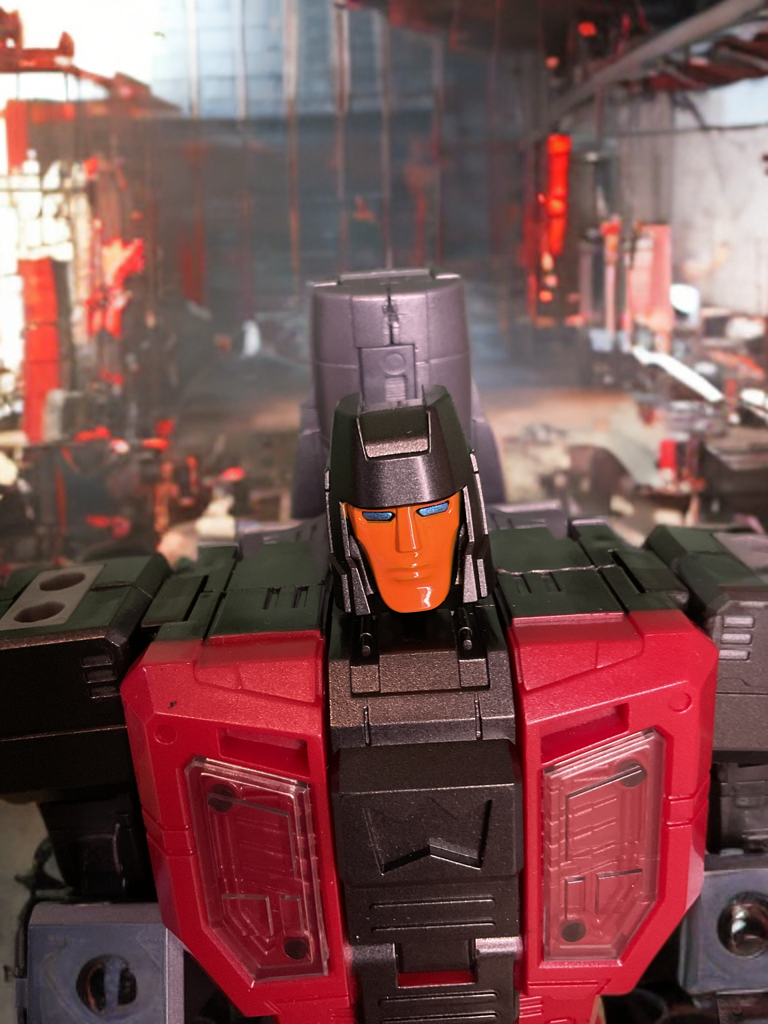
Review of Downthrust (Skydive Homage)
Downthrust, the homage to Skydive in the Zeta Toys ZB-06 Superitron Metallic Edition set (corresponding to the ZB-03 individual release in the Kronos/Superion series), stands at approximately 21 cm (8.3 inches) tall in robot mode, maintaining the consistent Masterpiece-scale sizing of the Aerialbots team. This figure transforms into a sleek F-16 Fighting Falcon jet mode, faithfully recreating the precision strike aircraft from G1 canon with its distinctive single vertical stabilizer, cropped delta wings, bubble canopy, and aerodynamic contours that emphasize tactical accuracy and high-speed performance.
The Metallic Edition elevates Downthrust’s appearance with a sophisticated glossy finish: metallic blue dominates the main body and wings, paired with crisp white panels, subtle gray metallic accents on the intakes and stabilizers, and metallic silver highlights that add depth and reflectivity. Under display lighting, these metallic tones create a dynamic, premium sheen—often noted in collector discussions for giving the figure a stealthy yet refined look that aligns perfectly with Skydive’s scholarly, tactical persona, making it visually distinct from the brighter team members while still popping impressively in both modes.
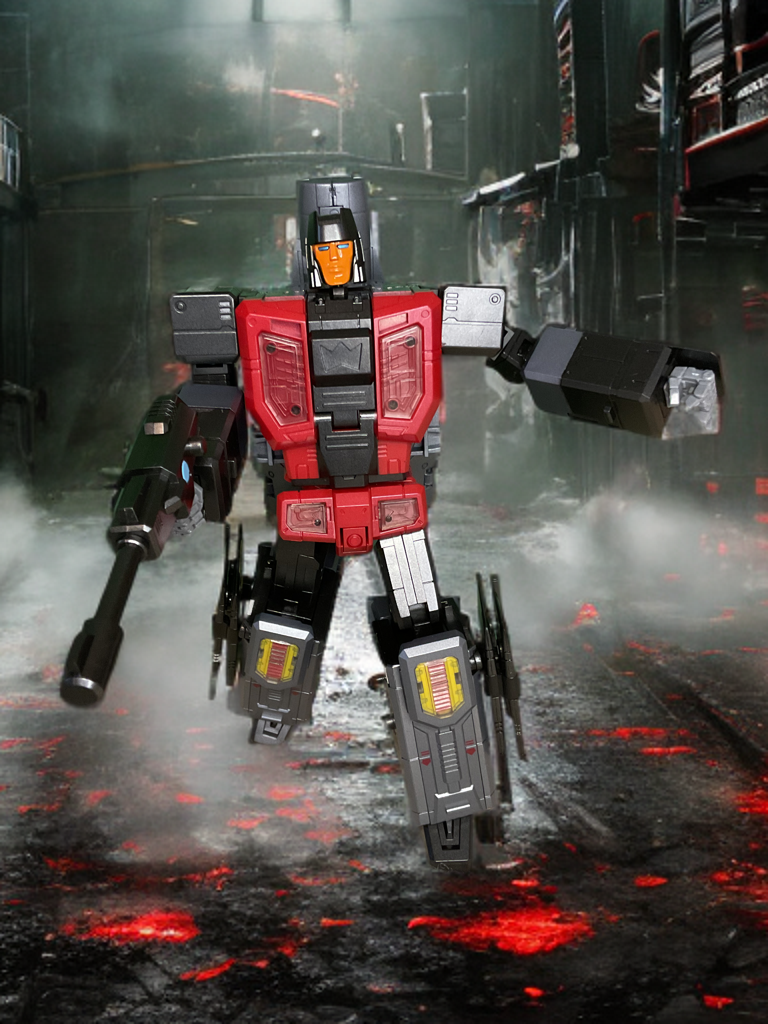
In robot mode, Downthrust captures Skydive’s modest tactician archetype through clean, functional sculpting: a detailed chest with discreet combiner ports, broad shoulders conveying quiet strength, and a helmeted head featuring a prominent metallic silver visor that suggests analytical focus rather than aggression. Articulation is excellent and precise, with ball-jointed shoulders providing full range of motion, double-jointed elbows and knees for deep, secure bends, ratcheted hips, and ankle tilts that enable stable, grounded poses ideal for strategic stances or simulated reconnaissance flights. The hands securely accommodate the included blaster (a laser rifle homage), and the overall build incorporates high-grade ABS plastic with diecast weighting in the feet and lower legs for enhanced balance and a satisfying premium heft.
Transformation
Transformation follows a smooth, logical 12-step sequence: the legs compress and fold to form the rear fuselage, arms pivot and sweep back to become the wings, and the head retracts beneath the canopy. Tabbing locks firmly with minimal reported alignment issues, producing a compact, speedy-looking jet mode approximately 30 cm long complete with deployable landing gear for stable display.
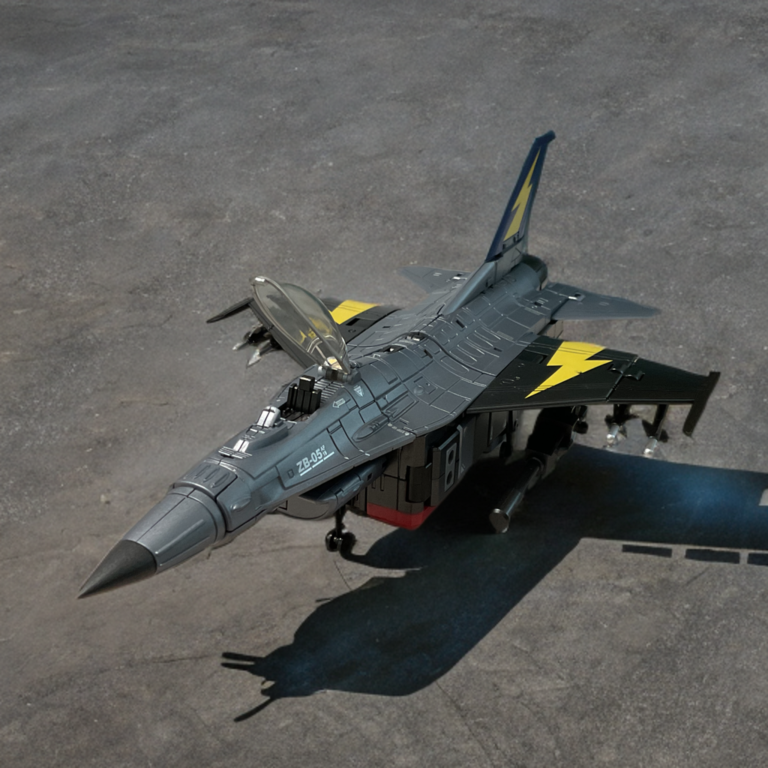
The metallic paint excels here, accentuating the engine nozzles, leading edges, and canopy frame for a high-performance aesthetic—though, consistent with the set’s glossy finishes, fingerprints may show during handling.
As Superion’s right leg in combined mode, Downthrust provides critical lower-body grounding, tactical stability, and balanced support for the gestalt. The combiner ports connect securely with ratcheted joints, ensuring reliable locking and poseability that allows Superitron to execute controlled advances, defensive postures, and precise stomps against opponents like Menasor or Bruticus. This right-leg position leverages Skydive’s intellectual strengths by contributing to the combiner’s overall structural integrity and calculated movement, helping maintain equilibrium in the towering 54 cm figure while the left leg (Airstrike) handles more aggressive charging duties.
Durability is robust, with joints that hold poses effectively and resist wear under normal collector use, and the metallic paint demonstrates excellent adhesion with no chipping noted in standard handling or display conditions according to reviews. Minor hip play can occasionally develop after extensive transformations, but this is infrequent and typically does not affect functionality. Compared to the original G1 Skydive toy, Downthrust delivers dramatically superior articulation, proportion accuracy, paint quality, and modern engineering, translating the character’s tactical scholar personality into versatile, thoughtful posing that suits analytical dioramas or precise action displays.
Overall, the Metallic Edition Downthrust stands as a refined and understated standout in the ZB-06 lineup, blending Skydive’s canonical modesty and intelligence with luxurious reflective finishes that make it gleam subtly yet powerfully. Its reliable transformations, extensive posability, and essential right-leg role in Superitron earn it strong praise from Aerialbots enthusiasts seeking a premium homage that emphasizes precision and stability alongside visual sophistication.
Slingshot: The Boastful Competitor
Slingshot transforms into an AV-8B Harrier Jump Jet, a vertical/short takeoff and landing (V/STOL) aircraft capable of hovering, rapid directional changes, and precise strikes from unconventional positions. His official Generation 1 toy biography highlights an abrasive, insecure personality—he compensates for deep-seated feelings of inadequacy and envy toward his teammates’ skills by constantly boasting about his own abilities, often coming across as arrogant or overly competitive. Despite this grating demeanor, Slingshot is genuinely a highly skilled flier with an endurance rating of 8, allowing him to maintain performance under stress and in prolonged engagements. His tech specs rate him as Strength 6, Intelligence 6, Speed 8, Endurance 8, Rank 5, Courage 7, Firepower 7, and Skill 9, emphasizing his aerial proficiency and resilience while reflecting average strategic depth and leadership.
Animation
Slingshot’s attitude frequently strains team dynamics, as seen in “The Key to Vector Sigma, Part 2,” where his boasts and defensiveness contribute to early friction among the freshly activated Aerialbots during their confrontation with the Stunticons; yet he proves vital by participating in Superion’s formation to turn the tide against Menasor. In episodes like “Aerial Assault,” he assists in Middle Eastern reconnaissance and combiner battles against Bruticus, redeeming his abrasiveness through effective action. Other appearances include “Cosmic Rust” (destroying the Lightning Bug), “The Five Faces of Darkness” (rescuing allies from Quintessons), and “The Rebirth” (defending Cybertron’s Plasma Energy Chamber). In Japanese continuities such as Fight! Super Robot Lifeform Transformers and The Headmasters, he engages in combiner clashes with Abominus and Devastator, often providing endurance in drawn-out fights despite interpersonal tensions. Marvel Comics G1 stories like “Aerialbots over America!” feature him in Hoover Dam defenses and combiner actions, where his boastful nature adds character conflict but does not prevent contributions.
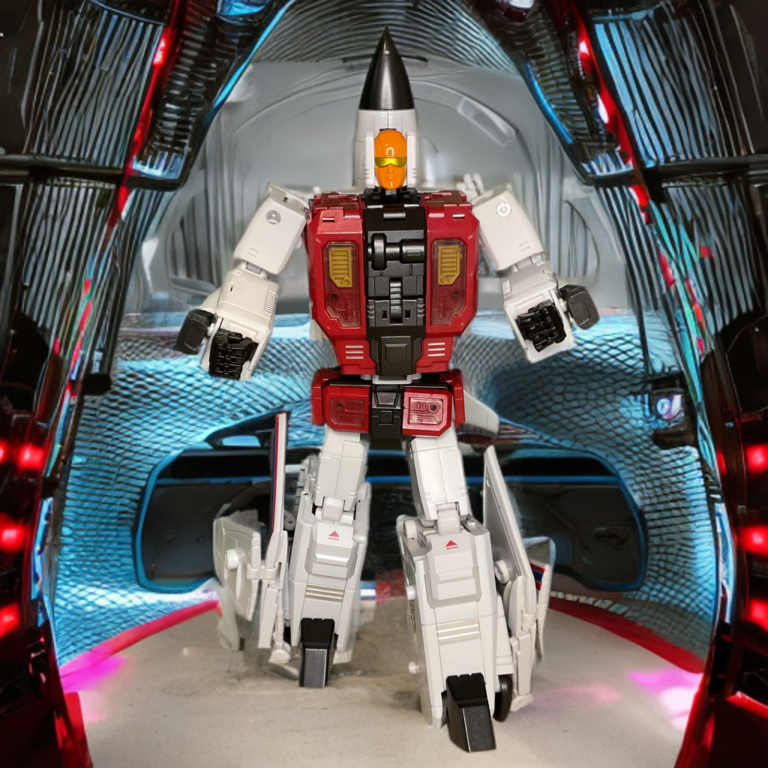
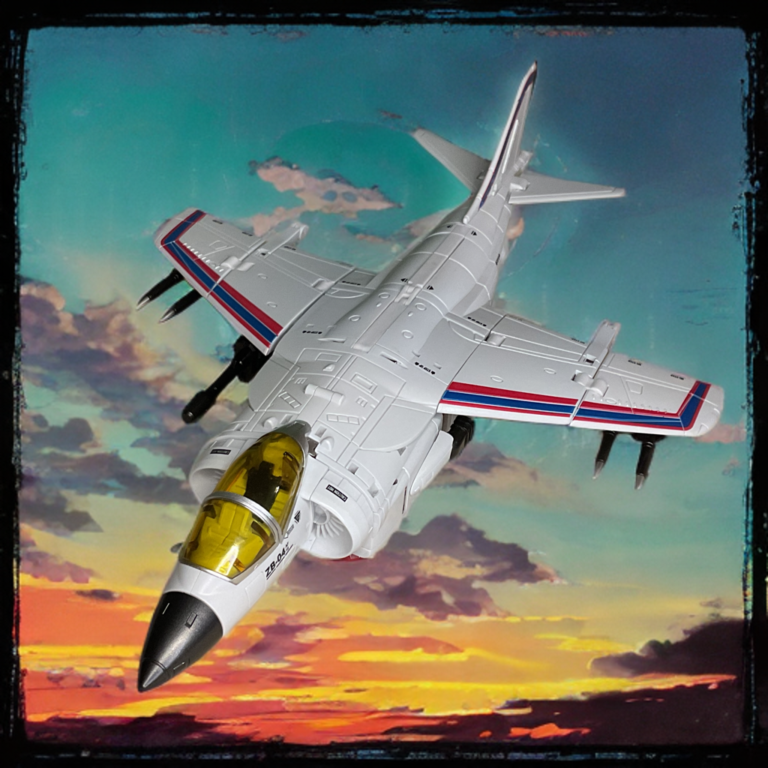
As a key component of Superion, Slingshot typically forms the left arm, providing powerful upper-body support, enhanced reach for striking or grappling, and integration of his weaponry into the combiner’s arsenal for forceful attacks. This position contributes raw aerial maneuverability and endurance to Superion’s left side, enabling dynamic swings, punches, and sustained pressure in battles against gestalts like Menasor or Bruticus. While Superion’s scramble-style design (as in Scramble City) allows interchangeable limbs, Slingshot’s nominal left-arm role in most official fiction and toy depictions balances the combiner’s structure, complementing the right arm (Fireflight) for coordinated, overwhelming destructive force while his personality quirks are largely suppressed in the gestalt’s singular focus.
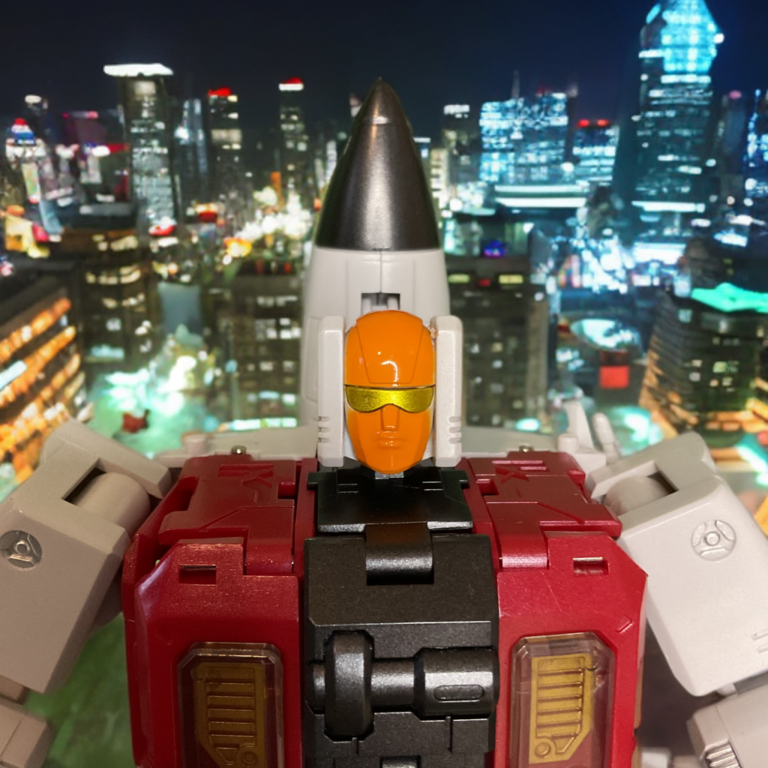
Review of Catapult (Slingshot Homage)
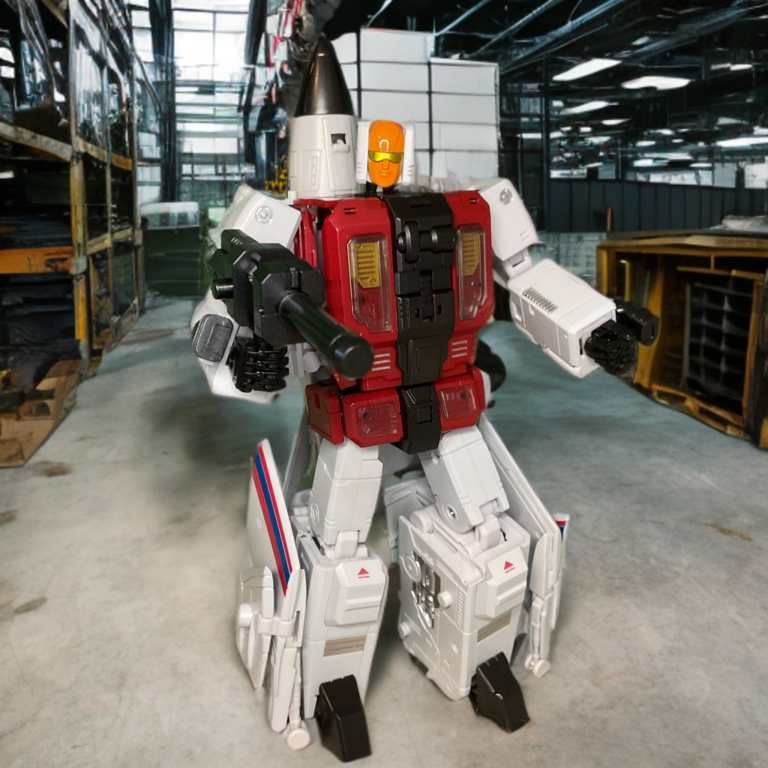
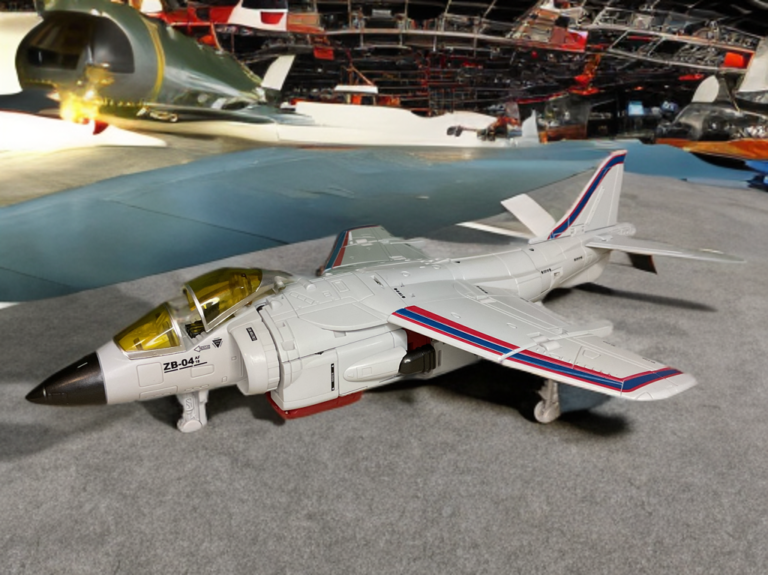
Catapult, the homage to Slingshot in the Zeta Toys ZB-06 Superitron Metallic Edition set (corresponding to the ZB-04 individual release in the Kronos/Superion series), stands at approximately 21 cm (8.3 inches) tall in robot mode, consistent with the Masterpiece-scale proportions of the Aerialbots team. This figure transforms into an AV-8B Harrier Jump Jet, accurately capturing the vertical/short takeoff and landing (V/STOL) aircraft from G1 canon with its distinctive forward-swept wings, rotatable engine nozzles for hover capability, raised cockpit, and under-fuselage details that highlight its unique ability to operate from unconventional positions.
The Metallic Edition enhances Catapult’s visual presence with a glossy, reflective finish: a clean white base dominates the body and wings, accented by rich metallic maroon panels on the fuselage, tail, and intakes, along with metallic silver and gray highlights on the nozzles, landing gear, and visor. This premium paint scheme delivers a dynamic sheen that shifts under lighting—collector feedback frequently praises how the metallic white appears crisp and luxurious while the maroon adds depth and aggression, perfectly suiting Slingshot’s boastful yet insecure personality and making Catapult stand out as the team’s more grounded, vertical-capable member.
In robot mode, Catapult embodies Slingshot’s abrasive, competitive archetype through bold sculpting: an aggressive head design featuring metallic blue eyes that convey defiance and intensity, broad shoulders with ratcheted joints for secure wide stances, thigh swivels for dynamic leg positioning, deep elbow and knee bends, and ankle tilts that support assertive, chest-out poses evoking canon boasting scenes. The hands are molded to hold the included blaster (a rifle-style weapon homage) firmly, and combiner connectors on the arms remain discreet, integrating smoothly without compromising the figure’s clean lines or aggressive aesthetic.
Transformation
Transformation is deliberate and satisfying, requiring about 13 steps: the legs fold and pivot to form the rear fuselage, arms swing forward to become wings, the head tucks into the cockpit, and the signature engine nozzles rotate downward for VTOL mode simulation. Tabbing is firm and precise with no reported looseness or alignment issues in reviews, resulting in a stable, well-proportioned jet mode approximately 30 cm long featuring deployable landing gear and functional nozzle articulation for display versatility. The metallic paint gleams especially well on the nozzles, leading edges, and fuselage panels, creating a high-performance look—though glossy surfaces may show fingerprints during handling, consistent with the set’s premium finishes.
As Superion’s left arm in combined mode, Catapult delivers powerful upper-body support, extended reach for striking or grappling, and integrated endurance that bolsters the gestalt’s left-side attacks. The arm ports lock securely with ratcheted mechanisms for reliable, poseable connections, enabling dynamic swings, punches, and sustained pressure that complement the right arm (Fly Fire) for coordinated, forceful combat against combiners like Menasor or Bruticus. This left-arm position leverages Slingshot’s canonical endurance and aerial skill, contributing to Superitron’s overwhelming destructive focus while maintaining structural balance in the towering 54 cm figure.
Build quality is excellent, utilizing high-grade ABS plastic with diecast elements in the feet and select joints for added weight, stability, and durability—reviews consistently note firm tabs, robust construction, and no widespread looseness even after repeated transformations. The metallic paint holds up well with no chipping under standard handling or display conditions. Compared to the original G1 Slingshot toy, Catapult offers significantly superior articulation, scale accuracy, paint execution, and engineering, translating the character’s boastful competitor personality into versatile, confident posing that excels in individual action displays or as a vital limb in Superitron.
Overall, the Metallic Edition Catapult captures Slingshot’s abrasive yet skilled essence through its aggressive design, reliable VTOL-inspired transformations, extensive posability, and eye-catching reflective finishes that give it a bold, premium edge. Its crucial left-arm role in Superion, combined with solid build quality and visual flair, makes it a highly regarded piece among Aerialbots collectors seeking an upgraded, factual homage to the team’s boastful vertical specialist.
| Aerialbot | Personality | Alternate Mode | Superion Body Part |
|---|---|---|---|
| Silverbolt | Brave, acrophobic leader | Concorde SST jet | Torso |
| Air Raid | Impulsive, thrill-seeking | F-15 Eagle jet | Left Leg |
| Fireflight | Dreamy, easily distracted | F-4 Phantom II jet | Right Arm |
| Skydive | Scholarly, modest tactician | F-16 Fighting Falcon jet | Right Leg |
| Slingshot | Boastful, insecure | AV-8B Harrier Jump Jet | Left Arm |
Combined Mode: Superitron in Detail
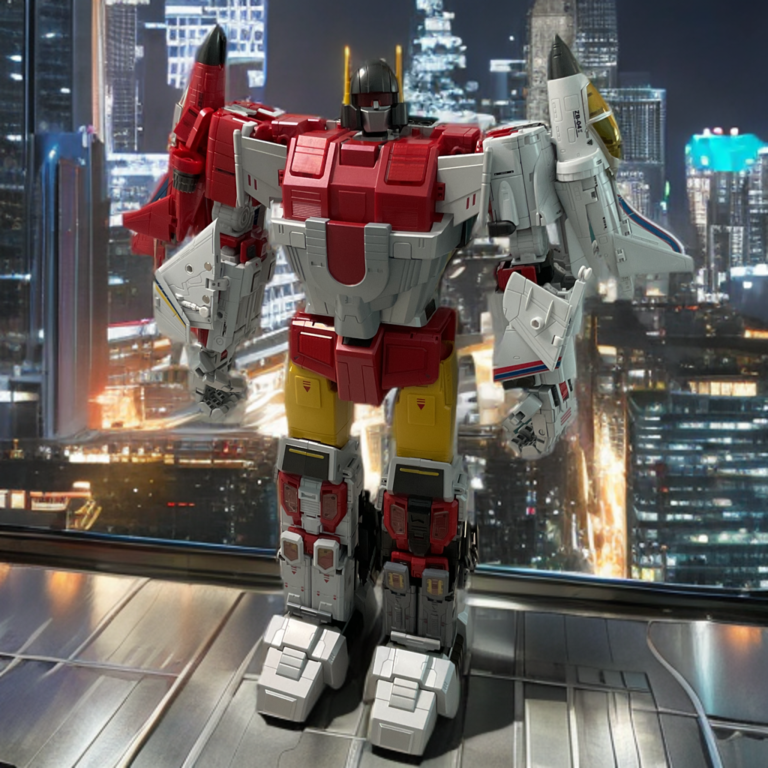
Assembling the five figures from the Zeta Toys ZB-06 Superitron Metallic Edition into the full Superitron combiner creates an impressive 54 cm (approximately 21.26 inches or 20.5 inches in some listings) tall giant, towering over most Masterpiece-scale figures and delivering a commanding presence that closely evokes the iconic G1 Superion from the animated series. The Metallic Edition’s signature glossy, reflective paint scheme dominates in combined form with pearl-like white panels, rich metallic red on the chest and accents, vibrant metallic blue highlights, and silver/gray metallic details across the limbs and torso—these unified metallic finishes create a cohesive, premium look that shifts beautifully under lighting, giving Superitron a more cartoon-accurate vibrancy and luxurious sheen compared to the standard non-metallic version, often described by collectors as looking “straight out of the cartoon” with enhanced depth and pop.
The combiner ports and connection points lock securely and firmly, utilizing ratcheted mechanisms throughout for reliable stability—shoulder connections, hip attachments, and limb locks feel solid with minimal play in most reviews, allowing Superitron to hold dynamic poses without sagging or loosening over time. Articulation in combined mode remains surprisingly good for a gestalt of this scale: the shoulders offer swivels and some forward/backward movement, elbows provide bends for arm posing, hips allow rotation and slight forward tilt for stance variety, and the torso/head section includes a rotating neck swivel for directional facing. The head sculpt features light-piping eyes (translucent elements that catch light effectively for a glowing effect in photos or under spotlights), adding to the imposing, focused expression that captures Superion’s singular destructive mindset.
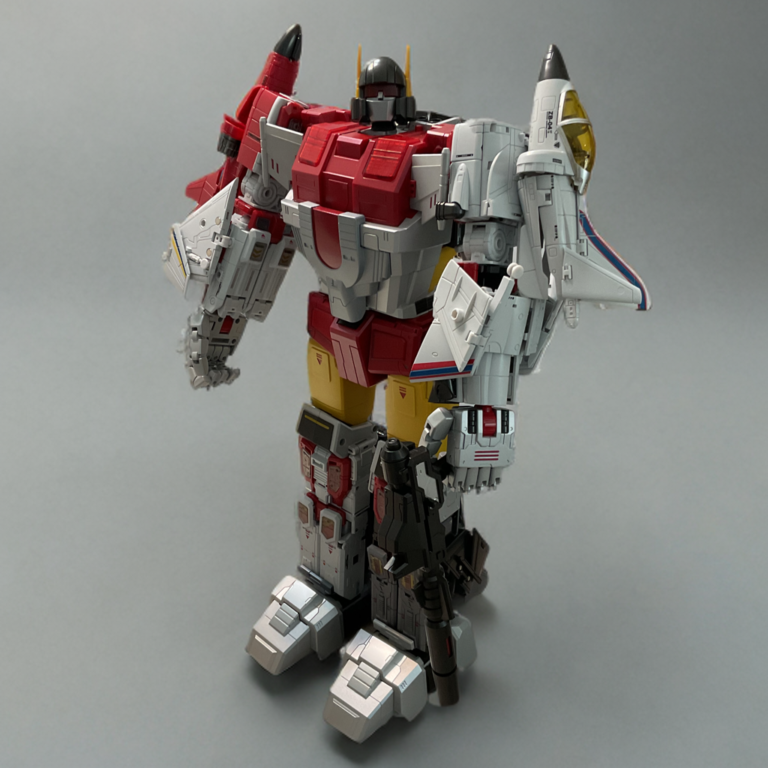
Included combiner attachments assemble into a massive, oversized rifle weapon that mounts securely in Superitron’s hands—formed from combined parts of the individual figures’ accessories, it scales perfectly to the giant’s proportions and features metallic accents that match the overall paint scheme for a unified appearance. Stability stands out as one of the Metallic Edition’s strongest attributes in combined mode: the diecast-weighted feet (with added rubberized pads in some areas for grip) and sturdy joint tolerances ensure excellent balance even in aggressive stances or slight leans, with reviewers frequently noting it feels “very, very stable” and superior to many budget combiners or even some competing third-party options in terms of pose retention without back-breaking or drooping.
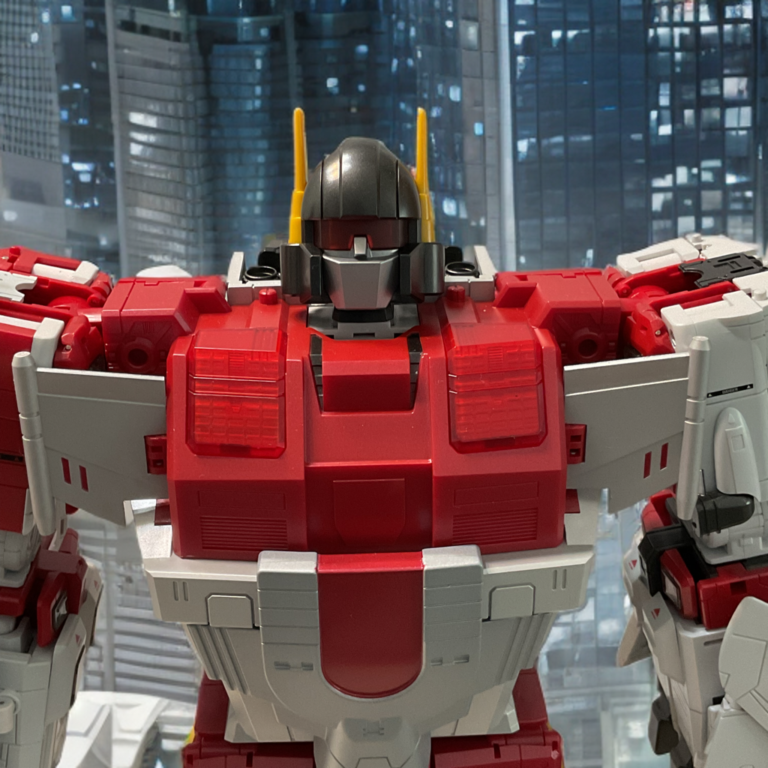
The metallic paint applications truly unify the design, blending the individual bots’ colors into a seamless whole that emphasizes G1 Superion’s overwhelming aerial power and destructive focus—metallic red chest panels gleam prominently, while the pearl white limbs and accents create a clean, heroic silhouette that rivals official Hasbro releases in visual fidelity. Collector reviews consistently highlight the premium feel, with comments praising how the Metallic Edition elevates the combined mode to “next level” quality in paint, build, and presence, often comparing it favorably to more expensive alternatives like FansToys versions for value and screen-accuracy. Minor caveats include occasional need for arm connection adjustments during initial assembly (to ensure perfect alignment) or slight fingerprint visibility on high-gloss surfaces, but these are far outweighed by the overall robustness, poseability, and eye-catching metallic aesthetics that make Superitron a standout centerpiece in any combiner collection.
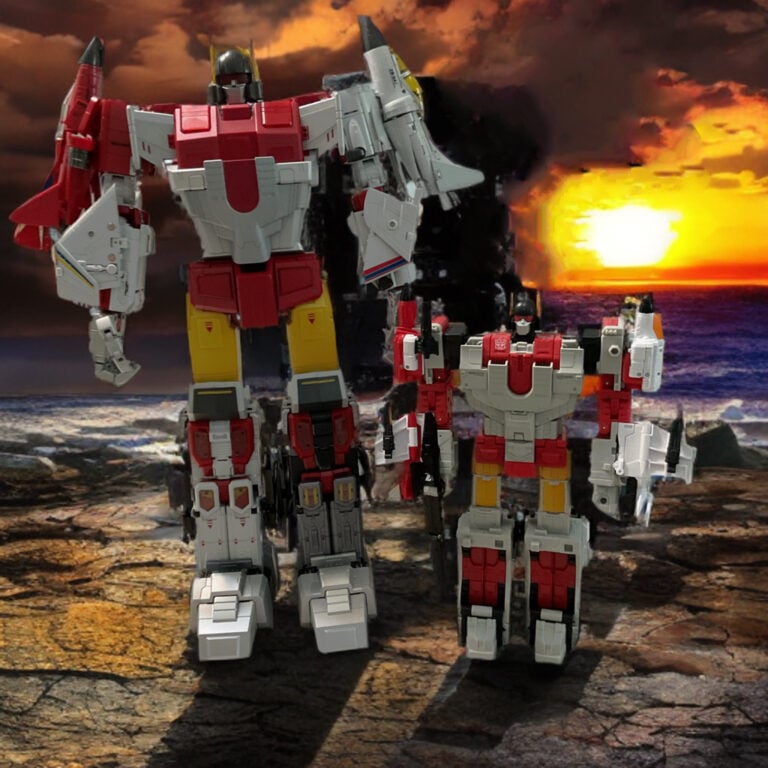
Accessories: Zeta Toys ZB-06 Superitron Metallic Edition
The Zeta Toys ZB-06 Superitron Metallic Edition is packaged as a complete gift set, emphasizing convenience and premium presentation for collectors. It includes the five core figures—Silver Arrow (Silverbolt homage), Airstrike (Air Raid), Fly Fire (Fireflight), Downthrust (Skydive), and Catapult (Slingshot)—each approximately 21 cm tall, all finished in the signature glossy metallic paint scheme. Beyond the figures themselves, the set provides essential accessories tailored to both individual and combined modes, ensuring full functionality without requiring additional purchases.
Each of the five figures comes with its own dedicated blaster weapon, styled as G1-inspired firearms (such as torque rifles or laser-style guns) that attach securely via molded hands in robot mode and often via pegs or storage points in jet mode. One figure (typically the Skydive homage, Downthrust) includes a unique double-barrel variant for added variety, while the others feature single-barrel designs—all finished with metallic accents to match the edition’s reflective aesthetic. These blasters integrate seamlessly and scale appropriately for the figures.
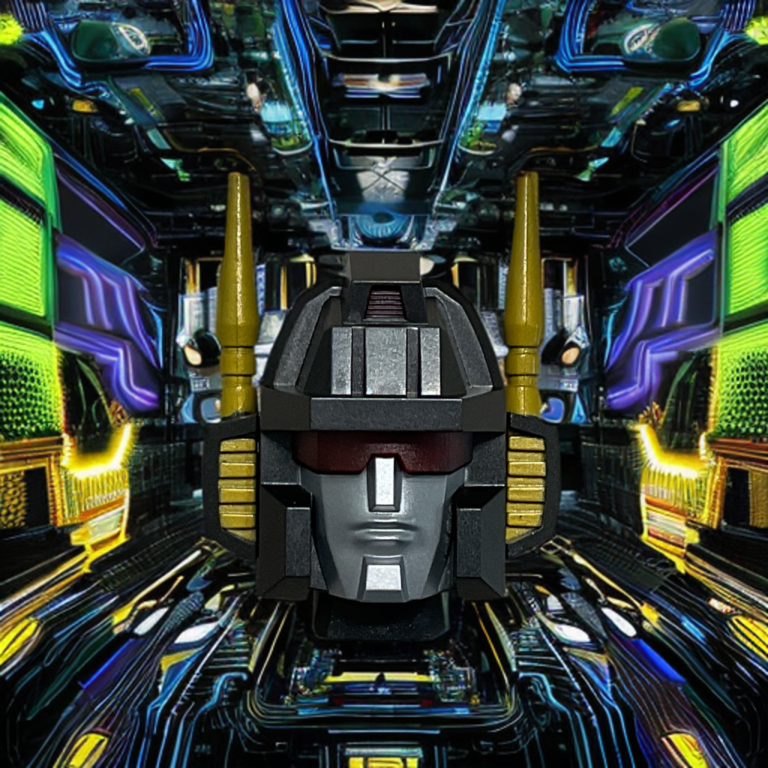
For Superitron’s combined mode, the set supplies dedicated combiner attachment pieces—the specialized ports, connectors, and structural supports needed for secure limb and torso assembly. These ensure stable, ratcheted connections that prevent sagging or misalignment during posing. The accessories also include components to form the massive combiner rifle, assembled from combined weapon parts or dedicated pieces, which mounts firmly in Superitron’s hands and features metallic detailing for visual cohesion.
A notable Metallic Edition-specific inclusion is an optional die-cast chest plate (or enhanced chest piece) for Superitron, providing a premium, weighted upgrade over the standard plastic torso panel. This piece attaches via pegs or adhesive stickers (included for secure mounting), offering collectors the choice between the default chest sculpt and this more robust, metallic-finished alternative that enhances the gestalt’s imposing look and durability.
Additional minor accessories often bundled in the gift set include collector bio/tech spec cards (thick, credit card-style with character details and artwork), foam or rubberized foot pads/sticky tabs for improved standing stability on display surfaces (particularly useful for the heavy combined mode), and screw covers or small cosmetic pieces to conceal joints or assembly points for a cleaner appearance.
The entire package is housed in sturdy, padded foam inserts within a large gift box, designed to protect the metallic finishes during shipping and storage—no separate stands, extra weapons beyond the blasters and combiner rifle, or electronic features (like lights/sounds) are included in the standard Metallic Edition set, keeping the focus on high-quality physical components and paint upgrades. This accessory suite keeps things factual and functional, prioritizing combiner integrity and individual versatility while delivering the premium feel expected from the Metallic Edition’s enhanced production run.
Zeta Toys ZB-06 Superitron Metallic Edition vs. FansToys FT-30 Ethereaon (Superion Homage): A Comparison
When choosing a Masterpiece-scale homage to Generation 1 Superion (the Aerialbots combiner), two of the most prominent third-party options are Zeta Toys’ ZB-06 Superitron Metallic Edition and FansToys’ FT-30 Ethereaon (often referred to as Ethereaon or simply their Superion set). Both deliver premium interpretations of the iconic gestalt, drawing faithfully from G1 canon in design, proportions, and combiner functionality. However, they cater to slightly different priorities: Zeta emphasizes a rock-solid combined mode with excellent value and upgraded metallic aesthetics, while FansToys focuses on superior individual bot modes with higher-end detailing and materials.
The chart below compares key aspects based on collector reviews, unboxings, and community discussions (e.g., from YouTube comparisons like TMReviews, TFW2005 forums, and Facebook groups). Note that FansToys’ set is typically sold as individual figures (FT-30A through FT-30E for the Aerialbots, plus combiner parts), leading to a higher total cost, whereas Zeta’s Metallic Edition is a complete gift set.
| Category | Zeta Toys ZB-06 Superitron Metallic Edition | FansToys FT-30 Ethereaon (Superion) | Winner/Notes |
|---|---|---|---|
| Combined Mode Stability & Poseability | Extremely solid; ratcheted ports, diecast-weighted feet, minimal sagging; holds dynamic poses reliably. Often called “rock-solid” and one of the best combiner modes available. | Good stability with secure connections, but some reports of wonky shoulders or minor parts-forming quirks; articulation is strong but not always as forgiving as Zeta’s. | Zeta (stronger consensus for combined mode dominance) |
| Individual Bot Modes | Solid robot and jet modes with good articulation and metallic paint; functional but less refined in sculpt/detail compared to premium competitors. | Vastly superior detailing, engineering, and premium materials; individual bots often described as “night and day” better, with exceptional paint, proportions, and posability. | FansToys (clear edge for standalone display) |
| Paint & Aesthetics | Glossy metallic/pearl finishes (white, red, blue, silver) provide premium sheen and cartoon-accurate vibrancy; unified look in combined mode shines under light. | High-quality paint with more nuanced applications and premium feel; individual bots benefit from finer details, but combined mode can appear less “popping” than Zeta’s metallic version. | Zeta (for metallic upgrade and combined cohesion) |
| Height (Combined Mode) | Approximately 54 cm (21.26 inches) tall; imposing scale with good presence. | Very similar scale (around 50-54 cm depending on exact configuration); comparable towering presence. | Tie (near-identical sizing) |
| Transformation & Engineering | Intuitive 12-15 steps per figure; smooth tabbing, fewer tiny parts; easier for repeated use. | More complex/over-engineered in places with panels and small parts; rewarding but can feel tedious. | Zeta (easier, more user-friendly) |
| Accessories & Completeness | Complete gift set: 5 blasters, combiner rifle parts, attachments, optional die-cast chest upgrade; padded packaging. | Individual releases require buying all 5 bots + combiner kit; includes detailed weapons and parts-forming elements. | Zeta (better all-in-one value) |
| Price (Approximate Retail) | Around $400–$600 USD for the full Metallic set (great value for a complete combiner). | Often $900–$1,050+ USD total for the full set (premium pricing reflects quality). | Zeta (superior value) |
| Overall Best For | Collectors prioritizing a stable, premium-looking combined Superion on a budget; excellent as a display centerpiece. | Enthusiasts wanting the absolute best individual Aerialbots with top-tier detailing; ideal if displaying bots separately. | Depends on priorities: Zeta for combiner focus/value; FansToys for individual excellence |
If your main goal is a stunning, stable Superion combiner that captures G1’s destructive aerial might with metallic flair and without breaking the bank, the Zeta Toys ZB-06 Metallic Edition often edges out as the practical choice—many collectors keep it for combined display even after acquiring FansToys bots. Conversely, if you value exquisite standalone figures and are willing to invest more, FansToys Ethereaon delivers unmatched polish in bot modes. Both are highly regarded homages, and some fans even mix them (Zeta combined, FansToys individuals) for the best of both worlds.
Why Superitron Metallic Rules
The Zeta Toys ZB-06 Superitron Metallic Edition stands as one of the most accomplished third-party combiner sets available to collectors, masterfully blending deep fidelity to Generation 1 Aerialbots canon with thoughtful modern engineering upgrades that elevate the entire experience. From the individual figures—each approximately 21 cm tall, meticulously transformed into their respective jet modes, and richly finished in glossy metallic paints that deliver pearl-like whites, vibrant reds, deep blues, and shimmering silvers—to the towering 54 cm combined Superitron gestalt, the set consistently impresses with its attention to detail, cartoon-accurate proportions, and premium feel.
The Metallic Edition’s standout feature remains its upgraded paint applications: the reflective, high-shine finishes unify the five bots into a visually cohesive whole that looks strikingly screen-accurate under display lighting, far surpassing the standard version in shelf presence and evoking the heroic yet destructive essence of G1 Superion.
Collectors frequently praise how the metallic sheen adds depth and dynamism—especially noticeable on Superitron’s chest, limbs, and head—while the diecast-weighted feet, sturdy ratcheted combiner
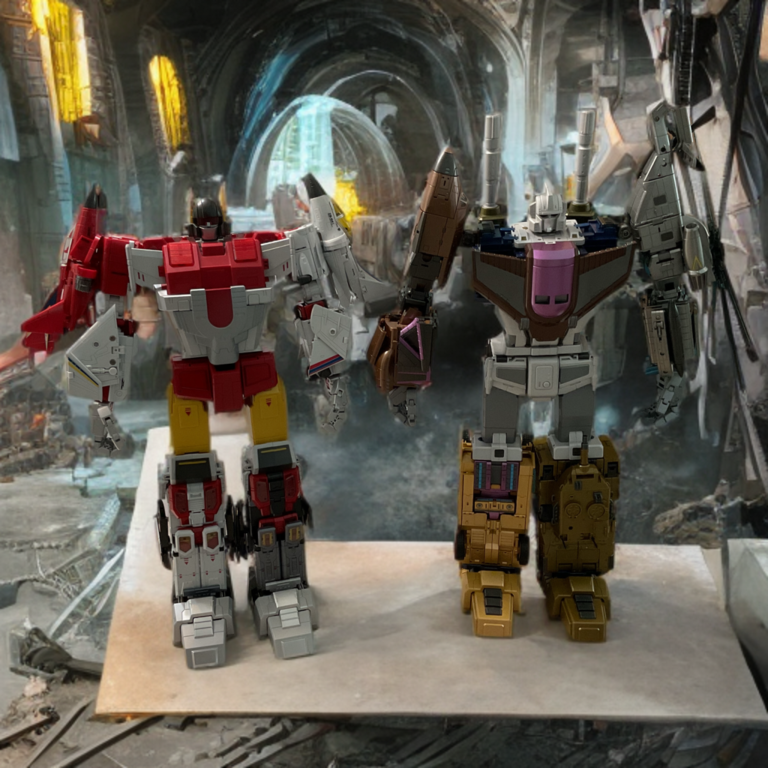
It’s a much more forgiving transformation than the Zeta Bruticon, which—no joke—actually cost me two stitches in my index finger.
ports, and solid joint tolerances provide exceptional stability and poseability in combined mode, allowing for confident dynamic stances that hold without sagging or requiring constant readjustment.
Beyond aesthetics, the set delivers on playability and durability: intuitive 12–15 step transformations per figure, secure accessory integration (blasters and the massive combiner rifle), extensive robot-mode articulation, and reliable limb locking make both individual display and full gestalt assembly satisfying and frustration-free. Minor drawbacks—such as occasional fingerprint visibility on glossy surfaces, rare reports of hip play after heavy use, or the need for precise arm alignment during combination—are consistently overshadowed by the overall build quality, value proposition, and sheer commanding scale that rivals or exceeds many official Hasbro Masterpiece combiners in presence and execution.
For fans of the Aerialbots’ legacy—rooted in their dramatic creation via Vector Sigma, their role as Earth’s aerial defenders, and their iconic battles against the Stunticons, Combaticons, and other Decepticon threats—the ZB-06 Metallic Edition offers the definitive modern homage. It captures Silverbolt’s reluctant leadership, Air Raid’s daring dives, Fireflight’s dreamy reconnaissance, Skydive’s tactical precision, and Slingshot’s boastful endurance, all while delivering a combiner mode that feels overwhelmingly powerful and true to canon. Whether displayed as five individual jets, posed in dynamic robot-mode dioramas, or fully united as the massive Superitron ready to crush Menasor or Bruticus, this set represents a high point in third-party Transformers collecting: nostalgic, refined, premium, and undeniably impressive.
In short, if you’re seeking the ultimate premium take on Superion with that extra metallic polish and uncompromising stability, the Zeta Toys ZB-06 Superitron Metallic Edition is not just a recommended purchase—it’s a collector’s centerpiece that honors the Aerialbots’ history while pushing the boundaries of what a modern combiner homage can achieve.
 English
  Deutsch
  Français
  Português do Brasil
  日本語
日本語  Español
  English (Australia)