

The Tragic True Story of Kamala: The Monster Wrestling Forgot
In the golden era of professional wrestling, few characters struck as much primal fear into audiences as Kamala the Ugandan Giant. Billed at 6’7″ and nearly 400 pounds, the barefoot, loincloth-clad monster with war paint on his face and stars and a moon on his massive torso represented the ultimate untamed savage. Managed by handlers like Kim Chee or “The Wizard,” Kamala grunted, slapped his belly, and delivered devastating splashes that made him feel like an unstoppable force of nature.
James Arthur Harris, the Mississippi-born sharecropper who portrayed him, created one of the greatest and most visually iconic gimmicks in wrestling history. He drew huge crowds in Memphis, Mid-South, World Class, and multiple WWF runs, main-eventing against Hulk Hogan, Andre the Giant, and others. Yet despite his overwhelming physical presence and the character’s terrifying aura, Kamala never won a major world title in the biggest promotions, never became the franchise star many believed he could be, and endured significant personal and financial hardships.
This is the tragic story of a wrestler who embodied dominance but was held back by industry politics, personal limitations, health struggles, and systemic issues. Kamala’s career highlights wrestling’s ability to turn a quiet Southern man into a global spectacle—and its failure to fully reward that transformation.
The Creation of a Monster: Birth of the Ugandan Giant Gimmick
James Harris was born on May 28, 1950, in Senatobia, Mississippi. Before wrestling, he picked cotton and drove trucks. He debuted in 1978 under names like Sugar Bear Harris and the Mississippi Mauler, with modest success. Everything changed in 1982 in Memphis when promoter Jerry Lawler, Jeff Jarrett, and others crafted the Kamala character, loosely inspired by Ugandan dictator Idi Amin and a Frank Frazetta painting of a tribal warrior.
Harris wrestled barefoot in a loincloth, face painted, carrying a spear and shield. To preserve kayfabe, he refused to speak English in public, grunting and acting feral. The gimmick was an instant sensation. Promotional vignettes showed him “emerging from the African jungle” (filmed locally with dry ice). His wild, no-selling brawling style—chops, bites, and that signature top-rope splash—made him a credible monster heel who felt legitimately dangerous.
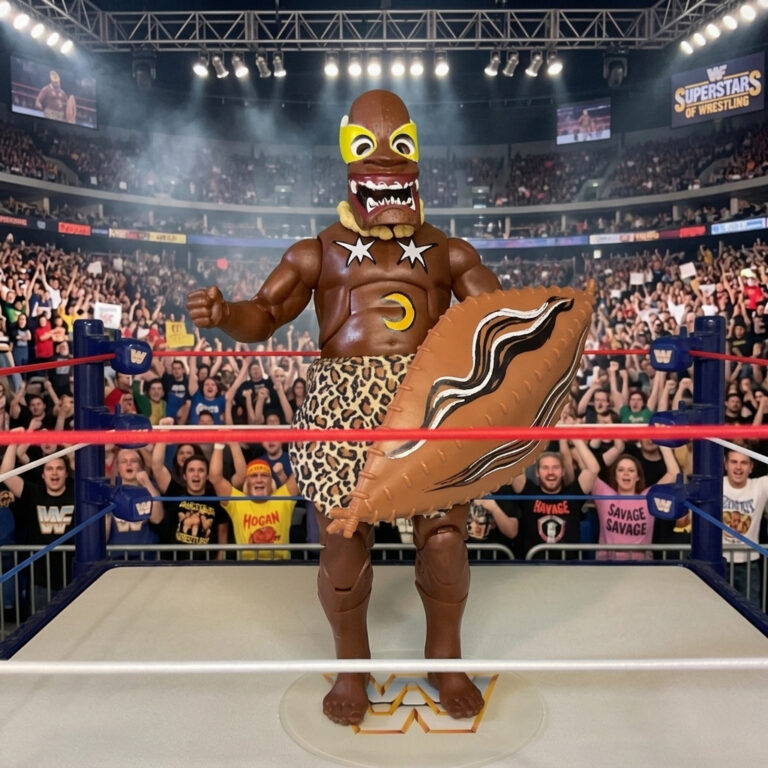
The character was problematic by modern standards, leaning into stereotypes of Africans as uncivilized cannibals. Harris later acknowledged this but viewed it pragmatically as a way to make money. He committed fully, turning “chicken shit into chicken salad” and becoming one of wrestling’s most memorable visuals.
Why Kamala Felt Like the Most Dominant Force in Wrestling
Kamala’s dominance wasn’t just size—it was presentation. In territories like Memphis and Mid-South, he was booked as an unstoppable beast. He no-sold much offense, absorbing punishment before exploding with power moves. His belly-slapping entrance, wild eyes, and handlers leading him like a caged animal amplified the menace.
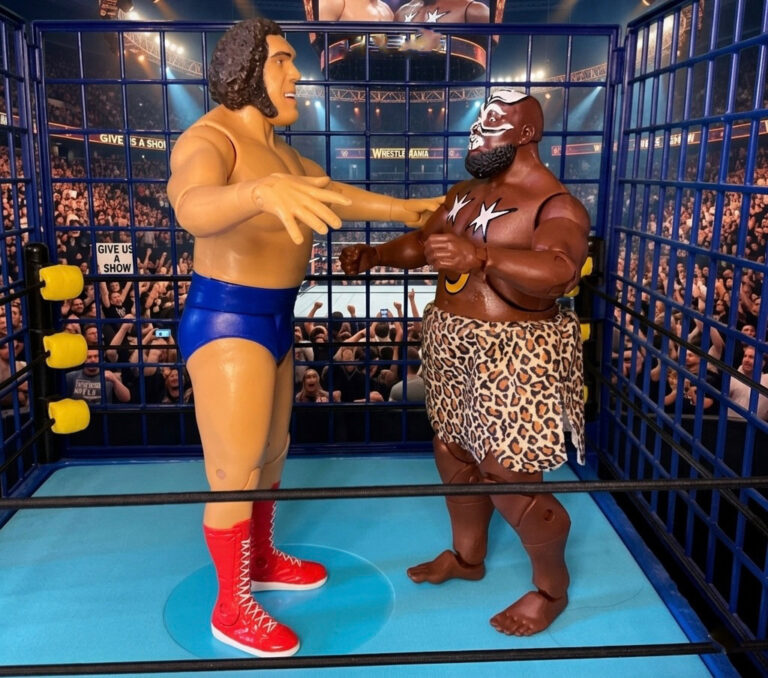
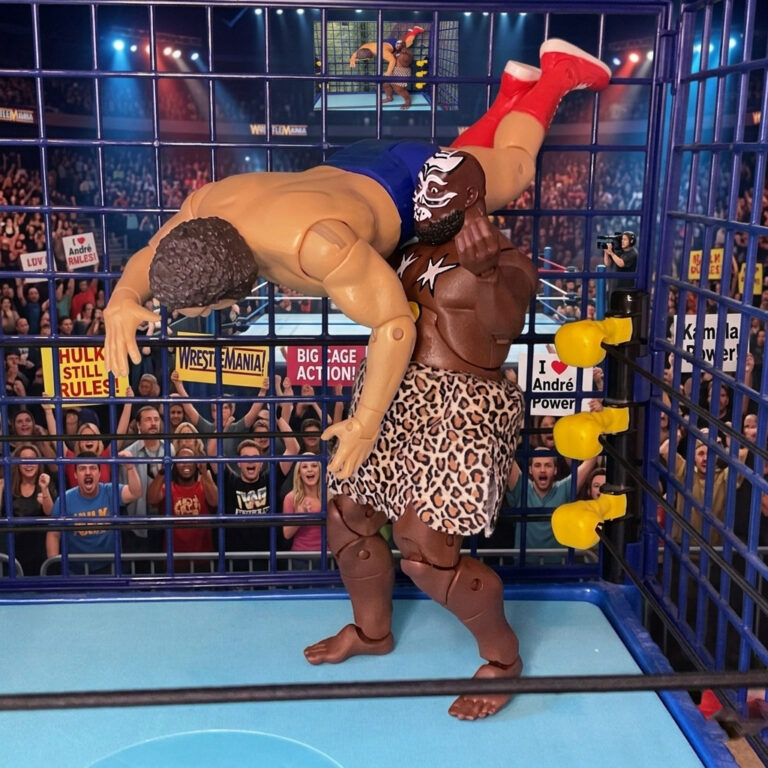
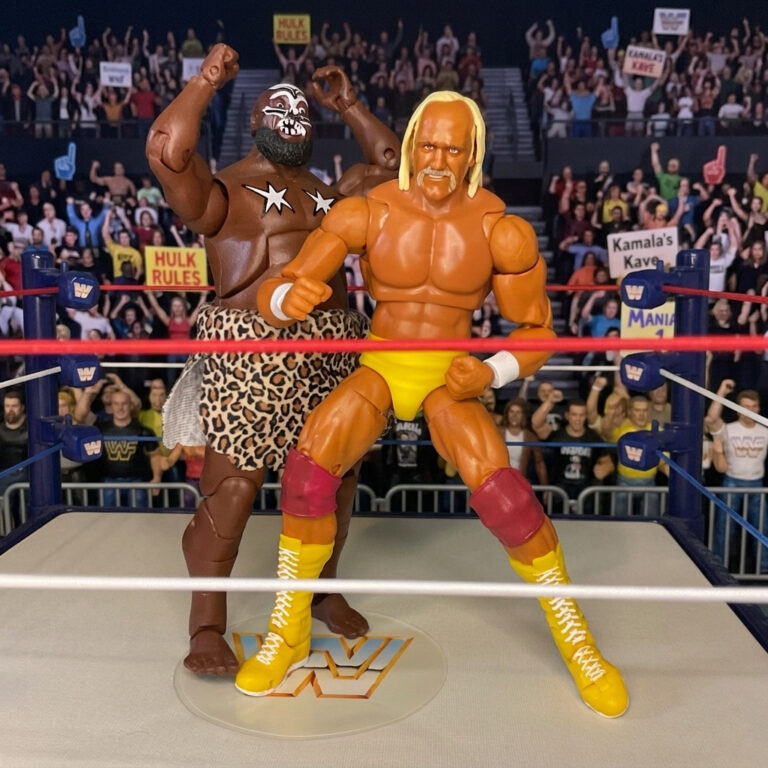
He feuded successfully with top stars. In World Class, battles with the Von Erichs drew money. In WWF, he challenged Hulk Hogan for the title multiple times (including house show steel cage matches) and faced Andre the Giant in “Battle of the Giants.” His 1986-87 WWF push positioned him as a main-event threat. Mick Foley recalled working with him early on, noting how light and professional the big man worked despite his intimidating look.
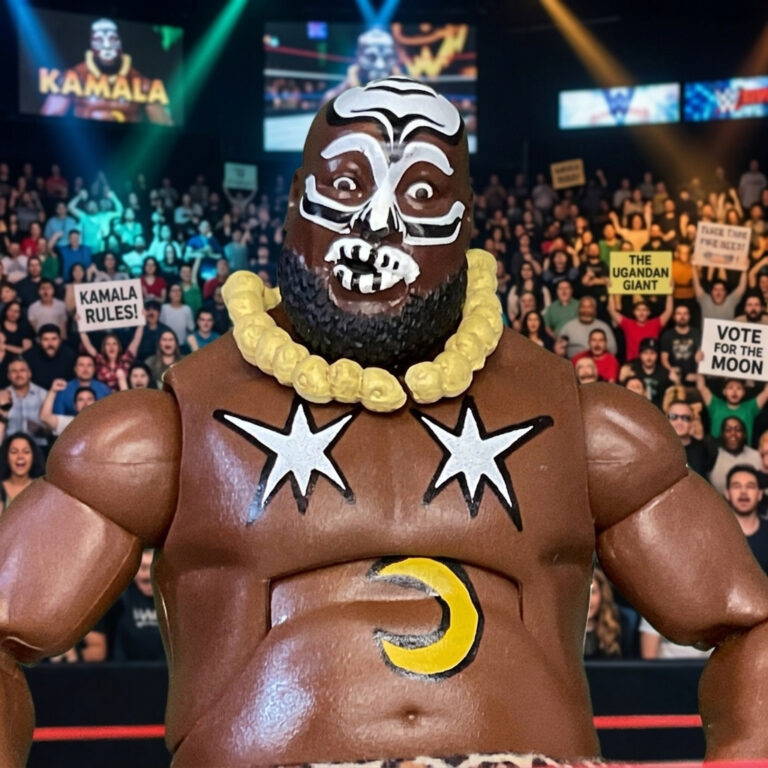
Kamala’s athleticism for his size was underrated—he moved with surprising agility and could generate genuine crowd heat. As a monster heel, he elevated opponents through strong performances while protecting his aura. In an era of larger-than-life characters, few felt as authentically primal or dominant.
The Visual Gimmick Formula
How physical theater transformed a quiet Southern truck driver into a global drawing card
The Visual Threat
Billed at 6'7" and 400 pounds, wrestling completely barefoot in a loincloth with primitive tribal face paint and mystic body glyphs (stars and crescents) that instantly captured visual focus in massive arenas.
The Savage Psychology
Maintained strict out-of-ring kayfabe by refusing to speak English in public. Replaced promos with primal grunts, manic eyes, and a frantic belly-slapping ritual that built immense psychological crowd heat.
The Handler Dynamic
Accompanied by handlers like Kim Chee or The Wizard. Being led around by a masked keeper like a wild, caged zoo animal sold audiences on the narrative that he was an uncontainable danger to the locker room.
Underrated Agility
Despite his monolithic frame, he moved around the ring with sudden, explosive bursts of quickness, utilizing devastating heavy chops, bites, and a highly athletic top-rope driving splash.
Major Runs and Near-Misses in the National Spotlight
Harris had several WWF stints: 1984, 1986-87, and into the early 1990s. He headlined house shows and appeared on major PPVs like Survivor Series. Memorable programs included clashes with Hogan, the Ultimate Warrior, and later the Undertaker.
He also thrived in the USWA in the mid-1990s, winning multiple titles there and feuding with Jerry Lawler. These regional successes proved his drawing power. Yet in WWF/WWE, he remained a mid-to-upper midcard act, used to make stars rather than become the star. No world title reigns materialized in the biggest promotion.
The Barriers: Why Traction and Sustained Success Eluded Him
Several factors limited Kamala’s breakthrough. First, in-ring limitations: His style was basic and repetitive, relying on the gimmick more than technical prowess. In an evolving industry that increasingly valued workrate (especially as the 1990s progressed), this capped his ceiling.
Second, personal and educational challenges: Harris was illiterate or had limited formal education, which hindered contract negotiations and backstage politics. He openly discussed being underpaid in WWF, suing the company in 1991 over low pay. A meeting with Vince McMahon highlighted frustrations, leading to departures.
Third, industry biases: As a Black wrestler in a predominantly white-led industry during that era, opportunities for world titles were scarcer. While he succeeded with the stereotype gimmick, it may have typecast him as a novelty monster rather than a credible champion.
Additionally, health issues emerged early. Diabetes diagnosed in 1992 contributed to declining mobility. He also dealt with financial struggles post-career, driving trucks and facing hardship despite his contributions.
| Barrier Type | Systemic Impact on His Career & Trajectory |
|---|---|
| Business & Literacy Barriers | Limited formal childhood education left James Harris functionally illiterate early in his career. This severely hindered his ability to navigate corporate contract negotiation, leaving him vulnerable to predatory payoff structures and massive backstage political disadvantages. |
| Era Bias & Novelty Typecasting | During the 1980s territory and national expansion eras, Black wrestlers faced severe institutional ceilings regarding world title reigns. The wild, primitive African gimmick made him a highly profitable special attraction, but fundamentally typecast him as a wild novelty act rather than a franchise titleholder. |
| Physical Toll & Health Biases | Decades of wrestling completely barefoot at 400 pounds inflicted massive structural damage on his joints. A severe type-2 diabetes diagnosis in 1992 was aggravated by a lack of institutional health infrastructure for retired stars, eventually leading to structural mobility issues and catastrophic late-life amputations. |
The Tragic Later Years: Health, Amputations, and Untimely Death
Kamala’s post-wrestling life was heartbreaking. He retired around 2010 after sporadic appearances. Diabetes complications led to his left leg being amputated below the knee in 2011 and the right in 2012. He refused dialysis initially, which accelerated issues. Financial difficulties compounded the physical pain; he relied on wrestling memorabilia sales and help from peers.
He released an autobiography, Kamala Speaks, sharing his story of racism, hardship, and resilience. Harris passed away on August 9, 2020, at age 70, from complications including cardiac arrest, diabetes, and COVID-19. He received a posthumous WWE Hall of Fame induction in the Legacy Wing, a bittersweet acknowledgment.
Legacy: A Gimmick for the Ages and Lessons Unlearned
Kamala’s gimmick remains one of wrestling’s most enduring. It terrified children, drew money, and influenced countless monster characters. Harris turned a potentially offensive concept into a career that spanned decades and touched fans worldwide. His commitment—staying in character, working stiff when needed, and elevating others—earned respect from peers like Foley and Warrior (who quietly helped him on the road).
Yet his story is tragic: immense talent and charisma bottled in a man who couldn’t fully navigate the business side, coupled with health neglect rooted in earlier struggles. It underscores issues of wrestler pay, healthcare, and racial dynamics in the industry.
Conclusion
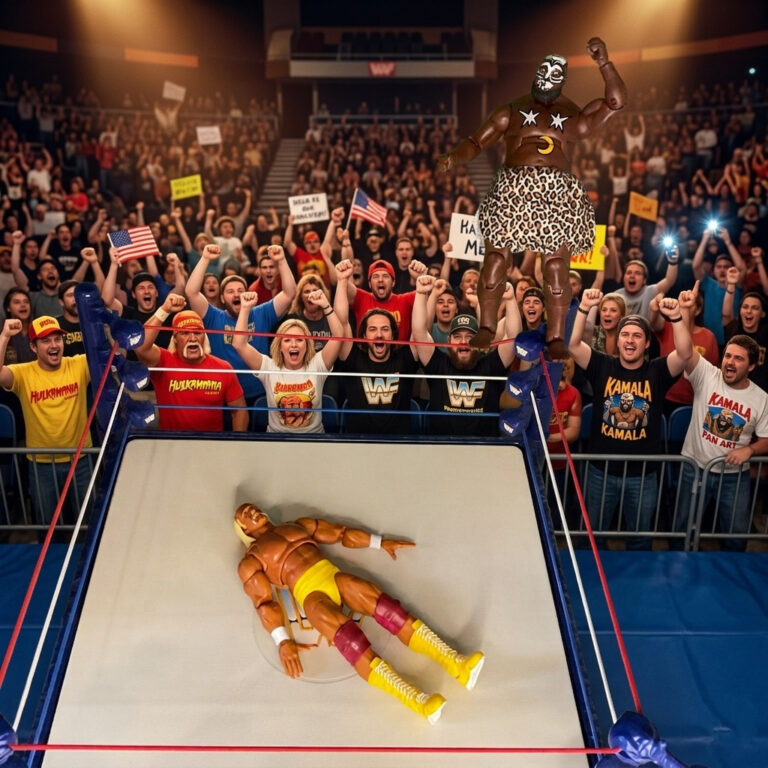
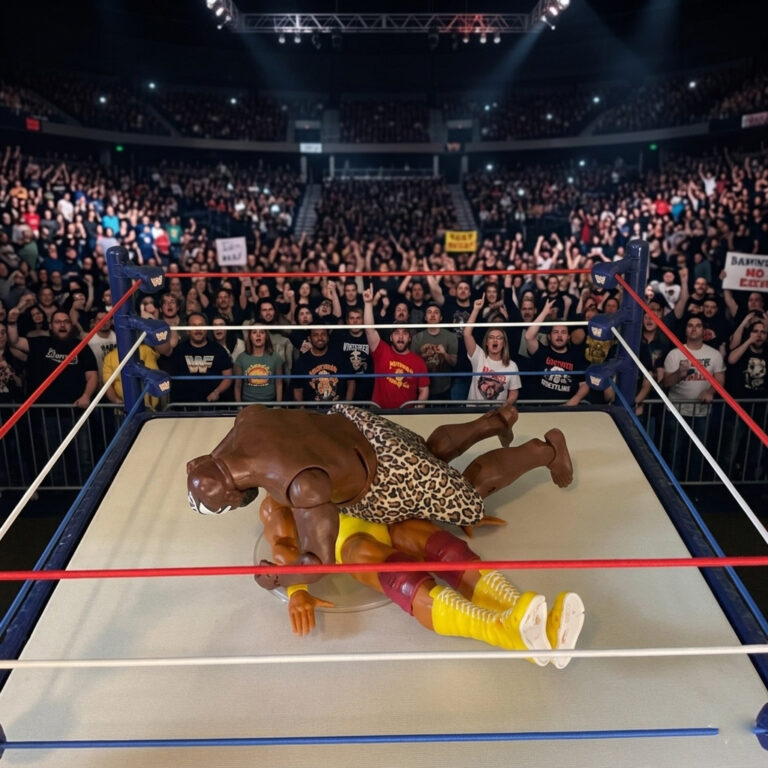
Kamala the Ugandan Giant was arguably the most dominant visual and physical force of his era—a terrifying, larger-than-life presence who embodied wrestling’s spectacle at its wildest. With one of the greatest gimmicks ever created, he should have been a perennial world champion and household name for decades. Instead, a combination of booking decisions, personal barriers, underpayment, health challenges, and systemic limitations confined him to memorable but fleeting success.
James Harris’s journey from Mississippi fields to global arenas and back to hardship is a poignant reminder of wrestling’s double-edged sword. It can elevate and enrich, but often extracts a heavy toll without delivering promised rewards. Kamala’s legacy endures not just in highlight reels of belly slaps and splashes, but as a cautionary tale of what might have been for a gentle giant who gave everything to become a monster. In the end, the Ugandan Giant conquered crowds but was never allowed to fully rule the wrestling world he helped define.


 English
  Deutsch
  Français
  Português do Brasil
  日本語
日本語  Español
  English (Australia)