

Why Starscream Still Soars: The Treacherous Air Commander's Timeless Grip on Decepticon Lore
Starscream commands attention in the Decepticon ranks as a figure fueled not by raw power or unyielding destruction, but by an unquenchable ambition to seize control. As the Air Commander of the Seekers, a squadron of aerial warriors known for their speed and precision, Starscream adds a layer of intrigue to the Transformers universe. His lasting presence comes from his role as a cunning schemer in a landscape of brute force, always plotting his ascent amid the turmoil of cosmic conflict. This piece examines the elements that sustain his relevance, exploring his defining characteristics, key moments across media, and the resonance he holds with followers of the series. From his debut in the foundational era to his parts in contemporary stories, Starscream captures the essence of betrayal and aspiration that brings complexity and tension to the saga.
In the expansive mythology of Transformers, figures like Starscream offer a counterpoint to the more direct protagonists and antagonists. While Optimus Prime stands for integrity and Megatron radiates dominance, Starscream navigates the shadows, manipulating events to claim supremacy. His knack for turning alliances to his favor, whether through whispered challenges or outright coups, marks him as an unforgettable force. Enthusiasts value how he introduces unpredictability into fierce confrontations, often with a cutting remark or a bold maneuver. This sharpness, paired with his central position in one of the most recognizable aerial units, has solidified his place as a cherished element through the years.
The Seekers, led by Starscream, emerged as a cadre of elite Decepticon fliers with unmatched agility. Starscream’s proficiency in aerial combat and strategy distinguishes him, enabling him to excel in scenarios where others stumble. His alternate form, usually a high-performance jet like an F-15 Eagle, mirrors his swift and evasive style, primed to strike from above in pursuit of dominance. Through various portrayals, Starscream has surfaced in multiple formats, each version emphasizing facets of his persona while preserving his fundamental drive as an usurper. This steadfastness, combined with shifting narratives, ensures he remains a vital part of the ongoing Transformers tale.
A History of Ambition and Betrayal: Starscream’s Biography
Starscream first appeared in the Transformers toy assortment in 1984 as part of the initial Decepticon lineup. Produced by Hasbro and Takara, he shifted from a robot to an F-15 Eagle fighter jet, armed with null-ray rifles that could halt mechanical functions. His color palette of red, white, and blue became iconic, symbolizing his flashy and self-important demeanor. As one of the Seekers alongside Thundercracker and Skywarp, he represented aerial superiority in the early conflicts.

In the original animated series, Starscream debuted in the premiere episode “More Than Meets the Eye, Part 1,” aired in 1984. As Megatron’s second-in-command, he immediately showcased his disloyalty by questioning orders and plotting takeovers. During the crash of the Ark on Earth four million years ago, he survived deactivation and awoke in the modern era, leading raids for energy resources. In episodes like “Heavy Metal War,” he challenged Megatron directly in a duel, only to be outmatched and spared due to his utility. His schemes escalated in “Starscream’s Brigade,” where he assembled the Combaticons from World War II relics to form his own force, resulting in exile after failure. Redeemed in “The Revenge of Bruticus,” he manipulated planetary orbits for revenge, forcing a temporary alliance between factions. By the 1986 movie, set in 2005, he orchestrated Megatron’s ousting during a defeat at Autobot City, holding a coronation interrupted by the reformed Galvatron, who disintegrated him with a cannon blast. His indestructible spark lingered as a ghost, possessing bodies in later tales like the Beast Wars era.
The Marvel Comics provided an alternate backstory. In issue #17 of the US series, published in 1985, Starscream was a former scientist and explorer on Cybertron, partnering with Jetfire before the war. Joining the Decepticons, he rose to Air Commander. In “The Smelting Pool,” he absorbed the Underbase’s power, destroying fleets before being overwhelmed and deactivated. Revived as a Pretender shell in issue #47, he allied with various leaders, sparking a Decepticon civil war with Shockwave. In UK-exclusive arcs like “Time Wars,” he time-traveled, clashing with Galvatron. Surviving Unicron’s assault in “On the Edge of Extinction,” he later betrayed allies to the Cybertronian Empire, leading to his destruction in a black hole.
In Generation 2 comics from 1993 to 1994, Starscream returned upgraded, joining Megatron against the Cybertronian Empire. He bartered with alien forces for enhancements, demonstrating his adaptability in a refreshed conflict. The run, though brief, highlighted his resilience as a persistent threat.
Dreamwave Comics from 2002 to 2004 reimagined him in “The War Within.” As a commander under Megatron, he plotted during a fragile truce, creating the Predacons to ignite war. In “Prime Directive,” recovered by human forces on Earth, he was reprogrammed as a weapon before breaking free and ruling a conquered zone. The publisher’s closure ended his arc mid-conflict, but it underscored his neutrality when it suited his goals.
IDW Publishing’s run starting in 2005 offered one of his richest developments. In “Infiltration,” he led Seekers in Earth operations, clashing with Megatron over strategy. “Spotlight: Starscream” revealed his pre-war role as a Vos politician, disillusioned after eons of war. He faked death to operate independently, later ruling a neutral world. In “All Hail Megatron,” he attempted a coup during occupation, only to be thwarted. Series like “Robots in Disguise” showed him as a reformed leader of Cybertron, brokering peace before reverting to schemes in “Dark Cybertron.” His arc explored moral shades, from reluctant hero to inevitable betrayer.
Starscream featured in games like “Transformers: War for Cybertron” in 2010, where he led aerial assaults on Autobot strongholds, questioning Megatron’s tactics. In “Fall of Cybertron,” he briefly assumed command after Megatron’s apparent demise, directing evacuations amid planetary collapse.
In the Aligned continuity, including “Transformers: Prime” from 2010 to 2013, Starscream served as Megatron’s lieutenant aboard the Nemesis. In episodes like “Masters & Students,” he murdered Cliffjumper and schemed to eliminate Megatron using relics. His solo ventures, such as harvesting Dark Energon, often backfired, leading to temporary exiles and alliances with humans or Autobots for survival.
Starscream in Modern Continuities
Shifting to later series, Starscream held a prominent spot in “Transformers: Animated,” broadcasting from 2007 to 2009. Voiced by Tom Kenny, he was depicted as more competent yet still treacherous, with an immortal spark allowing multiple resurrections via cloned bodies. In “Megatron Rising,” he infiltrated Autobot ranks, stealing the AllSpark key. His design featured a sleeker jet mode, and episodes like “A Fistful of Energon” showed him bargaining with bounty hunters. Defeated repeatedly, he ended the series allied with Megatron but plotting anew, his charm masking relentless ambition.
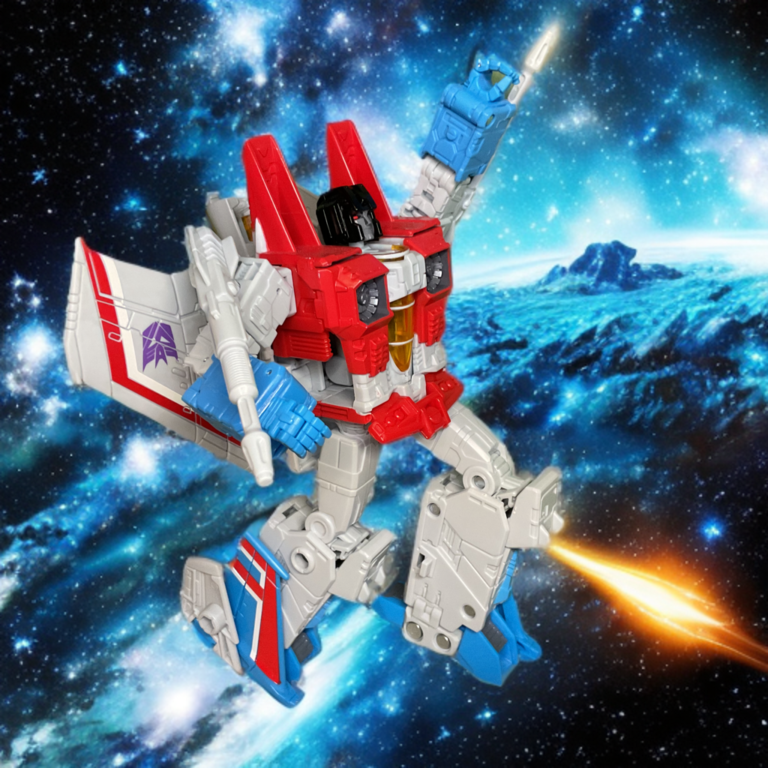
In the live-action films, starting with 2007’s “Transformers,” Starscream transformed into an F-22 Raptor. As Megatron’s deputy, he led the assault on Qatar and coordinated the search for the AllSpark. In “Revenge of the Fallen” (2009), he advised the Fallen and escaped after battles in Egypt. “Dark of the Moon” (2011) saw him destroying shuttles and fighting in Chicago, ultimately decapitated by Sam Witwicky. Tie-in comics like “Defiance” detailed his Cybertronian origins, scouting enemy ships and aiding Megatron’s rise. In “The Last Knight” (2017), his head appeared as a relic, hinting at potential revival.
The Aligned games expanded this, with “War for Cybertron” portraying him as a scheming commander draining Zeta Prime’s core. In “Fall of Cybertron,” he ruled briefly, experimenting on captives before Megatron’s return demoted him. In “Transformers: Cyberverse” from 2018 to 2021, Starscream sought ancient artifacts for power. In season two’s “The Visitor,” he allied with a Quintesson to overthrow Megatron, failing and fleeing. Season three had him leading a Seeker army, using a time loop to trap foes before defeat.
Most recently, in “Transformers: EarthSpark” since 2022, Starscream appears as a Decepticon enforcer. In “Decoy,” he captures Terrans for experiments, showcasing his cold calculation. His jeep-like alt mode in some variants nods to versatility, with plots involving Earth tech theft for dominance. Across these iterations, Starscream’s path mirrors the franchise’s growth. From a 1984 aerial antagonist to a multifaceted schemer in current media, he evolves while clinging to his core as an aspirant ruler.
The Appeal of the Schemer
A primary factor in Starscream’s staying power is his personality that shatters the archetype of standard Decepticon foes. Unlike Megatron’s commanding presence or Soundwave’s stoic obedience, Starscream thrives on personal ambition and cunning. This renders him accessible differently; he mirrors the archetype of the underling eyeing the throne, viewing conflict as a ladder to climb. In community talks, phrases like “You fool!” from the G1 show are frequently echoed, underlining his dramatic flair.
Starscream’s flair for drama enhances his draw. Amid grave skirmishes, his taunts about leadership or foes’ weaknesses deliver relief. In “Animated,” his body-swapping antics parody resurrection tropes, charming audiences. This playfulness offsets the series’ grand scope, positioning him as a dynamic element.
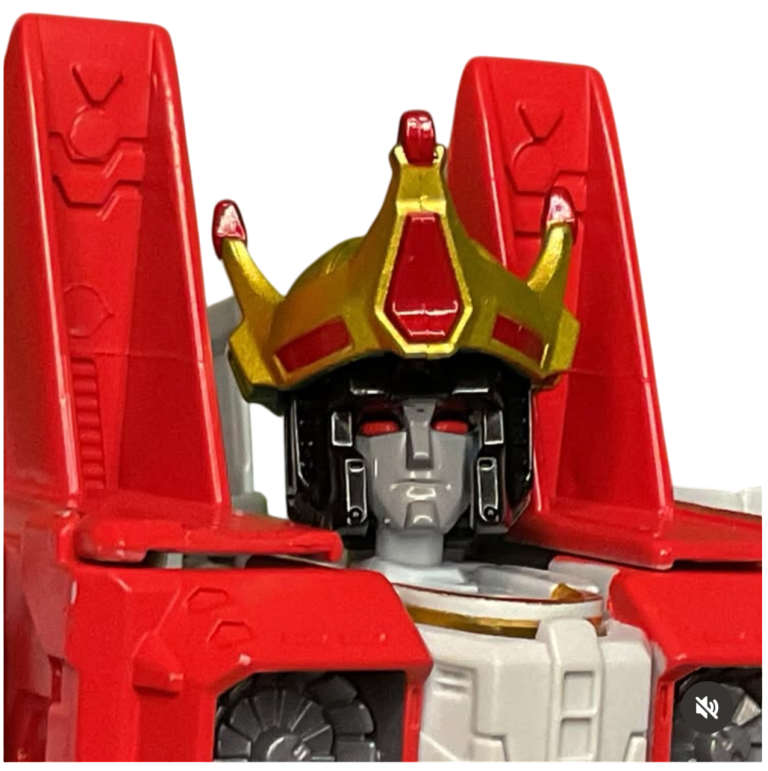
Moreover, Starscream’s autonomy connects with viewers. In IDW tales, his stints as a neutral ruler display independence from faction ties. This motif of self-reliance in group strife resonates, particularly when he forges truces via manipulation. His capacity to engage Autobots without instant aggression adds depth, casting him as a potential wildcard.
In interactive formats like “Fall of Cybertron,” his command phases attract tactical players. His aerial maneuvers reflect his background, letting participants channel his guile.
In summary, Starscream’s mix of charisma, sarcasm, and tenacity makes him a villain audiences admire. His legacy persists because he illustrates that not every struggle is straightforward—sometimes, it’s about the next ploy.
Starscream’s Role in the Decepticons
Within the Decepticons, Starscream acts as the aerial tactician and frequent challenger to authority. The group, focused on conquest, depends on his command of the skies for reconnaissance and strikes. In G1, Megatron directs overall strategy, Soundwave manages intelligence, Shockwave handles science, and Starscream oversees air operations. This interplay appears in stories like “Fire in the Sky,” where his discovery of Skyfire leads to recruitment attempts.
In merged scenarios, such as with other Seekers, Starscream’s spot as leader symbolizes his oversight. Without his input, aerial advantages wane. In comics like IDW’s “Combiner Wars,” his intrigues affect group decisions, often causing rifts over loyalty versus gain.
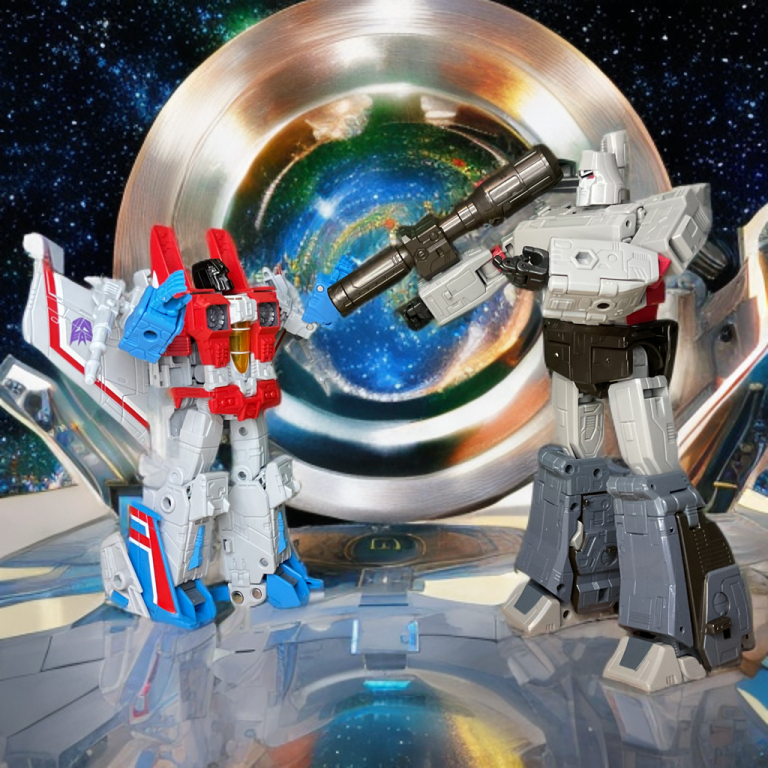
Starscream and the Combaticons: A Bond Forged in Betrayal and Ambition
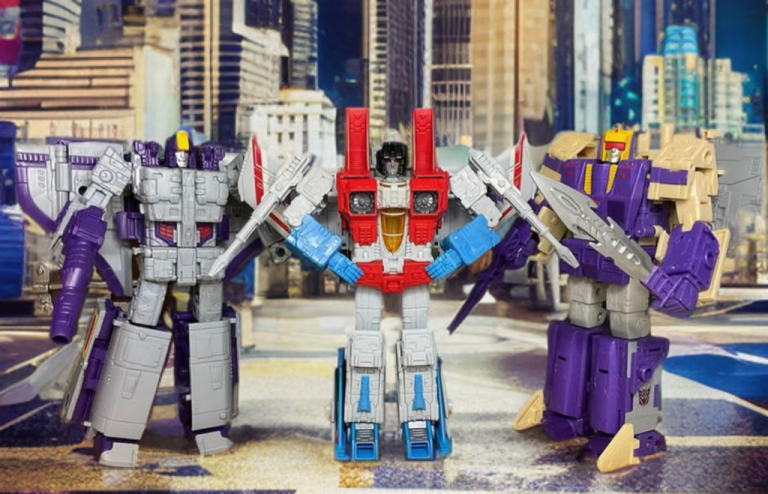
Starscream’s ties to the Combaticons represent one of the most intriguing dynamics in Decepticon history, blending creation, manipulation, and fleeting alliances. As the Air Commander perpetually scheming for power, Starscream often views the Combaticons—Onslaught, Brawl, Vortex, Blast Off, and Swindle—not as loyal subordinates but as tools to advance his agendas. This connection, rooted in his desire to overthrow Megatron, evolves across various continuities, highlighting themes of opportunism and inevitable conflict. While the Combaticons bring brute force through their combiner form, Bruticus, Starscream’s involvement typically sows discord, turning potential assets into liabilities. Below, we explore these links through key media, drawing from established narratives to illustrate how this relationship adds layers to Starscream’s treacherous persona.
Origins in the Generation 1 Animated Series
In the foundational animated series, Starscream’s connection to the Combaticons begins with an act of desperation and ingenuity. Exiled from the Decepticons after a failed challenge to Megatron’s leadership, Starscream travels to Guadalcanal, a World War II battlefield on Earth. There, he scavenges abandoned military vehicles—a tank for Brawl, a helicopter for Vortex, a space shuttle for Blast Off, a jeep for Swindle, and a mobile artillery unit for Onslaught. Using stolen personality components from imprisoned Decepticons on Cybertron, he infuses these vehicles with life, creating the Combaticons as his personal brigade in the episode “Starscream’s Brigade” (1986).
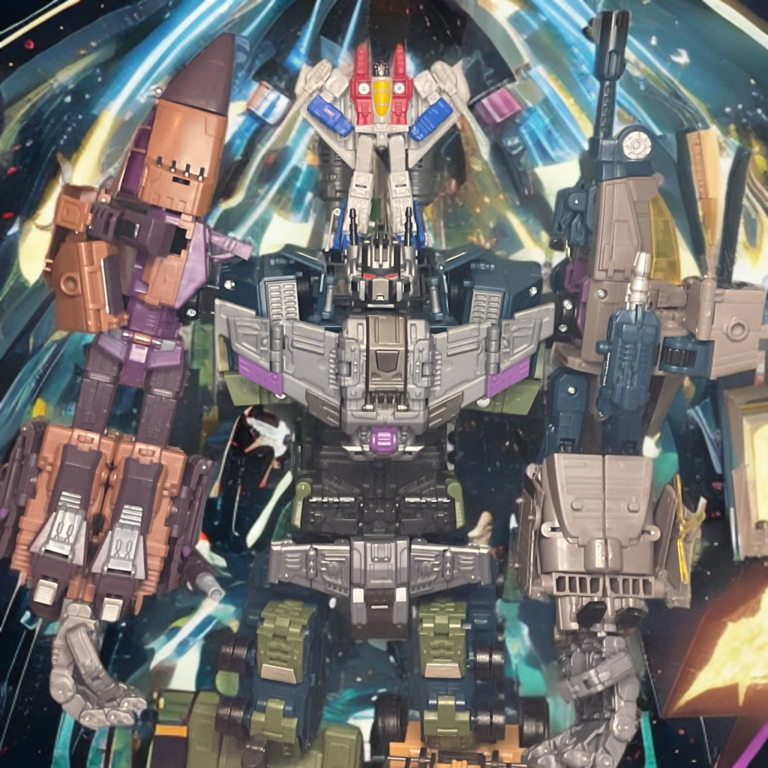
This new team, capable of merging into the colossal Bruticus, serves as Starscream’s instrument for a coup. He deploys them against Megatron’s forces, showcasing their military prowess in coordinated assaults. However, the Combaticons’ independent streaks quickly surface; they grow resentful of Starscream’s command and ultimately betray him, forcing a humiliating return to Megatron’s fold. In “The Revenge of Bruticus,” the team escapes exile on an asteroid and wreaks havoc by altering Earth’s orbit, drawing Starscream back into the fray as he manipulates events to regain favor.
Later episodes, such as “The Special Teams,” see Starscream leveraging the Combaticons in broader conflicts. After failing to retrieve the Stunticons from Cybertron, he energizes the Combaticons with stolen Energon cubes on a Pacific island. He sends them to raid a human power plant as a diversion against Megatron, observing from afar while ordering Bruticus to target the Autobot combiner Defensor. Though Bruticus falls to Defensor, Starscream’s artillery support and evasion tactics underscore his strategic use of the team, treating them as expendable in his power plays.
Crossovers and Extended Animated Narratives
The connection extends into crossover media tied to the animated universe. In collaborations with G.I. Joe, such as the miniseries where Transformers intersect with Cobra, Starscream conspires with Destro to deploy Bruticus against mutual enemies. This alliance backfires when the Baroness betrays Starscream, leading to Bruticus’ destruction in a chaotic battle. Despite this, Starscream survives into 1985 timelines, pursuing Cybertronian artifacts while the Combaticons serve as base guardians under Megatron, leaving Starscream at his superior’s mercy once more.
These portrayals emphasize Starscream’s opportunistic bond with the Combaticons: he creates or recruits them for immediate gain, but their autonomy often leads to reversals, reinforcing his pattern of short-lived triumphs.
Comic Book Iterations: Dreamwave and Beyond
In Dreamwave’s Generation One comics (2002-2004), Starscream’s involvement with the Combaticons takes a covert turn. During a period of Decepticon disarray, he steals the incapacitated Combaticons from a prison facility under the guise of releasing Menasor. Scanning abandoned Earth testing grounds, he equips them with military alternate modes to aid in repairing the Decepticon ship Nemesis. In “Night of the Combaticons,” Starscream unleashes them against the Autobots, with Bruticus decimating most of the opposition but failing to capture the Ark due to its self-destruct sequence.
Further exploits in “The Route of All Evil” show Starscream using the Combaticons for training against the captive Sky Lynx, only for the session to end disastrously with Predaking’s intervention. This continuity portrays Starscream as a resourceful handler, exploiting the team’s combiner strength for ship repairs and offensives, yet his schemes invite chaos that undermines their effectiveness.
Modern Comics: The Energon Universe
In the more recent Energon Universe comics, starting with Transformers #14 (2023), Starscream forges a renewed alliance with the Combaticons amid his quest for dominance on Earth. Rescued from a volcanic chasm by M.A.R.S. operatives, he uses Astrotrain to gather the scattered Combaticons from Cybertronian debris in the ocean. They pledge loyalty to him, and Starscream cements his command by eliminating threats within the group, sparing only a human ally and his pet.
This bond fuels revenge against Soundwave. In Transformers #15, during a dam confrontation involving Autobots, Starscream orders the Combaticons to combine into Bruticus to clash with Devastator, bolstering his forces in a bid for control. The alliance highlights their Duocon capabilities—swift merging for combat—under Starscream’s direction, though escalating battles, including floods and aerial strikes, test its durability. No overt betrayals occur here, but the dynamic remains hierarchical, with the Combaticons as enforcers in Starscream’s power struggle.
Absence in Other Continuities
Notably, many continuities lack direct ties between Starscream and the Combaticons. In the 2005 IDW Publishing run, Starscream’s intrigues focus on Megatron, Sixshot, and broader politics without Combaticon involvement. Similarly, in Hearts of Steel, Henkei! Henkei!, the Prime Wars Trilogy, War for Cybertron Trilogy, and the 2019 IDW series, Starscream operates independently or with other units like the Seekers, with no recorded alliances, creations, or conflicts involving the Combaticons. Games such as Transformers: Earth Wars and Transformers: Devastation, along with crossovers like Transformers/Back to the Future, also omit such connections.
The Enduring Impact of the Connection
Starscream’s relationship with the Combaticons encapsulates his core traits: ambition drives him to create or ally with powerful assets, yet his ego often leads to fractures. From birthing them in the animated series to commanding Bruticus in modern comics, this link injects tension into Decepticon ranks, making Starscream’s schemes more volatile. For fans, it underscores how even a combiner team’s might can’t contain his treachery, ensuring this dynamic remains a compelling thread in Transformers lore.
Conclusion
Starscream’s evolution from a 1984 jet warrior to a leader-class figure in 2026’s Age of the Primes assortment affirms his unyielding hold. In a series centered on monumental clashes and clear divisions, he illustrates that guile, disloyalty, and a sharp retort can rival valor or menace. Whether conspiring in a neutral outpost, commanding Seeker assaults, or enduring through spectral forms, Starscream captures the unpredictable thrill that draws Transformers enthusiasts back. His narrative isn’t about securing victory—it’s about ensuring he emerges superior regardless of the outcome. As fresh audiences encounter him and collectors pursue his variants, Starscream’s status as the Decepticons’ premier intriguer endures without pause. Ultimately, power is always within reach… and that’s precisely what makes him indispensable.
Collectible Legacy
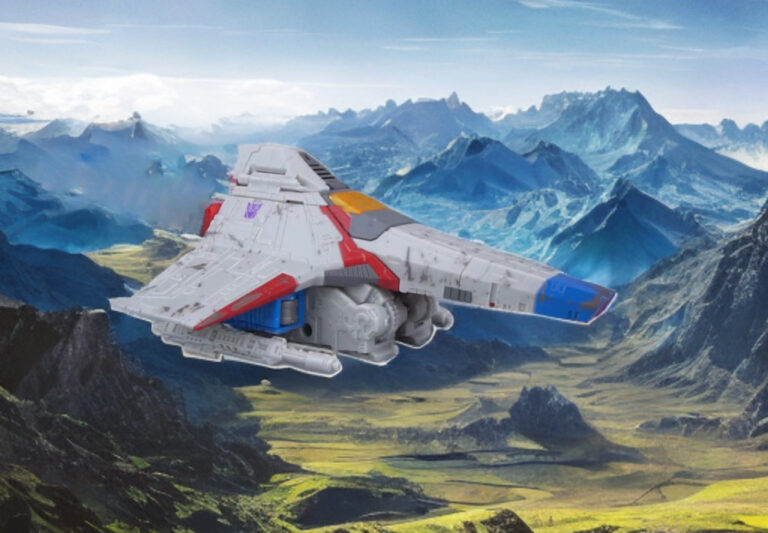
Starscream’s figures remain staples for collectors, with variants across eras. From his 1984 debut to recent releases, each embodies his essence. The table below outlines official action figures to date, with original prices and current aftermarket estimates from recent data.
| Figure Name | Year | Line | Original Retail Price | Current Secondary Market Price (Loose) | Current Secondary Market Price (Boxed/MISB) |
|---|---|---|---|---|---|
| Starscream | 1984 | The Transformers (G1) | $12.99 | $100 | $750 |
| Starscream (Ghost) | 1991 | Classics | $12.99 | $80 | $500 |
| Starscream | 1993 | Generation 2 | $12.99 | $70 | $400 |
| Starscream (Mini-Con Partner) | 2002 | Armada | $19.99 (with partner) | $25 | $80 |
| Starscream (Powerlinx) | 2003 | Armada | $19.99 | $30 | $90 |
| Starscream (Built to Rule) | 2003 | Built to Rule | $19.99 | $25 | $75 |
| Starscream | 2004 | Alternators | $19.99 | $40 | $120 |
| Starscream (Micromaster) | 2004 | Universe | $19.99 (pack) | $15 | $50 |
| Starscream | 2004 | Energon | $9.99 | $20 | $60 |
| Starscream | 2006 | Classics | $9.99 | $30 | $100 |
| Starscream | 2006 | Cybertron | $9.99 | $25 | $70 |
| Starscream | 2007 | Transformers Movie | $19.99 | $50 | $150 |
| Starscream (Voyager) | 2008 | Universe | $24.99 | $40 | $120 |
| Starscream | 2008 | Animated | $9.99 | $35 | $100 |
| Starscream (Legends) | 2009 | Universe | $4.99 | $10 | $40 |
| Starscream | 2009 | Revenge of the Fallen | $24.99 | $45 | $130 |
| Starscream (Reissue) | 2010 | Animated | $9.99 | $30 | $90 |
| Starscream | 2010 | Hunt for the Decepticons | $14.99 | $35 | $110 |
| Starscream | 2012 | Generations (FOC) | $14.99 | $25 | $80 |
| Starscream | 2012 | Prime | $14.99 | $30 | $90 |
| Starscream (Multi-pack) | 2013 | Platinum Edition | $99.99 (pack) | $40 | $120 |
| Starscream (Kreon) | 2013 | Kre-O | $12.99 (set) | $8 | $25 |
| Starscream | 2015 | Combiner Wars | $16.99 | $35 | $100 |
| Starscream (Leader) | 2016 | Titans Return | $44.99 | $50 | $150 |
| Starscream | 2016 | Unite Warriors | $100.00 (pack) | $60 | $180 |
| Starscream (Voyager) | 2019 | War for Cybertron: Siege | $29.99 | $40 | $100 |
| Starscream (Earthrise) | 2020 | War for Cybertron: Earthrise | $29.99 | $35 | $90 |
| Starscream (Kingdom) | 2021 | War for Cybertron: Kingdom | $22.99 | $30 | $80 |
| Starscream (Legacy) | 2022 | Legacy | $22.99 | $25 | $70 |
| Starscream (1-Step) | 2023 | EarthSpark | $9.99 | $15 | $30 |
| Starscream (Studio Series) | 2024 | Studio Series | $24.99 | $20 | $50 |
| Starscream (Leader) | 2026 | Age of the Primes | $49.99 (est.) | $45–65 (pre-order/early) | $80–120 (pre-order) |
Price fluctuation warning: Aftermarket values for Transformers figures, particularly rare and vintage ones, vary greatly due to condition, scarcity, region, demand, and market shifts. Figures listed are approximations from trends; verify on trusted platforms and consider grading for premium items before transactions.


 English
  Deutsch
  Français
  Português do Brasil
  日本語
日本語  Español
  English (Australia)