

Kobolds in Dungeons & Dragons
Kobolds in Dungeons & Dragons (D&D) are small, cunning, and often cowardly reptilian creatures that have become iconic within the game’s lore. Their depiction in D&D draws heavily from folklore, particularly Germanic mythology, but has been significantly adapted to fit the game’s high-fantasy setting. Below is a comprehensive biography of kobolds, covering their origins in folklore, their evolution in D&D, and their characteristics, culture, and role in the game.
Kobolds in Folklore
The term “kobold” originates from Germanic mythology and folklore, with roots dating back to at least the Middle Ages. The word itself is derived from the Old High German kobold or kobolt, possibly meaning “household spirit” or relating to “kobe” (a hollow or cave, referencing their association with mines). Kobolds in folklore are mischievous, shape-shifting spirits or creatures tied to specific locations, such as homes, mines, or ships. They are not uniformly reptilian or draconic as in D&D but are instead more varied in form and behavior.
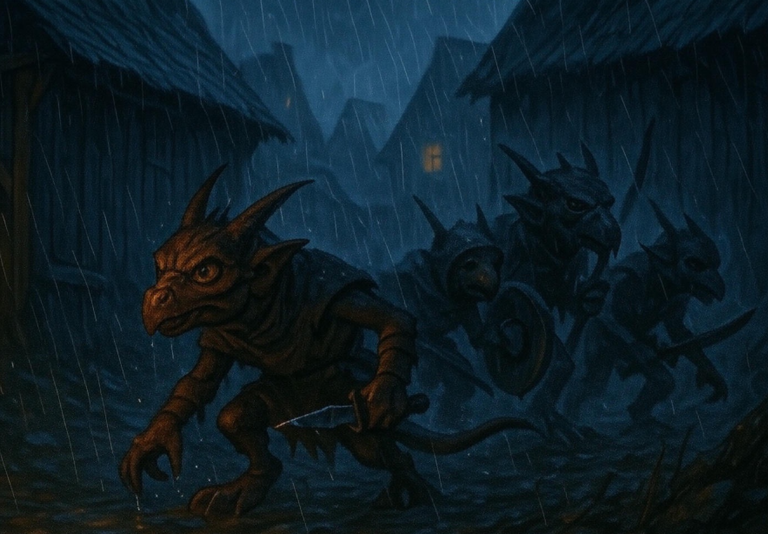
Types of Kobolds in Folklore
1. Household Kobolds: These were benevolent or neutral spirits who performed chores or guarded homes in exchange for offerings like food or milk. They could become pranksters or malevolent if offended or neglected, hiding tools or causing minor chaos. They were often invisible or appeared as small, humanoid figures, sometimes resembling children or old men.
2. Mine Kobolds: Associated with underground environments, these kobolds were linked to mining communities in Germany, particularly in regions like the Harz Mountains. They were believed to inhabit mines and could be helpful (guiding miners to ore deposits) or dangerous (causing cave-ins or leading miners astray). Miners attributed mysterious noises or accidents to kobolds, and the element cobalt was named after them, as it was thought to be a harmful substance left by these spirits.
3. Ship Kobolds: Known as klabautermann in maritime folklore, these kobolds lived on ships, aiding sailors with tasks or warning of storms. They were depicted as small, pipe-smoking figures wearing sailor’s clothing, and their presence was considered a good omen unless they were seen abandoning ship, signaling doom.
Characteristics in Folklore
• Shape-Shifting: Kobolds could appear as animals (cats, dogs, or snakes), objects (a candle or piece of coal), or small humanoids. This fluidity made them unpredictable.
• Mischievous Nature: Kobolds were tricksters, capable of both helping and hindering humans. Their behavior depended on how they were treated.
• Connection to the Supernatural: As spirits, kobolds were often linked to fairy-like beings or the undead, existing on the boundary between the mundane and magical worlds.
Kobolds in folklore were not inherently evil but were capricious, with their actions shaped by human behavior toward them. This duality influenced their portrayal in D&D, though the game shifted their identity toward a more monstrous and draconic archetype.
Kobolds in Dungeons & Dragons
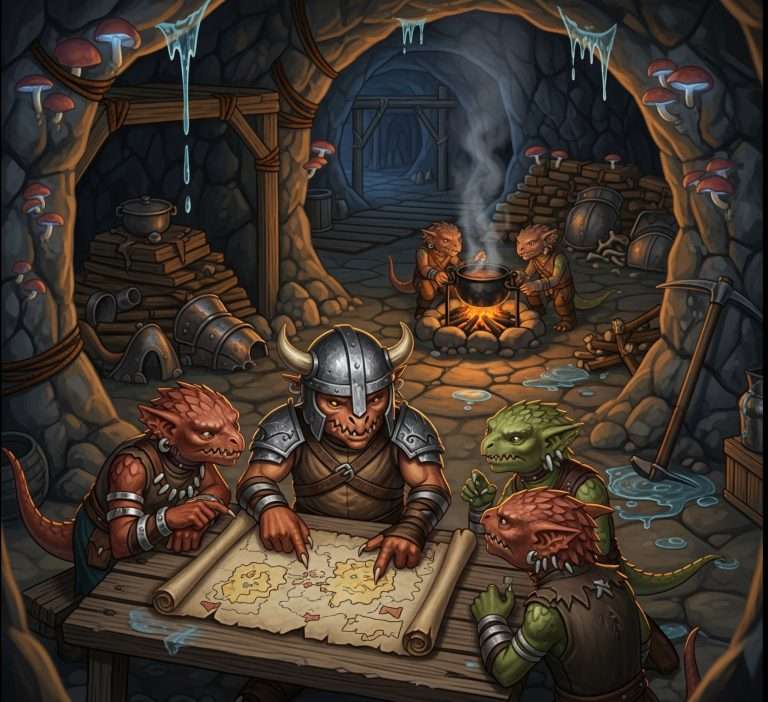
In Dungeons & Dragons, kobolds are small, reptilian humanoids with a strong connection to dragons, a stark departure from their folkloric origins as spirits. Introduced in the earliest editions of the game, kobolds have evolved significantly in their lore, appearance, and role, reflecting D&D’s tendency to blend mythological inspiration with original fantasy elements.
Origins in D&D
Kobolds first appeared in the original Dungeons & Dragons (1974), inspired by the Monster Manual’s need for low-level adversaries for beginner adventurers. Drawing from the Germanic kobold’s association with mines and trickery, D&D creators Gary Gygax and Dave Arneson reimagined them as small, weak, goblin-like creatures that relied on numbers and cunning rather than strength. Over time, their connection to dragons became a defining trait, solidifying their place in D&D’s monster hierarchy.
The draconic connection likely stems from a creative reinterpretation of the kobold’s folkloric mischief and subterranean nature, combined with D&D’s emphasis on dragons as powerful, mythic beings. By the 3rd edition (2000), kobolds were explicitly described as distant relatives of dragons, claiming descent from draconic bloodlines or created by dragons as servitors.
Physical Description
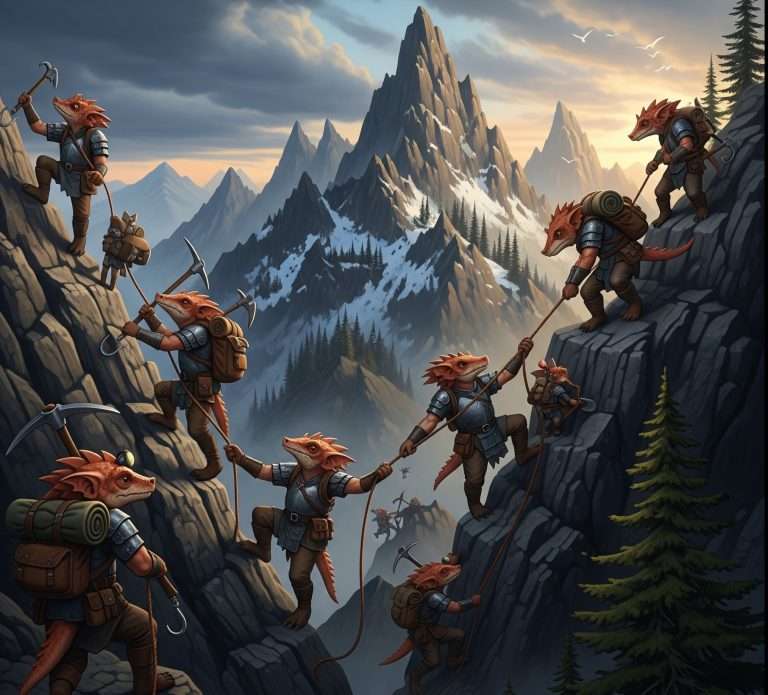
In D&D, kobolds are typically depicted as:
• Size: Small, standing 2 to 3 feet tall and weighing 25–35 pounds.
• Appearance: Reptilian, with scaly skin ranging from reddish-brown to black, often with brighter markings. They have dog-like or draconic faces, small horns, and glowing eyes (usually red or orange).
• Features: Clawed hands, tails, and a hunched posture. Their appearance varies slightly by edition, with later editions emphasizing their draconic traits over earlier, more canine or goblin-like designs.
Culture and Society
Kobold culture in D&D revolves around survival, community, and devotion to dragons. Key aspects include:
• Tribal Structure: Kobolds live in tightly knit tribes, often in underground lairs, abandoned mines, or ruins. Their societies are hierarchical, led by chieftains, shamans, or sorcerers. Status is often tied to perceived draconic traits (e.g., brighter scales or magical ability).
• Draconic Worship: Kobolds revere dragons as gods or ancestors, believing they share a divine bloodline. They may serve evil dragons (especially chromatic ones like red or black dragons) as minions, performing tasks like guarding lairs or gathering tribute. Good-aligned kobolds may worship metallic dragons, though this is rare.
• Cunning and Traps: Kobolds are weak individually (with low hit points and strength), so they rely on numbers, ambushes, and elaborate traps. They are skilled at constructing mechanical traps, pitfalls, and tunnels to protect their lairs.
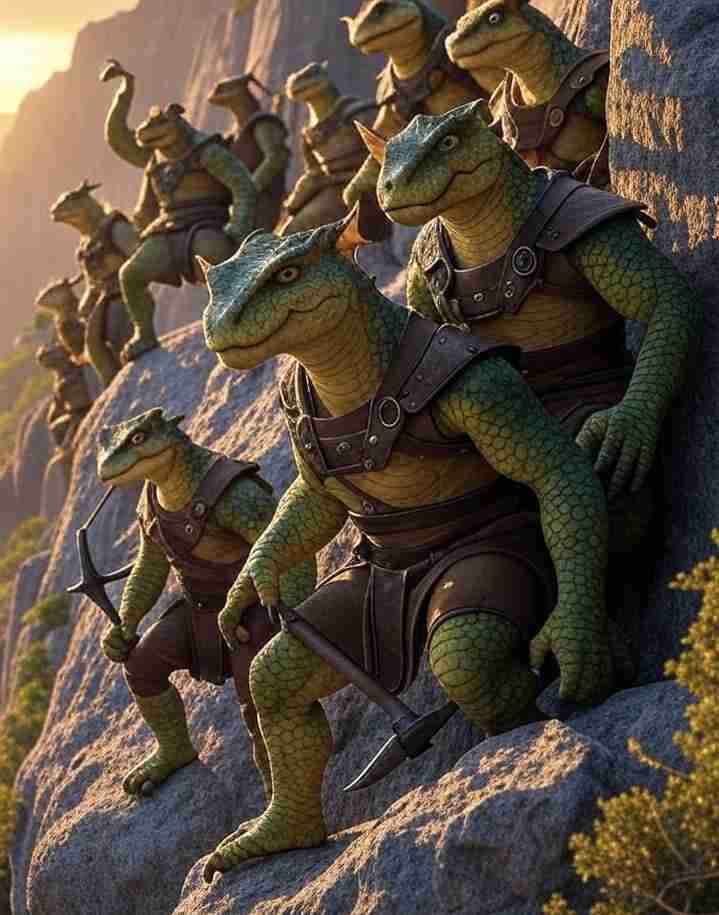
• Survival Instinct: Kobolds are often portrayed as cowardly, fleeing from stronger foes but fiercely protective of their tribe. Their motto, introduced in later editions, is “survive and thrive,” reflecting their adaptability.
• Magic and Invention: Kobolds often include sorcerers or inventors in their ranks. In settings like Dragonlance, kobolds are known for tinkering and creating crude but effective devices.
Alignment and Behavior
• Alignment: In early editions, kobolds were almost universally lawful evil, emphasizing their cruelty and subservience to stronger creatures. Later editions, particularly 5th edition (2014), introduced more nuance, allowing kobolds to vary in alignment based on their environment or leadership. Neutral or even good-aligned kobolds exist in some campaigns.
• Behavior: Kobolds are opportunistic, scavenging resources and avoiding direct confrontation. They are fiercely loyal to their tribe, willing to sacrifice themselves for the group’s survival. Their cowardice is tempered by a surprising tenacity when cornered.
Evolution Across Editions
• Original D&D (1974): Kobolds were goblin-like, with minimal lore, serving as cannon fodder for low-level adventurers. They were described as “evil dwarflike beings” with canine features.
• AD&D (1st/2nd Edition, 1977–1999): Kobolds gained more personality, with emphasis on their tribal nature and trap-making. They were still weak but began to show draconic connections.
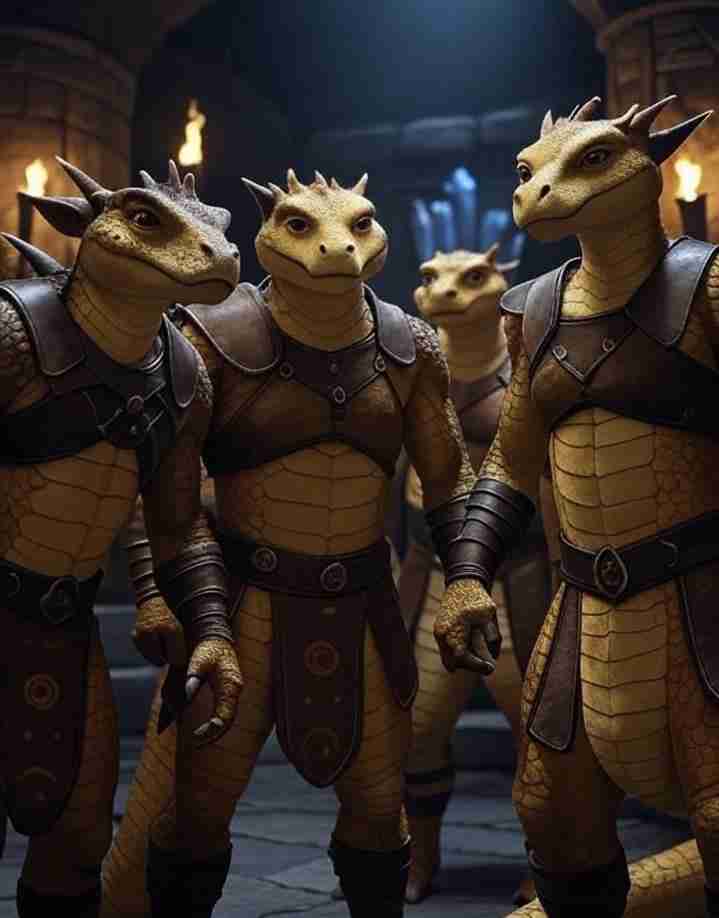
• 3rd Edition (2000–2008): Kobolds were explicitly tied to dragons, with lore suggesting they were created by dragons or shared draconic ancestry. The Races of the Dragon supplement (2006) expanded their culture, introducing playable kobold characters and emphasizing their ingenuity.
• 4th Edition (2008–2014): Kobolds remained draconic minions but gained more tactical complexity, with roles like “kobold skirmisher” or “kobold dragonshield” in combat. Their lore was less detailed, focusing on mechanics.
• 5th Edition (2014–present): Kobolds are fully fleshed out as a monstrous race with potential for depth. Volo’s Guide to Monsters (2016) provides extensive lore, describing their social structure, draconic worship, and adaptability. They gained the “Pack Tactics” trait, reflecting their strength in numbers, and the “Grovel, Cower, and Beg” ability, emphasizing their cowardice. Kobolds also became a playable race in Volo’s Guide, with traits like small size, darkvision, and bonuses to Dexterity.
Kobolds in D&D Settings
Kobolds appear across D&D’s campaign settings, with slight variations:
• Forgotten Realms: Kobolds inhabit underground regions like the Underdark, often serving drow or dragons. The city of Blingdenstone has a notable kobold population.
• Dragonlance: Kobolds are rare but known for their inventiveness, sometimes working with gnomish technology.
• Eberron: Kobolds are more prominent, with complex societies in regions like the jungles of Q’barra. Some kobolds worship the Dragon Below or serve as agents of draconic factions.
• Critical Role: Kobolds like Spurt (from Campaign 2) highlight their comedic potential, blending cowardice with surprising bravery.
Kobolds as Playable Characters
In 5th edition, kobolds are a playable race, reflecting a shift toward viewing them as more than just monsters. Their stats include:
• Ability Scores: +2 Dexterity, -2 Strength (reflecting their agility and weakness).
• Traits: Darkvision, Pack Tactics (advantage on attacks if allies are nearby), and Sunlight Sensitivity (disadvantage in bright light).
• Cultural Appeal: Players are drawn to kobolds for their underdog status, comedic potential, and ability to shine in creative or tactical playstyles.
Kobolds in Gameplay
Kobolds are a staple low-level enemy in D&D, with a Challenge Rating (CR) of 1/8 in 5th edition, making them suitable for beginner adventurers. Their strength lies in numbers and tactics:
• Combat: Kobolds use slings, daggers, or spears, often attacking from cover or traps. Pack Tactics makes them dangerous in groups, granting advantage on attack rolls if allies are near.
• Lairs: Kobold lairs are labyrinthine, filled with traps like pits, collapsing ceilings, or dart launchers. They use narrow tunnels that larger creatures struggle to navigate.
• Roleplaying: Kobolds can be comedic (groveling or panicking) or sinister (serving a cruel dragon). Dungeon Masters can use them to create memorable encounters, from slapstick ambushes to tragic stories of desperate survival.
Cultural Impact and Legacy
Kobolds have become one of D&D’s most beloved monsters, thanks to their versatility. They appeal to players and Dungeon Masters for several reasons:
• Underdog Charm: Their weakness and ingenuity make them relatable, especially as playable characters.
• Humor and Pathos: Kobolds can be played for laughs (e.g., groveling or absurd traps) or as sympathetic figures struggling to survive in a hostile world.
• Tactical Depth: Their reliance on traps and teamwork makes them a fun challenge for players, even at low levels.
The kobold’s journey from Germanic household spirits to D&D’s draconic minions reflects the game’s ability to transform folklore into something uniquely its own. Fan creations, like the webcomic Order of the Stick or the Tucker’s Kobolds story (a legendary tale of kobolds outsmarting high-level adventurers through traps), have cemented their place in D&D culture.
Conclusion
Kobolds in Dungeons & Dragons are a fascinating blend of their folkloric roots and the game’s high-fantasy innovation. From mischievous spirits in Germanic mythology to cunning, dragon-worshipping reptilians, kobolds have evolved into a multifaceted race that embodies both humor and resilience. Whether as foes, allies, or player characters, kobolds offer endless storytelling possibilities, making them a enduring fixture in the D&D multiverse.

 English
  Deutsch
  Français
  Português do Brasil
  日本語
日本語  Español
  English (Australia)