
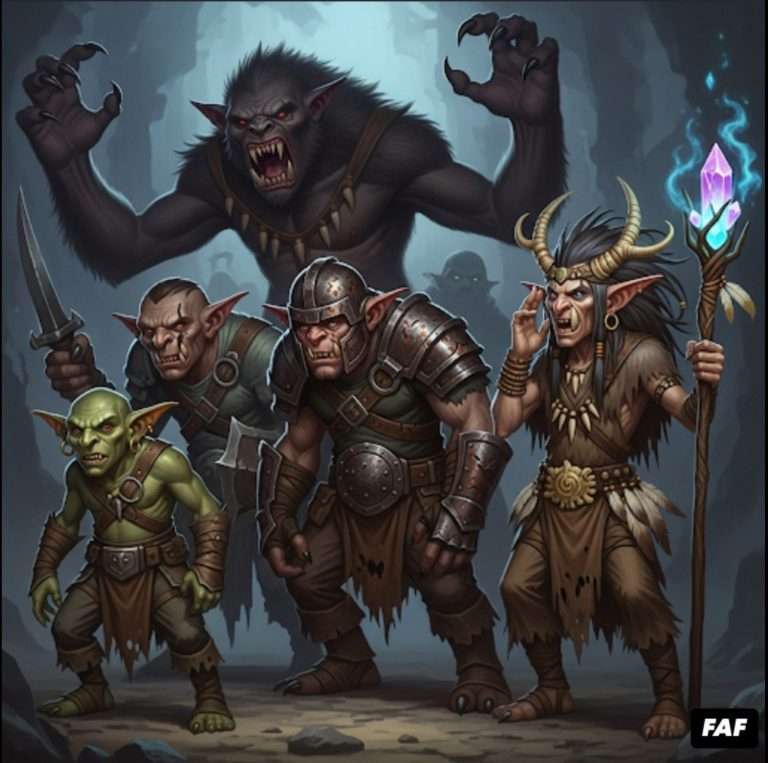
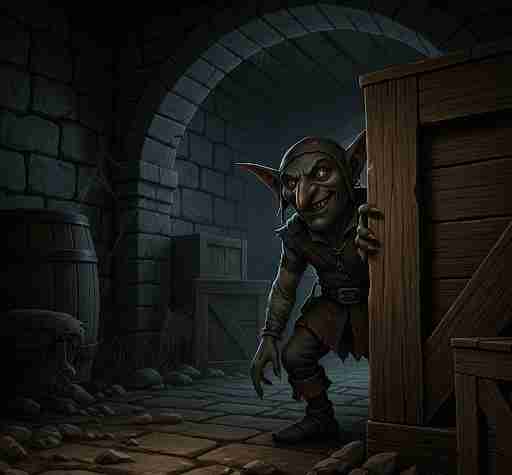
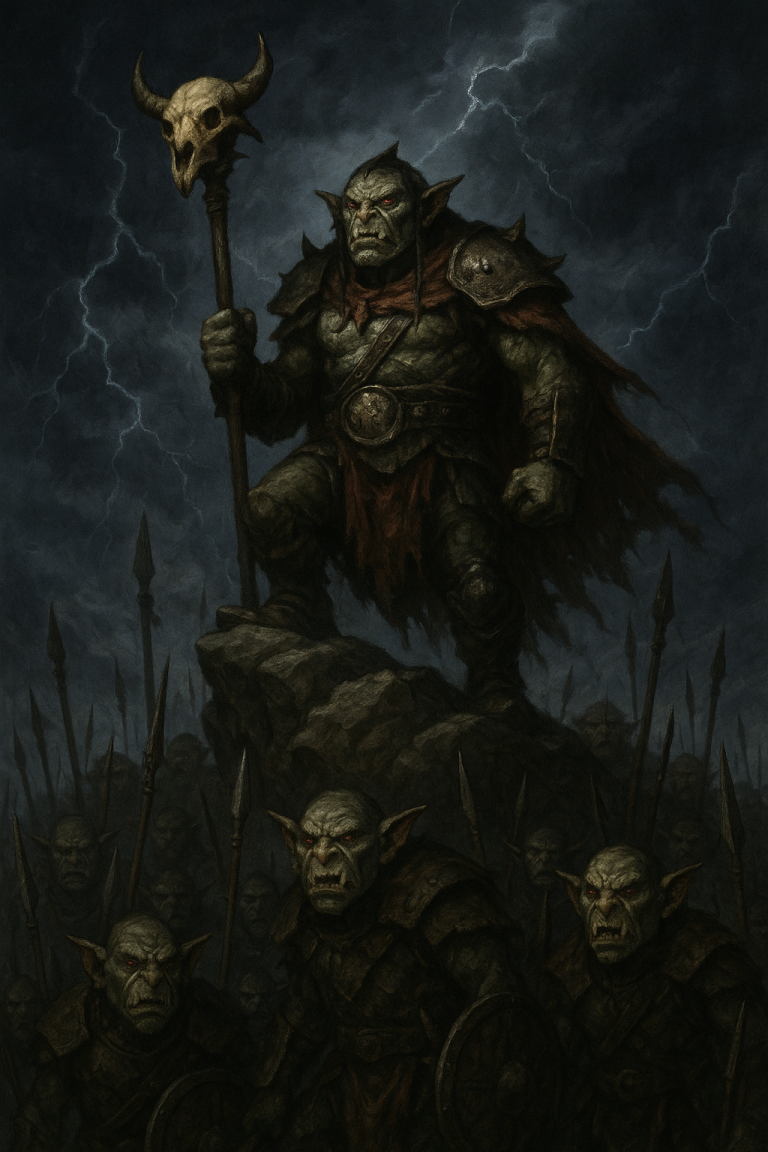

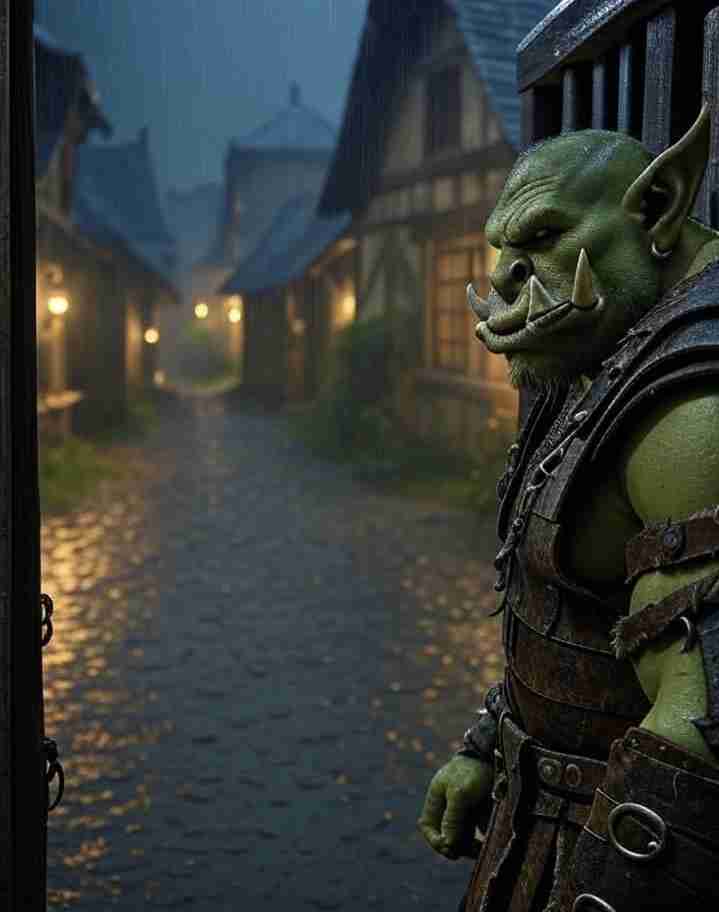
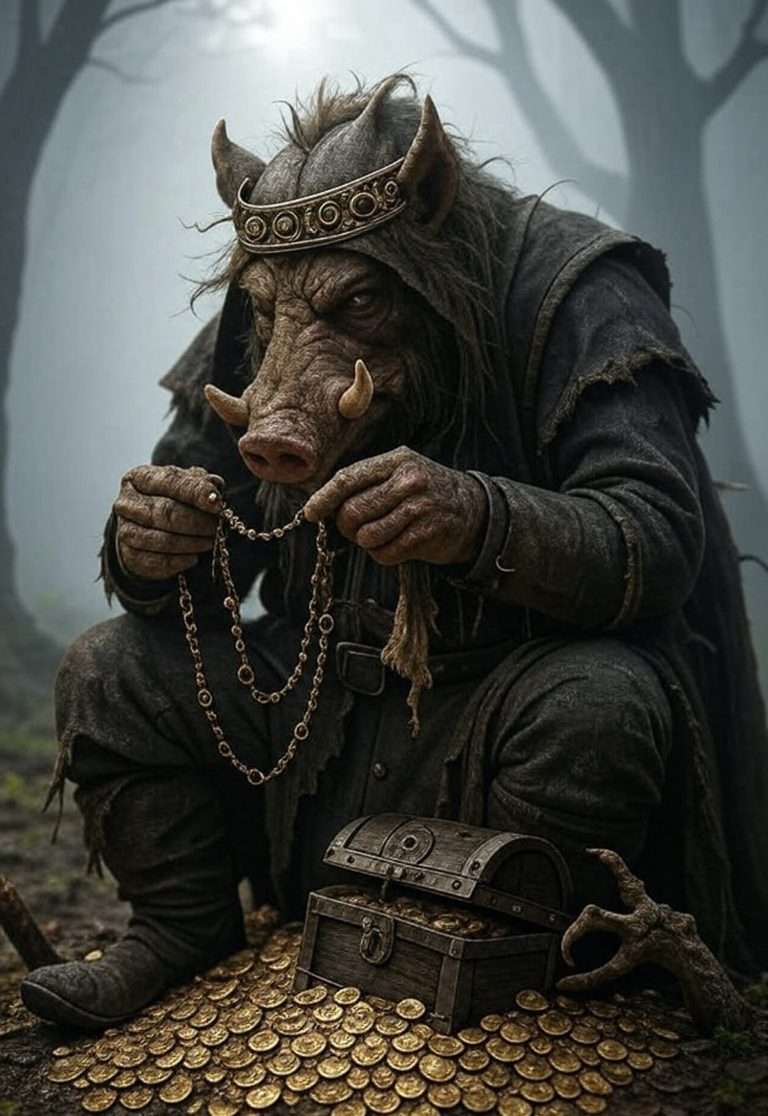
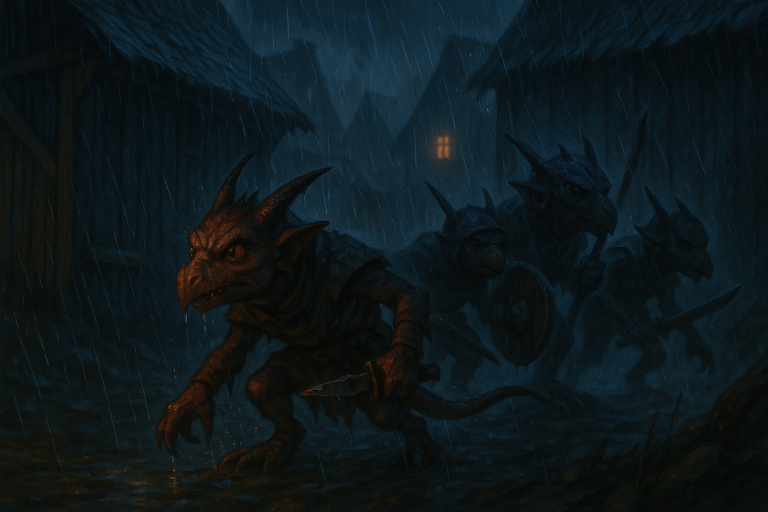
Goblinoids are a captivating group of creatures rooted in folklore and widely adapted in modern fantasy settings like Dungeons & Dragons (D&D), literature, and video games. In folklore, they are mischievous or malevolent beings, while in pop culture, they form a structured family of species with defined traits and hierarchies. This guide explores their origins, characteristics, and evolution across folklore, pop culture, and D&D.
In European folklore (particularly Germanic, Celtic, and British), goblinoids are loosely defined creatures often depicted as small, grotesque, and mischievous spirits inhabiting forests, caves, or human dwellings. The term “goblin” derives from Old French gobelin or Medieval Latin gobelinus, possibly linked to the Germanic kobold, a similar trickster spirit.
Characteristics:
• Appearance: Small (2–4 feet), wiry, often ugly with sharp features, pointed ears, and green or gray skin.
• Behavior: Mischievous, greedy, or malevolent, engaging in pranks, theft, or torment. Some, like brownies, can be helpful if treated well.
• Habitats: Caves, forests, abandoned houses, or underground realms.
• Related Creatures: Goblins overlap with kobolds, gnomes, brownies, hobgoblins, boggarts, and imps, with distinctions varying by region.
Notable Examples:
• Goblins: In British folklore, goblins spoil milk, steal babies, or lead travelers astray (e.g., the violent Redcap in Scottish lore, which soaks its cap in victims’ blood).
• Hobgoblins: Larger or more robust, they can be helpful (e.g., aiding household chores) or spiteful if offended, showing moral ambiguity.
• Kobolds: Germanic shape-shifting spirits tied to mines, households, or ships, ranging from helpful to trickster-like.
• Boggarts/Bogeys: English shapeshifting spirits that haunt places or cause mischief, sometimes synonymous with goblins.
Nilbogs: “Goblin” spelled backwards.
Folklore goblinoids are a spectrum of chaotic spirits embodying greed or liminality, with names and traits varying by region and storyteller.
In modern fantasy, goblinoids are formalized into a distinct family, most notably in D&D, where they share a common ancestry and often worship deities like Maglubiyet. They also appear in literature, film, and video games, evolving from folklore’s ambiguous tricksters into structured species with diverse roles.
Core Goblinoid Species:
1. Goblins:
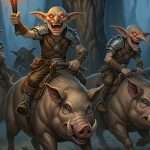
• Description: Small (3–4 feet), scrawny, with green or gray skin, sharp teeth, and pointed ears. They’re cunning but cowardly, relying on stealth and numbers.
• Traits: In D&D, goblins are low-level foes (CR 1/4) with Nimble Escape for stealthy tactics. They live in crude tribes in caves or ruins, often serving stronger creatures.
• Examples: Tolkien’s cave-dwelling goblins in The Hobbit, tech-savvy goblins in World of Warcraft, brutal goblins in Goblin Slayer, and mischievous goblins in Labyrinth (1986).
2. Hobgoblins:
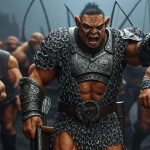
• Description: Taller (5–6 feet), muscular, with orange or reddish skin and a militaristic demeanor.
• Traits: In D&D, hobgoblins are disciplined warriors (CR 1/2–6) with Martial Advantage for coordinated attacks. They form hierarchical, warlike societies, leading goblinoids or serving as mercenaries.
• Examples: D&D’s hobgoblin warlords, organized raiders in Pathfinder: Kingmaker, and cunning creatures in The Spiderwick Chronicles.
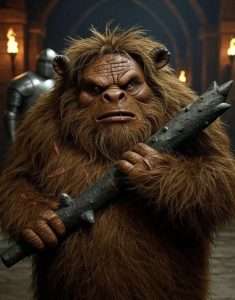
3. Bugbears:
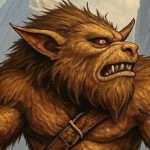
• Description: Large (7–8 feet), furry, bear-like, with surprising stealth despite their size.
• Traits: In D&D, bugbears are ambush predators (CR 3–4) with Brute and Surprise Attack traits, acting as enforcers or solitary hunters in goblinoid tribes.
• Examples: D&D-inspired bugbears in Baldur’s Gate 3 as hulking threats, though less common in broader media.
Related Creatures:
• Orcs: In Tolkien’s works, orcs and goblins are sometimes interchangeable; in D&D, they’re distinct but may ally with goblinoids.
• Kobolds: Folklore kobolds are goblin-like, but D&D portrays them as reptilian and separate.
• Variants: World of Warcraft features tech-savvy goblins, while The Elder Scrolls depicts primitive goblin tribes.
It is important to note that gnolls are not goblinoids.
Cultural Themes:
• Hierarchy: D&D establishes goblins as minions, hobgoblins as leaders, and bugbears as enforcers, unlike folklore’s loose distinctions.
• Mischief vs. Malevolence: Folklore goblins are often mischievous, while pop culture leans toward evil or chaotic portrayals (e.g., Goblin Slayer).
• Nuance: Works like The Goblin Emperor humanize goblins as complex or oppressed, challenging the “evil monster” trope.
• Versatility: Goblinoids range from comic relief (World of Warcraft) to terrifying threats (Goblin Slayer).
In D&D, goblinoids are a humanoid family united by a shared origin under Maglubiyet, a warlike deity who enforces a rigid hierarchy. They are typically chaotic or lawful evil, thriving in tribal or militaristic societies, and serve as enemies, NPCs, or playable characters.
Lore and Hierarchy:
• Origin: Maglubiyet conquered goblinoid gods, shaping their culture. Goblins are laborers/scouts, hobgoblins are soldiers/leaders, and bugbears are enforcers/raiders.
• Society: Hobgoblins dominate with militaristic discipline, goblins serve reluctantly, and bugbears act independently unless coerced. They worship Maglubiyet or local spirits and often ally with orcs, ogres, or villains like dragons.
• Variants: Include nilbogs (trickster goblins), hobgoblin Devastators (spellcasters), and barghests (fiendish shapechangers).
Goblins in D&D:
• Stats: CR 1/4, high Dexterity, Nimble Escape for disengaging/hiding.
• Role: Low-level foes or minions, ideal for early adventures (e.g., Lost Mine of Phandelver). Playable in Volo’s Guide to Monsters with traits like Fury of the Small.
• Culture: Disorganized tribes in caves or sewers, driven by greed or fear.
Hobgoblins in D&D:
• Stats: CR 1/2–6, high Strength/Constitution, Martial Advantage for teamwork.
• Role: Mid-tier leaders commanding warbands, using tactics and fortifications. They create dynamic encounters as generals or mercenaries.
• Culture: Rigid legions with a code of honor, emphasizing discipline and conquest.
Bugbears in D&D:
• Stats: CR 3–4, high Strength/Dexterity, Brute and Surprise Attack for ambushes.
• Role: Mid-level threats as hunters or enforcers, excelling in surprise encounters.
• Culture: Nomadic and independent, bullying goblins and resenting hobgoblin authority.
Evolution Across Editions:
• 1e/2e: Basic monsters with minimal lore.
• 3e/3.5e: Expanded Maglubiyet’s role and goblinoid hierarchy; playable races introduced.
• 4e: Streamlined roles (goblins as skirmishers, hobgoblins as soldiers, bugbears as brutes).
• 5e: Volo’s Guide to Monsters and Mordenkainen’s Tome of Foes deepen lore; goblins playable, with variants like nilbogs.
Campaign Roles:
• Low-Level: Goblin ambushes for beginner parties.
• Mid-Level: Hobgoblin warbands or bugbear hunters for tactical challenges.
• High-Level: Warlords or chiefs as climactic foes or lieutenants.
• Nuance: Modern campaigns may portray goblinoids as misunderstood, adding moral complexity.
Cultural Impact: D&D’s goblinoids shape RPGs (Pathfinder), video games (Baldur’s Gate 3), and fan discussions on X, with players sharing tactics, homebrew, and goblin PC stories.
Folklore:
• Goblins: Small, chaotic, and malicious, focusing on pranks or theft (e.g., Redcap). They inhabit liminal spaces and act in small groups.
• Hobgoblins: Slightly larger, with dual nature (helpful or harmful). They’re tied to homes or locations, showing more intelligence or moral ambiguity.
• Key Difference: Goblins are more consistently chaotic; hobgoblins are stronger and ambivalent.
Pop Culture/D&D:
• Goblins: Small (3–4 feet), cowardly, and cunning, relying on numbers and stealth. They’re low-level minions with disorganized tribes.
• Hobgoblins: Taller (5–6 feet), disciplined, and militaristic, leading goblinoids with strategic prowess. They form structured armies.
• Key Difference: Goblins are weak and chaotic; hobgoblins are dominant leaders with martial focus.
Goblinoids, born from European folklore’s mischievous spirits, have evolved into a diverse family in pop culture, particularly in D&D’s structured hierarchy of goblins, hobgoblins, and bugbears. In folklore, they embody chaos and liminality; in modern fantasy, they range from cunning minions to disciplined warriors, reflecting themes of hierarchy, mischief, and moral complexity. Their versatility—spanning low-level threats, tactical foes, and nuanced characters—ensures their enduring appeal across literature, film, games, and tabletop RPGs.
 English English
  Deutsch
  Français
  Português do Brasil
  日本語
日本語  Español
  English (Australia) English English Deutsch
Français
Português do Brasil
日本語
Español
English (Australia)
English (Australia) English English Deutsch
Français
Português do Brasil
日本語
Español
English (Australia)
We use cookies to improve your experience on our site. By using our site, you consent to cookies.
Manage your cookie preferences below:
Essential cookies enable basic functions and are necessary for the proper function of the website.
Statistics cookies collect information anonymously. This information helps us understand how visitors use our website.
Google Analytics is a powerful tool that tracks and analyzes website traffic for informed marketing decisions.
Service URL: policies.google.com (opens in a new window)