

Mythic Legions Elf Ranger Review: A Versatile Ranger from Xylona’s Flock and the Perfect Vintage D&D Stand-In
In the world of highly articulated fantasy action figures, few lines have captured the imagination of collectors quite like Mythic Legions from Four Horsemen Studios. Released in 2017 as part of the groundbreaking Advent of Decay wave, the Mythic Legions Elf Ranger stands out as a standout “legion builder” figure—designed not as a named hero with an elaborate bio, but as a customizable member of a larger army. This Elf Ranger, hailing from the heroic faction Xylona’s Flock, embodies the classic woodland ranger archetype with its elegant elven features, practical armor, and versatile accessory loadout.
I specifically acquired this figure because I needed a reliable stand-in for the iconic Dungeons & Dragons LJN Vintage Melf, also known as Peralay, from the 1983 line. The vintage LJN Melf was a beloved elf fighter/mage with his bow, sword, and flowing cape, but original examples are increasingly rare and fragile for modern photo shoots or campaign adventures. This Mythic Legions Elf Ranger fits the bill perfectly, much like how Arrizak from the Poxxus wave echoes the look of the vintage Kelek the evil wizard, or how Poxxus Samir Scrollwarder captures the essence of Ringlerun. At the time, I was actively collecting the Ultimate Dungeons & Dragons action figures by NECA, which beautifully updated several vintage LJN characters in 7-inch scale with modern articulation and detailing. However, NECA appeared to pause or halt further releases based on the remaining vintage characters, leaving gaps in my display and storytelling setups. The Mythic Legions Elf Ranger bridged that gap seamlessly, offering compatibility for mixed displays and the quality needed for dynamic poses in D&D-themed photography or tabletop sessions. At its original retail of $33.00, it represented excellent value in a line known for premium sculpting and paint.
This review dives deep into every aspect of the figure, from its place in the Mythic Legions ecosystem to its practical use as a vintage proxy, ensuring a comprehensive look at why it remains a favorite among collectors years later.
The History and Appeal of the Mythic Legions Line
Mythic Legions launched in 2014 with its inaugural wave, quickly establishing itself as a premier 6-inch scale fantasy action figure series. Created by the Four Horsemen Studios—the same team behind the legendary Power Lords and countless custom and licensed figures—the line draws inspiration from classic sword-and-sorcery tales, offering a fully realized world called Mythoss. Unlike many toy lines that focus solely on named characters, Mythic Legions emphasizes “builders”: blank-slate warriors meant to populate legions, allowing fans to create vast armies or custom characters.
By 2017, the line had already seen massive success through Kickstarter campaigns. Advent of Decay, the second major wave (often called 2.0), was a pivotal moment. It introduced slimmer body types, including the first elves, goblins, and female figures, expanding the roster dramatically with 43 new figures and five weapon packs. This wave became one of the most funded action figure projects in Kickstarter history at the time, reflecting the growing collector demand for high-end, compatible fantasy toys. The Elf Ranger was among the deluxe-style releases in this wave—not a budget builder but a fully accessorized figure with new tooling elements tailored for ranger aesthetics.
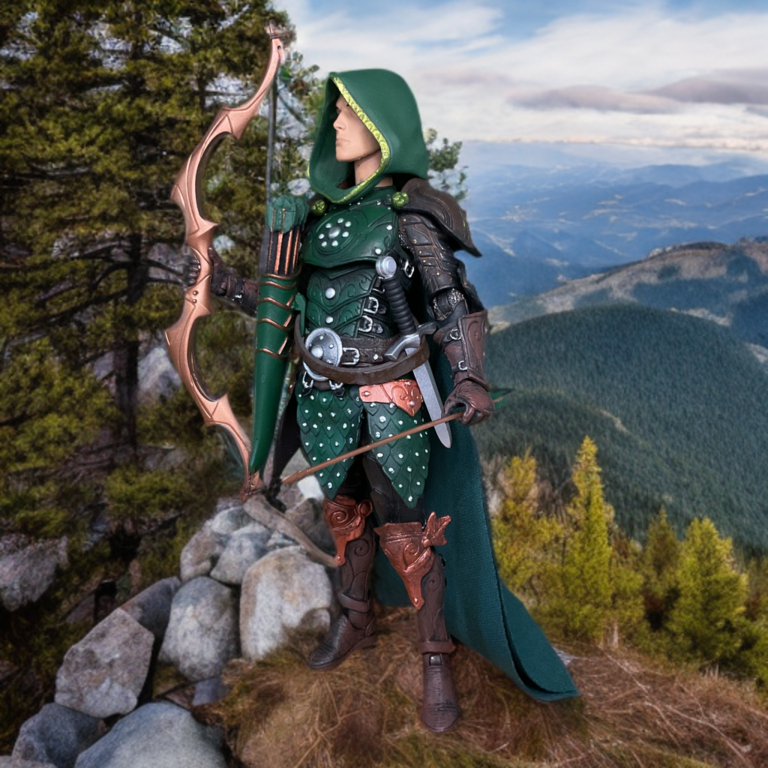
The line’s enduring appeal lies in its modular design philosophy. Figures share compatible parts across waves, enabling endless customization. Materials are high-quality PVC plastic with soft-goods capes where appropriate, and the sculpting and paint apps consistently earn praise for their realism and fantasy flair. For collectors transitioning from lines like NECA’s Ultimate D&D or even older LJN figures, Mythic Legions offers a modern bridge: superior articulation, detailed sculpts, and a heroic tone that complements vintage-inspired displays without feeling out of place.
Overview of the Advent of Decay Wave
Advent of Decay marked a significant evolution for Mythic Legions. Building on the foundation of the first wave’s knights, orcs, and skeletons, this release introduced new races and factions with fresh tooling. Elves were a major addition, bringing lithe, graceful designs that contrasted the bulkier armored warriors. The wave balanced heroic and villainous forces, with Xylona’s Flock emerging as a key nature-aligned faction.
Xylona’s Flock draws power from the life-giving elements of Mythoss, protecting forests, rivers, and wildlife against the draining vampiric forces of Illythia’s Brood. The faction’s color palette leans into earthy greens, browns, and metallics, evoking woodland camouflage and elven craftsmanship. The Elf Ranger fits squarely here as a scout and skirmisher—mobile, ranged, and melee-capable. While legion builders like this one lack individual bios (the packaging features only photos of the figure itself), they integrate effortlessly into the broader lore. This wave’s emphasis on compatibility meant the Elf Ranger could swap parts with other elves or even later releases, making it a cornerstone for army-building.
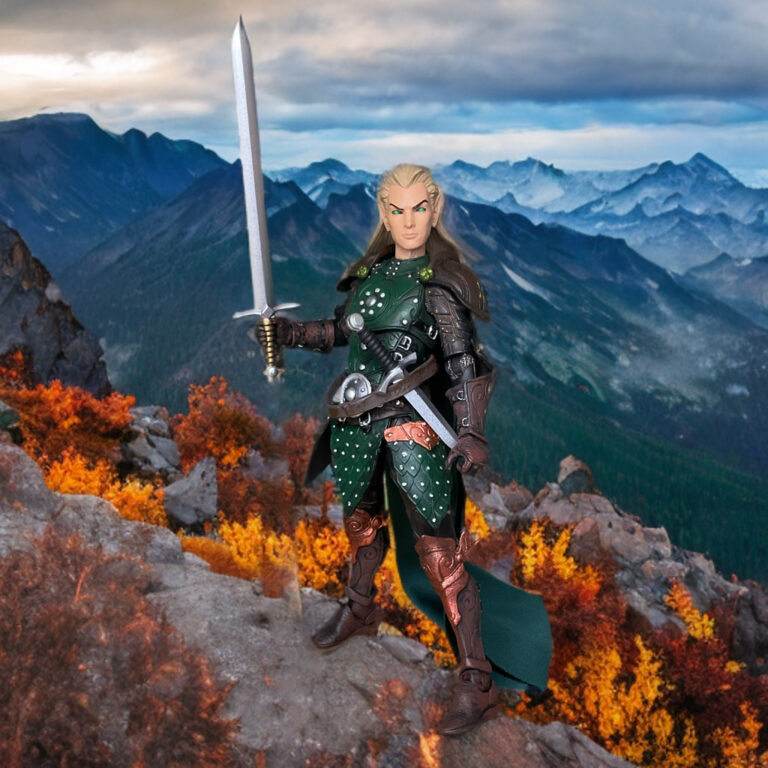
Retail pricing at $33 positioned it as an accessible entry into the deluxe tier, especially compared to today’s secondary-market values, where it often commands a premium due to its popularity.
Packaging and First Impressions
Mythic Legions figures ship in resealable bubble-card packaging, a practical choice for collectors who want to store or display without permanent damage. The card back features dynamic photography of the Elf Ranger in action poses, highlighting its green cape, bow, and hooded head. No character bio appears, reinforcing its builder status—purely visual, letting the toy speak for itself.
Upon opening, the figure impresses immediately. The green tones pop against the clear plastic, and the fabric cape adds a premium touch uncommon in budget lines. Everything is neatly bagged, with accessories like the bow and quiver secured to prevent damage. For someone like me, coming from NECA’s window-boxed D&D figures, the Mythic Legions format felt refreshingly straightforward and collector-friendly.
Design and Sculpt: A Masterclass in Ranger Aesthetics
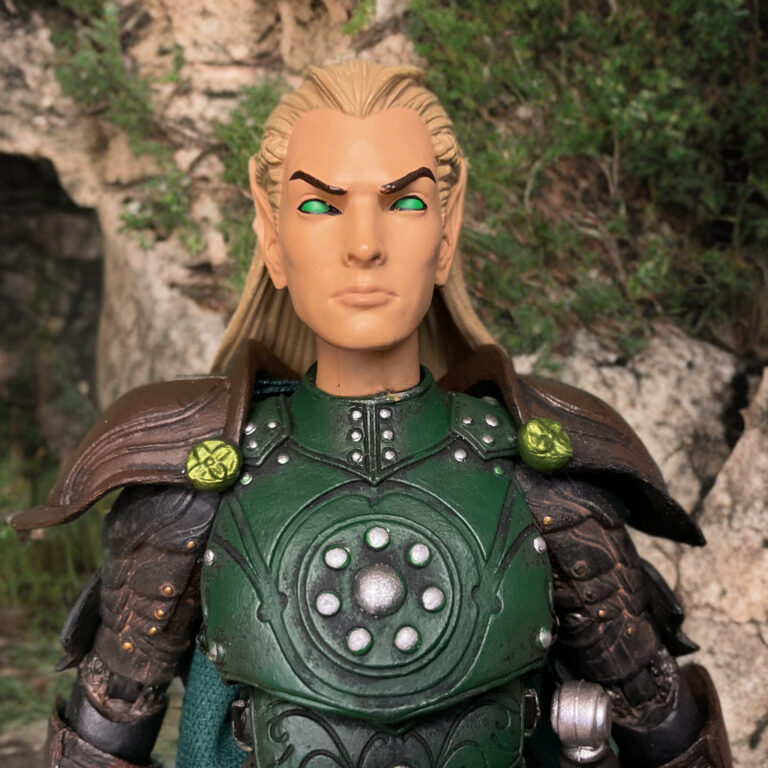
The Elf Ranger’s design masterfully blends protection with mobility, ideal for a woodland scout. It reuses the torso from the accompanying Elf Legion Builder but elevates it through targeted new elements and paint. The result is a hard leather cuirass appearance over a sculpted base, complete with embossed scrollwork, silver studs, and individually painted securing straps. Upper arms feature segmented plates and chain mail detailing, transitioning to plate elbow guards, leather-style bracers, and boots. Copper-colored knee guards add a metallic accent that contrasts beautifully with the dominant greens and browns.
This mix creates a toned-down armored look—sturdy enough for battle but lightweight for forest tracking. The sculpt captures elven grace: elongated ears on the heads, lithe proportions, and subtle muscular definition under the armor. Shoulder armor includes small pegs for cape attachment, and the belt features a loop for the sword. Every detail, from the textured chain mail to the buckled straps on the lower legs, feels purposeful and era-appropriate for a fantasy ranger.
Compared to bulkier Mythic Legions knights, the Elf Ranger’s slimmer 2.0 body type (introduced in this wave) allows for more dynamic, naturalistic poses. It avoids the “statue-like” stiffness of some earlier figures, making it feel alive on the shelf.
Paint Applications and Detailing
Paintwork on the Elf Ranger is spectacular, elevating the sculpt into something truly premium. A subtle wash on the green cuirass brings out the embossed scrollwork, giving it a lived-in, leathery texture with silver studs gleaming against the matte finish. Black straps with silver buckles secure the lower leg armor and back of the cuirass, each painted with precision. Segmented plates and shoulder armor receive a wash for a worn, rusty patina, suggesting field use rather than parade armor.
The earthy green-and-brown scheme provides natural camouflage, perfect for Xylona’s Flock. Metallic accents on the copper knee guards and accents pop without overwhelming the design. The overall application is clean, with no slop visible even on small details like the scroll patterns or buckle holes. This level of detailing was a hallmark of Advent of Decay, setting a new standard for the line and making the figure display-ready straight from the package.
Head Sculpts and Interchangeability
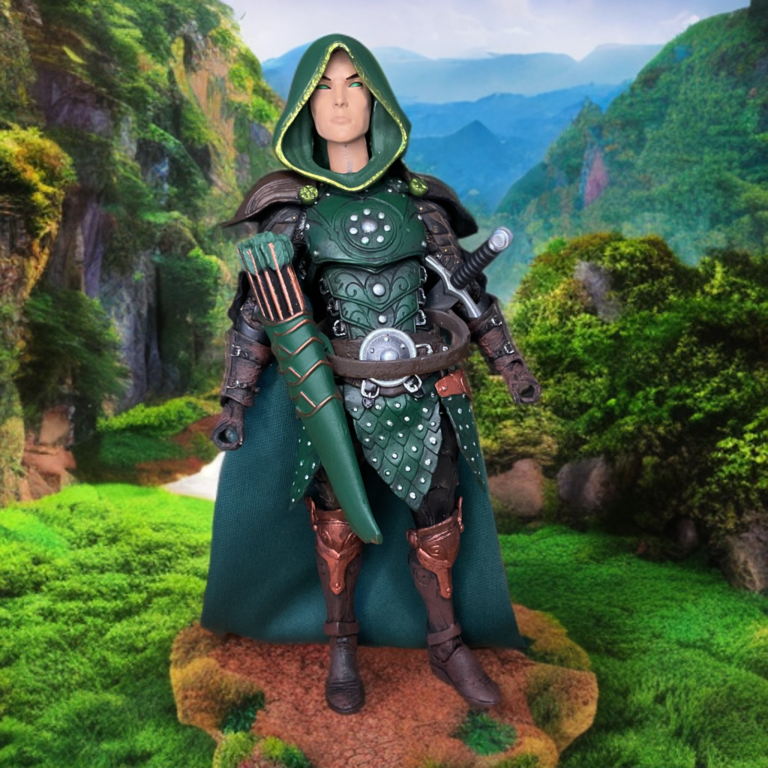
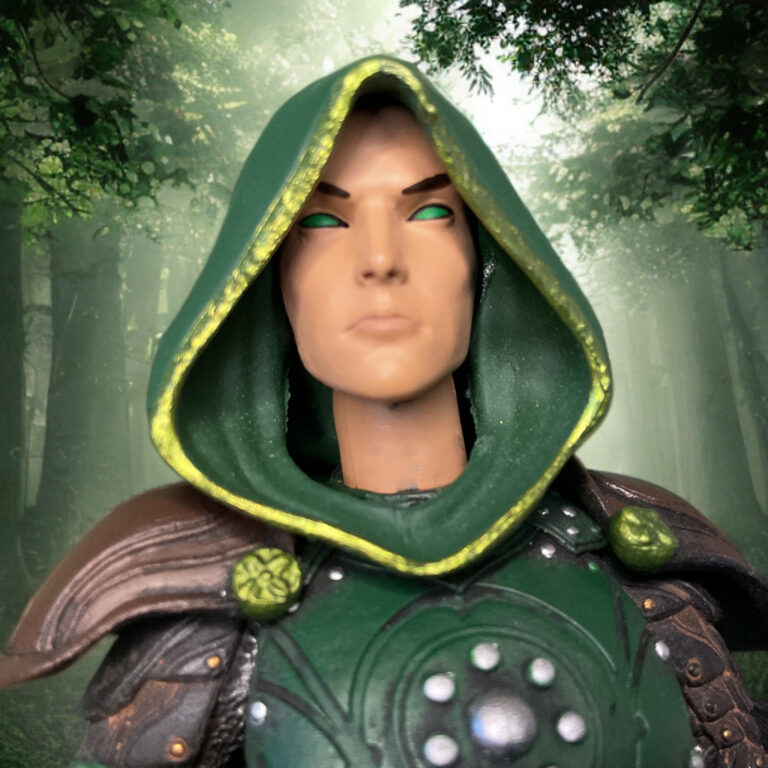
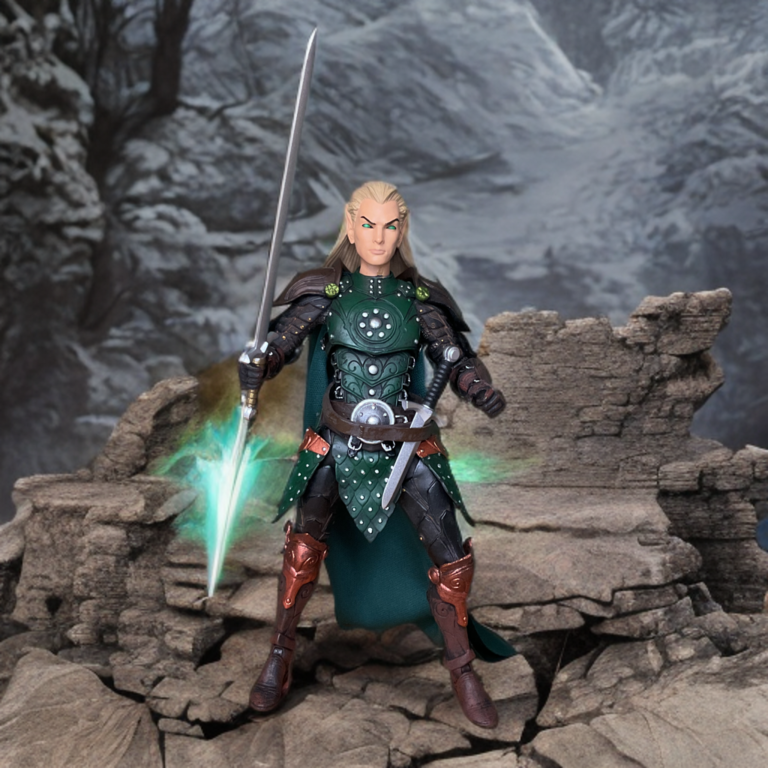
Two heads ship with the figure: an unhooded elf head and a hooded variant. The unhooded sculpt is exceptional, featuring bold lips, strong eyebrows, and pupil-less green eyes that convey quiet intensity. Long sandy-colored hair sweeps back into a widow’s peak, with two braids from behind meeting and wrapping into one— a classic elven touch. The hooded head matches the armor’s green with gold trim edging, concealing the hair for a stealthier look. The hood sits naturally, and subtle differences between the heads allow for variety in a small elf army without looking identical.
Both heads use a ball-joint neck for excellent range, and the elven ears are delicately sculpted without fragility issues. This dual-head approach adds tremendous play and display value, letting collectors switch between vigilant ranger and shadowed scout modes.
Articulation: Poseability for Adventure
Mythic Legions figures from the Advent of Decay era typically offer approximately 30 points of articulation, and the Elf Ranger delivers on that promise with fluid movement suited to its ranger role. The ball-jointed head allows full rotation, tilting, and looking up/down (minor hair interference notwithstanding). Shoulders provide good outward and forward range, with rotation at the bicep (though some early 2.0 designs had limitations here) and a combination of elbow rotation and single hinge. Wrists swivel and hinge for weapon grips.
The torso includes upper-body crunch and waist rotation for dynamic twisting. Hips allow wide stances, with thigh swivels, double-jointed knees, and ankles with rocker and pivot for stable footing. While not every joint achieves 360-degree freedom (shoulder armor can slightly restrict), the figure excels at bow-drawing poses, sword swings, and crouched tracking stances. A small piece of tack or careful posing helps secure the arrow in the hand. Overall, it outperforms many contemporary fantasy figures in posing versatility, making it ideal for photo shoots or dioramas alongside NECA D&D pieces.
Accessories: Fully Equipped for Ranger Duties
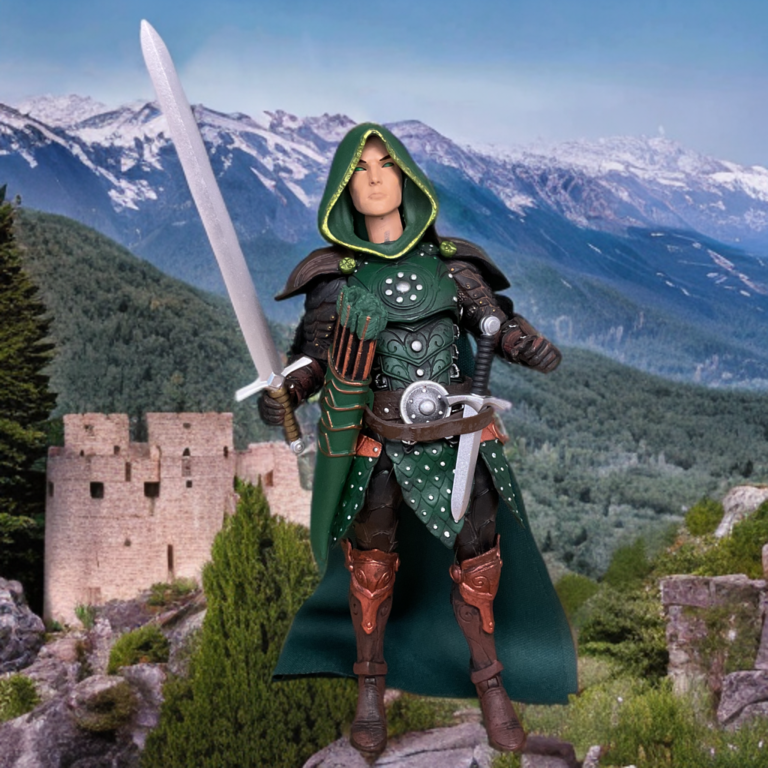
True to its role, the Elf Ranger includes a complete set of gear: a single-handed broadsword with cruciform hilt (blade, guard, and pommel in silver with a dull bronze grip), a stout-bladed dagger (brown grip, gray blade/guard/pommel), a copper-colored bow with brown string, a quiver with sculpted arrows (plus one loose arrow in matching green-and-copper tones), and a green fabric cape.
The sword sheathes securely in the belt loop, while the dagger tucks neatly inside the belt. The quiver clips to the belt or can sit on the back (though the cape favors belt mounting for clean display). The bow features tiny pegs for arrow notching, enabling convincing archery poses. The green cloth cape attaches via shoulder pegs and can thread through arm pegs for a draped effect—soft goods add realism without bulk.
All accessories match the figure’s quality, with painted details like the quiver’s copper accents. No extraneous or non-existent items are included; everything supports the ranger fantasy authentically.
Perfect Stand-In for Dungeons & Dragons LJN Vintage Melf (Peralay)
The 1983 LJN Vintage Melf/Peralay was a 3.75-inch elf fighter/mage with blond hair, a bow, sword, shield, and fabric cloak—iconic for its time but limited by 1980s engineering. Poses were basic, and surviving examples often show wear. The Mythic Legions Elf Ranger captures the spirit perfectly: elven elegance, ranger weaponry, and a green cape that echoes the vintage cloak’s color and flow.
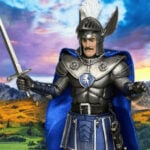
Like Arrizak’s resemblance to Kelek or Poxxus Samir Scrollwarder’s nod to Ringlerun, this figure serves as a modern proxy without direct licensing. Its sandy hair and green eyes align visually with Melf’s aesthetic in displays, while superior articulation allows for action poses the LJN figure could never achieve. For my NECA Ultimate D&D collection—which updated Warduke, Strongheart, and others but left gaps when releases slowed—this Elf Ranger completed photo shoots and campaign setups. Placed beside NECA figures (scaled similarly at around 6-7 inches), it creates cohesive vintage-inspired scenes without breaking immersion.
Compatibility, Display, and Collection Integration
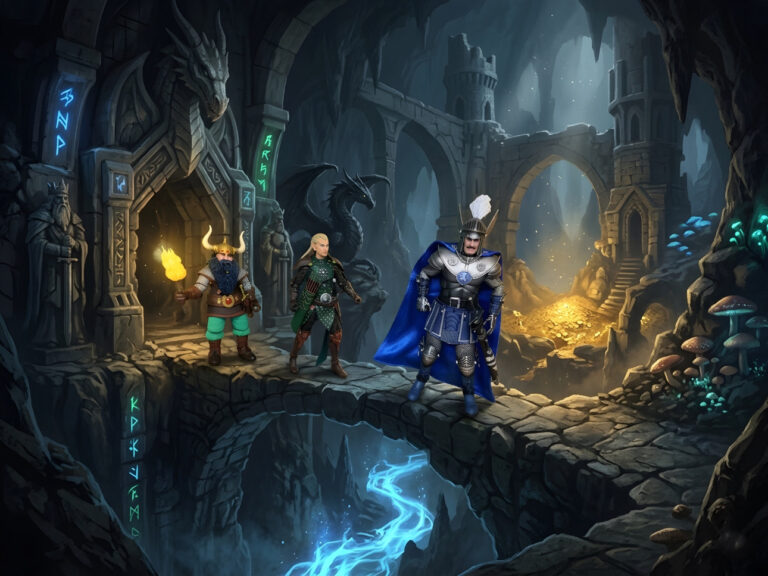
The Elf Ranger’s 2.0 body excels in mixed displays. It pairs naturally with other Advent of Decay elves or later Mythic Legions releases for army building. Parts swap easily within compatible lines, letting collectors kitbash unique rangers. For NECA D&D fans, the scale and fantasy tone integrate seamlessly—green cape flowing alongside NECA’s fabric elements creates stunning tableaus for D&D adventures or Instagram photography.
On the shelf, it shines in woodland dioramas or heroic lineups. Its legion-builder nature encourages multiples for variety, though even a single example commands attention.
Pros, Cons, and Collector Value
Pros: Exceptional sculpt and paint; versatile accessories; dual heads; strong articulation for posing; perfect vintage D&D proxy; excellent value even on secondary market.
Cons: Minor joint limitations common to the era (e.g., bicep range); no bio (by design); cape can shift slightly in extreme poses.
Today, with an average secondary price around $70-80, it holds value well due to demand for elf figures. For $33 original retail, it was a steal and remains a smart addition for any fantasy collector.
Conclusion
The Mythic Legions Elf Ranger from the 2017 Advent of Decay wave is more than a simple legion builder—it’s a testament to Four Horsemen Studios’ commitment to quality, compatibility, and imaginative fantasy design. With its detailed sculpt, superb paint, functional accessories (sword, dagger, bow, quiver, arrow, green cape), and interchangeable hooded/unhooded heads, it delivers endless posing and display potential. For me, it filled a crucial void left by the NECA Ultimate D&D line’s pause on vintage characters, serving as an ideal stand-in for the 1983 LJN Melf/Peralay much like other Mythic Legions proxies echo classic figures. Whether army-building in Xylona’s Flock or starring in D&D photo shoots and campaigns, this ranger embodies adventure-ready excellence. Highly recommended for collectors seeking premium fantasy figures that honor the past while embracing the present—truly one of Advent of Decay’s highlights.

 English
  Deutsch
  Français
  Português do Brasil
  日本語
日本語  Español
  English (Australia)