

The Night Norman the Lunatic Pinned Cactus Jack Clean: Wrestling’s Quirky 1990 Gem
In the vast tapestry of professional wrestling, where five-star classics and blood-soaked wars often dominate discussions, there exists a special category of matches remembered for their peculiar charm, unexpected outcomes, and the unique careers they represent. One such contest occurred on February 25, 1990, at NWA/WCW WrestleWar ’90: Wild Thing, held at the Greensboro Coliseum in Greensboro, North Carolina. On that evening, in a midcard singles match that lasted just over nine minutes, the larger-than-life Norman the Lunatic scored a clean pinfall victory over Cactus Jack Manson in the center of the ring.
This bout holds a distinctive place in wrestling lore. It marked the pay-per-view debut of Mick Foley, then performing as the unhinged Cactus Jack Manson, a character still in its formative stages but already hinting at the hardcore legend he would become. Facing him was Mike Shaw as Norman the Lunatic, a 400-plus-pound behemoth with a childlike, asylum-escapee gimmick that blended sympathy, comedy, and raw power. The finish—a reversal of a piledriver attempt leading to a sit-down splash or crushing pin—delivered a feel-good moment for the face-popular Norman while allowing Foley to showcase his willingness to bump and sell aggressively.
Far from a technical masterpiece, the match encapsulated the essence of early 1990s WCW/NWA: a promotion navigating its identity post-Hulk Hogan’s departure to the WWF, embracing eccentric characters, Southern storytelling, and high-risk athleticism in equal measure. While the main event pitted Ric Flair against Lex Luger for the NWA World Heavyweight Championship in a high-profile showdown, this undercard encounter has gained cult status among fans revisiting the era through YouTube clips and retro reviews. It highlights themes of collaboration, gimmick-driven entertainment, and the unpredictable paths of two memorable performers.
This article examines the full story. We explore the pre-match backgrounds and character development of both wrestlers, the broader context of the WrestleWar event, a detailed move-by-move breakdown of the contest, the immediate aftermath and ongoing feuds, contemporary reactions alongside modern retrospectives, and the enduring legacy within professional wrestling history. Through this lens, what might appear as a minor upset reveals deeper insights into the collaborative art of wrestling and the colorful 1990 landscape.
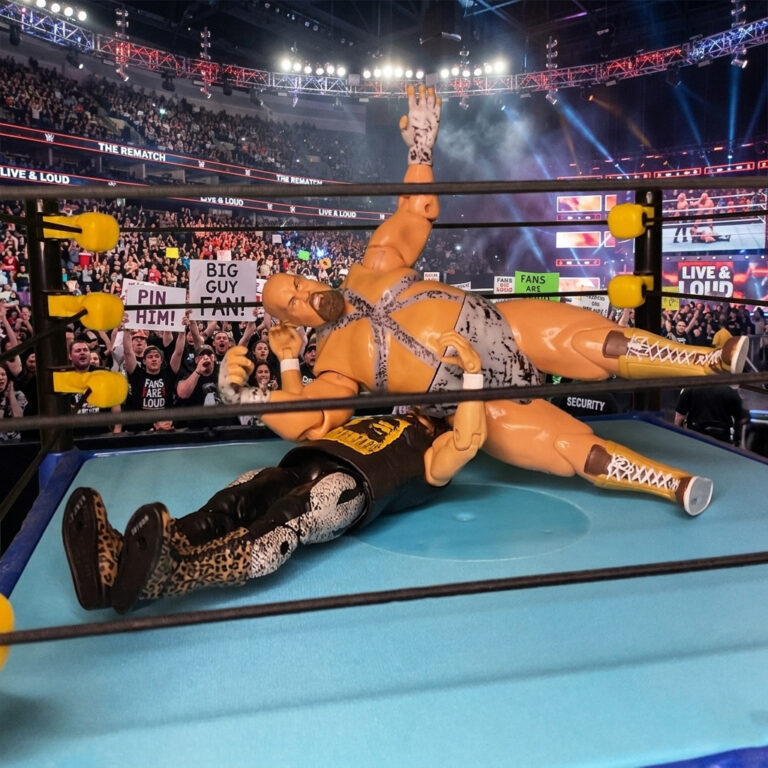
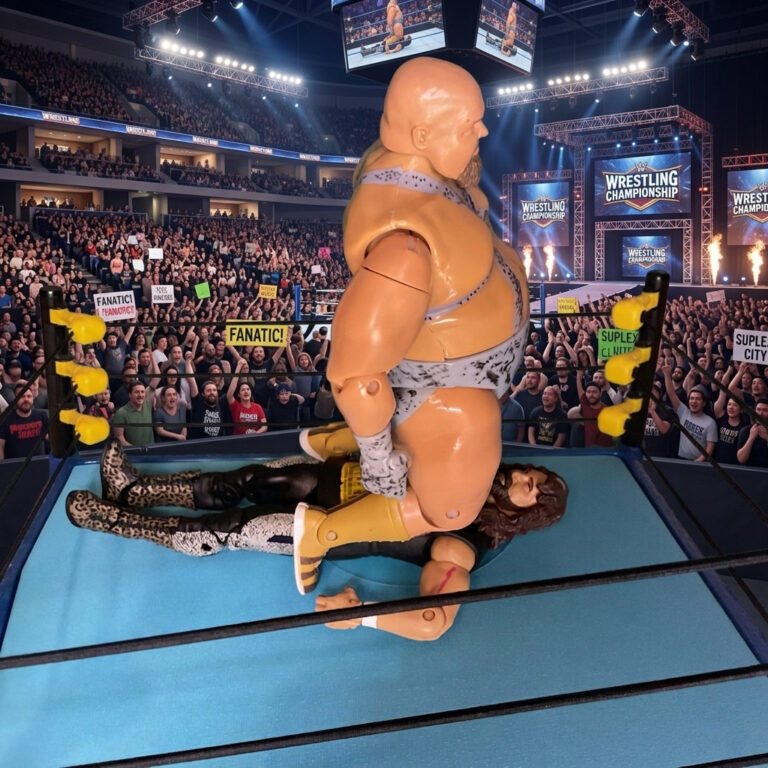
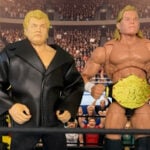
A Note on the Action Figures: Since there is no official Norman the Lunatic wrestling figure available, I used the Bastion Booger version of Mike Shaw as a stand-in for this photo series. While the attire and look are different, it still represents the same larger-than-life performer who brought Norman to life in WCW.
The Road to WrestleWar: Building Cactus Jack Manson
Mick Foley’s journey to WCW in late 1989 was the culmination of years of independent wrestling dues-paying. Born Michael Francis Foley on June 7, 1965, in Bloomington, Indiana, Foley was inspired by larger-than-life figures and developed a style emphasizing resilience, brawling, and self-sacrifice. After stints in territories including Memphis and Texas, where he captured tag titles in World Class Championship Wrestling, Foley sought national exposure.
His WCW debut angle was striking. Teaming with a jobber against the formidable Steiner Brothers on WCW Saturday Night, Foley absorbed punishment before viciously turning on his partner. The pièce de résistance was a breathtaking flying elbow drop from the apron onto the concrete floor, a high-risk spot that immediately caught the attention of Kevin Sullivan, Ric Flair, and company executives. This led to a contract and the birth of Cactus Jack Manson, billed from Truth or Consequences, New Mexico. The “Manson” moniker, designed to generate heel heat through Charles Manson associations, was edgy for the time but soon phased out due to sensitivity concerns.
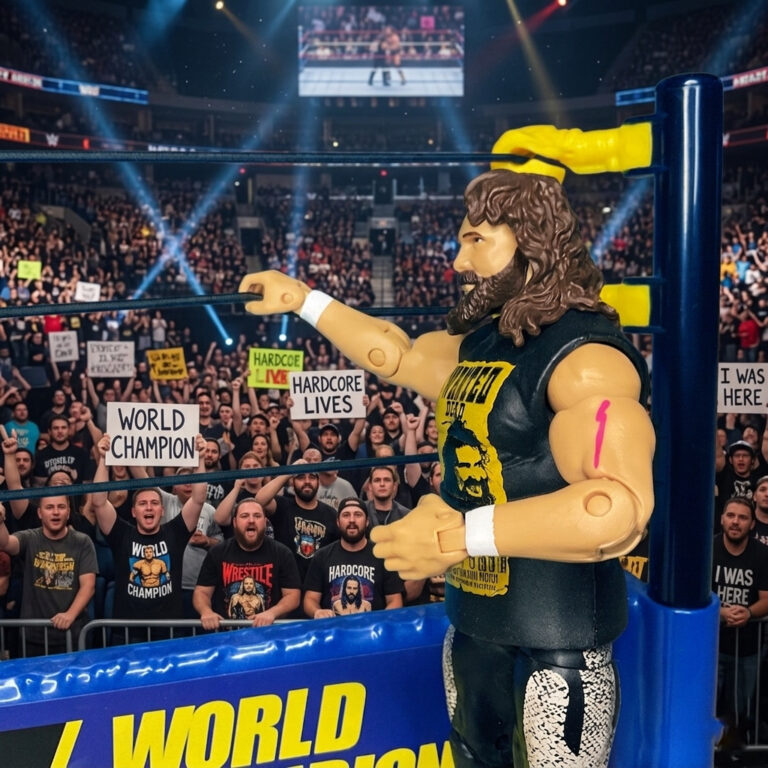
By early 1990, Cactus Jack had aligned with Kevin Sullivan’s chaotic “Slaughterhouse” stable, featuring Bam Bam Bigelow and Buzz Sawyer. This villainous group targeted various faces, creating chaotic brawls that suited Foley’s emerging hardcore approach. Foley’s matches emphasized unscripted violence: chokes, stomps, eye rakes, and especially those apron-to-floor bumps that risked serious injury but built his reputation as a fearless performer. A notable example was his Clash of the Champions X encounter with Mil Máscaras, where a backward apron fall onto concrete left him battered but more over as a resilient maniac.
Foley’s character blended a drifter aesthetic—cowboy boots, flannel shirts—with unhinged aggression. Commentators Jim Ross and Terry Funk played key roles in his presentation. Ross frequently labeled him a “dumb ass” for his reckless tactics, adding authenticity, while Funk provided colorful, folksy commentary. This period laid the foundation for Foley’s later personas (Cactus Jack in ECW and WWF, Mankind, Dude Love), emphasizing psychology, selling, and making opponents look strong. At WrestleWar, facing Norman offered Foley a platform to brawl wildly while putting over a pushing powerhouse.
Norman the Lunatic: Mike Shaw’s Memorable Gimmick
On the other side of the ring stood Mike Shaw, a towering figure whose career spanned multiple personas but found perhaps its most beloved expression as Norman the Lunatic. Born Michael Paul Shaw on May 9, 1957, in Michigan, Shaw stood 6’1” and tipped the scales at over 400 pounds during his WCW run. Trained by Killer Kowalski, he broke into the business in the early 1980s, achieving significant success in Stampede Wrestling as the heel Makhan Singh. As part of the Karachi Vice faction, Shaw portrayed a menacing, rule-breaking antagonist who thrived in brutal territory wars.
When Stampede closed in late 1989, Jim Ross—then a key WCW figure—recommended Shaw to the promotion. Debuting as Norman the Lunatic, Shaw was initially a heel under the management of Theodore R. Long. Long carried an oversized key, symbolizing his authority to return the “lunatic” to the asylum should he disobey. Norman’s entrance featured ragged hospital garb or disheveled clothing, a teddy bear accessory, and erratic, childlike behavior—hugging, skipping, or reacting with innocent glee. The gimmick mixed sympathy (the escaped patient seeking acceptance) with comedy and powerhouse offense.
By WrestleWar 1990, Norman had turned face, breaking free from Long’s control and becoming more sympathetic. Fans cheered his resilience and enthusiasm. His feuds with Sullivan’s Slaughterhouse, including Cactus Jack, positioned him as the big, lovable underdog capable of absorbing punishment and delivering comebacks through bear hugs, clotheslines, and avalanches. Despite mobility challenges inherent to his size, Shaw committed fully to the character, earning crowd pops for his post-match celebrations.
Shaw’s later career included runs as Norman the Maniac, Trucker Norm in WCW, and the infamous Bastion Booger in WWF—a gluttonous, grotesque character that polarized fans but showcased his versatility. Sadly, Shaw passed away on September 11, 2010, from heart-related issues, but his contributions to wrestling’s colorful character era endure.
WrestleWar 1990: The Event Context
WrestleWar ’90: Wild Thing represented WCW/NWA’s efforts to maintain momentum in a competitive landscape. With Sting injured, the main event became Flair vs. Luger, a solid draw that helped the card achieve a respectable buyrate. Attendance hovered between 7,500 and 9,800, typical for the era’s Coliseum shows. The undercard mixed classic tag wrestling (Rock ‘n’ Roll Express vs. Midnight Express in a memorable bout), street fights, and oddball attractions like Norman vs. Cactus.
Placed early on the card after Sullivan and Sawyer’s win over the Dynamic Dudes, the Norman-Cactus match served dual purposes: advancing the Slaughterhouse feud and giving Norman a momentum-building victory. Jim Ross and Terry Funk on commentary set a distinctive tone—Ross critiquing Cactus’s recklessness, Funk adding humorous observations about Norman’s physique, comparing it colorfully to “the head of a buffalo and the body of Roseanne.” The production values, ring setups, and crowd energy reflected 1990 Southern wrestling: passionate but not yet at the polished heights of later Monday Night Wars production.
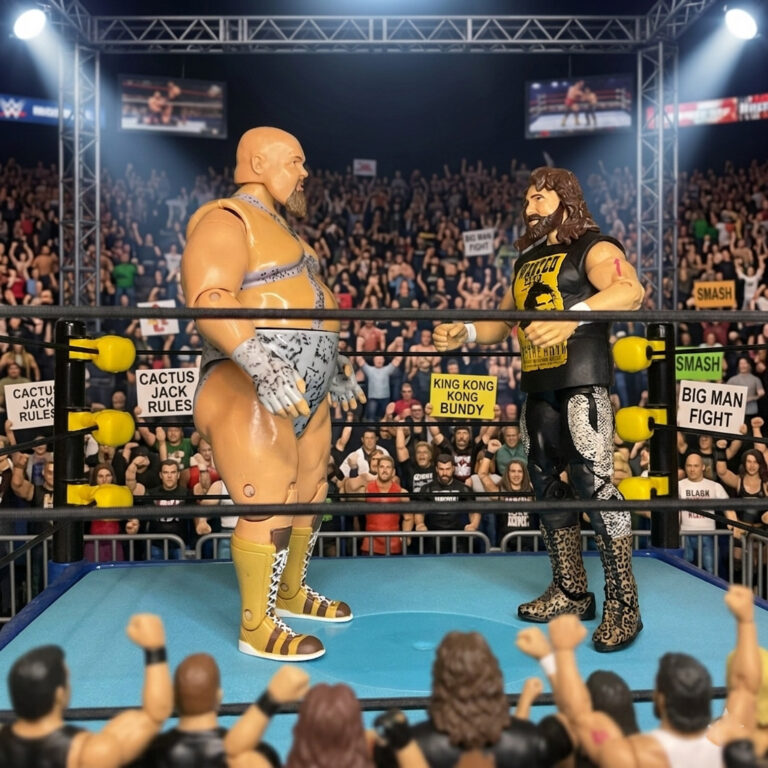
| Attribute | Cactus Jack Manson | Norman the Lunatic |
| Performer | Mick Foley | Mike Shaw |
| Billed Weight | ~230 lbs | 400+ lbs |
| In-Ring Style | High-risk bumps, brawling, self-sacrifice | Powerhouse offense, bear hugs, avalanches |
| Gimmick Vibe | Unhinged drifter, outlaw maniac | Childlike asylum escapee, sympathetic underdog |
| Manager / Stable | Kevin Sullivan (The Slaughterhouse) | Formerly Theodore R. Long (Now Face) |
| Signature Visual | Flannel shirt, cowboy boots, concrete bumps | Ragged hospital garb, oversized teddy bear |
Match Breakdown: A Detailed Look
The bell rang for what would be a 9:32-9:33 contest. Cactus Jack, accompanied by Kevin Sullivan, entered with intensity, drawing mixed reactions as the aggressive heel. Norman, the lovable face, received cheers and possibly interacted with fans by tossing his teddy bear.
Early Dominance by Cactus: Jack seized control immediately with chokes on the ropes, stiff punches, elbows, and targeted stomps. He worked a chinlock to slow the pace, selling his brawling expertise. Norman no-sold select strikes, emphasizing his durability and childlike resilience, before firing back with powerful clotheslines.
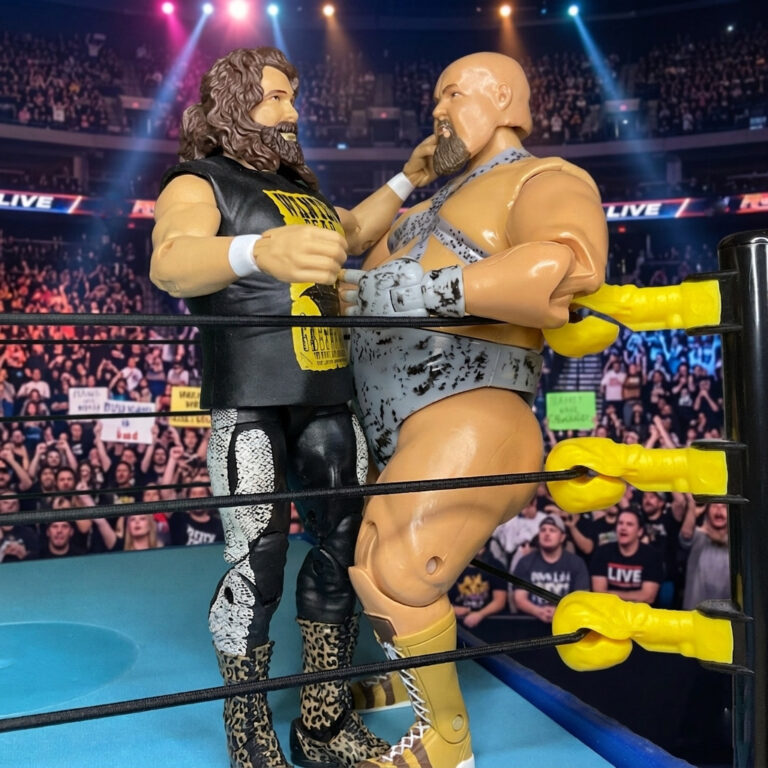
Norman’s Power Game and Foley’s Bumps: Norman locked in a prolonged bear hug, squeezing the air from Cactus as Foley sold dramatically. An avalanche splash in the corner followed. Key highlights were Foley’s high-risk spots: an Irish whip sending him over the top rope to the floor, and a dramatic bump over the guardrail onto concrete. These moments elevated the match, showcasing Foley’s dedication even in a midcard setting.
The bout featured typical 1990 pacing with rest holds—additional bear hugs and chinlocks—allowing both men to catch breath while building heat. Cactus resorted to dirty tactics like eye rakes and bites to regain advantage, true to his maniac persona.
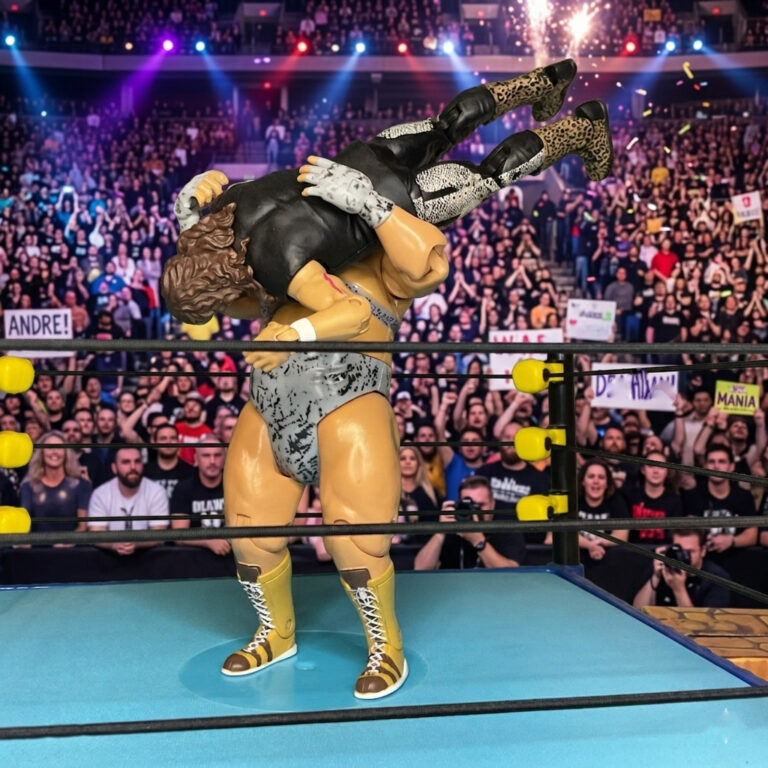
Climactic Finish: Cactus attempted a piledriver. The massive Norman powered out with a backdrop. In the ensuing scramble, Norman reversed Cactus’s offensive attempt and dropped down with a sit-down splash or crushing pin, securing the clean three-count at 9:33. Norman’s celebration was pure gimmick gold—jumping, hugging, and radiating joy—drawing cheers from the crowd.
The match wasn’t fluid; Norman’s size limited agility, leading to some clunky exchanges. Yet Foley’s bumping and selling, combined with Norman’s power spots, made it functional and entertaining for its purpose.
Immediate Aftermath, Feud Continuation, and Careers
Post-match, Norman’s win bolstered his face push. The Slaughterhouse feud persisted, culminating in a six-man tag at Capital Combat where Norman teamed with the Road Warriors against Sullivan, Bigelow, and Cactus. Foley departed WCW in mid-1990 after disagreements with booker Ole Anderson over his style but returned stronger in 1991, dropping much of the “Manson” edginess for a more serious Cactus Jack.
Shaw continued evolving the Norman character before transitioning to Trucker Norm. His WWF stint as Bastion Booger brought mainstream (if controversial) exposure. Both men’s paths diverged but left lasting impacts: Foley as a multi-time champion, author, and Hall of Famer; Shaw as a beloved gimmick specialist.
Match Progression Timeline
The Opening Bell
Cactus Jack enters with intense heel heat alongside Kevin Sullivan. He immediately attacks Norman with stiff punches, eye gouges, and rope chokes to slow down the big man.
The Bear Hug & Rest Holds
Norman uses his massive 400-pound frame to absorb the strikes and catches Cactus in a prolonged, agonizing bear hug. The pace settles into classic 1990 Southern psychology.
The Concrete Bumps
Foley elevates the midcard match by taking brutal signature bumps. An Irish whip sends him tumbling over the top rope, followed by a dramatic crash over the guardrail onto the exposed arena concrete.
The Piledriver Reversal
Cactus drags Norman back inside and attempts a desperate piledriver. Norman's immense weight allows him to power out, flipping Cactus backward with a massive backdrop.
The Clean Finish
As Cactus scrambles back up, Norman counters and drops his weight into a crushing sit-down splash. He hooks the leg for a clean 1-2-3, kicking off an ecstatic, childlike celebration in the ring.
Reception and Legacy
Contemporary feedback was mixed—many called it skippable or average due to pacing and Norman’s limitations, though Foley’s effort drew praise. Modern reviews on 411Mania, blogs, and forums rate it ½ to 2 stars, viewing it as a nostalgic time capsule of WCW’s wild gimmick era. Clips circulate widely, appreciated for Foley’s early bumps and Norman’s innocent charisma.
Broader legacy? It illustrates wrestling’s collaborative core—Foley making a limited opponent shine—and foreshadows the hardcore boom. In an era of cartoonish characters before Attitude, it reminds us of joy in imperfection.
Gimmick Evolution Map
Conclusion
The night Norman the Lunatic pinned Cactus Jack clean was neither spectacle nor disaster but a quintessential slice of 1990 wrestling. It featured committed performers, quirky storytelling, and seeds of future greatness. In an industry chasing perfection, moments like this celebrate humanity, creativity, and the unpredictable magic of the squared circle. Long after the bell, it endures as a fond, weird memory.
If you enjoyed this quirky trip back to the night Norman the Lunatic pinned Cactus Jack clean at WrestleWar 1990, be sure to explore more wild retro wrestling action figure recreations on Fantasy Action Figures, including the chaotic BattleBowl ’93: When the Monster Met Reality, the legendary dream match that never was between Sting and The Undertaker, and the intense Stars & Stripes Steel Cage showdown pitting Lex Luger against The Sultan.
 English
  Deutsch
  Français
  Português do Brasil
  日本語
日本語  Español
  English (Australia)