

Nilbogs: Goblins Reversed — History & Folklore
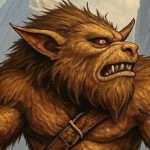
Nilbogs are one of those delightfully silly-but-creepy corners where wordplay, folklore motifs, and tabletop design collide. The term itself—“nilbog”—is simply “goblin” spelled backwards, but that inversion is no accident: the core idea is reversal. Over the past five decades that idea has been used for everything from cult-camp cinema to a jokey monster in British fanzines, to an actual statted Dungeons & Dragons creature whose mechanics embody that backwardness. This article traces that trajectory: the name and motif, early fan and magazine origins, folkloric resonances, cultural detours (yes, Troll 2), and the creature’s realization in D&D through the editions up to modern 5th-edition treatments.
Name and motif: reversal as a trickster principle
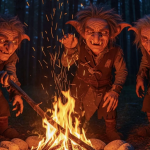
At the heart of the nilbog concept is a single linguistic gag: reverse the letters of “goblin” and you get “nilbog.” But good monster design doesn’t stop at a clever name. The reversal idea naturally lends itself to a trickster archetype—someone or something that inverts expectations, makes healing harmful, good luck into bad luck, rules upside down. That motif connects the nilbog to centuries of folklore about trickster spirits (Loki, Coyote, Reynard, various household or nature tricksters) who upend rules rather than simply acting as brute predators. The wordplay signals that inversion is the creature’s theme, and designers leaned into that from the start.
Fan-magic and the Fiend Factory: an early tabletop birthplace
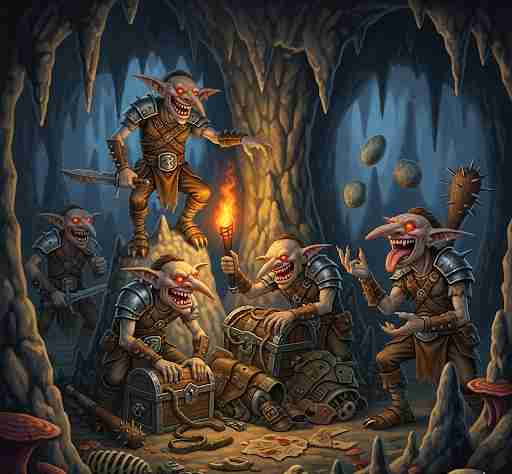
The nilbog’s tabletop origins can be traced to the British hobby scene of the late 1970s. White Dwarf magazine ran a reader-submission column called “The Fiend Factory,” and many of those fan-made monsters later migrated into TSR’s Fiend Folio (1981). The nilbog concept—essentially a goblin affected by a reversal curse or spirit—was one of those pieces that started in that community-driven crucible. The Fiend Folio presented the nilbog as a cheeky, disruptive creature; the name was an explicit nod to the gag: goblin backwards. Academic and fan histories of that period document how contributions from the UK scene made their way into core monster collections.
The (game) folklore of nilbogism: what the creature does
Across early descriptions and later revisions, a handful of consistent elements recur:
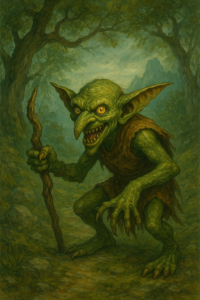
• Nilbogism / possession: The state is sometimes described as a spirit, disease, or curse that “possesses” a goblin, producing a nilbog. The possessed goblin behaves like a trickster, sowing chaos.
• Reversal mechanics: In older editions and play lore the nilbog often benefits from damage and is resistant to typical attacks—sometimes even healed by harm. Conversely, healing magic can hurt it. This literal inversion of healing/damage is where the creature’s name becomes a mechanical joke as well as a narrative one.
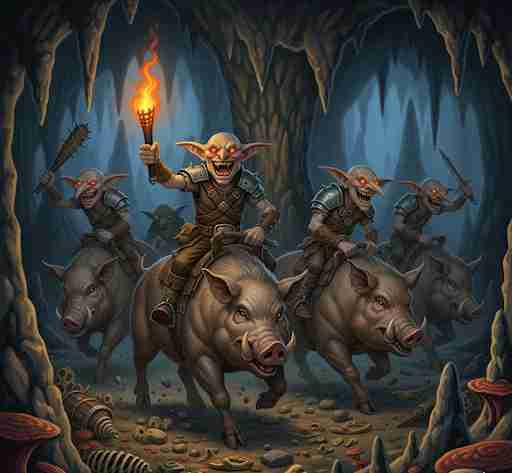
• Chaotic influence: Beyond survival mechanics, nilbogs are conceived as social disruptors—either through magical charm, pranksterry, or battlefield confusion—able to undermine orders and turn allies into fools.
These traits appear in multiple period writeups and remain central to most modern takes.
Nilbogs in pop culture: the movie detour
An odd detour: the 1990 cult film Troll 2 features a town called Nilbog (explicitly “goblin” spelled backwards) and a plotline where townsfolk are transformed into plant-like food for goblin creatures. The film’s use of the name is likely independent of the tabletop material (and the movie’s cult notoriety helped the word linger in pop culture), but it underlines the broader appeal of the reversed-goblin motif—a place where the familiar is turned inside out. Whether filmmakers knew of the tabletop lineage or arrived at the same playful inversion separately is debated, but the overlap is a neat example of convergent creative thinking around a memorable word.
D&D’s formal adoption and evolution (from Fiend Folio to 5E)
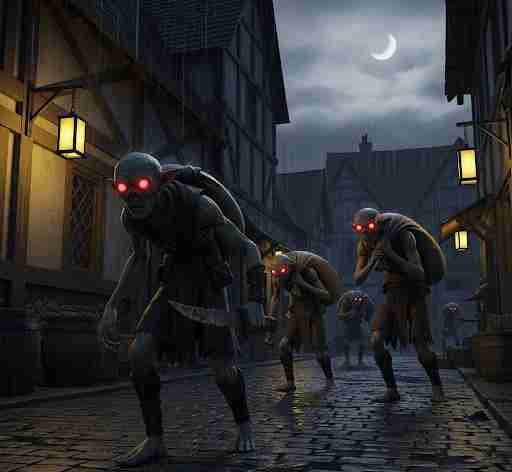
After the Fiend Folio and scattered mentions in fandom, the nilbog later appeared in official Dungeons & Dragons bestiaries. In more recent years, 5th-edition materials—most notably Volo’s Guide to Monsters and related compendia—reintroduced and refined the nilbog for modern play. The 5E nilbog keeps the trickster/reversal theme but presents it with more controlled mechanics (e.g., abilities that charm attackers, reactions that convert incoming damage into healing, or special “reversal of fortune” effects). Modern designers tended to make the creature mechanically useful and narratively interesting rather than a pure one-note gag, so you often get a nilbog that causes havoc on the battlefield and introduces roleplaying opportunities—leaders who become cult figures, goblin tribes destabilized by a charismatic nilbog, or mysteries about how nilbogism starts.
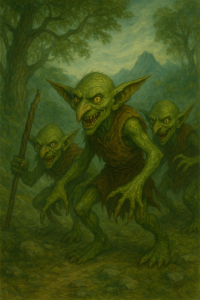
Designer commentary (from campaign originators and setting authors) sometimes suggests multiple in-world explanations for nilbogism—fey bargains, spiritual shard of a trickster deity, or planar taint from weird realms—giving DMs lots of ways to fold the creature into different settings. Keith Baker (Eberron designer) has even suggested reading some nilbog tales as tied to Xoriat/daelkyr influence in that setting, illustrating how the concept maps to different cosmologies.
Folkloric roots and scholarly reading
While the nilbog is primarily a piece of gaming culture, its themes are recognizably folkloric:
• Mirror reversal: Many folktales include mirror-image beings or reversed worlds (think “mirror folk” or tales where day and night switch places). Nilbogs play on that cognitive jolt—what if the rules themselves flipped?
• Trickster infiltration: Folklore honors tricksters who teach lessons through inversion and chaos. The nilbog inherits that archetype—its pranks destabilize hierarchies, which aligns with goblins’ usual role as social insects with fragile coalitions.
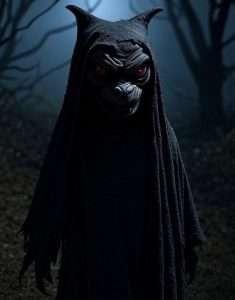
• Cultural humor: Wordplay monsters (anadromes like nilbog) belong to a humorous strand of folktelling where names signal character and fate. That tradition moves easily into games, where a punchline can become a fully fleshed mechanical design.
So even when the nilbog is a deliberate pun, it sits comfortably among older motifs of misrule and inversion.
Running nilbogs at your table: hooks and variations
If you want to use nilbogs in a campaign beyond “weird goblin that laughs when you hit it,” try these directions:
• Origin mystery: Make nilbogism an outbreak—are the goblins cursed, is a trickster deity using them as foot soldiers, or is some planar rot causing the reversals?
• Social parasite: A charismatic nilbog can become a cult leader; the players must decide whether to cure or exploit it.
• Moral inversion: Use the healing-hurting mechanic to create tense choices—healing an ally may actually harm them if nilbog contagion spreads.
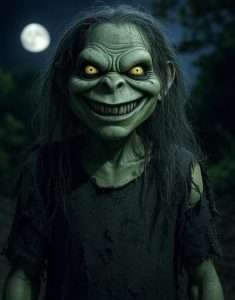
• Tone shifts: Nilbogs work in comedic, horror, and surreal campaigns. Lean into slapstick for lighthearted adventures, or emphasize uncanny body-horror and the uncanny valley for grimmer tales.
Mechanically, remember to telegraph the reversal clearly so players can plan clever countermeasures—an inverted mechanic is fun only if players understand the rule’s logic and can respond.
Comparison of Nilbogs to Other Goblinoids
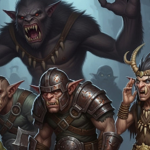
Nilbogs are a unique variant of goblins in Dungeons & Dragons 5th Edition (from Volo’s Guide to Monsters), possessed by the fragmented spirit of a trickster deity slain by Maglubiyet, the goblinoid overlord god. This possession grants them chaotic, reality-inverting abilities, making them pranksters who sow discord among goblinoid ranks. Unlike standard goblinoids, nilbogs are extremely resilient to harm but fragile in structure, emphasizing trickery over brute force. They typically appear in goblinoid “hosts” (alliances of goblins, hobgoblins, and bugbears) where goblins are mistreated, turning the possessed goblin into a jester-like figure feared by hobgoblins and bugbears.
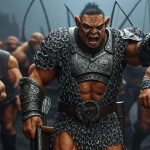
For comparison, I’ve focused on the core goblinoid races: goblins (the baseline small goblinoid), hobgoblins (disciplined warriors), and bugbears (ambush predators). These are drawn from official 5E monster stat blocks (Monster Manual for goblins, hobgoblins, and bugbears; Volo’s Guide for nilbog). Key attributes include physical stats, combat role, and special traits. Nilbogs stand out for their healing-from-damage mechanic but are otherwise similar to goblins in frailty.
| Attribute | Nilbog (CR 1/2) | Goblin (CR 1/4) | Hobgoblin (CR 1/2) | Bugbear (CR 1) |
|---|---|---|---|---|
| Size | Small | Small | Medium | Medium |
| Hit Points (avg) | 7 | 7 | 11 | 27 |
| Armor Class | 15 (leather + Dex) | 15 (leather + shield + Dex) | 18 (chain mail + shield) | 16 (hide + Dex) |
| Speed | 30 ft. | 30 ft. | 30 ft. | 30 ft. |
| STR | 8 (-1) | 8 (-1) | 13 (+1) | 15 (+2) |
| DEX | 14 (+2) | 14 (+2) | 12 (+1) | 14 (+2) |
| CON | 10 (+0) | 10 (+0) | 12 (+1) | 13 (+1) |
| INT | 10 (+0) | 10 (+0) | 10 (+0) | 8 (-1) |
| WIS | 8 (-1) | 8 (-1) | 10 (+0) | 12 (+1) |
| CHA | 16 (+3) | 8 (-1) | 9 (-1) | 9 (-1) |
| Key Abilities | – Reversal of Fortune: Damage reduces to 0 and heals 1d6 HP. – No Joke: Innate spells like cause fear and Tasha’s hideous laughter (CHA-based). – Prankster spirit; can’t be permanently killed (spirit jumps to another goblin). | – Nimble Escape: Disengage or Hide as bonus action. – Pack tactics: Advantage on attacks if ally is nearby. | – Martial training: Proficiency in weapons and armor. – Saving Face: Reroll failed saves if ally is within 30 ft. | – Surprise Attack: +2d6 damage on first turn if surprise. – Stealthy: Proficiency + expertise in Stealth. – Brute melee: Morningstar deals 2d8 piercing. |
| Role in Goblinoid Society | Chaotic disruptor; feared jester in hosts, undermines hobgoblins/bugbears. | Cannon fodder/scavenger; lowest caste, sneaky raiders. | Leaders/warriors; disciplined military hierarchy. | Enforcers/ambushers; lazy but terrifying muscle. |
| Alignment/Lore Notes | Chaotic Evil (trickster possession amplifies goblin cruelty with pranks). Immortal spirit fragment; appears where goblins are oppressed. | Lawful/Neutral Evil; worship Maglubiyet, form vast hordes. | Lawful Evil; iron-fisted commanders. | Chaotic Evil; solitary hunters who bully goblins. |
Key Insights from the Comparison
- Physical Power: Nilbogs match goblins in weakness (low STR/CON, 7 HP) but lag behind hobgoblins (tougher, armored) and especially bugbears (high HP, STR for tanking hits). They’re not built for direct fights—relying on chaos instead.
- Durability Twist: Nilbogs’ Reversal of Fortune makes them ironically hard to kill compared to other goblinoids. While a bugbear can absorb ~27 damage, a nilbog heals from every attack, potentially outlasting even hobgoblins in prolonged fights until its spirit flees.
- Social Dynamics: In goblinoid lore, nilbogs invert the hierarchy—goblins (and nilbogs) are oppressed by hobgoblins and bugbears under Maglubiyet’s rule. A nilbog’s emergence causes panic, as it turns obedient troops into fools (e.g., via hideous laughter).
- Combat Style: All are agile (high DEX), but nilbogs emphasize Charisma for mind games, unlike the martial hobgoblins or stealthy bugbears. Goblins are the closest analog, but nilbogs add supernatural flair.
This table shows how nilbogs are an “upgraded” goblin variant for role-playing encounters, perfect for subverting typical goblinoid hordes.
Conclusion
The nilbog began as a clever piece of hobbyist wordplay and evolved into a versatile motif: a folkloric inversion made literal, a battlefield disruptor, and a narrative engine. It shows how a single linguistic trick—spelling goblin backwards—can open doors into trickster archetypes, community creativity (those White Dwarf pages), pop-culture oddities (Troll 2), and formalized tabletop design (Fiend Folio → Volo’s Guide and beyond). Whether you treat nilbogs as campy gags or eldritch agents of chaos, their delight is in the reversal: nothing is what it seems, and the rules may be the first thing to go.
 English
  Deutsch
  Français
  Português do Brasil
  日本語
日本語  Español
  English (Australia)