

The Tragic Fall and Miraculous Resurrection of Wrestling Legend Lex Luger
The Total Package: The Definitive History of Lex Luger
Lawrence Wendell “Larry” Pfohl (born June 2, 1958), better known by his iconic ring name Lex Luger, is an American retired professional wrestler, bodybuilder, and former gridiron football player. Best known for his powerhouse runs across Championship Wrestling from Florida (CWF), Jim Crockett Promotions (JCP), the National Wrestling Alliance (NWA), World Championship Wrestling (WCW), and the World Wrestling Federation (WWF, now WWE), Luger remains one of the most recognizable figures of wrestling’s golden eras.
Nicknamed “The Total Package” and “The Narcissist,” he was celebrated for his chiseled, bodybuilding physique, raw athletic power, and his devastating Argentine backbreaker submission finisher, the “Torture Rack.” Over a career spanning more than two decades, Luger captured two WCW World Heavyweight Championships, a record-setting five NWA/WCW United States Heavyweight Championships, and was the second-ever WCW Triple Crown Champion. He was officially inducted into the WWE Hall of Fame Class of 2025.
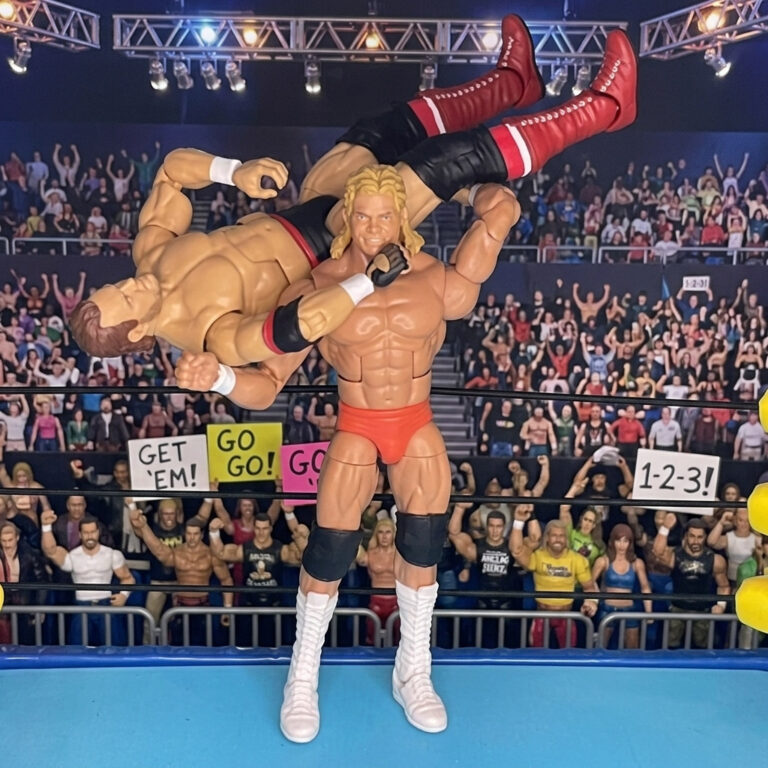
Early Life and Gridiron Football Career
Lawrence Pfohl was born in Buffalo, New York, of German and Scottish descent. Growing up in nearby Orchard Park, he was a dual-sport athlete excelling in basketball and football at Orchard Park High School. During his senior year, his coaches convinced him to focus heavily on football to secure a college scholarship. Pfohl, along with teammate Craig Wolfley, built his foundational strength training under World’s Strongest Man competitor Don Reinhoudt.
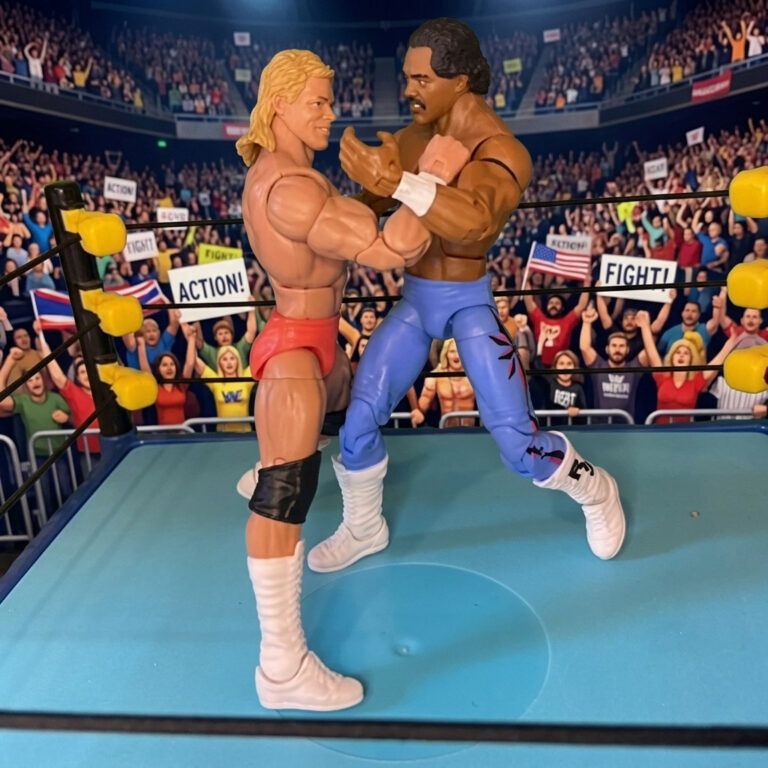
College Football & Dismissal
Pfohl received scholarship offers from Boston College, Penn State, and the University of Miami. He initially chose Pennsylvania State University but transferred to Miami after his freshman year when the Nittany Lions’ coaching staff suggested he switch positions to linebacker or defensive end. Pfohl preferred the offensive line and spent the 1977 season as a redshirt transfer student in Coral Gables.
In 1978, Pfohl played offensive guard and tackle for the Miami Hurricanes under head coach Lou Saban. He shared the gridiron with future NFL and Pro Football Hall of Fame legends, including quarterback Jim Kelly, Jim Burt, and Fred Marion. However, Pfohl’s collegiate career ended abruptly during his sophomore season. Frustrated by a lack of starting playing time by the fifth game and suffering from severe cabin fever on a road trip to Atlanta to face Georgia Tech, Pfohl snapped and completely trashed his hotel room. Coach Saban dismissed him from the team, and Pfohl left Miami without a degree.
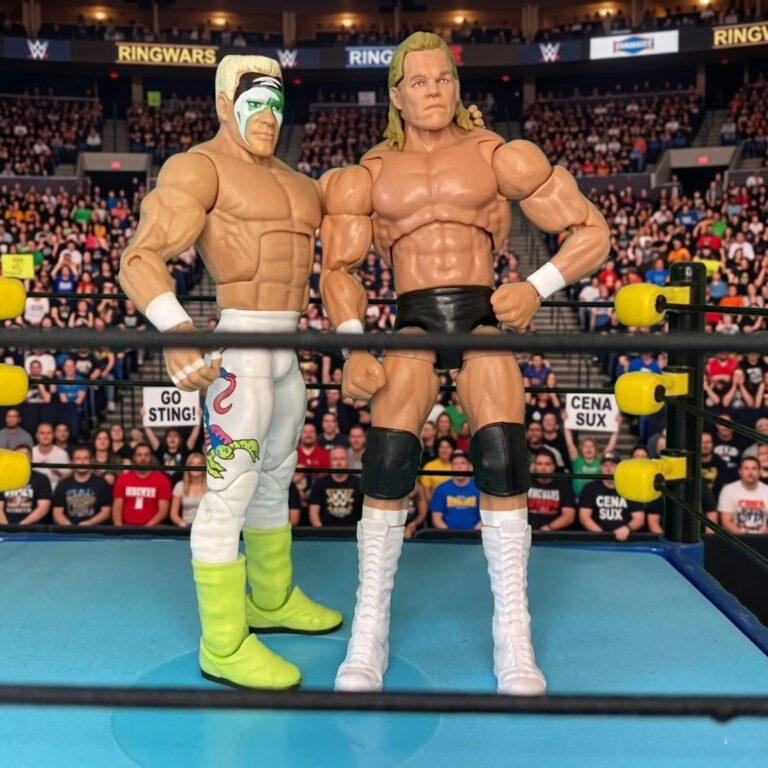
Professional Football Trail (1979–1985)
Transitioning to the professional ranks as an undrafted free agent, Pfohl forged a multi-league career across Canada and the United States:
Canadian Football League (CFL): Pfohl signed with the Montreal Alouettes, playing from 1979 to 1981. He dressed for 14 regular-season games as an offensive lineman and was part of the roster that competed in the 67th Grey Cup game in 1979. He was released after appearing in two games of the 1981 season.
National Football League (NFL): In 1982, Pfohl signed with the Green Bay Packers. However, a severe groin injury suffered during training camp landed him on injured reserve for the entire 1982 season. He spent the 1983 off-season with the team but was released before the regular season began, never appearing in an official NFL game.
United States Football League (USFL): Pfohl found consistent playing time in the newly formed USFL. In 1984, he played for the Tampa Bay Bandits under head coach Steve Spurrier, where he was teammates with future professional wrestling icon Ron Simmons. He later played for the Memphis Showboats (1984–1985) and concluded his football career with the Jacksonville Bulls in 1985.
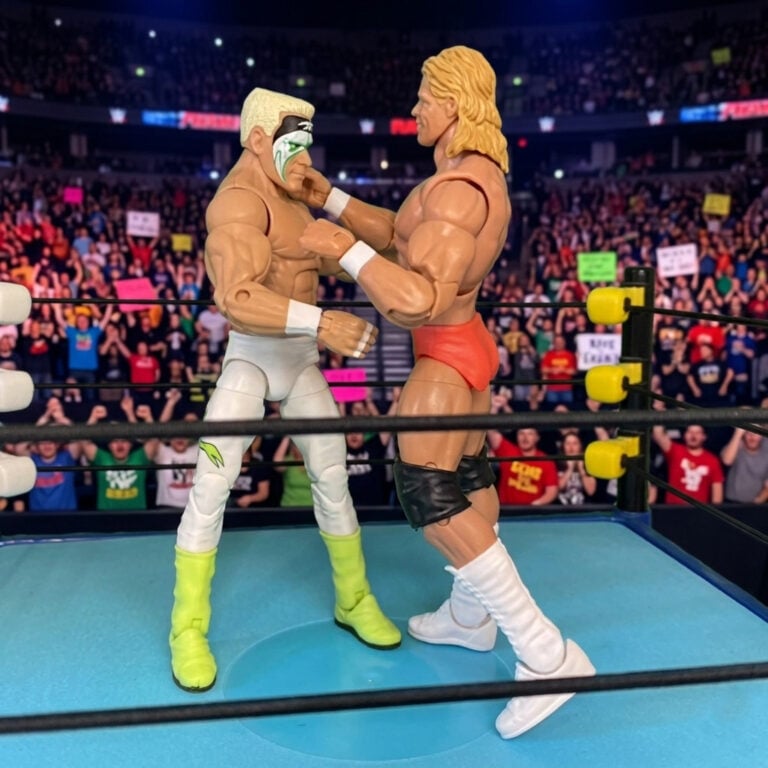
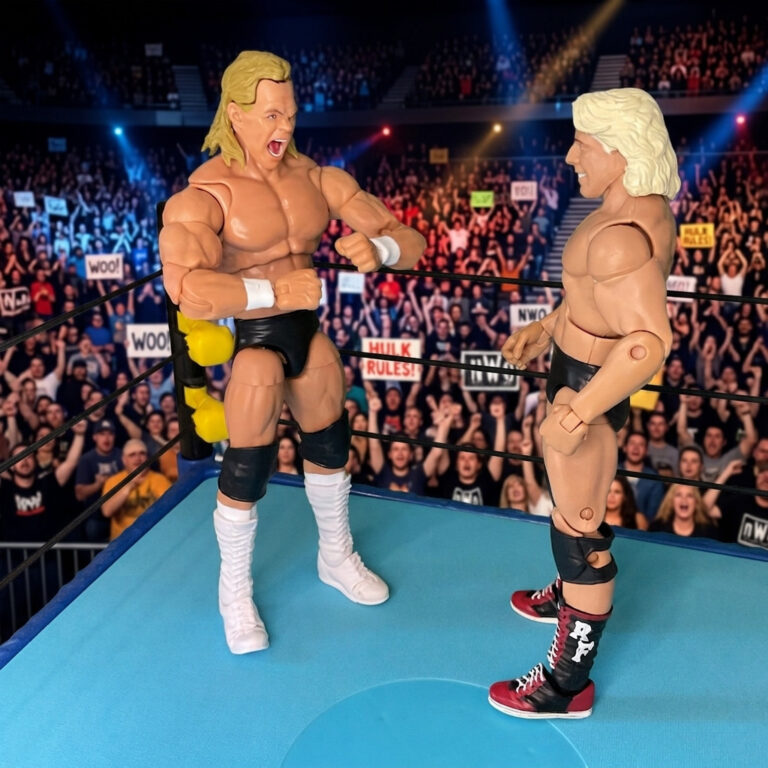
Entry into Professional Wrestling (1985–1987)
While training in Florida during the football off-season, Pfohl met veteran professional wrestler Bob Roop, who was deeply impressed by Pfohl’s rare combination of size and muscularity. Roop introduced him to legendary trainer Hiro Matsuda—the man famous for training Hulk Hogan.
Pfohl adopted the ring name Lex Luger, drawing inspiration from the fictional comic book supervillain Lex Luthor, to anchor his identity as a natural wrestling heel (villain). He made his official in-ring debut on October 31, 1985, for Championship Wrestling from Florida (CWF).
Luger’s rise was meteoric. His incredible physical presence made him an instant star in the territory. He quickly defeated the legendary Wahoo McDaniel to win the NWA Florida Southern Heavyweight Championship. He then entered a prominent, high-profile feud with Barry Windham.
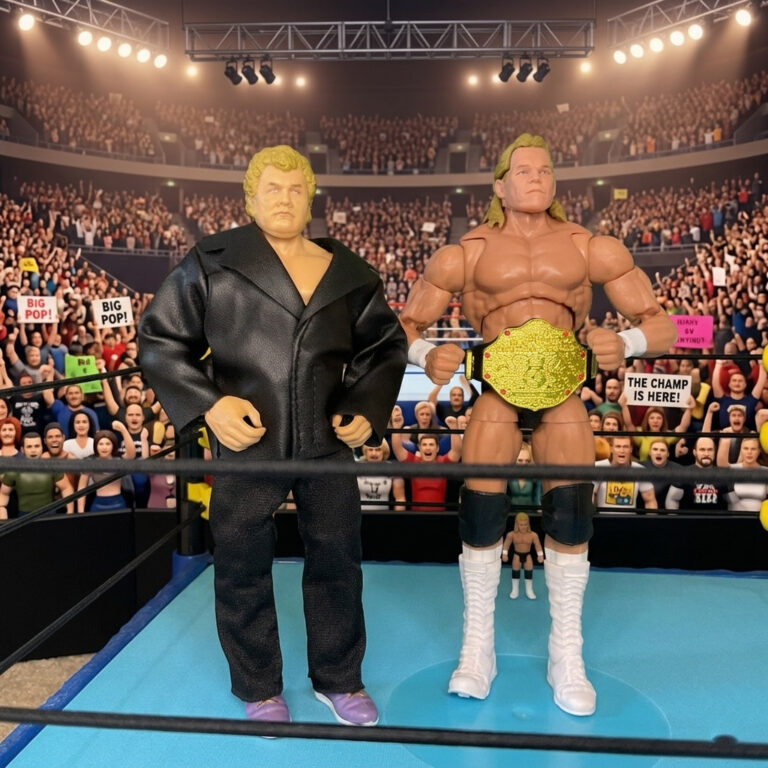
In 1986, Luger achieved a major milestone by wrestling NWA World Heavyweight Champion Ric Flair to a 60-minute time-limit draw at Battle of the Belts III. Recognizing his explosive impact, Pro Wrestling Illustrated (PWI) named Luger the 1986 Rookie of the Year.
Jim Crockett Promotions / WCW (1987–1992)
The Four Horsemen & Elite Status (1987)
In January 1987, Luger signed with Jim Crockett Promotions (JCP), which operated under the National Wrestling Alliance (NWA) banner. Dubbed “The Total Package,” he was immediately positioned at the top of the card, aligning himself with Ric Flair, Arn Anderson, Tully Blanchard, and manager James J. Dillon as an associate of the elite faction, The Four Horsemen.
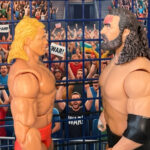
On July 11, 1987, at The Great American Bash, Luger won his first major singles title by defeating Nikita Koloff in a brutal steel cage match to capture the NWA United States Heavyweight Championship, utilizing a steel chair and his signature Torture Rack submission. He held the title until Starrcade ’87, where he dropped it to Dusty Rhodes in a cage match. In early 1988, Luger’s ego clashed with the faction; he left the Four Horsemen after refusing to eliminate himself to let manager JJ Dillon win the Bunkhouse Stampede battle royal.
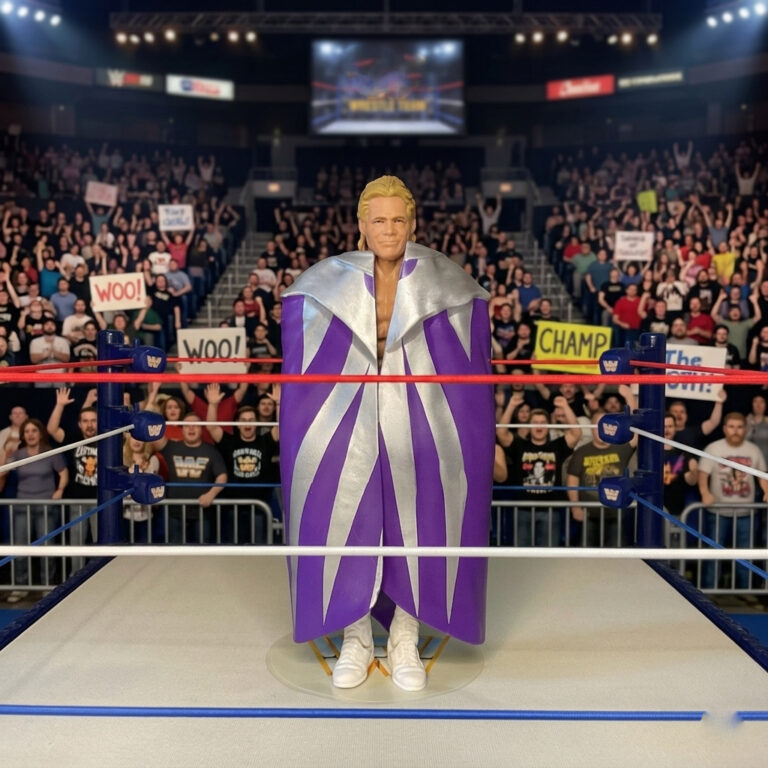
Tag Team Success & Babyface Turn (1988)
Following his departure from the Horsemen, Luger turned face (hero) and formed an alliance with his former rival, Barry Windham, called the “Twin Towers.” On March 27, 1988, they defeated Arn Anderson and Tully Blanchard to win the NWA World Tag Team Championship. The reign was short-lived; just weeks later, Windham shockingly turned on Luger during a title defense against the Horsemen, taking Luger’s place in the stable.
Luger then found a permanent ally in Sting. The duo won the prestigious 1988 Jim Crockett Sr. Memorial Cup Tag Team Tournament by defeating Blanchard and Anderson in the finals. Luger spent the remainder of 1988 main-eventing major pay-per-views, challenging Ric Flair for the NWA World Heavyweight Championship at both The Great American Bash 1988 and Starrcade ’88, coming up just short due to controversial finishes.
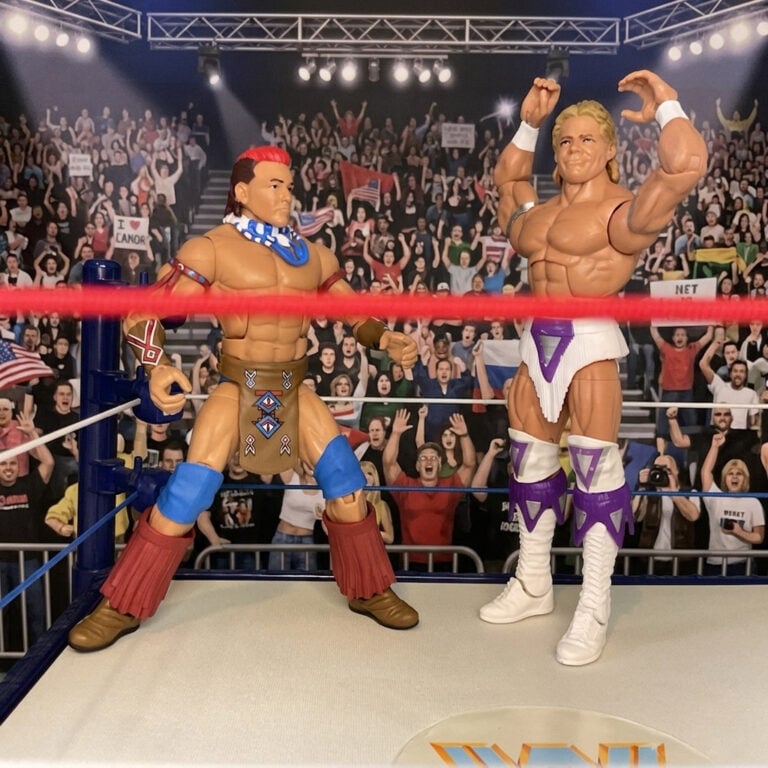
NWA/WCW United States Championship Dominance
* Record Breaking: This historic 3rd reign lasted an incredible 523 consecutive days.
United States Championship Dominance (1989–1991)
Luger pivoted back to the singles division, capturing his second United States Championship from Barry Windham at Chi-Town Rumble in February 1989. After a brief loss to Michael P.S. Hayes, Luger regained the title on May 22, 1989, initiating a historic, record-setting 523-day title reign.
During this dominant period, Luger successfully defended the gold against elite challengers including Ricky Steamboat, Brian Pillman, and Mean Mark Callous (the future Undertaker). During his fourth reign in early 1991, JCP officially transitioned into World Championship Wrestling (WCW), making Luger the final NWA United States Champion and the inaugural WCW United States Heavyweight Champion.
WCW World Heavyweight Champion (1991–1992)
In the summer of 1991, reigning WCW World Heavyweight Champion Ric Flair abruptly left the company due to creative disputes with executive Jim Herd, taking the physical Big Gold Belt with him to the WWF. The championship was declared vacant.
On July 14, 1991, at The Great American Bash, Luger faced Barry Windham in a steel cage match for the vacant title. During the match, Luger shocked fans by turning heel, following instructions from dynamic managers Harley Race and Diamond Dallas Page. Luger defeated Windham to capture his first WCW World Heavyweight Championship.
As champion, Luger was presented with a newly manufactured WCW World Title belt. He successfully defended the championship against top star Ron Simmons at Halloween Havoc 1991 in a grueling two-out-of-three-falls match. Luger’s reign lasted 230 days before he dropped the championship to his longtime friend Sting at SuperBrawl II in February 1992. Due to growing contract disagreements and burnout, Luger negotiated a contract buyout and departed WCW.
The WBF Interlude & Motorcycle Accident (1992)
Prevented by a strict non-compete clause from wrestling for Vince McMahon’s World Wrestling Federation (WWF), Luger signed with McMahon’s secondary venture, the World Bodybuilding Federation (WBF).
Luger was brought in as the celebrity anchor of the promotion, co-hosting the weekly television program WBF BodyStars. He was scheduled to perform an interview segment at WrestleMania VIII and pose as a guest exhibitor at the WBF’s 1992 championship pay-per-view.
However, prior to the event, Luger suffered a catastrophic motorcycle accident. He sustained severe injuries, including a shattered forearm that required the surgical implantation of a permanent metal plate. The WBF folded shortly thereafter due to low buy rates and mounting legal controversies, paving the way for Luger to transition back into full-time professional wrestling.
World Wrestling Federation (1993–1995)
“The Narcissist” (Early 1993)
Luger made his official WWF in-ring debut at the 1993 Royal Rumble under the persona “The Narcissist” Lex Luger. Managed by Bobby “The Brain” Heenan, the character was an insufferable, self-absorbed heel who walked out to the ring with full-length mirrors, obsessively posing and admiring his own physique.
Heenan incorporated Luger’s real-life motorcycle injury into the storyline, claiming that the surgical steel plate inside Luger’s forearm created an unfair, devastating weapon when striking opponents. The WWF eventually forced Luger to wear a padded elbow pad during matches to protect other competitors. Luger entered a prominent feud with Mr. Perfect, scoring a major victory over him at WrestleMania IX.
The All-American Hero & The Lex Express (1993–1994)
In mid-1993, the WWF faced a massive void after the departure of Hulk Hogan. Vince McMahon chose Luger to become the company’s next top fan-favorite, all-American hero. On July 4, 1993, the WWF hosted the “Stars and Stripes Challenge” aboard the deck of the USS Intrepid aircraft carrier in New York City. The challenge was simple: anyone who could body-slam the near-600-pound, unstoppable WWF World Heavyweight Champion, Yokozuna, would receive a title shot.
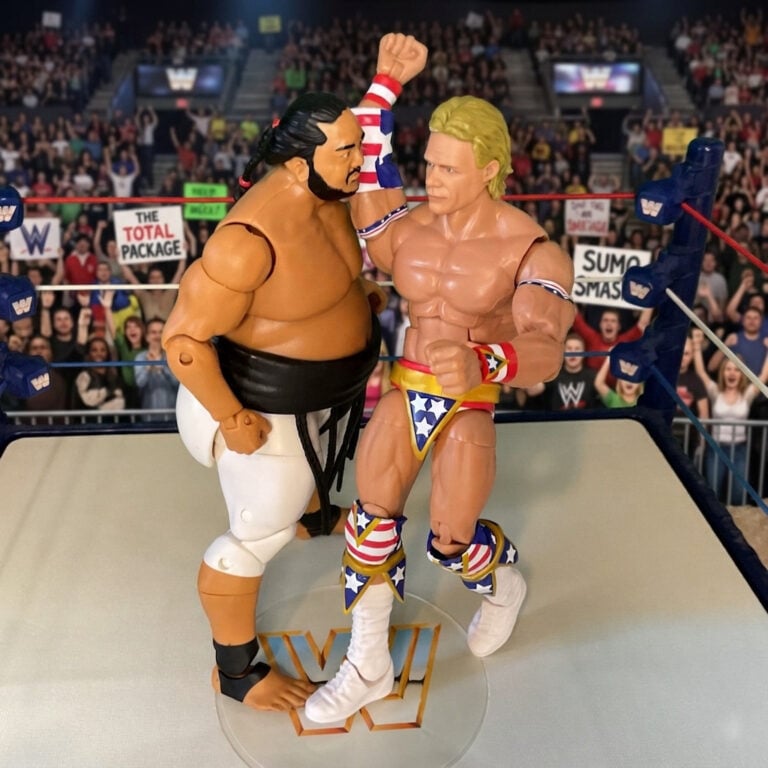
After numerous athletes and professional sports players failed, Lex Luger arrived dramatically by helicopter, wearing red, white, and blue. He stepped into the ring and successfully executed a thunderous running body-slam on the massive champion.
Behind the Scenes: Lex Luger has since revealed that the spot was completely un-practiced. To ensure maximum impact and safety, Yokozuna utilized his immense core strength to help lift and push himself around Luger’s frame, essentially assisting in his own historic slam.
Luger was instantly rebranded as a patriotic superhero. He spent the summer traversing the United States aboard a custom-painted tour bus named the “Lex Express,” greeting thousands of fans, signing autographs, and building massive public support for his upcoming championship match.
Luger main-evented SummerSlam 1993 against Yokozuna. However, due to restrictive creative booking, Luger won the match strictly by count-out after knocking Yokozuna out of the ring with his steel-plated forearm. Because of the count-out stipulation, the WWF Championship could not change hands. Despite the anti-climactic finish, the fans celebrated with Luger, and PWI readers voted him the 1993 Most Popular Wrestler of the Year.
At the 1994 Royal Rumble, Luger and Bret “The Hitman” Hart made history when they simultaneously eliminated each other over the top rope. After an intense ringside debate between referees, WWF President Jack Tunney declared both men co-winners. A coin toss on Monday Night Raw determined that Luger would get the first shot at Yokozuna at WrestleMania X.
At WrestleMania X, Luger failed to capture the title after being disqualified by special guest referee Mr. Perfect for pushing him, completely ending his primary main-event push. Luger spent the remainder of his WWF tenure in a mid-card tag team with Davey Boy Smith known as The Allied Powers. Despite his massive 1993 push, Luger departed the WWF in August 1995 without ever winning a championship.
Return to WCW and The Monday Night Wars (1995–2001)
The Shocking Nitro Debut (1995)
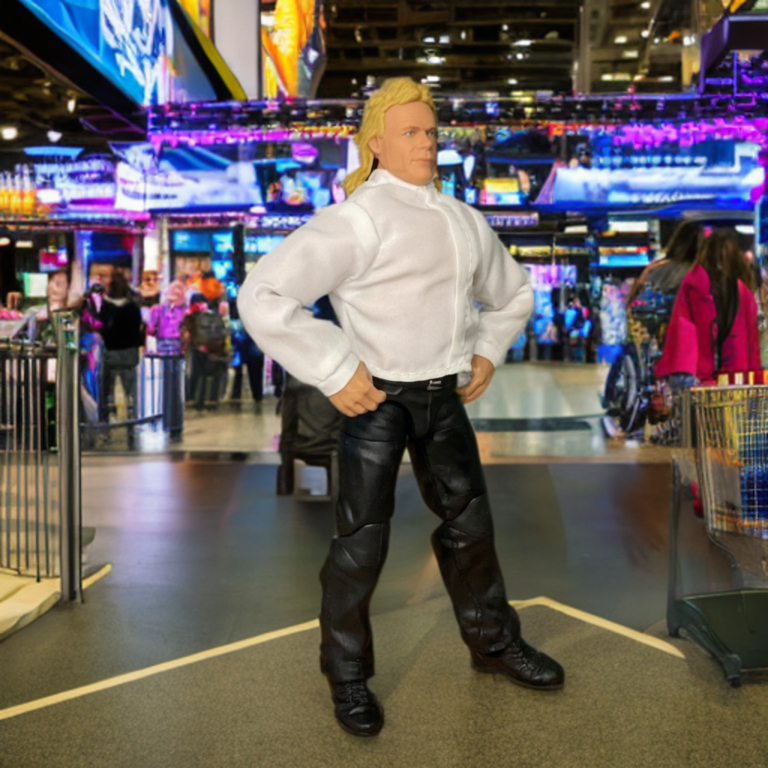
On September 4, 1995, WCW debuted its brand-new live weekly television show, WCW Monday Nitro. In one of the most shocking moments in professional wrestling history, Lex Luger appeared on the broadcast completely unannounced—just one night after wrestling on a WWF house show event. He had secretly negotiated a return to WCW with Eric Bischoff, aided by his close friend Sting. Luger walked out during the main event between Hulk Hogan and Big Bubba Rogers, confronting Hogan and instantly signaling the beginning of the historic Monday Night Wars.
Defeating Hollywood Hogan (1997)
Luger became a central protagonist in WCW’s war against the invading New World Order (nWo) stable. He spent 1996 and 1997 as the vanguard for Team WCW.
On August 4, 1997, on a live episode of Monday Nitro in Detroit, Michigan, Luger challenged the villainous “Hollywood” Hulk Hogan for the WCW World Heavyweight Championship. In front of a raucous, sold-out crowd, Luger forced Hogan to submit to the Torture Rack, capturing his second WCW World Heavyweight Championship. The iconic moment sent the arena into a frenzy, with the entire WCW roster storming the ring to celebrate. Though he lost the title back to Hogan six days later at the Road Wild pay-per-view, the victory is remembered as one of the peak ratings triumphs for WCW over the WWF.
Lex Luger: WCW Triple Crown Championship Milestones
* Historical Milestone: Lex Luger became only the second Triple Crown Champion in WCW history.
The nWo Wolfpac & Final WCW Years (1998–2001)
In 1998, when the nWo fractured into two competing stables, Luger joined the massively popular, face-aligned nWo Wolfpac (the “Red and Black”), alongside Sting, Kevin Nash, Konnan, and Randy Savage. He remained a premier star, winning the WCW World Tag Team Championship for a second time (with The Giant) and capturing the WCW World Television Championship twice.
By the late 1990s, years of heavy physical impact resulted in severe tears to his biceps and progressive back issues, significantly slowing down his in-ring performance. He adjusted his character into a comical, narcissistic heel alignment alongside Buff Bagwell, forming a tag team known as Totally Buffed. Luger remained under a lucrative contract with WCW’s parent company, Time Warner, until the promotion was purchased by Vince McMahon’s WWF in March 2001.
Later Career (2003–2006)
Following the closure of WCW, Luger took an extended hiatus from the wrestling industry. He made a high-profile debut for Total Nonstop Action Wrestling (TNA) in late 2003, aligning himself with Jeff Jarrett. He made sporadic appearances for the company through 2004 and returned briefly in 2006 to help publicize and prepare Sting for his championship match against Jarrett at Bound for Glory. Luger spent his remaining active years performing across the independent circuit, officially retiring from full-time in-ring competition in 2006.
Personal Life, Legal Controversies, and Health Struggles
Relationship with Miss Elizabeth & Legal Turmoil
Luger was married to Peggy Fulbright from 1979 until their divorce in 2003; the marriage produced two children, Brian and Lauren.
In the late 1990s, Luger began a long-term romantic relationship with legendary wrestling manager Elizabeth Hulette, known globally as Miss Elizabeth. The relationship was turbulent and marked by substance abuse. On April 19, 2003, Luger was arrested in Cobb County, Georgia, and charged with misdemeanor battery following a domestic dispute that left Hulette with a bruised eye and lip.
On May 1, 2003, just two weeks after the domestic incident, Elizabeth Hulette tragically died in the townhouse she shared with Luger in Marietta, Georgia. She was 42 years old. The medical examiner ruled her death accidental, caused by acute toxicity from a lethal combination of prescription painkillers (hydrocodone), anti-anxiety medication (alprazolam), and high levels of alcohol.
Following a police search of the residence during the investigation, Luger was arrested and charged with 14 felony counts of drug possession after authorities found significant quantities of anabolic steroids, OxyContin, hydrocodone, Xanax, and testosterone. Luger pled guilty to the charges, receiving a sentence of nine years of probation, a fine, and mandatory random drug testing. Luger has since spoken extensively on the tragedy, taking full accountability for his self-destructive lifestyle and its negative impact on those around him.
Spinal Stroke and Quadriplegia
On October 19, 2007, Luger suffered a catastrophic health crisis while on a flight from Atlanta to San Francisco. He experienced a severe spinal cord infarction (commonly known as a spinal stroke), brought on by advanced cervical disc arthritis and localized swelling. The stroke resulted in instant, total quadriplegia.
Luger underwent intensive, agonizing medical rehabilitation. Working closely with medical experts and incorporating specialized physical rehabilitation routines—including DDP Yoga developed by his close friend and fellow wrestler Diamond Dallas Page—Luger achieved a remarkable partial physical recovery.
By the mid-2010s, while still relying on a wheelchair for long-distance travel and safety, Luger successfully regained significant upper and lower body mobility. He is fully capable of standing, walking short distances unassisted, and driving a modified vehicle. Luger credits his survival, sobriety, and physical turnaround to a profound spiritual reawakening and a deep commitment to his Christian faith.
Legacy, Corporate Wellness, and Accolades
In 2011, Lex Luger returned to the WWE fold in a vital corporate capacity. He was hired as a wellness consultant and ambassador, working behind the scenes to counsel young superstars on the dangers of substance abuse, proper nutrition, and compliance with the WWE Talent Wellness Program. His personal redemption story and extensive real-world experience made him a highly respected mentor backstage.
Lex Luger bridged the gap between the classic territorial system and the explosive cable television boom of the 1990s. While internet wrestling critics occasionally targeted his limited technical wrestling repertoire, Luger possessed an untouchable, larger-than-life physical presence, world-class charisma, and an unmatched ability to draw massive crowd reactions. His legacy is defined by iconic pop-culture moments: the historic body-slam on the USS Intrepid, his dominant 523-day United States title run, his earth-shaking Monday Nitro victory over Hollywood Hogan, and his courageous real-life battle for physical rehabilitation and redemption.
 English
  Deutsch
  Français
  Português do Brasil
  日本語
日本語  Español
  English (Australia)