

God Mars Soul of Chogokin 50th Review and History
In the vast universe of mecha anime, few titans stand as tall as God Mars, a colossal robot born from the fusion of six divine machines. This behemoth not only dominated screens in the early 1980s but also captured the imaginations of collectors through Bandai’s Soul of Chogokin line. Now, with the Chogokin 50th Anniversary Version, it’s like the gods themselves decided to throw a party, complete with shiny plating and enough die-cast heft to make your shelf groan under the weight. But before we dive into the metal and mechanics, let’s journey back to where it all began – a story of interstellar conflict, family drama, and robots that combine like a puzzle from the heavens.
Picture this: It’s 1981, and Japan is in the throes of a super robot boom. Shows like Mazinger Z and Getter Robo had already set the stage for epic mechanical mash-ups, but God Mars cranked it up to divine levels. Based loosely on a manga by a master storyteller, the series blended high-stakes space opera with personal turmoil, making it a standout in the genre. Fast forward to today, and the anniversary figure isn’t just a toy; it’s a tribute to half a century of Chogokin excellence, where zinc alloy meets nostalgia in a glorious clash.
God Mars: Soul of Chogokin GX-40R 50th Edition
Detailed Archive & Technical Specifications
This article explores the rich history of the God Mars character and series, then shifts gears to review the latest Soul of Chogokin release. We’ll break down the anime’s origins, key players, and battles that shook the cosmos, before scrutinizing the figure’s build, features, and why it might just be the crown jewel in any collector’s arsenal. Whether you’re a longtime fan reminiscing about Saturday morning marathons or a newcomer curious about why six robots are better than one, strap in – we’re about to combine forces for an unforgettable ride.
The Origins of God Mars: From Manga to Mecha Masterpiece
The roots of God Mars trace back to 1976, when manga artist Mitsuteru Yokoyama unleashed “Mars” upon the pages of Weekly Shōnen Champion. Yokoyama, the mind behind classics like Giant Robo and Tetsujin 28-go, crafted a tale steeped in mythological flair, naming his protagonist after the Roman god of war. The manga followed a dark, intense narrative about an alien boy sent to Earth with a destructive purpose, accompanied by a powerful robot. It was gritty, exploring themes of identity and destiny amid cosmic threats.
By 1981, Tokyo Movie Shinsha (TMS) transformed this into the anime “Six God Combination God Mars,” airing from October 2, 1981, to December 24, 1982, across 64 episodes. The adaptation lightened some of the manga’s bleak tones, emphasizing heroic defiance and spectacular robot fusions. Set in the “futuristic” year of 1999, the story unfolds as humanity ventures beyond the Solar System, clashing with the aggressive planet Gishin under Emperor Zuul’s iron fist. Zuul, a classic galactic conqueror, eyes Earth for annihilation, dispatching a baby named Mars along with the robot Gaia – a walking planet-buster bomb.
What follows is a saga of betrayal, brotherhood, and battles that span planets. The series wasn’t just about explosions; it delved into emotional depths, particularly through sibling rivalry and the pull of heritage versus nurture. Broadcast in Japan, Hong Kong, and Italy, it became a global hit, spawning merchandise waves that kept the flame alive. A movie compilation in 1982 and an OVA in 1988 further cemented its legacy, recapping key arcs and adding fresh animation polish.
Yokoyama’s influence shines through in the designs – sleek, angular robots with a sense of ancient power. TMS elevated this with vibrant colors and fluid animation, making each combination sequence a visual feast. The show’s popularity stemmed from its balance: heart-pounding action for kids, layered drama for adults. It aired during a golden era of mecha, rubbing shoulders with Voltes V and Daitarn 3, yet stood out with its six-part fusion gimmick. No longer was one robot enough; God Mars demanded divine synergy, setting a benchmark for combining mecha that echoes in modern series like Power Rangers or even Transformers.
Production-wise, Tetsuo Imazawa directed, with Keisuke Fujikawa handling series composition. Character designs by Hideyuki Motohashi brought a heroic flair, while Kei Wakagusa’s score amplified the epic scale. The opening theme, “Uchū no Ōja God Mars,” became an anthem, its triumphant horns signaling robot assembly time. Over 64 episodes, the narrative evolved from planetary defense to personal vendettas, culminating in a finale that tied loose ends with explosive satisfaction.
In retrospect, God Mars represents a pivot in anime history – from standalone super robots to intricate combiners. Its international appeal, especially in Italy where it aired as “God Mars,” introduced Western audiences to Japanese mecha madness. Today, it inspires retrospectives and fan discussions, proving that a story about a boy and his bomb-bot can endure for decades.
Takeru Myojin: The Reluctant Hero from the Stars
At the core of God Mars beats the heart of Takeru Myojin, a character whose journey from destined destroyer to Earth’s champion is as compelling as any space opera. Born as Mars on the warlike planet Gishin, he was engineered as a living weapon. Emperor Zuul, in his quest for galactic dominance, embedded a bomb in the robot Gaia and sent both to Earth. The plan? Raise Mars among humans, then have him activate the doomsday device upon maturity. But fate, or perhaps a touch of human kindness, had other ideas.
Adopted by a Japanese family after crash-landing on a mysterious island, Mars became Takeru Myojin – a name symbolizing strength and enlightenment. Growing up in a loving home, he developed a profound affection for humanity, rejecting his origins when Zuul’s orders came. At 17, Takeru joins the elite Crusher Squad, Earth’s space defense force, piloting Gaia with his innate psychic powers. These ESP abilities allow mind-controlled maneuvers, turning battles into extensions of his will.
Takeru’s complexity lies in his dual heritage. As Mars, he’s haunted by his alien roots and the ever-present threat: If he dies, Gaia’s bomb detonates, obliterating Earth. This Sword of Damocles adds tension to every skirmish. His relationship with brother Prince Marg – Zuul’s loyal son – forms the emotional crux. Marg, torn between duty and familial bonds, clashes with Takeru in epic confrontations, blending fraternal love with lethal intent. It’s Cain and Abel in space suits, with robots as referees.
Psychic prowess aside, Takeru excels as a fighter pilot in the Cosmo Crusher, showcasing tactical brilliance. His growth arc sees him summoning the five hidden robots – Sphinx, Uranus, Titan, Shin, and Ra – created by his biological father to protect him. These fusions form God Mars, amplifying his power to godlike levels. Yet, Takeru remains humble, driven by love for his adoptive world rather than vengeance.
In the manga origins, the character was more brooding, with red hair symbolizing fiery destiny. The anime softened this, giving him dark hair and a heroic demeanor, making him relatable. Voiced by Yū Mizushima, Takeru’s cries of “Gattai!” (combine) became iconic, echoing through episodes as he defies Zuul’s empire.
Takeru’s story resonates because it’s universal: A young man caught between worlds, choosing heart over heritage. His biography isn’t just backstory; it’s the fuel for the series’ drama, reminding us that even gods have family issues.
The Six Divine Robots: Machines of Mythic Might
No discussion of God Mars is complete without bowing to the six robots that form its namesake. Each is a standalone powerhouse, but together, they embody unstoppable synergy. Leading the pack is Gaia, the core unit and Takeru’s primary ride. Standing about 10cm in toy scale but colossal in lore, Gaia boasts a robust frame with psychic linkage, allowing seamless control. Its built-in bomb adds a layer of dread, but in battle, it’s all about raw power – punches that shatter asteroids and beams that vaporize foes.
Then there’s Sphinx, the enigmatic one transforming into God Mars’ torso. With a plated finish in the anniversary edition, it evokes ancient guardians, armed with energy blasts and a design that screams mystery. Uranus, forming the right arm, brings speed and agility, its sleek lines cutting through space like a comet. Titan, the left arm, is the brute – heavy armor and crushing strength for those close-quarters brawls.
| Robot | Pilot | Component Part | Height (Approx) | Signature Weapon/Feature |
| Gaia | Takeru Myojin | The Core (Inner Body) | 15m | Cannon Shot / Hidden inside Sphinx |
| Sphinx | Takeru (via Gaia) | Head & Torso | 25m | Cross Cutter / Main power source |
| Uranus | Hida | Right Arm | 25m | Uranus Freezer |
| Titan | Kenji | Left Arm | 25m | Titan Cyclone |
| Shin | Akane | Right Leg | 25m | Shin Flare |
| Ra | Hyuga | Left Leg | 25m | Ra Breaker |
Shin and Ra handle the legs: Shin (right leg) offers stability and laser precision, while Ra (left leg) provides thrust for aerial dominance. Each robot was secretly built by Takeru’s father, hidden on Earth to awaken in times of peril. Their individual modes allow for diverse tactics – scouting, assault, defense – before the grand union.
The combination process is poetry in motion: Gaia calls the others, they align, and with a flash, God Mars emerges, towering at 32cm in figure form. Attacks like the God Mars Finger (missile barrage) and Mars Flash (energy sword) decimate enemies. In the series, these machines aren’t mere tools; they’re extensions of Takeru’s will, each with a personality hinted through actions – Sphinx’s cunning, Titan’s ferocity.
Inspired by mythological gods, their designs mix futuristic tech with divine motifs, like Sphinx’s Egyptian flair. In the anime, they debut dramatically, saving Takeru from certain doom and turning the tide against Gishin forces.
Epic Battles and Brotherly Bonds: The Anime Legacy
The anime’s 64 episodes are a rollercoaster of interstellar showdowns and heartfelt moments. Early arcs focus on Takeru’s awakening, battling Gishin invaders while grappling with his identity. Mid-series ramps up with Marg’s involvement – Zuul’s prince, voiced with brooding intensity, pilots rival mechs in sibling slugfests that test loyalties.
Key battles include the Pluto skirmish, where hellish environments challenge God Mars’ endurance, or the multi-episode arc against Zuul’s elite warriors. Each fight showcases combination creativity: Robots merge mid-combat, adapting to threats like energy-draining fields or swarm attacks.
The brotherly bond elevates the narrative. Marg, initially antagonistic, reveals layers – envy, duty, eventual redemption. Their clashes culminate in a galaxy-shaking finale, where family ties prove stronger than empires.
Legacy-wise, the series influenced combining robot tropes, seen in later works. Its music, animation, and themes endure, with the 1982 movie recapping the first half and the 1988 OVA exploring post-series events.
With that epic legacy in mind, let’s see how the modern Soul of Chogokin captures—and elevates—it.
Design Mastery: Plating and Precision
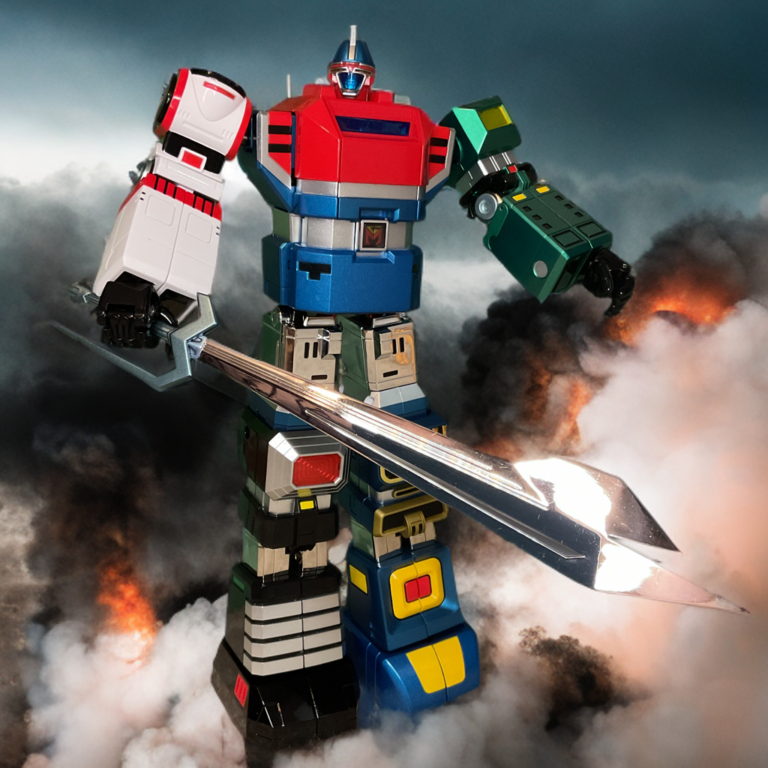
The true showstopper of this 50th Anniversary edition is the luxurious electroplating that elevates every one of the six robots far beyond the standard release. This isn’t mere paint—it’s a high-end metallic finish applied with precision, creating a reflective, jewel-like sheen that catches light from every angle and transforms the display into something almost ceremonial.
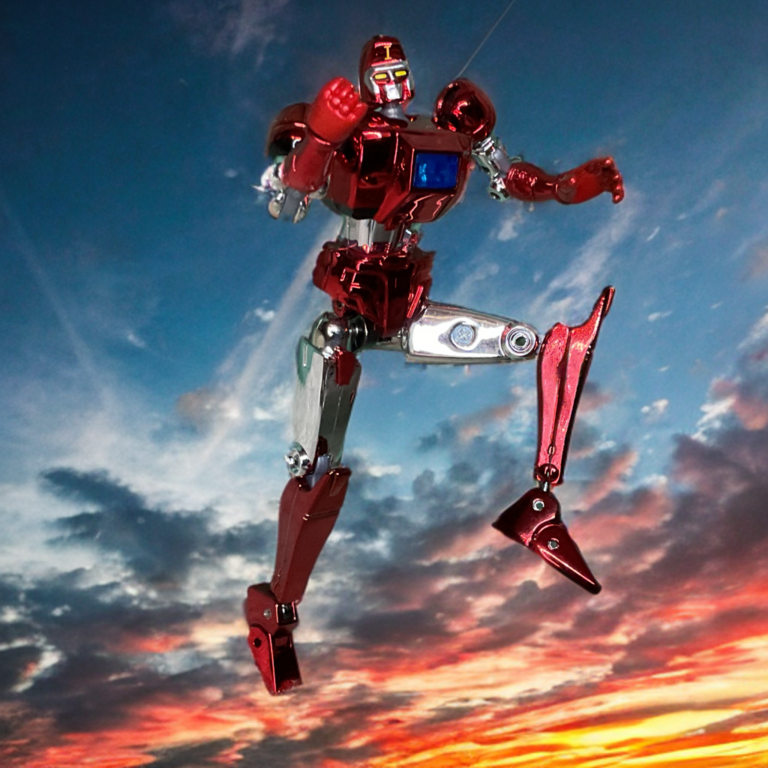
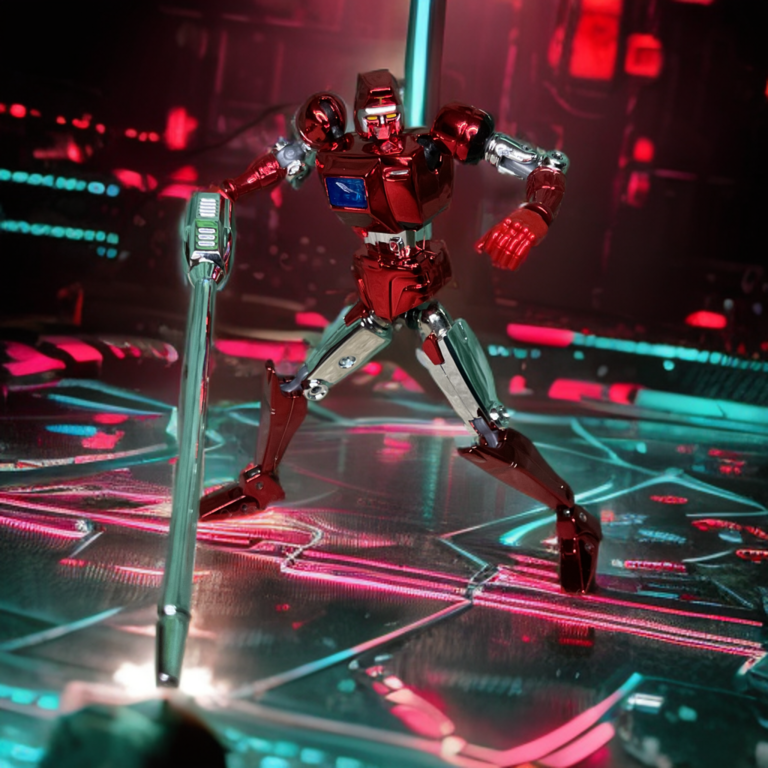
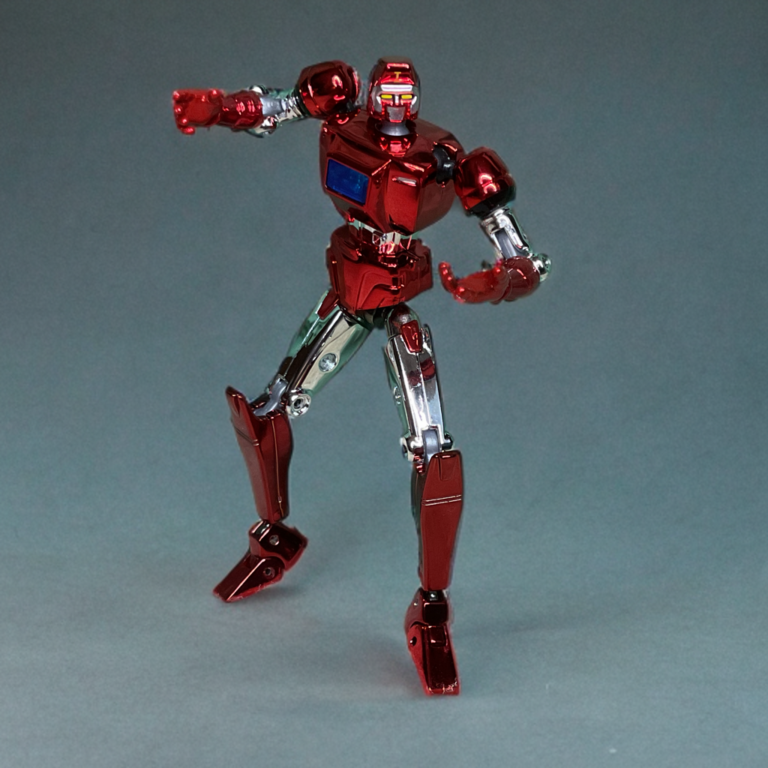
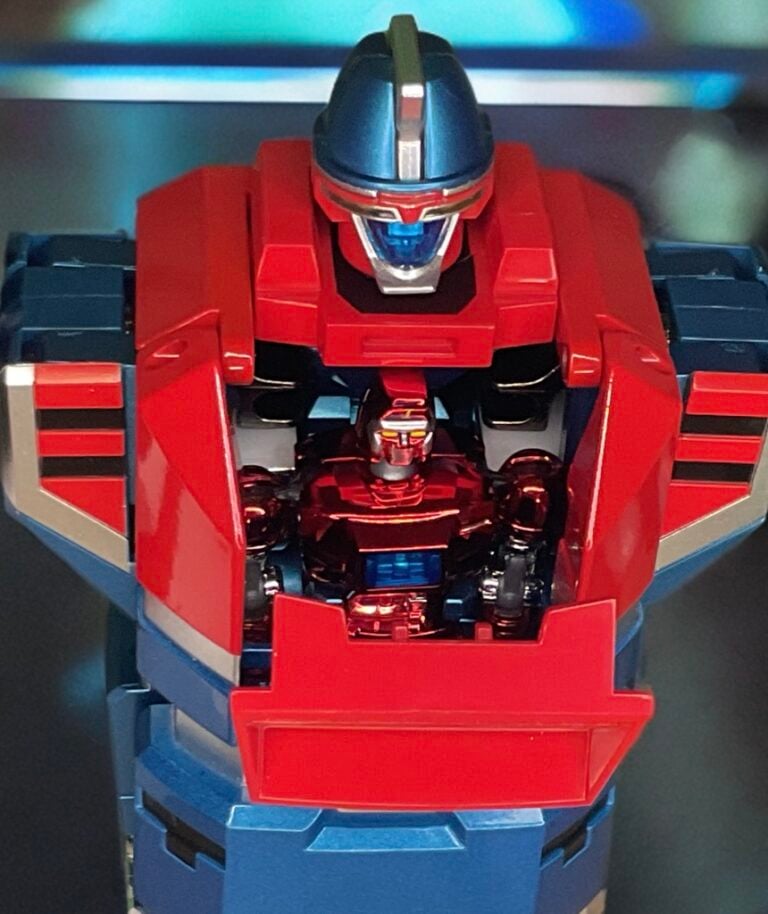
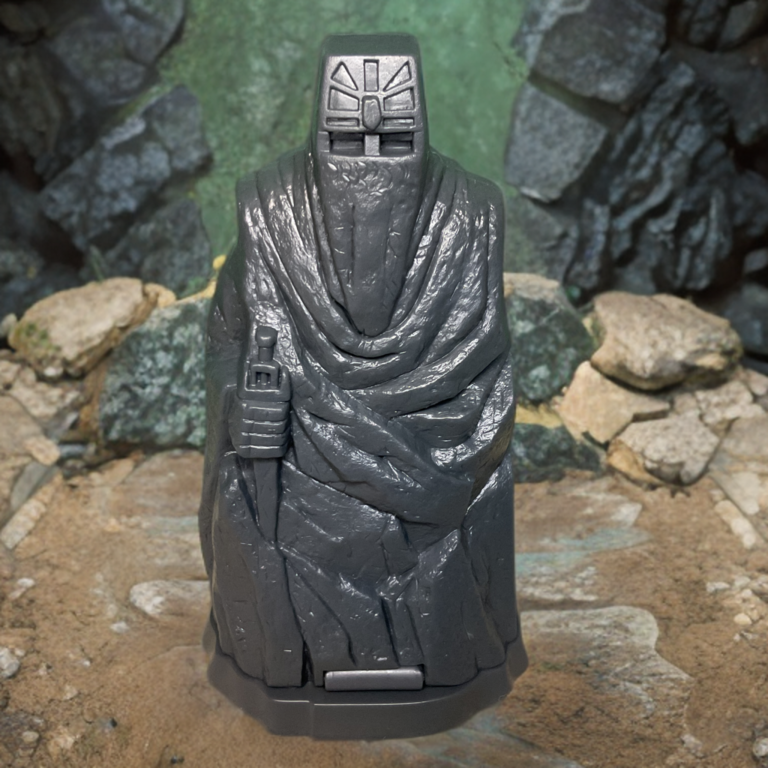
At the center stands God Gaia (often referred to as God Guyer in some listings), the core machine piloted by Takeru Myojin. Standing about 100 mm (roughly 4 inches) tall on its own, Gaia receives the most dramatic treatment: nearly its entire body is finished in vibrant red-and-silver color plating. The red sections gleam with a deep, mirror-like polish, while the silver accents add crisp contrast and a sense of high-tech divinity. This full-body treatment makes Gaia look like a sacred artifact, especially when displayed solo on the included Myojin Reef rock formation that houses it in the anime lore. The plating isn’t just cosmetic—it highlights the sculpted details, from the angular chest armor to the subtle panel lines, giving the robot an otherworldly glow under room lighting or spotlights.
The supporting five robots each receive targeted plating upgrades that accentuate their roles in the combination:
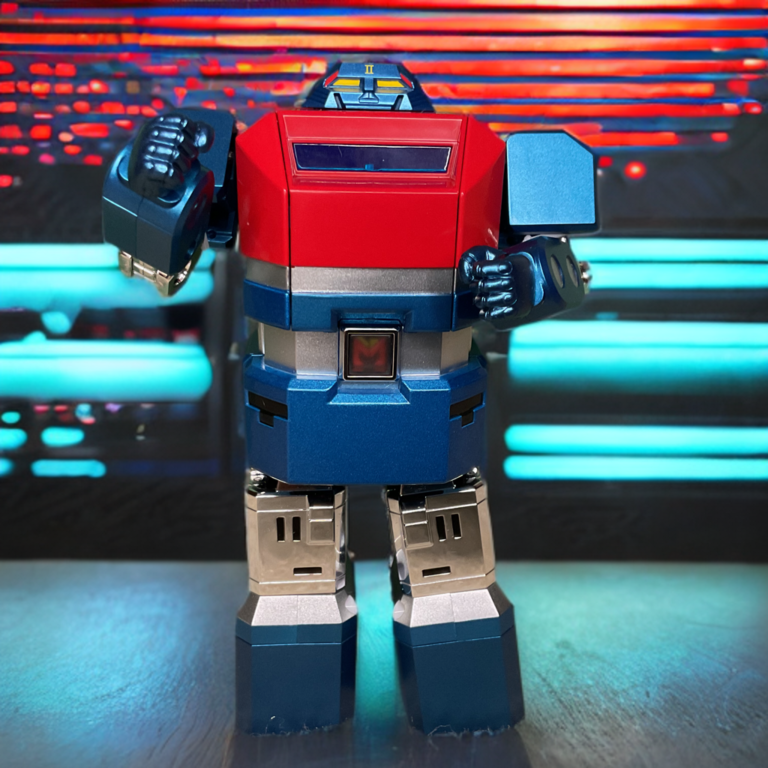
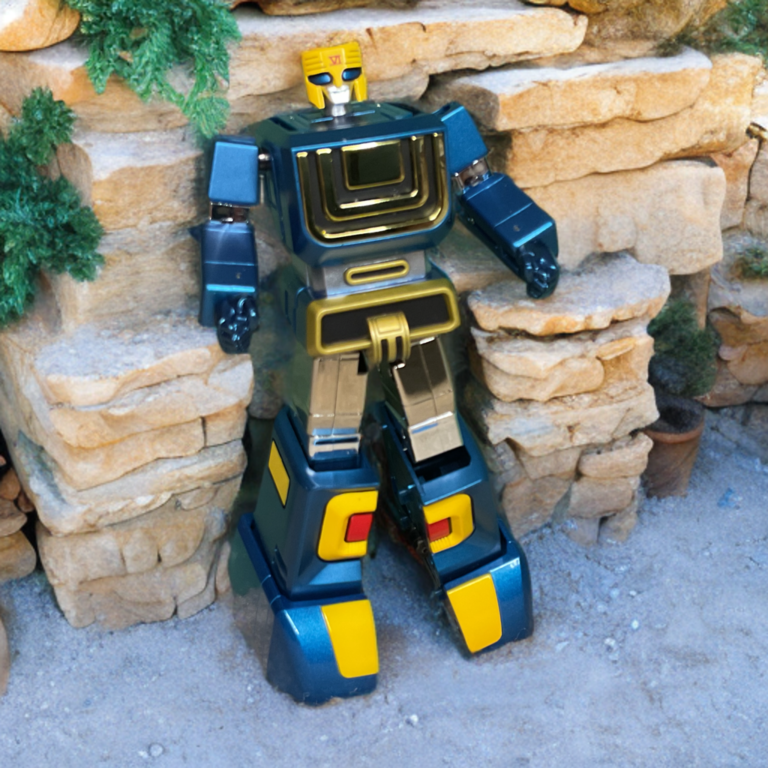
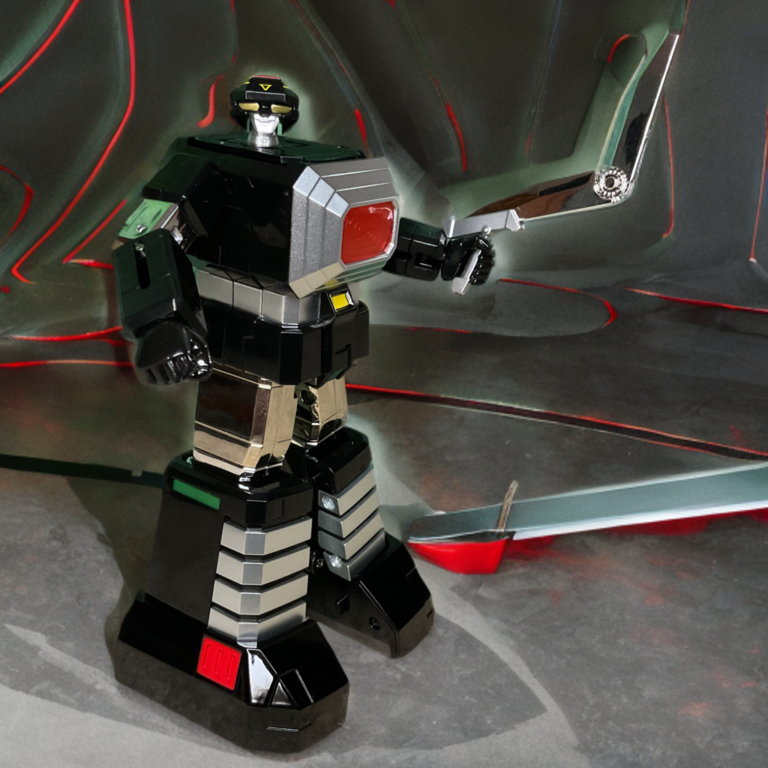
- Majin Sphinx, forming the torso and standing around 170 mm tall, features plated upper arms and both thighs. These metallic highlights draw the eye to the broad, imposing chest plate when combined, emphasizing Sphinx’s role as the structural heart of God Mars.
- Majin Uranus (right arm component, approximately 120 mm tall) mirrors this with plated upper arms and thighs, adding a sleek, streamlined shine that complements its agile design.
- Majin Titan (left arm, similar scale) gets the same upper arm and thigh plating, enhancing the brute-force aesthetic with metallic pops that make its heavy armor feel even more formidable.
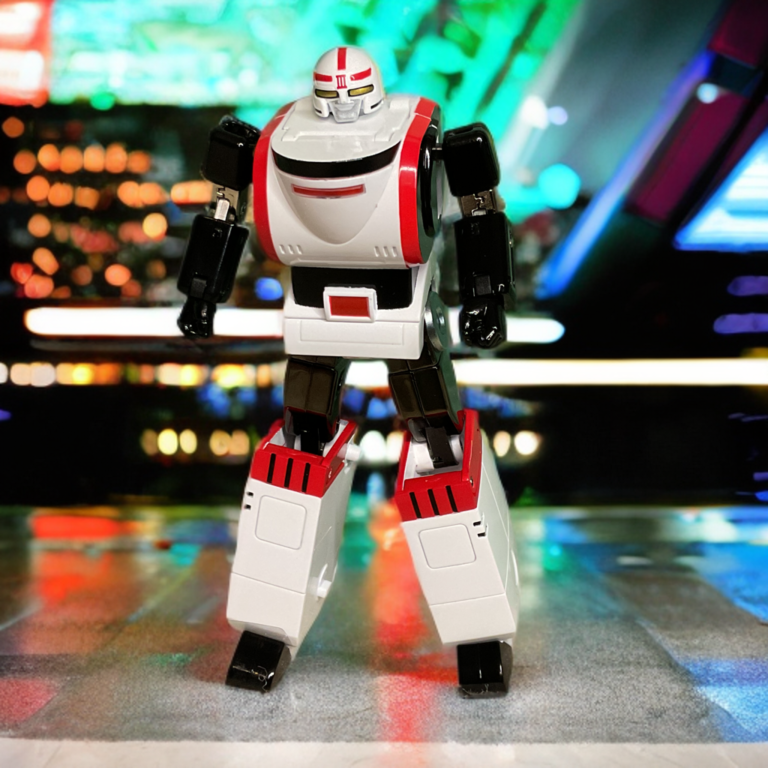
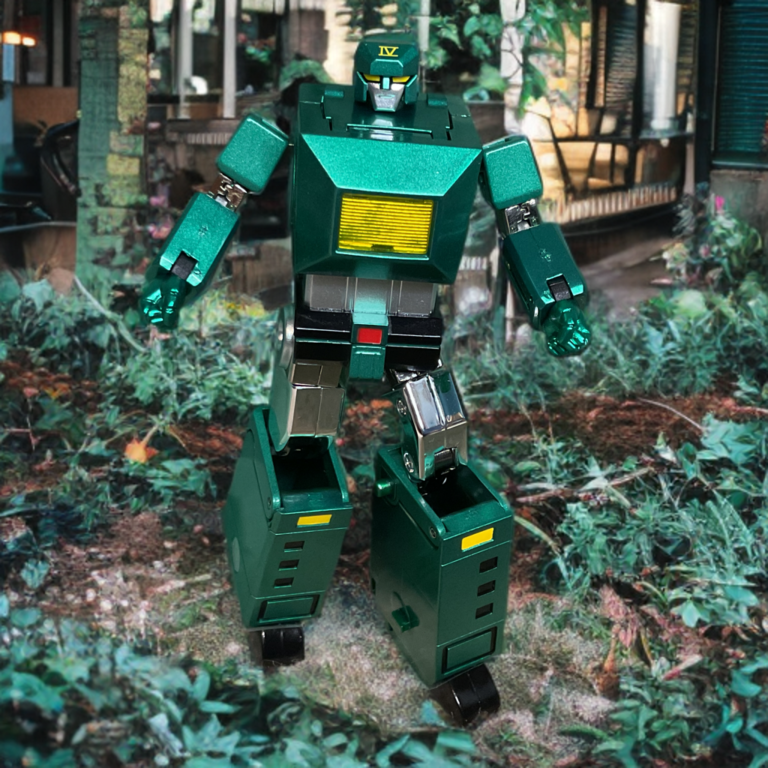
- Majin Shin and Majin Ra (right and left legs, respectively, each around 160 mm in individual mode) boast plated thighs that become prominent in the combined form. Under direct light, these areas “pop” dramatically, creating layered depth as the plating reflects alongside the standard metallic paints elsewhere on the figure.
When fully combined into God Mars, the figure towers at approximately 280 mm (about 11 inches) tall. The layered effect is magnificent: electroplated sections intermingle with precisely painted metallic areas, producing a radiant, multi-tonal luster that shifts with perspective. The iconic helmet receives a subtle but noticeable upgrade—the central horn features enhanced detailing and finish for extra dramatic flair, making the overall silhouette feel more regal and imposing than ever.
Materials play a crucial supporting role in this precision engineering. Bandai blends die-cast zinc alloy for weight, rigidity, and that signature Chogokin heft (especially in the torso, limbs, and core areas) with ABS plastic for flexible joints, intricate transformation parts, and impact-resistant sections. This hybrid construction ensures the figure feels substantial in hand—dense and premium—while allowing smooth, reliable movement without fear of breakage over time. The plating adheres flawlessly to both materials, resisting chipping or wear even during repeated posing and combining. Every panel line, rivet, and mechanical detail is crisp, a testament to Tamashii Nations’ meticulous molding and finishing process.
Combination Magic: Seamless Fusion
Transforming and combining this set is where the engineering truly shines, delivering an experience that feels both nostalgic and modern. The process closely mirrors the anime’s iconic sequences: start with Gaia as the core, then call in the five supporting robots one by one. Each locks into place using a combination of strong internal magnets and sturdy mechanical tabs/pegs, creating connections that snap together satisfyingly without any wobble or forced alignment.
There’s no fumbling or frustration here—the magnets guide parts into position, while the tabs provide rock-solid security. Sphinx envelops Gaia completely for the torso base, Uranus and Titan form the arms with satisfying clicks, and Shin and Ra lock as legs with thigh swivel mechanisms that maintain stability.
The entire assembly holds firm even in dynamic poses, supporting dramatic sword swings, flight stances, or the classic arms-crossed heroic posture. No parts flop or require constant readjustment; once combined, God Mars stands tall and confident on its display base.
This seamlessness comes from decades of refinement in the Soul of Chogokin line, adapted perfectly to God Mars’ six-part design. The result is a fusion that feels magical—almost alive—as if the robots are willingly uniting under Takeru’s command.
Pose and Play: Articulation Excellence
In combined form, God Mars boasts over 20 points of articulation, allowing for expressive, anime-accurate posing. Ball-jointed shoulders, swivel/hinge elbows, wrist rotations, hip ball joints, knee bends, and ankle tilts give the figure excellent range for action shots—whether recreating the Mars Flash sword thrust or a mid-battle stance against Gishin forces. The die-cast elements add just enough weight to make poses feel grounded and powerful, while ABS joints ensure smooth, clicky movement without looseness.

Individually, each of the six robots offers its own articulation suite tailored to its design: Gaia has pilot-cockpit access and limb posing, Sphinx features torso twists and arm mounts for its Cross Swords, Uranus and Titan emphasize shoulder and elbow mobility for arm strikes, and Shin/Ra provide leg bends and thigh swivels for grounded stances. This versatility lets collectors display the full “Six God” lineup in formation or mix modes for creative shelf setups.
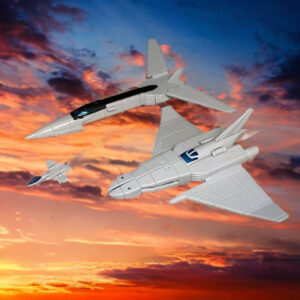
The included Cosmo Crusher space fighter adds another layer of play value. It separates into three units that recombine, and features interior space to seat smaller figures or store Gaia, nodding to the Crusher Squad’s role in the series.
Collector’s Dream: Value and Appeal
As a premium, limited commemorative release, the GX-40SP commands a higher price point reflective of its exclusivity, lavish plating, and anniversary status.
Yet for fans of classic mecha or Chogokin enthusiasts, it delivers exceptional value: the combination of superior materials, faithful scaling, and eye-catching aesthetics make it a centerpiece that stands out in any collection.
This edition pays direct homage to the 50-year legacy of Chogokin—starting from the original alloy toys of the 1970s—while pushing modern production standards. Veterans who grew up with the 1981 anime will appreciate the nostalgic upgrades, while newer collectors discover why God Mars remains a benchmark for combining super robots. It’s not just a figure; it’s a celebration of engineering, history, and the enduring appeal of divine mechanical fusion.
Comparison to Standard God Mars
The Soul of Chogokin GX-40SP God Mars Chogokin 50th Anniversary Version builds directly on the foundation of the standard GX-40 God Mars release (often referred to in collector circles as the base or regular edition from around 2023-2024, with some references to a GX-40R variant sharing the same core tooling). Both figures share identical engineering, scale, transformation sequences, articulation, included accessories, and overall build quality—meaning the core experience of combining the six robots into the towering God Mars remains unchanged. The 50th Anniversary edition is essentially a premium, commemorative upgrade focused on aesthetics, celebrating 50 years of the Chogokin brand with luxurious enhancements rather than mechanical revisions.
| Feature | Original GX-40 (2008) | 50th Anniversary GX-40R |
| Color Palette | Brighter, toy-centric colors. | Anime-accurate deeper blues and “High-Metallic” silver. |
| Head Sculpt | Standard 80s design. | New Sculpted Head for God Mars (more aggressive/sleek). |
| Gaia Detail | Basic paint apps. | Enhanced Metallic Finish on the core Gaia robot. |
| Joints | Standard friction joints. | Reinforced Ratchets for better stability when combined. |
| Accessories | Standard weapon set. | Includes Special 50th Stand and polished “Mars Flash” sword. |
Core Similarities: Shared DNA Across Both Versions
Both the standard GX-40 and the GX-40SP deliver the same exceptional Soul of Chogokin experience:
- Scale and Presence — God Mars stands approximately 280 mm (about 11 inches) tall when fully combined, with the six individual robots (God Gaia/God Guyer as the core, plus Majin Sphinx, Uranus, Titan, Shin, and Ra) scaling proportionally (Gaia ~100 mm, Sphinx ~170 mm, Uranus/Titan ~120 mm, Shin/Ra ~160 mm).
- Transformation and Combination — The process is identical: intuitive, magnet-and-tab assisted assembly that mirrors the anime faithfully. Gaia forms the central frame, Sphinx envelops it for the torso, Uranus and Titan become the arms, and Shin/Ra the legs. Stability is rock-solid in both, supporting dynamic poses without drooping.
- Articulation — Over 20 points in combined form, plus individual robot posing, for dramatic recreations of battles against Gishin forces.
- Accessories — Full suite including the Mars Flash sword (and variants like the Great Sword in two types), Cross Swords for Sphinx, Cannon Saber for Gaia, interchangeable hands (8 types per side), Cosmo Crusher vehicle (with seating/storage for figures), Myojin Reef display base for Gaia, and additional Rokushin Robo weapons (7 types total, 8 pieces).
- Materials and Durability — Hybrid construction of die-cast zinc alloy for weight and strength (especially in core structural areas) blended with ABS plastic for flexible joints and transformation parts. Both feel premium and hefty in hand, with no reported differences in joint tightness or longevity.
- Play and Display Value — Excellent for both static shelf display and light posing/play, with the Cosmo Crusher adding squad-themed fun.
In short, if you own or have handled the standard GX-40, the handling, posing, and transformation feel exactly the same—no learning curve or compromises.

Key Differences: The Luxury Upgrade in the 50th Anniversary Edition
The primary distinction lies in the visual presentation. Tamashii Nations applied luxurious electroplating (a high-end metallic chrome-like finish) to elevate the figure from “great” to “gorgeous” and “ceremonial,” making the GX-40SP a true collector’s showcase piece.
- Plating Extent and Application
- Standard GX-40 — Uses standard metallic paints and finishes throughout. The red and silver areas on Gaia (and accents on the other robots) are painted with high-quality metallic shades that look sharp and anime-accurate under normal lighting, but they lack the reflective depth and mirror-like sheen of true plating.
- GX-40SP 50th Anniversary — Features extensive electroplating for a premium, jewel-like luster:
- God Gaia (core) — Almost entirely plated in vibrant red and silver. The red sections achieve a deep, mirror-polished shine, while silver accents provide crisp, reflective contrast. This full-body treatment turns Gaia into a standout sacred centerpiece, especially on the Myojin Reef base.
- Supporting Robots (Sphinx, Uranus, Titan, Shin, Ra) — Each receives targeted plating on key areas: upper arms and both thighs. These metallic highlights “pop” dramatically under light, adding layered depth when the robots are displayed individually or in formation.
- Combined God Mars — The layered effect is magnificent. Plated sections intermingle with the existing metallic paints, creating shifting reflections and a radiant, multi-tonal glow that changes with viewing angle or lighting—far more eye-catching than the standard version’s flatter metallic finish.
- Visual Impact The standard version looks faithful to the anime’s bold color scheme—vibrant reds, silvers, and accents that scream classic super robot energy. The 50th Anniversary edition amps this up to “luxury mode,” evoking the shine of vintage Chogokin toys from the 1970s while feeling modern and upscale. Collectors often describe the plating as giving the figure a “ceremonial” or “revived in more luxurious form” presence, perfect for display under spotlights where reflections really dance.
- Other Minor Notes
- No changes to sculpt, proportions, joint design, or included parts—it’s the same tooling with a new finish.
- The anniversary branding (logos, packaging accents) adds subtle commemorative flair, but the core figure remains mechanically identical.
- Price reflects the upgrade: The SP version commands a premium (often notably higher than the standard at release), positioning it as a limited/celebratory item rather than an everyday release.
Which One Is Right for You?
- Go for the standard GX-40 if you prioritize value, want the definitive God Mars experience without extras, or already enjoy the anime-accurate metallic paints. It’s an outstanding figure on its own merits.
- Choose the GX-40SP 50th Anniversary if you’re a completionist, love premium finishes, or want a standout centerpiece that honors Chogokin’s history. The plating transforms it into something special—more display-worthy and conversation-starting—while preserving everything that makes the standard version great.
In the end, the 50th Anniversary version doesn’t reinvent God Mars; it polishes the divine to an even higher shine. Both are triumphs of modern Chogokin engineering, but the SP edition truly feels like the gods got dressed up for their half-century celebration.
Comparison to the Original 1981 God Mars
The Soul of Chogokin GX-40SP God Mars Chogokin 50th Anniversary Version (and its base GX-40 lineage) represents a modern tribute to the iconic original 1981 God Mars toy released by Popy (a Bandai subsidiary at the time) during the anime’s run. That vintage figure, part of the Chogokin (super alloy) and Godaikin lines (exported as Shogun Warriors in some markets), captured the excitement of the Six God Combination for kids in the early ’80s. While both embody the same divine six-in-one mecha concept from the series, they belong to vastly different eras of toy design, materials, play philosophy, and collector expectations.
Core Concept and Design Fidelity: Shared DNA from the Anime
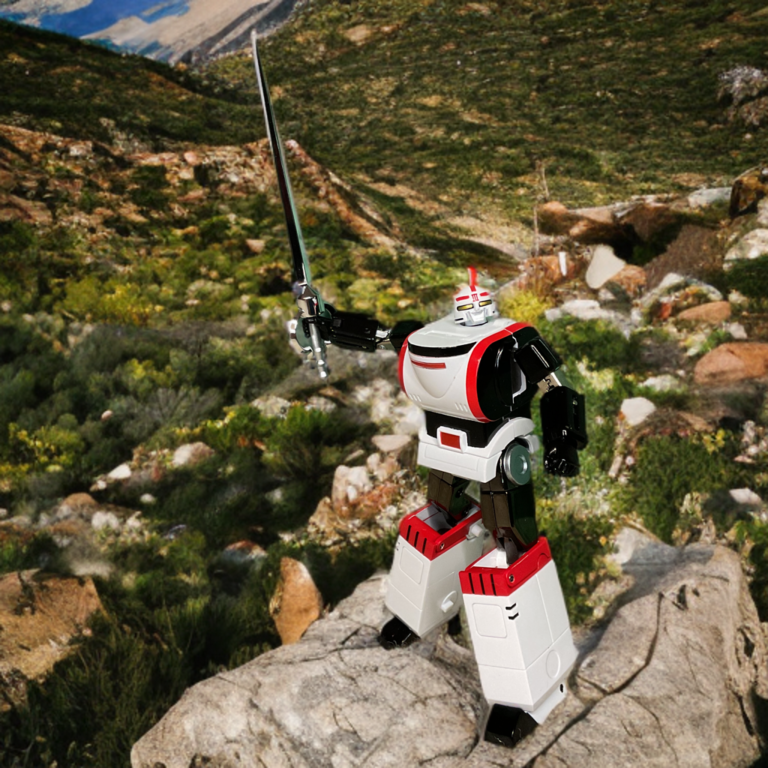
Both toys faithfully recreate the anime’s signature gimmick: six individual robots (Gaia as the core, plus Sphinx, Uranus, Titan, Shin, and Ra) that combine into the towering God Mars. The 1981 Popy version pioneered this in physical form shortly after the show’s October 1981 premiere, making it one of the earliest large-scale six-part combiners in the super robot genre.
- Proportions and Silhouette — The vintage toy’s combined God Mars had a bold, chunky super robot aesthetic typical of the era: broad shoulders, prominent chest plate (from Sphinx), heavy limbs, and the iconic helmet with central horn. The modern Soul of Chogokin version refines this into sleeker, more anime-accurate proportions—taller and more balanced overall, with sharper panel lines, better symmetry, and a heroic stance that feels directly pulled from the animation cels.
- Individual Robots — The 1981 toy emphasized standalone play with chunky, simplified designs for durability. Gaia featured an extendable neck and basic articulation; the others had vehicle-like modes or simple poses. The SOC version gives each robot far more character: detailed sculpting, individual weapons (e.g., Sphinx’s Cross Swords, Gaia’s Cannon Saber), and dynamic flight/standing poses that highlight their mythological inspirations.
In essence, the modern figure is a loving evolution—preserving the “six gods unite” magic while updating the look to match the 1981-1982 anime’s fluid, vibrant style rather than the toy-first simplifications of the original release.
Materials and Build Quality: From Die-Cast Heavyweights to Premium Hybrids
The most dramatic evolution lies in construction:
- 1981 Popy Original — True to the Chogokin name, it used generous amounts of die-cast metal (zinc alloy) for weight, durability, and that satisfying clank. The figure felt substantial and premium for the time, with chrome accents (especially on export Godaikin versions) and sturdy plastic for moving parts. However, die-cast made it prone to paint chipping, joint wear over decades, and occasional factory variations in chrome quality.
- Modern GX-40SP 50th Anniversary — Blends die-cast zinc alloy in critical structural areas (torso core, limb connections, feet) for heft and stability with high-grade ABS plastic for flexible joints, intricate transformation tabs, and lightweight sections. The result is a figure that’s still weighty and premium-feeling but far more resistant to wear, with tighter tolerances and smoother operation.
The 50th Anniversary edition adds luxurious electroplating (mirror-like chrome finishes on Gaia’s red/silver body and targeted areas on the other robots), elevating the shine beyond what vintage chrome could achieve without modern plating tech.
Size, Scale, and Presence
- 1981 Vintage — Combined God Mars stood roughly 30-35 cm tall (about 12-14 inches in some listings, though exact measurements vary by release variant like GB-56/GB-87 or Godaikin exports). It was impressively large for 1981 play, dominating shelves and feeling like a “giant robot” in hand.
- GX-40SP Modern — Approximately 280 mm (11 inches) tall when combined, with Gaia at ~100 mm. While slightly more compact, the refined proportions and detailed sculpt make it appear grander and more imposing on display. The individual robots are proportionally sized for seamless integration, avoiding the blockier, less refined look of the vintage pieces.
Transformation and Combination: Playability Then vs. Now
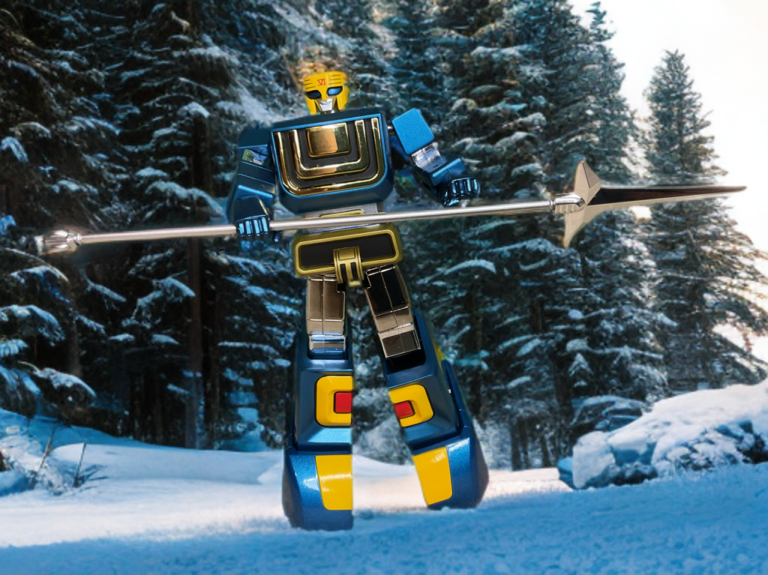
- 1981 Original — Combination was straightforward but basic: snap-fit or peg connections with minimal articulation post-assembly. Play focused on chunky, kid-friendly transformations—firing fists, hinged chest panels for “pilot” access, and a large sword. Stability relied on wide stances and weight, but poses were limited.
- Modern SOC — A showcase of engineering mastery: magnets and precise tabs/pegs guide parts into perfect alignment with satisfying clicks. The process mirrors the anime’s dramatic sequences exactly, with rock-solid stability even in extreme poses (sword swings, flight stances, arms-crossed heroism). Over 20 points of articulation in combined form allow dynamic recreations impossible on the vintage toy.
Accessories tell the story too: The 1981 version included essentials like a huge sword and firing fists. The GX-40SP expands dramatically with the Mars Flash sword (multiple variants), interchangeable hands (8 types per side), Cosmo Crusher vehicle, Myojin Reef base, and full Rokushin Robo weapon suite—turning it into a complete display arsenal.
Visuals and Finishing: Nostalgia vs. Luxury Polish
The vintage toy captured the raw energy of 1981 with bold primary colors, metallic paints/chrome, and a toy-first aesthetic (simplified details for cost and play). Paint apps were solid but prone to fading or wear.
The 50th Anniversary edition polishes everything to a modern sheen: electroplating creates jewel-like reflections that shift under light, targeted metallic accents pop on thighs and arms, and crisp panel lining elevates sculpt details. It feels like the gods got a high-end restoration—honoring the original while surpassing it in visual spectacle.
Collector’s Perspective: Era and Appeal
- 1981 Popy — A holy grail for vintage Chogokin collectors. Rare complete examples fetch high prices due to age, nostalgia, and cultural significance as one of the pinnacle ’80s combiners. It’s a piece of history—played with, displayed, loved in real time during the anime’s run.
- GX-40SP 50th Anniversary — Aimed at modern collectors who want anime-accurate detail, premium materials, and display perfection without the fragility of 40+ year-old die-cast. It’s the “ultimate” version for reliving the series today, with engineering that makes the original feel quaint by comparison.
In summary, the original 1981 Popy God Mars is the authentic artifact—a chunky, heavy, die-cast legend born alongside the anime that defined an era of play. The Soul of Chogokin GX-40SP 50th Anniversary Version is its refined spiritual successor: sleeker, more articulated, luxuriously finished, and packed with modern conveniences, yet still paying homage to that six-god fusion magic. One is a time capsule; the other is a timeless revival. Together, they show how far Chogokin has come while staying true to the divine robot heart of God Mars.
Plot Summary of Six God Combination God Mars (1981–1982 Anime)
Six God Combination God Mars (Japanese title: Rokushin Gattai Goddo Māzu), a 64-episode mecha anime series that aired from October 1981 to December 1982, is a classic space opera blending high-stakes interstellar war, family tragedy, psychic powers, and spectacular robot combinations. Directed by Tetsuo Imazawa and produced by Tokyo Movie Shinsha (TMS), the series is a loose adaptation of Mitsuteru Yokoyama’s 1976 manga Mars, but it significantly softens the manga’s darker, more nihilistic tone into a heroic tale of defiance and protection.
Setting and Premise
The story unfolds in the “futuristic” year of 1999, when humanity has begun expanding beyond the Solar System through advanced space travel. This expansion draws the ire of the warlike planet Gishin (also spelled Gashin or Gazin in some translations), ruled by the tyrannical Emperor Zuul (or Zule/Zool), a galactic conqueror bent on dominating the universe. Zuul views Earth’s growing presence as a threat and decides to annihilate the planet entirely rather than conquer it.
To execute this plan, Zuul sends an infant boy named Mars to Earth, accompanied by a colossal robot called Gaia. Gaia houses a devastating power source that doubles as a planet-destroying bomb. The scheme is insidious: Mars is to be raised among humans, grow to maturity, and then activate the bomb to obliterate Earth. If Mars dies prematurely, the bomb detonates automatically, ensuring Earth’s destruction regardless.
Mars crash-lands on Earth and is discovered and adopted by a kind Japanese family on a mysterious island. They name him Takeru Myojin (or Myoujin), and he grows up unaware of his alien origins, developing a deep love for humanity and Earth.
Takeru’s Awakening and Early Conflict (First Arc)
Seventeen years later, in 1999, the now-teenage Takeru begins experiencing strange dreams and psychic visions. He possesses powerful ESP abilities, allowing him to control machinery with his mind. When Gishin forces launch their invasion of Earth, Takeru is drawn into the conflict. He joins the Crusher Squad (or Crasher Squad), an elite Earth Defense Force unit specializing in space combat.
As attacks intensify, Takeru learns the shocking truth: he is the alien Mars, and Gaia—the robot he instinctively pilots psychically—is the doomsday weapon meant to end humanity. Zuul demands that Takeru fulfill his destiny by detonating the bomb, but Takeru refuses, choosing to protect the world that raised him. This decision pits him directly against Gishin’s armies.
Unknown to Zuul and the Gishin forces, Takeru’s biological father (a scientist or figure of resistance on Gishin) secretly created and dispatched five additional powerful robots—Sphinx, Uranus, Titan, Shin, and Ra—to safeguard his son. These five machines lie dormant on Earth until Takeru faces mortal danger. When the situation becomes dire, Takeru summons them, and the six robots combine in a dramatic fusion sequence to form the ultimate super robot: God Mars (or Godmars).
God Mars becomes Earth’s most powerful defender, capable of feats far beyond individual machines, including devastating attacks like the Mars Flash energy sword and missile barrages. Early episodes focus on episodic battles against Gishin invaders, Takeru’s growth as a pilot and leader, and his bonds with Crusher Squad teammates.
Brotherly Rivalry and Emotional Core
A major emotional thread involves Takeru’s biological older brother, Prince Marg (or Margz), Zuul’s loyal son and heir. Marg was deprived of his family due to internal palace intrigue and views Takeru/Mars with a mix of resentment, envy, and conflicted affection. The two brothers are repeatedly forced into combat against each other, piloting rival mechs in intense sibling duels. Their Cain-and-Abel dynamic—torn between blood ties and opposing sides—adds layers of tragedy and drama, with Marg’s internal struggle becoming increasingly central as the series progresses.
Escalation and Climax
(Later Arcs)
The series is often divided into three broad arcs:
- Initial Invasion and Awakening — Takeru discovers his heritage, joins the Crusher Squad, and first summons the five hidden robots to form God Mars, repelling Gishin’s early assaults.
- Intensified War and Personal Stakes — Gishin deploys stronger warriors and mechs, leading to larger-scale battles across the Solar System (including harsh environments like Pluto). Takeru’s psychic powers evolve, and the constant threat of Gaia’s bomb adds tension to every fight—if Takeru dies, Earth ends.
- Final Confrontation and Resolution — The conflict escalates to direct assaults on Gishin itself. The brotherly bond reaches its peak, with themes of redemption, forgiveness, and the power of choice over destiny culminating in an explosive finale. Takeru and God Mars face Zuul’s ultimate forces in a galaxy-shaking showdown that resolves the war and Takeru’s dual identity.
Throughout, the anime emphasizes heroic sacrifice, the value of human connections, and the idea that nurture triumphs over nature. While individual episodes feature monster-of-the-week style battles, the overarching narrative builds toward emotional and spectacular payoffs.
Legacy and Tone
Compared to the original manga (where the protagonist ultimately deems humanity unworthy and triggers destruction), the anime adopts a brighter, more optimistic tone suitable for its young audience, focusing on hope, family, and triumph over evil. The combination sequences, dramatic music, and colorful robot designs made it a standout in the super robot genre, influencing later combining-mecha shows.
The series concluded with a satisfying resolution, followed by a 1982 compilation movie recapping the first half and a 1988 OVA (Seventeen Year Old Legend) exploring post-series events and Marg’s perspective.
In summary, God Mars is the story of a boy torn between worlds, choosing love for his adoptive home over programmed destruction, and wielding the power of six divine robots to defend Earth against galactic tyranny—all while confronting the painful truth of his origins and his fractured family. It’s a quintessential ’80s mecha epic packed with heart, spectacle, and robot-fueled heroism.
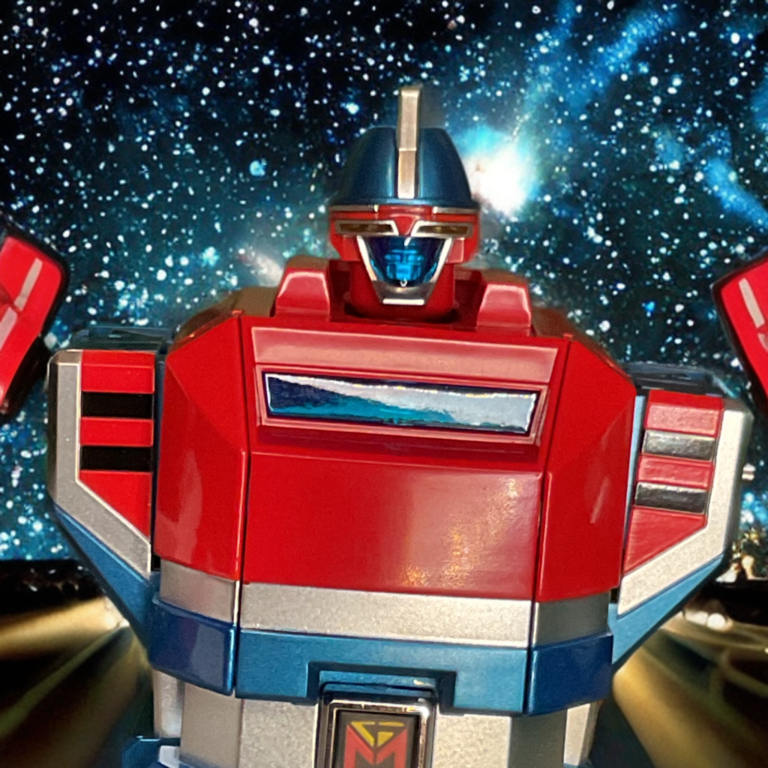
Details on the God Mars Robot’s Abilities
In the 1981–1982 anime Six God Combination God Mars (Rokushin Gattai Goddo Māzu), God Mars is the ultimate form achieved when the six individual robots—Gaia (core/body), Sphinx (torso), Uranus (right arm), Titan (left arm), Shin (right leg), and Ra (left leg)—combine. This 50-meter-tall, 1,050-ton super robot serves as Earth’s most powerful defender against the Gishin Empire’s forces. God Mars draws its strength from Takeru Myojin’s psychic (ESP) abilities, which allow mind-controlled piloting and amplify the machine’s performance. The robot’s abilities emphasize overwhelming raw power, energy projection, and finishing moves rather than complex versatility, fitting the era’s super robot style where battles often resolve quickly once God Mars appears.
God Mars inherits and synergizes powers from its component robots, but most showcased abilities manifest in the combined form. Below is a breakdown of its key abilities and attacks, based on the anime’s depictions (with some enhanced portrayals in later media like Super Robot Wars games for context, but sticking primarily to the original series).
General Capabilities
- Immense Physical Strength and Durability — God Mars possesses god-like physical power, capable of crushing enemy mechs, shattering barriers, and enduring extreme punishment in space or planetary environments. Its massive scale and die-cast-like construction (in lore) allow it to overpower most Gishin machines through sheer force.
- Psychic Link and Control — Takeru’s ESP enables direct mental piloting, granting precise, intuitive movements without traditional controls. This also enhances the robot’s reaction speed and allows it to respond to threats almost instantaneously.
- Flight and Mobility — Capable of high-speed space and atmospheric flight, often shown banking dramatically or charging through enemy formations.
- Energy Generation — Draws from an advanced power source (originally the bomb core in Gaia), providing near-limitless energy for sustained combat and special attacks.
Individual Component Contributions (Pre-Combination)
While God Mars shines in combined form, the six robots have specialized abilities that contribute to the whole:
- Gaia (red, core) — Gravitational Beam, Impact Wave (shockwave attacks), basic psychic control interface.
- Sphinx (torso) — Structural integrity, energy manipulation (implied in combination sequences).
- Uranus (right arm, white) — Freezer Beam (cold-based attacks, can freeze enemies).
- Titan (left arm, green) — Cyclone Blast (wind/tornado-like attacks).
- Shin & Ra (legs) — Provide thrust, stability, and enhanced mobility/grounding.
These individual powers are rarely used standalone in major battles after the combination becomes available, but they add flavor to early episodes.
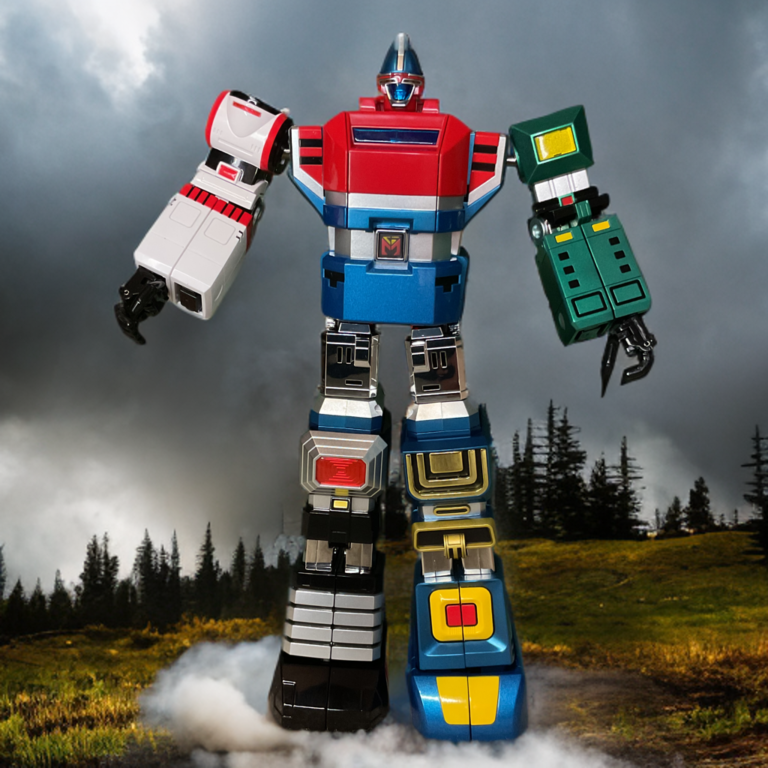
Signature Combined Attacks and Techniques
God Mars’ combat style is straightforward and devastating: weaken or immobilize foes, then deliver a decisive finishing blow. Battles often feature quick, dramatic sequences with limited animation (typical of the era), focusing on iconic moves.
- God Fire — A powerful internal energy attack. God Mars unleashes intense flames or heat waves that penetrate enemy armor, causing massive internal damage and often immobilizing or weakening the target. Frequently used as a setup for the final strike, it appears as a fiery aura or beam that “cooks” opponents from within.
- Mars Flash — The primary weapon: a massive, double-edged energy sword summoned from the belt emblem (resembling a chainsaw-machete hybrid). It glows with intense power and is absurdly sharp, capable of slicing through heavy armor or mechs in a single stroke. Takeru often calls out “Mars Flash!” as he manifests it.
- Final Godmars (or Final God Mars) — The classic finishing move: After God Fire (or direct setup), God Mars performs a powerful vertical or slashing strike with the Mars Flash, often driving the blade into the enemy’s core or gut for a decisive kill. This is the go-to finisher in most episodes, depicted with dramatic flair and explosive results.
- Rocket Punch — Occasionally fires off the right arm (Uranus component) as a propelled fist, followed by energy blasts from the detached limb before reattaching.
- Super Final Godmars — A rare, ultimate variant seen in the series finale (and popularized in Super Robot Wars adaptations). God Mars enters a golden glowing state (with dramatic church bells in some depictions), channeling combined energy from Takeru, his allies, or the Six Gods themselves for an amplified slash or energy attack. It represents peak power, overwhelming even Emperor Zuul’s strongest forms.
Additional Notes on Combat Style
God Mars is portrayed as overwhelmingly dominant once combined—many episodes end with its appearance leading to rapid victories via camera cuts, still frames, or montages rather than prolonged choreography. This reflects the “super robot” trope where the hero machine is nearly invincible against weekly threats. Its limitations stem more from Takeru’s personal vulnerability (if he dies, Gaia’s bomb detonates, destroying Earth) than mechanical weaknesses.
In the 1988 OVA (God Mars: Seventeen Year Old Legend), some attacks like God Fire are absent or altered, but the core moves (Mars Flash and Final Godmars) remain central.
Overall, God Mars embodies divine, unstoppable might—its abilities focus on raw destructive power and heroic spectacle rather than tactical variety, making it a quintessential ’80s super robot icon.
Details on Super Final Godmars
Super Final Godmars (also written as Super Final God Mars or Super Final Godmars) is the enhanced, ultimate finishing move associated with God Mars in the Six God Combination God Mars franchise. It represents the pinnacle of the robot’s power, channeling overwhelming energy for a decisive, dramatic strike.
Origin and Context in the Original Anime
In the core 1981–1982 TV series (64 episodes), the standard finishing move is Final Godmars (or Final God Mars), a powerful vertical or slashing strike with the Mars Flash energy sword. This is typically preceded by God Fire (an internal energy beam or heat attack that damages and often immobilizes the enemy from within), followed by Takeru shouting “Final Godmars!” as God Mars drives the blade into the foe’s core for a one-hit kill.
The exact phrase “Super Final Godmars” does not appear in the original anime series as a named technique. The final confrontation with Emperor Zuul in the series finale features a climactic use of God Mars’ full power, including a dramatic slash with the Mars Flash that defeats Zuul after intense buildup. This is often interpreted as the series’ ultimate attack, sometimes described in fan contexts or wikis as a Combined Energy Attack drawing from Takeru’s resolve, his allies, or the collective strength of the Six Gods. However, it is not explicitly labeled “Super Final Godmars” in the show itself.
Prominence in Super Robot Wars Games
Super Final Godmars gained its name, iconic status, and detailed animation primarily through the Super Robot Wars (SRW) crossover video game series, where God Mars has been a recurring playable unit since titles like Super Robot Wars Z2: Saisei-hen (2011) and continuing through later entries like Z3: Tengoku-hen.
In these games:
- Super Final Godmars is portrayed as an upgraded, more powerful variant of the standard Final Godmars.
- The animation sequence typically includes:
- God Mars glowing with a golden aura (often accompanied by dramatic church bells or epic sound effects in the background).
- Takeru delivering lines emphasizing ultimate resolve, such as “Zuul! I’ll show you everyone’s anger! This is the final fight! I’ll put everything on the line!”
- Summoning the Mars Flash sword.
- Performing an amplified, high-damage vertical slash or piercing strike that overwhelms even the toughest bosses.
- It is depicted as a Combined Energy Attack, symbolizing the culmination of Takeru’s growth, the bonds with his allies (including his brother Marg in some scenarios), and the divine synergy of the Six God robots.
- In gameplay terms, it serves as God Mars’ strongest post-movement or MAP (map-wide) attack in certain titles, with massive damage output and dramatic flair that pays homage to the anime’s heroic style.
This version was partly created to give God Mars a standout, over-the-top finisher in the games, as the original anime’s animation for battles was notoriously limited (often relying on still frames, quick cuts, or minimal movement to fit the budget). Fans and sources note that the SRW depiction adds spectacle and power scaling that feels like an “evolved” or “true ultimate” form of the anime’s climax.
Visual and Thematic Elements
- Appearance — God Mars enters a radiant golden state, emphasizing its “divine” nature.
- Power Level — In crossover lore (e.g., fan wikis and vs. battles discussions), it’s rated as far higher than standard God Mars attacks, capable of one-shotting planet-threatening foes like Emperor Zuul.
- Signature Call — Takeru cries out variations of “Mars Flash!” followed by “Final Godmars!” or the full “Super Final Godmars!” in game contexts.
- Legacy — It has become one of the most recognizable attacks for God Mars fans, especially through YouTube clips of SRW animations, where it’s celebrated for its faithfulness to the series’ spirit despite expanding beyond the original show.
In summary, while rooted in the anime’s final battle energy, Super Final Godmars is largely a Super Robot Wars-enhanced technique that elevates the classic Final Godmars into an even more spectacular, emotionally charged ultimate move. It captures the essence of God Mars as an unstoppable divine protector, turning a simple yet heroic slash into a galaxy-shaking declaration of victory. If you’re watching SRW gameplay footage, that’s where you’ll see the full, animated glory of this attack in action!
Other God Mars Finishers and Signature Attacks
Beyond the well-known Super Final Godmars (primarily featured and named in the Super Robot Wars games as an amplified, golden-glow version of the ultimate slash), God Mars has a small but iconic arsenal of finishing moves and special attacks in the original 1981–1982 anime. The series keeps things simple and dramatic—God Mars is portrayed as overwhelmingly dominant once combined, with battles often resolved quickly through a handful of signature techniques rather than prolonged choreography. Most “finishers” revolve around the Mars Flash sword and preparatory energy attacks.
Here’s a breakdown of the other key finishers and attacks, sticking to official depictions from the anime (with notes on how they’re presented or expanded in crossover media like Super Robot Wars for context):
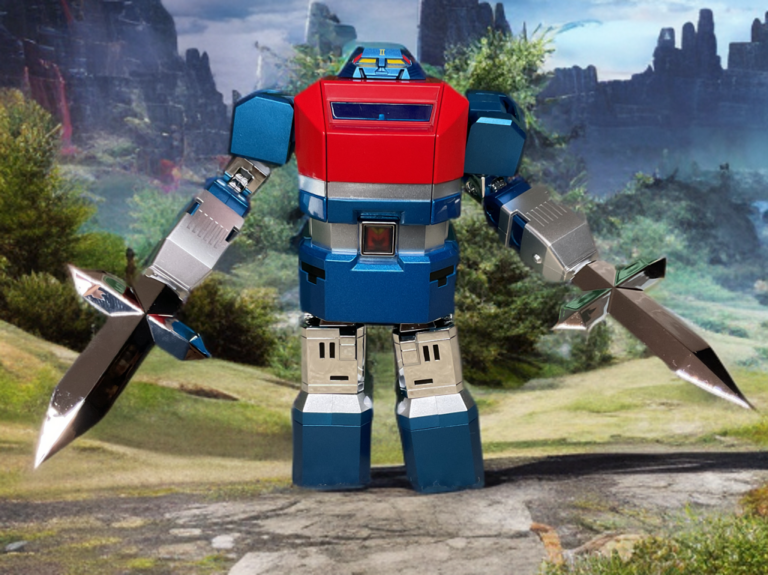
God Fire
- Description — God Mars fires a powerful energy beam or heat wave shaped like a large “G” (from the belt emblem/chest area) that penetrates the enemy’s armor and causes massive internal damage. It often immobilizes or severely weakens the target, creating an opening for the killing blow.
- Usage in Anime — This is the most common setup move. In many episodes, after the enemy has been worn down, God Mars unleashes God Fire to “cook” them from the inside, locking them in place or disrupting their systems. It’s depicted with a dramatic beam emission and explosive internal effects.
- Role as Finisher — While not always the final strike, it frequently serves as the prelude to the true finisher, making it a de facto part of the combo sequence. In Super Robot Wars adaptations, it’s faithfully recreated as the opening to the Final Godmars chain.
- Visuals — A bright, piercing energy blast with a “G”-shaped impact, followed by the enemy mech sparking or freezing in agony.
Mars Flash
- Description — God Mars summons a massive, double-edged energy sword from the belt emblem (often described as looking like a chainsaw-machete hybrid due to its jagged, serrated edges). The blade glows intensely and is portrayed as absurdly sharp, capable of cleaving through heavy armor or entire mechs.
- Usage in Anime — Takeru calls out “Mars Flash!” as the sword materializes in God Mars’ right hand. This is the primary weapon for close-range combat and the setup for finishers. It’s used for powerful slashes or thrusts in battle.
- Role as Finisher — While it’s more of a weapon summon than a standalone finisher, it directly leads into the killing moves. In many episodes, summoning the Mars Flash signals the end is near.
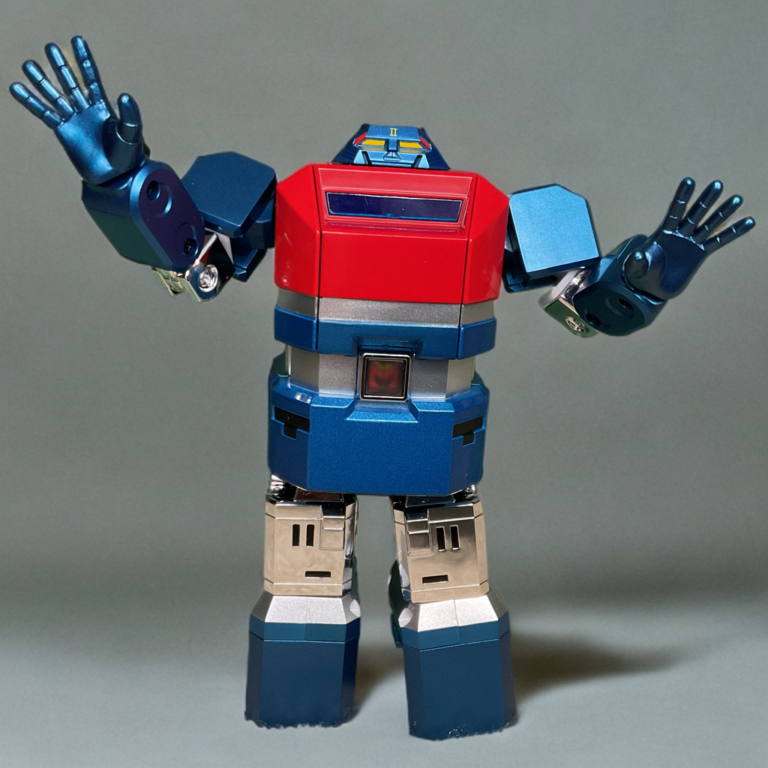
Final Godmars (or Final God Mars)
- Description — The classic, most iconic finisher in the original anime: After God Fire (or direct setup), God Mars performs a devastating vertical or diagonal slash with the Mars Flash, driving the blade deep into the enemy’s core or body for a one-hit kill. Explosions and dramatic cuts follow.
- Usage in Anime — Takeru shouts “Final Godmars!” during the strike. This resolves the vast majority of major battles—once God Mars appears and uses this sequence, victory is assured. It’s simple, heroic, and fits the era’s super robot style where the hero machine is nearly invincible.
- Visuals — A powerful overhead or thrusting slash with energy trails, often shown in still frames or quick animation due to the show’s budget constraints. In the series finale against Emperor Zuul, a variant of this (sometimes called a Combined Energy Attack in fan discussions) channels extra resolve for the decisive blow.
Additional / Lesser-Used Attacks
- Rocket Punch (Uranus Rocket) — God Mars detaches and fires the right arm (Uranus component) as a propelled fist, sometimes followed by energy blasts from the limb before it reattaches. This is rarely used as a primary finisher but appears occasionally for ranged disruption.
- Double Mars Flash / Double Final God Mars — Mentioned in some fan wikis and crossover contexts (e.g., as combination attacks when God Mars teams up with allies), these involve dual-wielding or amplified slashes. They’re not prominently featured in the original anime but appear in expanded media or interpretations.
God Mars’ combat style is deliberately straightforward—reflecting the anime’s limited animation budget and focus on spectacle over complexity. Enemies’ attacks often bounce off harmlessly, building to the inevitable God Fire → Mars Flash → Final Godmars sequence. The Super Final Godmars (with its golden aura, church bells, and heightened drama) was largely popularized and fleshed out in Super Robot Wars to give the unit a flashier “ultimate” move, but the core finishers remain rooted in the anime’s God Fire setup and Final Godmars slash.
These attacks capture God Mars’ essence as an unstoppable divine protector: raw power, heroic calls, and decisive, explosive conclusions to battles. If you’re revisiting the series or watching SRW clips, the simplicity makes the moments feel even more triumphant!
God Mars Episode Guide (Six God Combination God Mars / Rokushin Gattai Goddo Māzu, 1981–1982)
The series ran for 64 episodes from October 2, 1981, to December 24, 1982. It is a classic mecha anime with episodic battles against Gishin invaders, building toward larger arcs involving Takeru’s heritage, his brother Marg, and the final confrontation with Emperor Zuul.
English episode titles are unofficial translations commonly used on platforms like IMDb, Crunchyroll, YouTube (TMS Official Channel English subs), MyAnimeList, and fan sites. They are approximate but widely accepted for English-speaking viewers. The show has one season with all 64 episodes.
Here is the full episode list with titles:
- Who Am I?!
- Behold! the Six God Combination
- The Horrible Secret
- The Lonely Esper Takeru
- Farewell! My Beloved Planet Earth (or Goodbye, Dear Earth)
- The Six Gods, Unable to Combine?!
- Pluto is the Planet of Hell!
- Is Takeru the Bomber?!
- SOS!
- (Titles become less consistently documented in early sources; many mid-series episodes focus on Gishin attacks and Crusher Squad missions) 11–13. Various episodic battles (e.g., involving mecha like Gulder, Calgatti, Guruguru)
- (Mid-arc escalation)
- The Six God Combination Comes Apart!
(Note: Episodes 1–15 have the most consistent English titles from streaming and wiki sources. Episodes 16–64 follow a pattern of weekly threats, brotherly confrontations, and escalating war, but full translated titles are scarcer outside Japanese sources or partial fan lists. Key arcs include early awakening (eps 1–10+), space battles, and the finale.)
For a more detailed breakdown:
- Episodes 1–10ish: Takeru’s awakening, discovery of origins, first combinations into God Mars, and initial defenses against Gishin.
- Mid-series (roughly 20–40): Intensified conflicts, sibling rivalry with Marg, planetary battles (e.g., Pluto arc).
- Later episodes (50+): Climax toward Gishin invasion, redemption themes, and the series finale.
The full series is available with English subtitles on platforms like Crunchyroll (in some regions), Pluto TV (ad-supported), and the official TMS YouTube channel playlist (64 episodes uploaded with subs). A 1982 compilation movie covers early arcs, and the 1988 OVA (God Mars: Seventeen Year Old Legend) serves as a side story/epilogue focusing on Marg.
Sewing It Altogether Before the Price Guide
God Mars endures as a symbol of mecha majesty, bridging decades of imagination, innovation, and unyielding heroism. From its humble yet groundbreaking origins in Mitsuteru Yokoyama’s 1976 manga—where a darker fate awaited the protagonist—to the uplifting 1981 anime adaptation that transformed it into a beacon of hope, the story of Takeru Myojin and his six divine robots has proven remarkably resilient. The series’ 64-episode run delivered not just explosive robot battles and psychic-fueled drama but a heartfelt exploration of identity, family, and choice: a boy engineered for destruction who chose protection instead, defying Emperor Zuul’s empire through sheer will and the unbreakable synergy of the Six Gods.
That climactic finale—where Takeru, backed by the bonds forged on Earth and the lingering ties to his brother Marg, unleashes God Mars’ full might in a galaxy-shaking showdown—remains one of the era’s most satisfying resolutions. Unlike the manga’s grim conclusion, the anime opts for triumph and redemption, with Takeru emerging victorious, the threat of Gaia’s bomb neutralized, and a peaceful future secured. Some interpretations even suggest an ethereal ascension for Takeru, a poetic touch that elevates the ending beyond mere victory into something transcendent. It’s this blend of spectacle and emotion that keeps fans returning, whether through retro screenings, the TMS YouTube uploads, or crossover appearances in Super Robot Wars games that amplify those iconic finishers like Final Godmars and the fan-favorite Super Final Godmars.
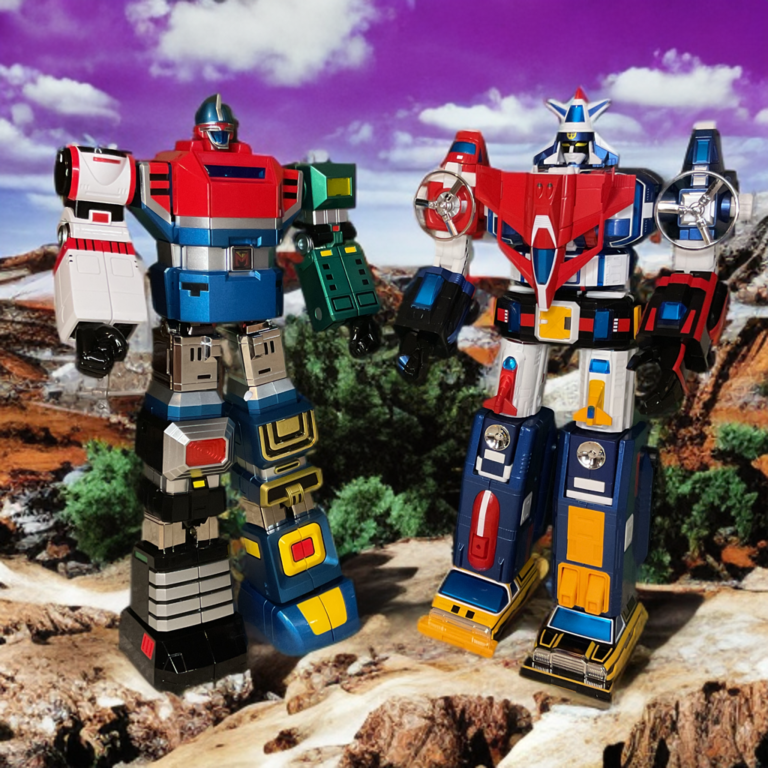
Fast-forward to the present, and the Soul of Chogokin GX-40SP God Mars Chogokin 50th Anniversary Version stands as a gleaming monument to that legacy. This isn’t just another figure—it’s a meticulously crafted love letter to half a century of Bandai’s “super alloy” heritage, starting from those pioneering 1970s die-cast toys. The lavish electroplating turns the six robots into radiant artifacts: Gaia’s mirror-polished red-and-silver body evoking sacred divinity, the targeted metallic accents on Sphinx, Uranus, Titan, Shin, and Ra creating dazzling light play that shifts with every angle. Combined, the 280mm God Mars commands attention like never before—stable, articulated, and packed with faithful details that honor the anime’s designs while surpassing the limitations of the 1981 Popy original.
Compared to the standard GX-40, the SP edition elevates aesthetics without altering the core magic: the same seamless magnet-and-tab fusions, rock-solid poses, and full accessory suite (Mars Flash variants, Cosmo Crusher, Myojin Reef base, and more). Against the vintage Popy toy, it represents evolution—refined proportions, superior durability, and modern engineering that make the chunky ’80s classic feel like a cherished ancestor rather than a rival. For longtime fans who grew up shouting “Gattai!” on Saturday mornings, this figure revives cherished memories with premium polish. For newcomers discovering God Mars through streaming or SRW clips, it’s an accessible gateway to the divine fusion thrill that defined a genre.
Ultimately, whether you’re reliving Takeru’s saga of nurture triumphing over nature, marveling at the engineering that brings six gods together flawlessly, or simply seeking a standout centerpiece that catches every ray of light, the GX-40SP delivers. In a hobby full of fleeting trends, God Mars reminds us why certain stories and toys endure: they combine heart, spectacle, and craftsmanship into something greater than the sum of their parts. If your collection—or your sense of wonder—needs a divine upgrade, this anniversary edition isn’t just recommended; it’s celestial. A combination truly out of this world, ready to stand eternal on your shelf.
The Bottom Line: The GX-40R is the definitive version of a mecha icon. While the 2008 original was a breakthrough, the 2026 50th Anniversary edition perfects the color palette and stabilizes the “Six God” combination for a new generation of collectors.
| The Good (Pros) | The Bad (Cons) |
| Superior Stability: Ratcheted joints make the 11-inch combined form feel “rock solid.” | Shelf Space: Requires significant vertical and horizontal clearance. |
| Anime Accuracy: The “Renewal” paint job finally matches the 1981 animation cels. | Complexity: The transformation of the arm units (Uranus/Titan) remains delicate. |
| Core Gimmick: Gaia’s fitment inside Sphinx is smoother than previous iterations. | Price Point: High entry cost for 2026 market standards. |
Soul of Chogokin (SOC) Collector’s Index: 2026
| GX # | Figure Name | Series | Approx. 2026 Value | Status / Release |
| GX-40 | God Mars | Six God Combination | $230–$280 | Available (Legacy) |
| GX-46R | Dygenguar & Aussenseiter | Super Robot Wars OG | $300–$440 | Available |
| GX-50SP | Combattler V (50th Ver.) | Combattler V | $200–$250 | Available |
| GX-61R | Daioja (Robot King) | Saikyou Robot Daioja | $410–$430 | July 2026 |
| GX-68 | Gaogaigar | King of Braves | $220–$250 | Available (Resale) |
| GX-69 | Goldymarg | King of Braves | $240–$280 | Available |
| GX-71 | Voltron (Lion Force) | Beast King GoLion | $325–$350 | High Demand |
| GX-75SP | Mazinkaiser (20th) | Mazinkaiser | $250–$300 | Available (Limited) |
| GX-88 | Dairugger XV (Vehicle Voltron) | Armored Fleet | $300–$450 | Available (OOP) |
| GX-96 | Getter Robot Go | Getter Robo | $200–$250 | Available |
| GX-105 | Mazinger Z (Kakumei Shinka) | Mazinger Z | $180–$220 | Available |
| GX-117 | Mazinger Z (Power Up) | Mazinger Z | $180–$200 | Recent Release |
| GX-118 | Voltes V (Legacy) | Voltes V | $500–$550 | Feb 2026 |
| GX-119 | Ryuko-O / Koryu-O | Super Robot Wars OG | $450–$470 | April 2026 |
| GX-120 | King Exkaiser | Brave Exkaiser | $420–$450 | July 2026 |
Price Fluctuation Warning: Secondary market prices can change rapidly due to collector demand, rarity, condition (mint vs. opened), reissues, anniversaries, and overall market trends. New releases often start near retail but may rise with scarcity; older figures can drop if restocked or fall if demand cools.
2026 “Big Hitter” Breakdown
The Heavyweight: Voltes V Legacy (GX-118)
This is currently the “it” figure for 2026. Because it represents a massive leap in engineering for the classic Voltes design, the aftermarket price is already pushing past the $500 mark. If you see one for under $480, it’s a steal.
The New Frontier: King Exkaiser (GX-120)
The debut of the Brave Series in the SOC line is a huge milestone. Pre-order slots are filling up fast for July. This figure is expected to hold its value extremely well because it opens up an entirely new sub-set for “Brave” completionists.
| Model Number | Name | Why it belongs with God Mars |
| GX-110 | Voltes V (Full Action/Spec) | The gold standard of “Combination Mecha” engineering that mirrors the God Mars complexity. |
| GX-113 | Dancouga (Renewed Version) | Another “Gestalt” (combined) robot that shares the heavy die-cast feel and shelf-presence of God Mars. |
| GX-40R+ | Gaia (Standalone Display Edition) | Often released as a companion to the 50th, this allows you to display the core pilot robot outside of the combined God Mars. |
The Duel: Ryuko-O / Koryu-O (GX-119)
Coming later this year, this is for the Super Robot Wars hardcore fans. Its transformation gimmick is complex, which usually translates to a higher secondary market price once the initial run sells out.
 English
  Deutsch
  Français
  Português do Brasil
  日本語
日本語  Español
  English (Australia)