

Why Kane Never Got a Clean Win Over The Undertaker – And Why He Deserved One
Kane (Glenn Jacobs) and The Undertaker (Mark Calaway) are kayfabe half-brothers known as the Brothers of Destruction in WWE. Their rivalry spans from Kane’s 1997 debut through multiple encounters into 2010, featuring iconic matches, title implications, and supernatural elements. While The Undertaker holds the majority of decisive victories in their head-to-head record (approximately 6 wins to Kane’s 4, with several draws/no-contests), Kane achieved multiple wins over his brother, some under championship or stipulation conditions.
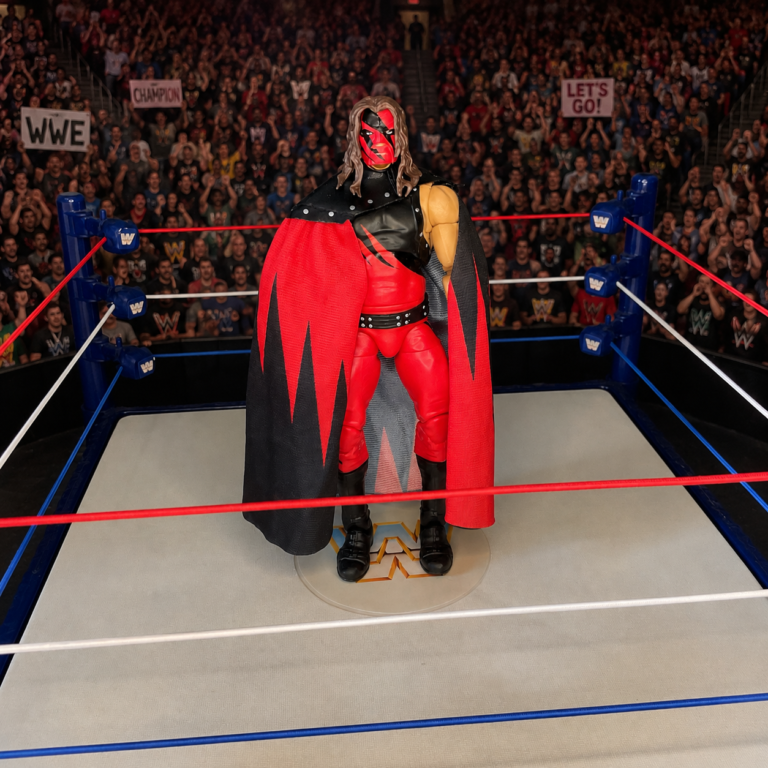
Early Rivalry and First Encounters (1997–1998)
Kane debuted at Bad Blood 1997 by attacking The Undertaker during his Hell in a Cell match against Shawn Michaels. Their first singles match occurred at WrestleMania XIV (1998), where The Undertaker defeated Kane after hitting three Tombstone Piledrivers. Kane earned his first victory over The Undertaker on the June 1, 1998 episode of Raw in a No. 1 Contender’s match.
They met again in an Inferno match at Unforgiven: In Your House 1998, won by The Undertaker when Kane’s arm was set on fire. Subsequent 1998 matches, including a Casket match and other encounters, often ended in no-contests, double pinfalls, or interference-heavy finishes rather than clean pins or submissions.
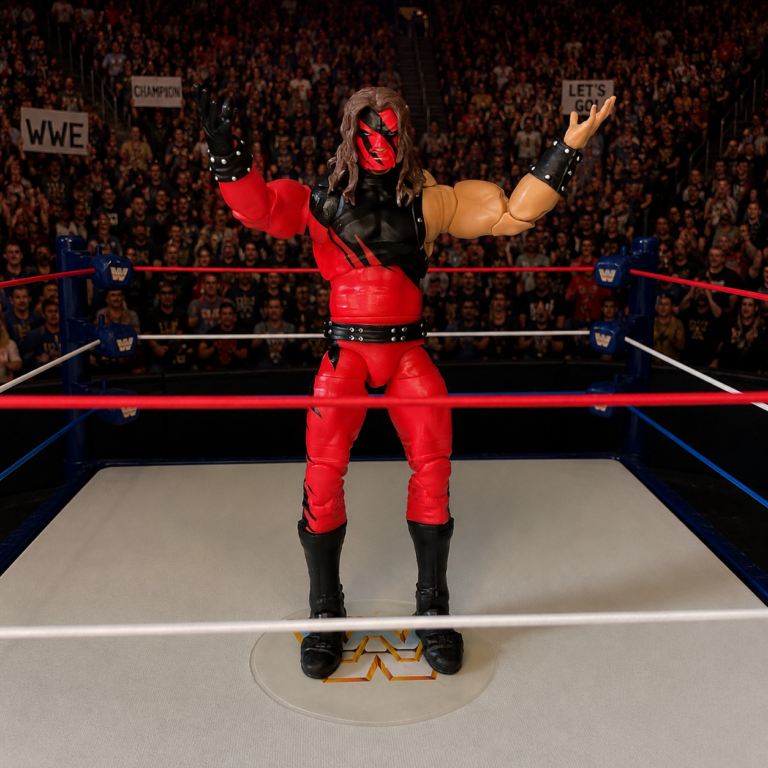
2000s Matches and Tag Team Dynamics
Their rivalry cooled as they frequently teamed as the Brothers of Destruction, winning tag team gold. Singles matches were sporadic. At WrestleMania XX (2004), The Undertaker (returning to his Deadman persona) defeated Kane with a Tombstone Piledriver. A 2008 no-contest and a SummerSlam 2000 no-contest further highlight how many of their bouts avoided definitive clean finishes due to storylines, stipulations, or external factors.
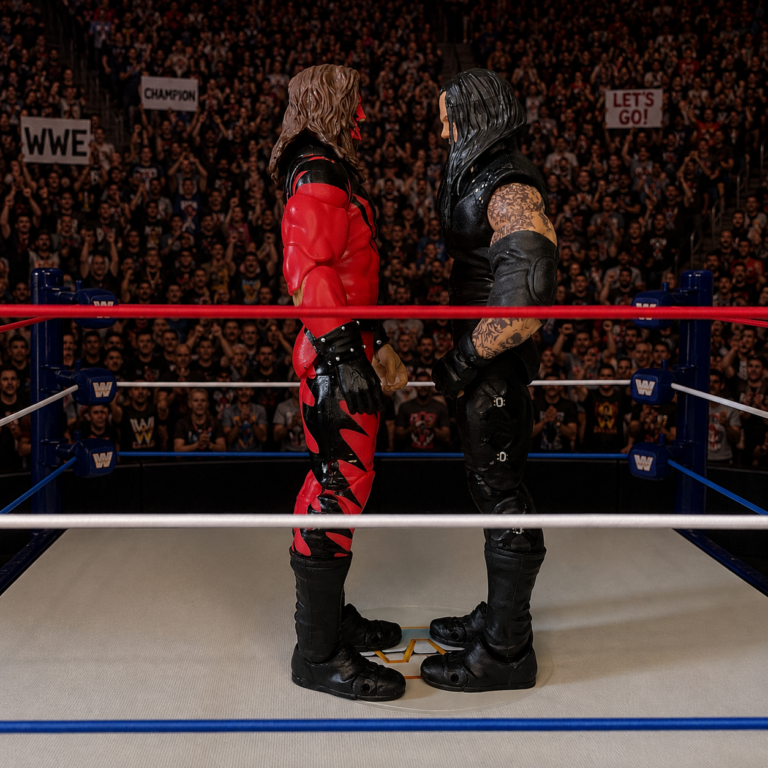
2010 Feud and Championship Matches
In 2010, with Kane as World Heavyweight Champion, they had a notable trilogy. Kane defeated The Undertaker in a No Holds Barred match at Night of Champions 2010, pinning him cleanly after a Tombstone Piledriver reversal (no weapons used in the finish). Kane won again at Hell in a Cell 2010 with assistance from Paul Bearer (who turned on The Undertaker by using the urn). Their final match, a Buried Alive match for the World Heavyweight Championship at Bragging Rights 2010, saw Kane retain with interference from the Nexus group.
These later wins occurred partly because The Undertaker was dealing with injuries, allowing Kane a stronger position in the storyline.
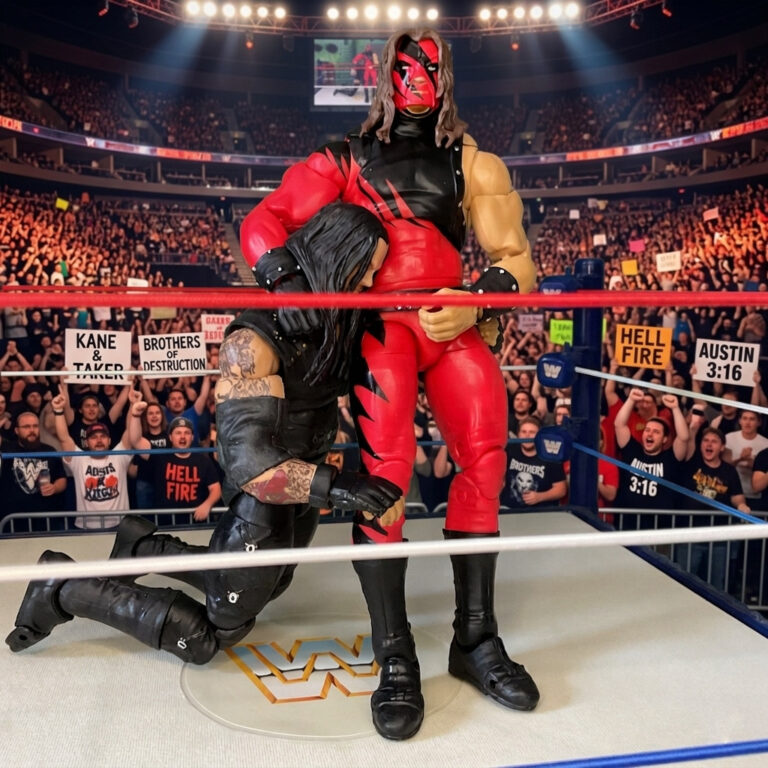
| Era / Feud | The Undertaker's Dominance | Kane's Protected Victories |
|---|---|---|
| The Attitude Era (1997-1998) | Defeated Kane decisively in their major landmark matches, including WrestleMania XIV (requiring three Tombstones) and the dangerous Inferno Match at Unforgiven. | Scored brief TV and contender wins on RAW, but major encounters routinely ended in chaotic double pinfalls, no-contests, or heavy interference to protect both monsters. |
| The Ruthless Aggression Era (2004) | The Undertaker completely resurrected his classic "Deadman" character at WrestleMania XX, dismantling a maskless Kane to solidify his legendary status. | Kane functioned primarily as the psychological catalyst for Undertaker's major return. Kane was soundly defeated to cement the legendary Deadman lore. |
| The World Title Trilogy (2010) | Undertaker worked through real-life physical injuries, playing a weakened, vulnerable legend chasing Kane's World Heavyweight Championship. | Kane swept the trilogy, securing a clean reversal win at Night of Champions, followed by heavy story assists from Paul Bearer and The Nexus to close the feud. |
Why Kane Did Not Score More Clean Victories
Official WWE booking positioned The Undertaker as the more dominant “Deadman” character throughout much of their history, especially in early high-profile matches like WrestleMania. Many encounters used stipulations (Inferno, Casket, Buried Alive, Hell in a Cell), interferences (Paul Bearer, Nexus, etc.), or no-contest finishes to advance broader storylines rather than deliver straightforward pins. Kane’s wins often aligned with championship contexts or when The Undertaker’s character was vulnerable (e.g., 2010 injury angles). Clean, uncontested singles victories for Kane were limited, preserving The Undertaker’s aura as a top-tier legend.
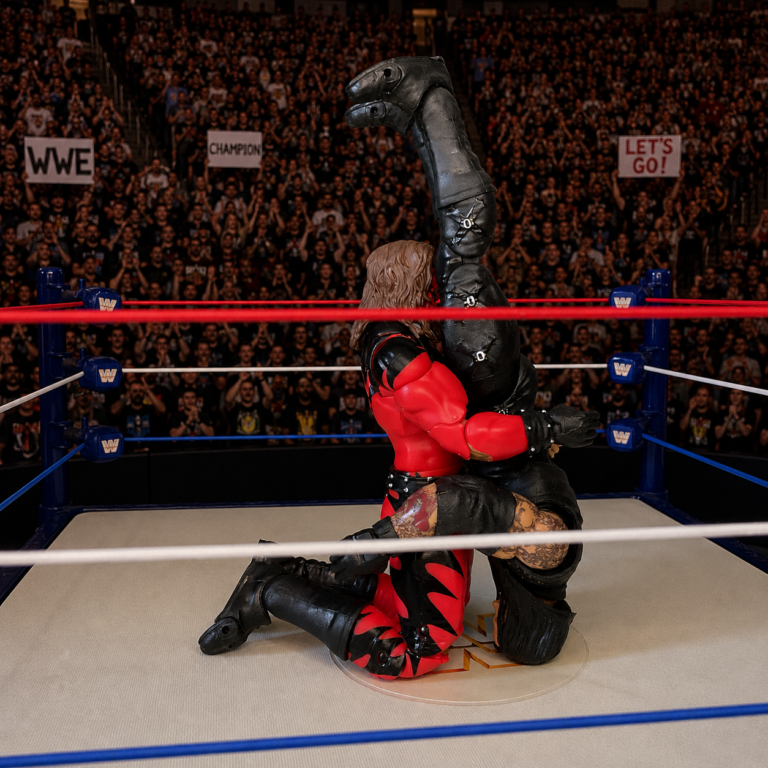
Why Kane Should Have Had More Clean Victories From an official career standpoint, Kane was a multi-time World Champion, consistent main-eventer, and monstrous force capable of credible victories. Granting him additional clean wins in non-title or mid-card contexts could have elevated his singles push without diminishing The Undertaker, especially given their real-life mutual respect and Kane’s longevity. His 2010 run demonstrated how effective a dominant Kane could be against his brother.
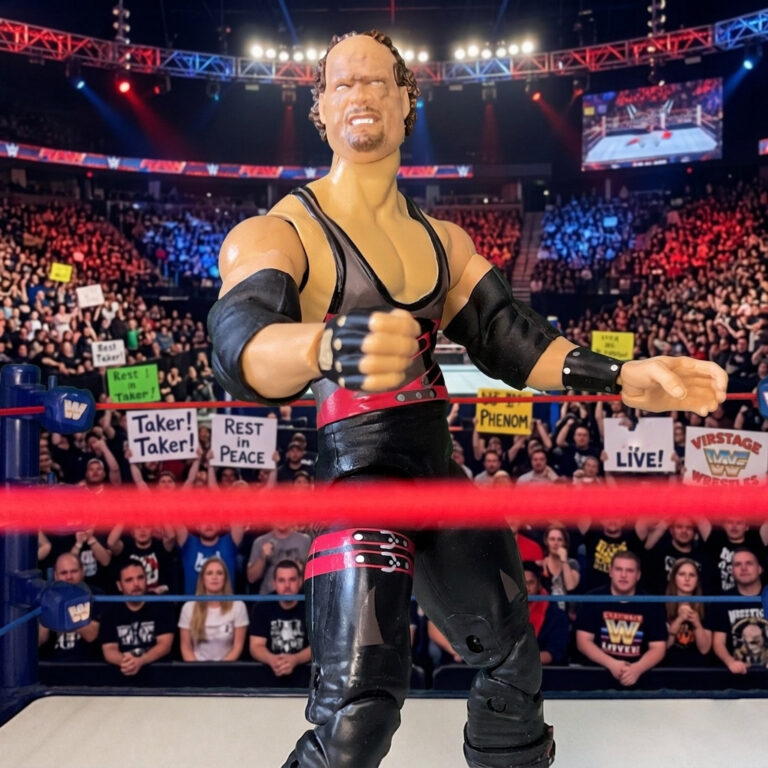
The Sibling Booking Myth
An anatomical look at why WWE protected the Deadman's aura over Kane's singles dominance
The Myth of Clean Wins
WWE management protected The Undertaker's iconic status by masking his losses. Even during Kane's most dominant championship runs, victories relied on heavy story shields like Paul Bearer's urn betrayal or Nexus invasions.
Gimmick Dependency
Because their lore was built entirely on supernatural theater, matches frequently utilized Inferno, Casket, and Buried Alive stipulations. This allowed creative writers to create dramatic finishes without direct pinfalls.
The Unselfish Workhorse
Glenn Jacobs was famously known backstage as wrestling's most unselfish team player. His constant willingness to put other stars over meant management rarely felt pressured to protect his win-loss record.
The Franchise Priority
Ultimately, The Undertaker was Vince McMahon's ultimate safety net and tentpole attraction. Whenever the locker room underwent massive generational shifts, protecting the Deadman's absolute dominance remained a top corporate priority.
Conclusion Kane and The Undertaker’s matches contributed significantly to WWE’s Attitude Era and later storylines, blending family drama with supernatural spectacle. While Kane secured several victories—including clean and stipulation-based ones—he did not accumulate as many uncontested pins as The Undertaker due to creative priorities protecting the latter’s legendary status. Their record reflects a balanced but Undertaker-leaning rivalry that enhanced both characters’ legacies as Brothers of Destruction.
Recommended reading: Diesel vs. Diesel: The Ultimate Action Figure Showdown




 English
  Deutsch
  Français
  Português do Brasil
  日本語
日本語  Español
  English (Australia)