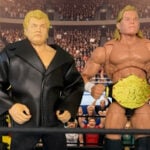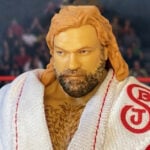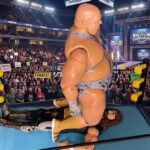

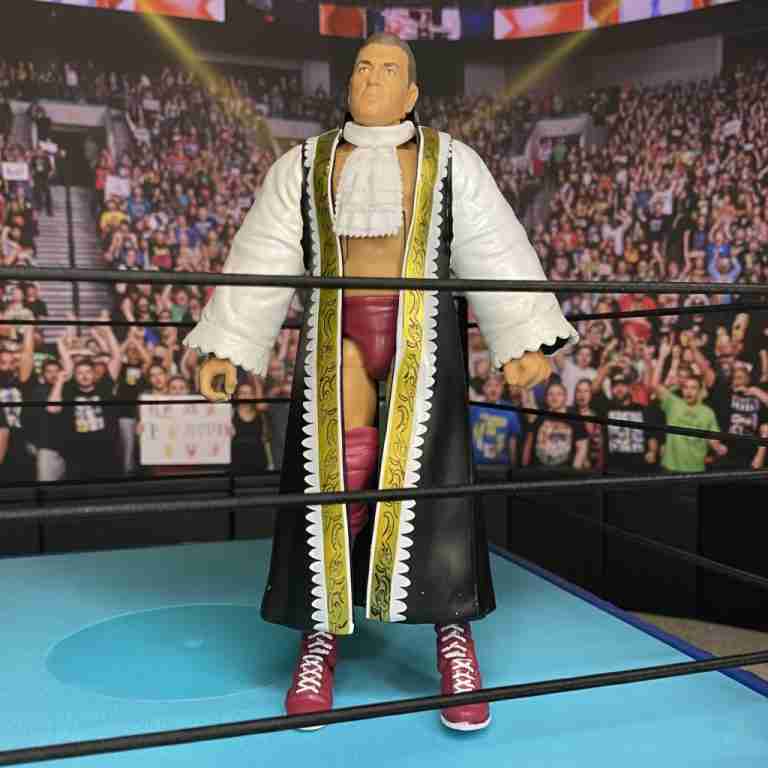
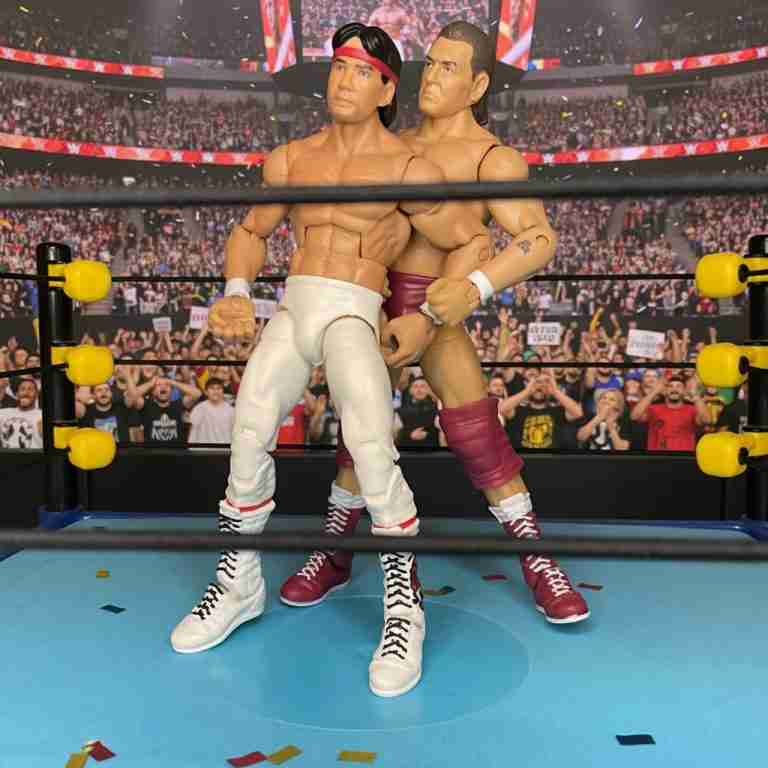
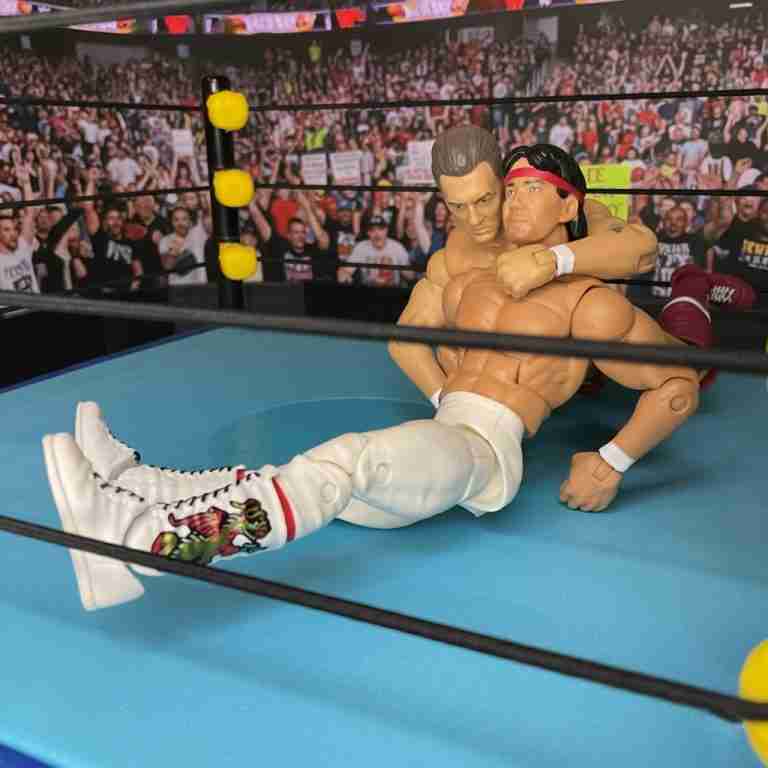
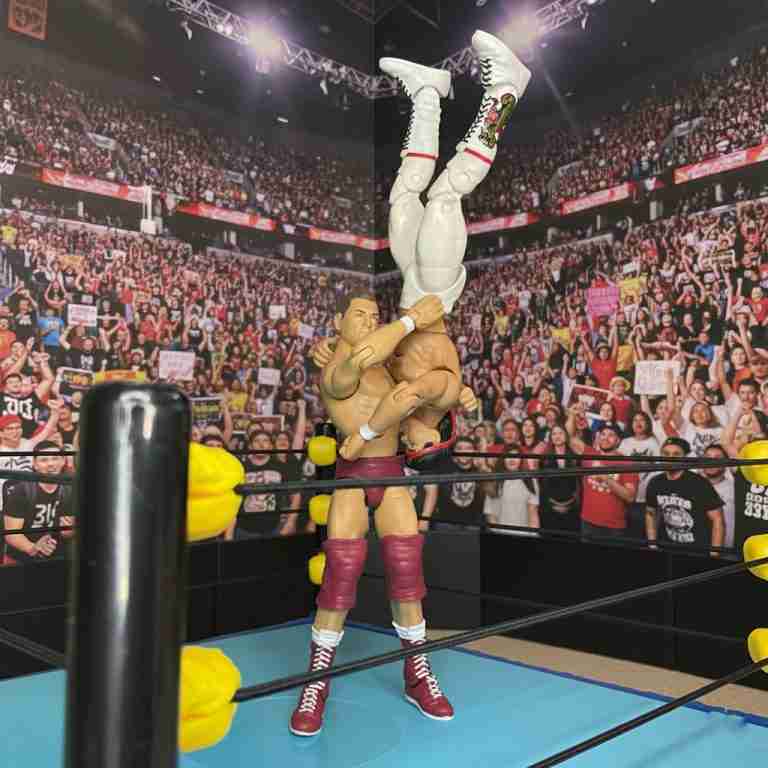
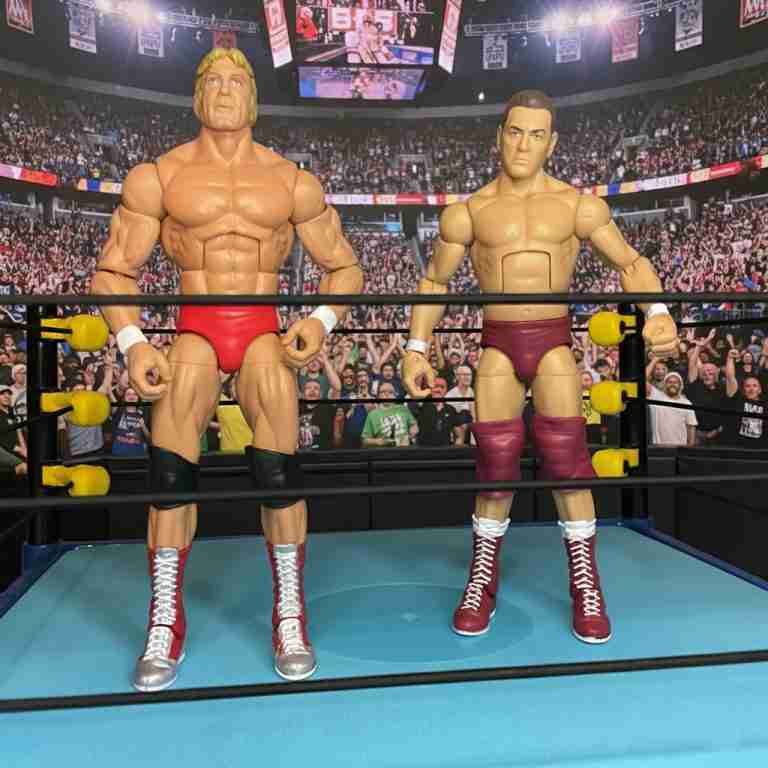
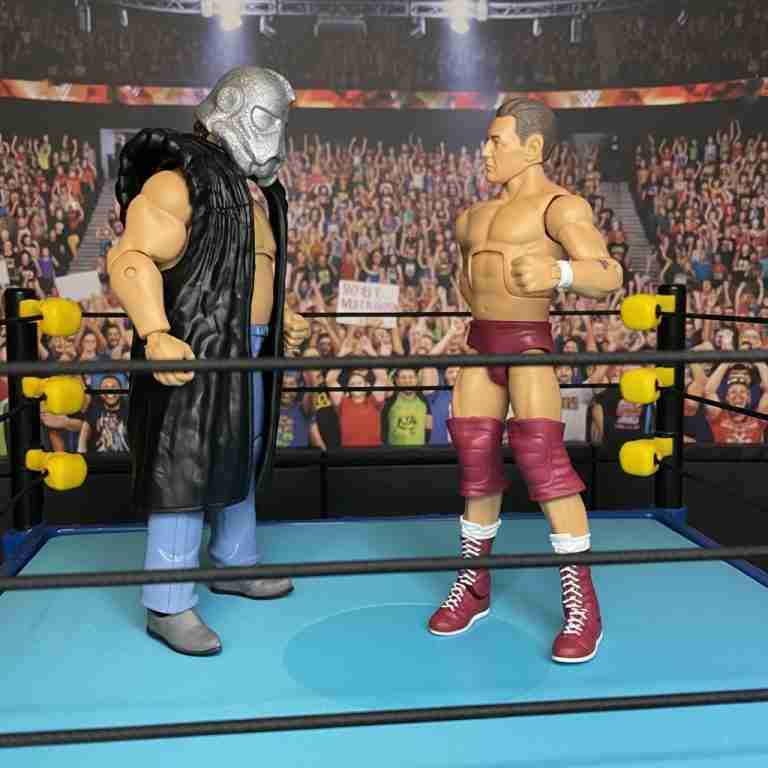
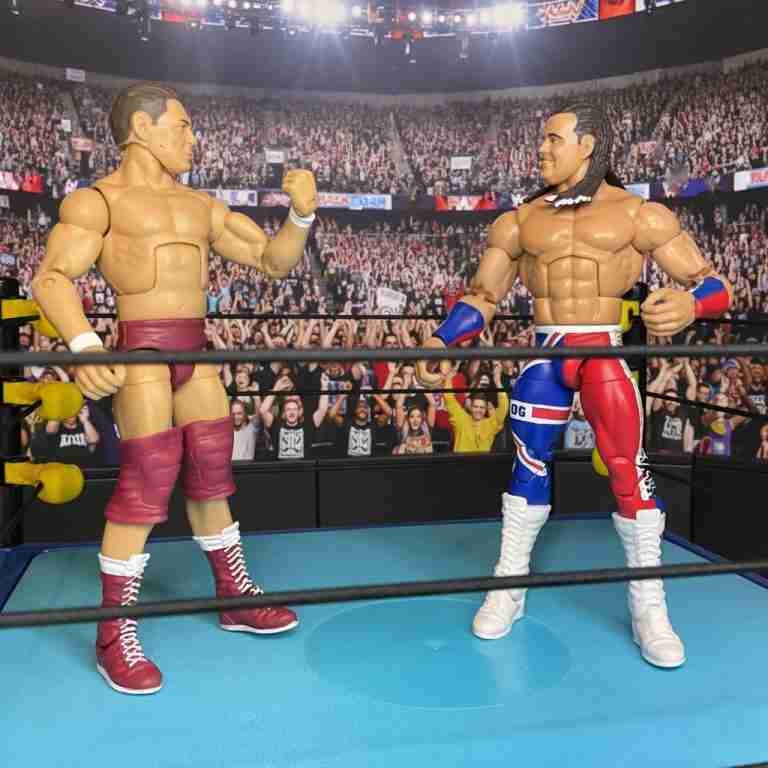
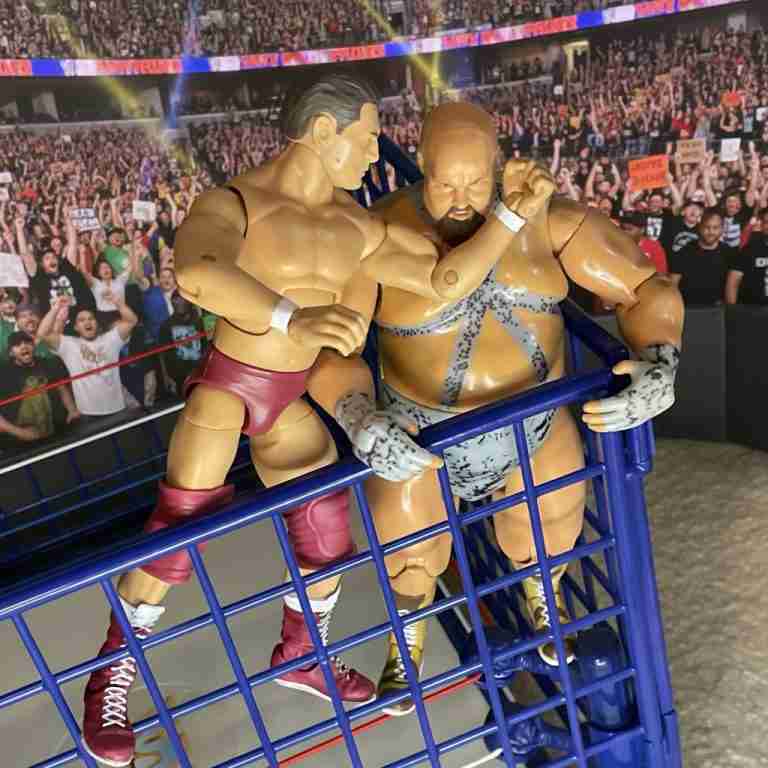
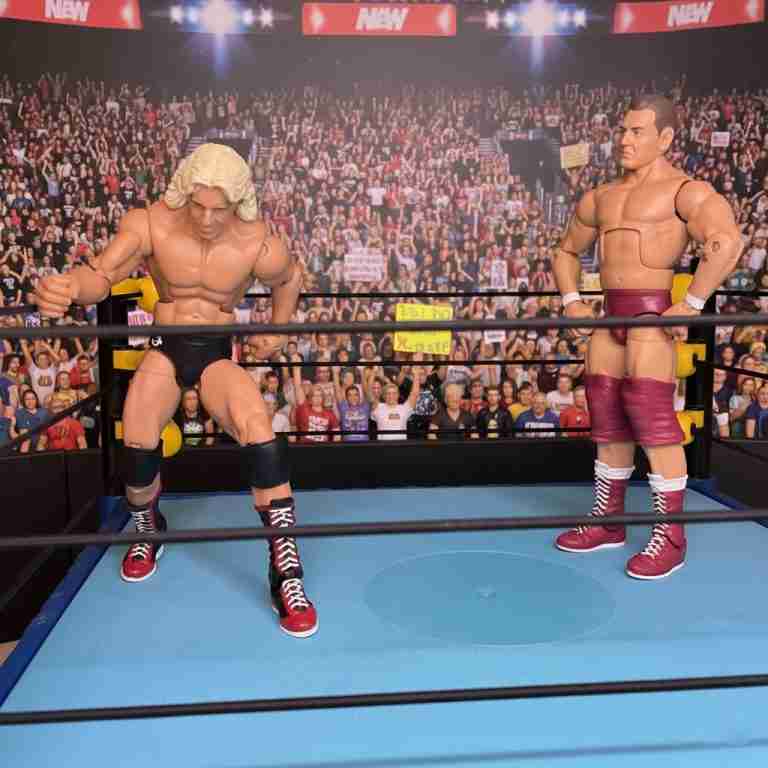
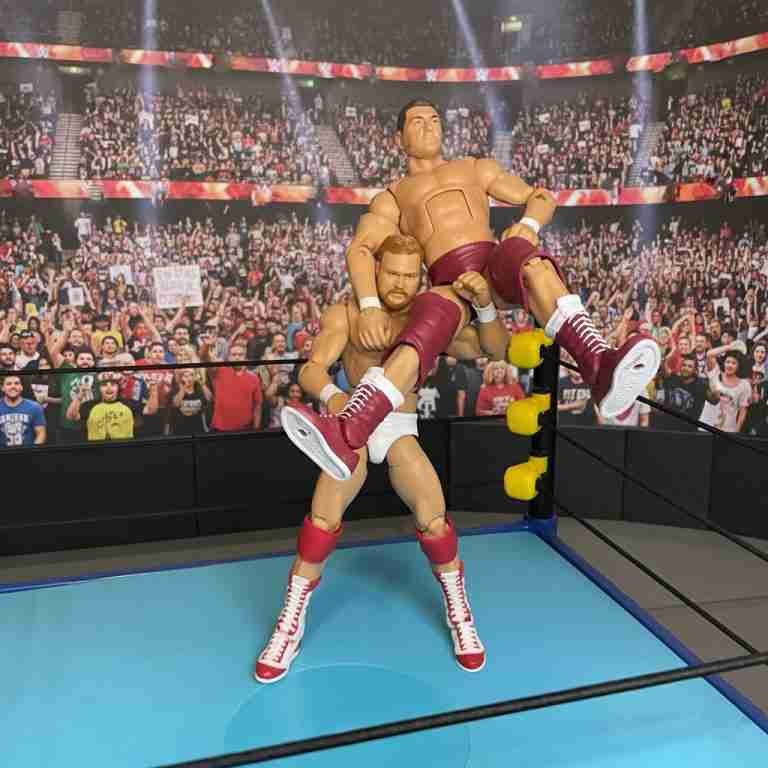
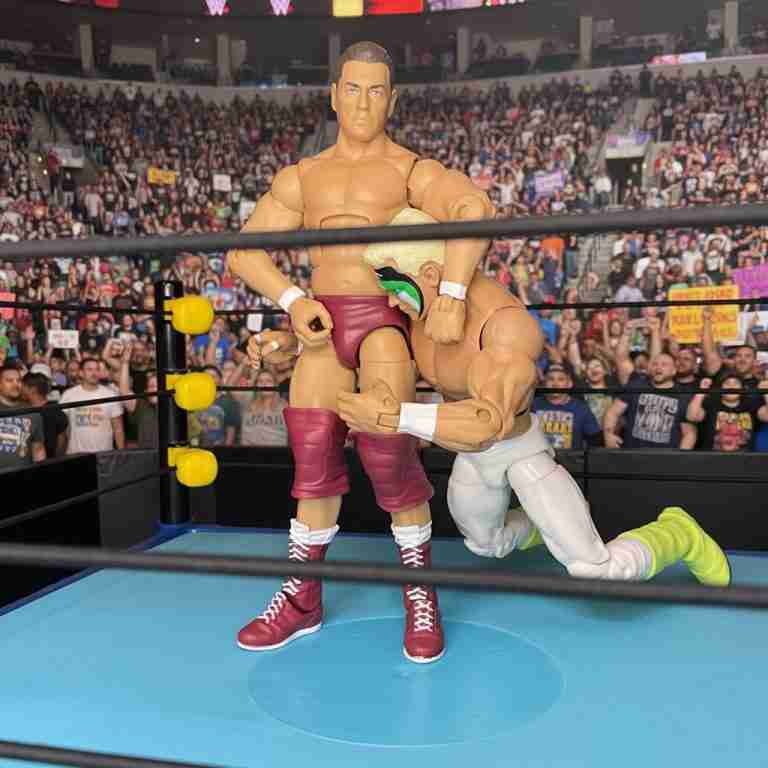
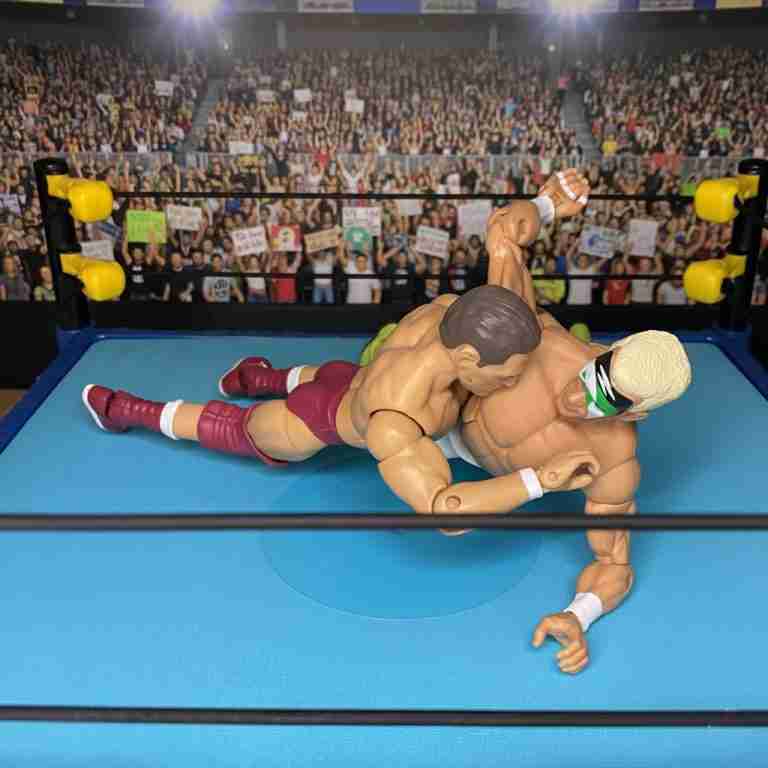
In the vibrant and chaotic world of professional wrestling during the 1990s, World Championship Wrestling (WCW) stood as a powerhouse promotion, rivaling the World Wrestling Federation (WWF) and showcasing a roster filled with larger-than-life characters, high-flying athletes, and technical virtuosos. Among these stood Lord Steven Regal, a wrestler whose real name is Darren Kenneth Matthews, hailing from Blackpool, England. Regal’s tenure in WCW, spanning from 1993 to 1998 with a brief return from 1999 to 2000, marked him as one of the promotion’s most distinctive mid-card performers. Portraying an arrogant British aristocrat, Regal brought a unique blend of sophisticated heel tactics, precise in-ring technique, and memorable promos to the screen. His career in WCW was defined by multiple reigns as the WCW World Television Champion, innovative tag team partnerships like the Blue Bloods, and intense feuds that highlighted his ability to draw heat from audiences.
This article delves into the factual details of Regal’s WCW journey, drawing from documented events, matches, and championships, to paint a picture of a wrestler who embodied technical excellence amid the era’s evolving storylines. From his debut amid WCW’s expansion efforts to his departures tied to personal and corporate shifts, Regal’s time in the promotion remains a testament to his enduring skill and character work.
Lord Steven Regal’s path to WCW began before his official signing, rooted in the promotion’s international outreach. In late 1991, WCW embarked on a tour of the United Kingdom, where Regal, then performing as Steve Regal, caught the eye of officials. He wrestled six matches during this tour, facing opponents such as Terrance Taylor, Jimmy Garvin, Giant Haystacks, and Oz (Kevin Nash). These bouts served as informal tryouts, showcasing Regal’s technical prowess honed from years in European circuits. Impressed by his performance, WCW executive Bill Watts extended a contract offer in the fall of 1992, which Regal accepted, marking his entry into American mainstream wrestling.
Regal officially debuted in WCW in early 1993 as a fan-favorite under the name Steve Regal. His first televised appearance came on the January 30, 1993, episode of WCW Saturday Night, though it was a non-televised in-ring match. The following week, on February 6, he secured his inaugural televised victory against enhancement talent Bob Cook. This period positioned Regal as a straightforward technical wrestler, emphasizing his shooter-style background with submissions and chain wrestling. He quickly entered the fray for the vacant WCW World Television Championship, advancing past The Barbarian in the tournament’s first round but falling to Johnny B. Badd in the quarterfinals.
A pivotal shift occurred on June 12, 1993, when Regal debuted his villainous persona as “Lord Steven Regal” on WCW Saturday Night. Managed by Sir William (Bill Dundee), this character drew from British aristocracy, claiming lineage from William the Conqueror and exuding disdain for American competitors. Regal’s promos became legendary for their wit and condescension, such as his quip about waking up earlier to “hate you more.” This heel turn amplified his heat-drawing ability, blending rule-breaking with elegant maneuvers. His first major win under this gimmick came at Clash of the Champions XXIII on June 16, defeating Marcus Alexander Bagwell. Further victories followed, including against Erik Watts at Beach Blast on July 18 and Johnny Gunn on July 10’s Saturday Night.
In August 1993, Regal substituted for an injured Brian Pillman at Clash of the Champions XXIV, teaming with Steve Austin to defend the WCW World Tag Team Championship against Arn Anderson and Paul Roma, though they lost. This exposure elevated Regal’s profile, setting the stage for his championship pursuits.
Regal’s breakthrough arrived on September 19, 1993, at the inaugural Fall Brawl pay-per-view, where he captured the WCW World Television Championship from Ricky Steamboat with Sir William’s interference. Unbeknownst to many, Regal suffered a broken neck during the match but persevered, highlighting his resilience. This first reign, lasting about two months, featured several high-profile defenses that underscored his technical dominance.
Key defenses included a 15-minute time-limit draw against Arn Anderson on October 9’s WCW Saturday Night, another draw with Davey Boy Smith at Halloween Havoc on October 24, a victory over Johnny B. Badd at Clash of the Champions XXV on November 10, and a draw with Ricky Steamboat at Starrcade on December 27.
Additional wins came against Mark Starr on November 27 and Paul Orndorff in tag action on December 11. Regal’s style—focusing on submissions like the Regal Stretch—contrasted with the high-flying trends, making his matches stand out.
Entering 1994, Regal continued his streak with defenses against Dustin Rhodes (draw at Clash of the Champions XXVI on January 27), Arn Anderson (victory at SuperBrawl IV on February 20), and Brian Pillman (draw at Spring Stampede on April 17). He also engaged in a best-of-five series with Ric Flair under Marquess of Queensberry Rules on WCW WorldWide, resulting in one win, two losses, and two draws for Regal. However, his reign ended on May 2, 1994, when Larry Zbyszko defeated him for the title following a non-title loss at Slamboree on May 7.
Undeterred, Regal reclaimed the championship on June 23 at Clash of the Champions XXVII, besting Zbyszko. His second reign saw defenses against Johnny B. Badd at Bash at the Beach on July 17 (after Sting’s injury forced a substitution) and various enhancement talents like Davey Rich and Mark Starr on Saturday Night episodes. A non-title loss to Antonio Inoki at Clash of the Champions XXVIII on August 28 added international flair. The reign concluded on September 18 at Fall Brawl, with Johnny B. Badd claiming the title.
During this time, Regal toured with WCW’s partner, New Japan Pro-Wrestling (NJPW), in October 1994, partnering with Mike Enos in the Super Grade Tag League tournament, further broadening his experience.
Following his title loss, Regal parted ways with Sir William due to a contract dispute. Seeking new alliances, he scouted Jean-Paul Levesque (later Triple H) in late 1994, forming a brief tag team. After Levesque’s departure, Regal approached Bobby Eaton on the March 18, 1995, episode of WCW Saturday Night, convincing him of his “English heritage” and renaming him “Earl Robert Eaton.” Thus, the Blue Bloods were born, debuting on April 8’s Saturday Night.
The team’s vignettes humorously depicted Regal teaching Eaton etiquette, enhancing their aristocratic heel dynamic. They secured wins against teams like Brad and Scott Armstrong on April 9’s Worldwide and The Fantastics on April 30. At Slamboree on May 21, they defeated Los Especialistas in under 90 seconds.
The Blue Bloods feuded with The Nasty Boys, clashing at The Great American Bash on June 18, where they failed to capture the WCW World Tag Team Championship. At Bash at the Beach on July 16, they lost a triangle match to Harlem Heat and The Nasty Boys. Additional challenges against Harlem Heat on November 4 and December 9 failed, but the team remained active, adding “Squire” Dave Taylor and valet Jeeves by late 1995.
In early 1996, the Blue Bloods challenged Sting and Lex Luger for the tag titles at Clash of the Champions XXXII on January 23 but lost. Regal’s singles pursuits included losses to Eddie Guerrero on Nitro episodes in January.
A new feud emerged with the Belfast Bruiser (Fit Finlay) on January 27’s Saturday Night, rooted in national animosity. Regal lost by disqualification at Uncensored on March 24 but won a Parking Lot Brawl on April 29’s Nitro, sending Finlay to the hospital storyline-wise.
At Slamboree on May 19, Regal and Taylor lost to Jim Duggan and VK Wallstreet in the Lethal Lottery. Regal challenged Sting at The Great American Bash on June 16, losing cleanly. These events showcased Regal’s versatility, balancing tag work with singles feuds.
Regal’s third Television Championship reign began on August 31, 1996, upsetting Lex Luger on Saturday Night after Outsiders’ interference. Lasting five months, it included defenses against Hacksaw Jim Duggan, Dean Malenko, Bobby Eaton, and Psychosis. He dropped the title to Prince Iaukea on February 16, 1997’s Nitro due to Rey Mysterio Jr.’s distraction. Regal cost Mysterio a title shot at SuperBrawl VII on February 22 and lost a rematch to Iaukea at Spring Stampede on April 6.
On April 7’s Nitro, Regal attacked Iaukea, leading to Último Dragón winning the title. Regal reclaimed it for a fourth time at Slamboree on May 18, defeating Dragón, but lost it back on August 12’s Nitro. He challenged Alex Wright unsuccessfully on September 15.
In fall 1997, Regal reformed the Blue Bloods with Dave Taylor, challenging the Steiner Brothers at World War 3 on November 23 but losing. Regal participated in the 60-man battle royal that night.
His final match in this run was on February 9, 1998’s Nitro, losing to Bill Goldberg in a stiff encounter that led to controversy and his firing by Eric Bischoff.
After addressing addiction issues, Regal returned to WCW in July 1999. At Bash at the Beach on July 11, he entered the Hardcore Invitational. On the next Nitro, with Finlay and Taylor, he lost to Billy Kidman. Further losses included to Mikey Whipwreck and at Road Wild on August 14 for the Hardcore Trophy.
In late February 2000, Regal lost a Career vs. Career match to Jim Duggan for the Television Championship on Saturday Night, leading to his release amid WCW’s turmoil.
Lord Steven Regal’s WCW career, encompassing over seven years, solidified his legacy as a technical master and compelling heel. From his aristocratic debut in 1993 to four Television Championship reigns totaling numerous defenses, partnerships in the Blue Bloods, and feuds with icons like Sting, Ric Flair, and Fit Finlay, Regal contributed significantly to WCW’s mid-card depth during its boom period. His precise wrestling style, witty promos, and ability to elevate opponents left an indelible mark, even as personal challenges and corporate changes marked his exits. Though WCW folded in 2001, Regal’s tenure remains a factual highlight of the era, influencing future generations of wrestlers who value character and in-ring authenticity. His journey from Blackpool to WCW’s stages exemplifies the global appeal of professional wrestling, where skill and persona can create timeless moments.
 English English
  Deutsch
  Français
  Português do Brasil
  日本語
日本語  Español
  English (Australia) English English Deutsch
Français
Português do Brasil
日本語
Español
English (Australia)
English (Australia) English English Deutsch
Français
Português do Brasil
日本語
Español
English (Australia)
We use cookies to improve your experience on our site. By using our site, you consent to cookies.
Manage your cookie preferences below:
Essential cookies enable basic functions and are necessary for the proper function of the website.
Statistics cookies collect information anonymously. This information helps us understand how visitors use our website.
Google Analytics is a powerful tool that tracks and analyzes website traffic for informed marketing decisions.
Service URL: policies.google.com (opens in a new window)