

Goblins Mythology: History from Folklore to D&D
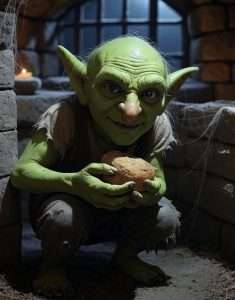
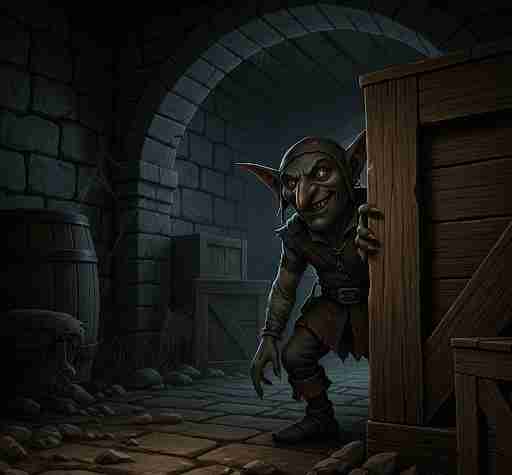
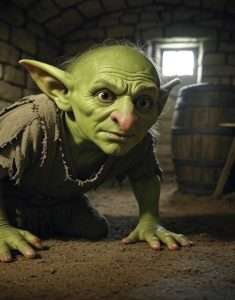
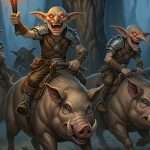
Goblins, those diminutive, grotesque, and often malevolent creatures, have captivated human imagination for centuries. Typically depicted as small humanoids with green skin, pointed ears, and a penchant for mischief or outright malice, goblins straddle the line between fairy-tale nuisance and terrifying monster.
Their characteristics vary widely: some are playful tricksters who haunt households, while others are bloodthirsty thieves lurking in caves. This article delves into the complete history of goblins, tracing their roots in ancient folklore, their evolution through literature and mythology, and their pervasive influence in modern pop culture, including seminal works like J.R.R. Tolkien’s writings and role-playing games such as Dungeons & Dragons (D&D). Sparing no details, we’ll explore variations across cultures, key depictions, and how these beings have adapted to contemporary media.
Etymology and Origins
The word “goblin” first appeared in English in the 14th century, derived from the unattested Anglo-Norman *gobelin, akin to the Old French gobelin (attested around 1195) and Medieval Latin gobelinus (before 1141), which referred to a devil or daemon haunting the Évreux region of Normandy.

Etymologists link it to the German kobold, a similar mischievous spirit, and possibly to the Greek κόβαλος (kobalos), meaning “rogue,” “knave,” “imp,” or “goblin”—a term for a trickster in ancient myths. Another theory ties it to the Germanic root kov-, evoking “hollow in the earth,” suggesting underground dwellers, or even to French names like Gobel, meaning “somebody who sells tumblers or beakers.” The Welsh coblyn, a mine-dwelling knocker, borrows from English goblin via Old French. Alternative spellings include gobblin, gobeline, gobling, goblyn, goblino, and gobbelin, with “goblette” occasionally used for females.
Goblins likely originated as a broad category in European folklore during the Middle Ages, serving as a catch-all for evil or mischievous spirits. They were not strictly defined but drew from pre-Christian pagan beliefs in nature spirits, demons, and household guardians that could turn vengeful. Some scholars suggest antisemitic undertones in medieval depictions, where goblins were portrayed as small, thieving, beast-like shapeshifters, mirroring stereotypes in European lore. Their origins blend Germanic and British fairy traditions, where they were seen as the malicious counterparts to benevolent faeries.
Goblins in European Folklore
In Western folklore, goblins are wandering sprites—mischievous bogeymen that live in grottoes, cracks, or households, delighting in pranks or malice. English, Scottish, Welsh, and Irish tales use “goblin” as a blanket term for wicked spirits, ranging from household helpers to bestial thieves with magical abilities like shapeshifting.
They possess varying temperaments: some are grotesque and small, others larger and more humanoid.
• Normandy and France: The gobelin was a 12th-century wicked creature. In Brittany, korrigans—small beings tied to ancient megalithic sites—search for treasures, play jokes, and range from benevolent to malevolent, sometimes stealing children or leading travelers astray.
• Anglo-Scottish Borders: The redcap is a cruel goblin who dyes his hat in human blood, inhabiting ruined castles and murdering travelers.
• England and Scotland: Hobgoblins are friendly tricksters and domestic helpers, rewarded with food but prone to pranks if offended. Shakespeare popularized them in A Midsummer Night’s Dream with Puck, a hobgoblin who boasts of his shape-changing antics.
• Germany: The Erlking (King of the Alders) is a malicious spirit who harms children, immortalized in Goethe’s poem. Kobolds, goblin-like mine and house spirits, perform chores but turn vengeful if insulted; they’re linked to the mineral cobalt, named after their deceptive tricks on miners.
• Spain and Portugal: Trasgus are evil, limping spirits causing household chaos but occasionally completing tasks if not mocked.

• Scandinavia: Dark elves (svartálfar) and small trolls resemble goblins, magical beings associated with underground realms.
• Netherlands: Folktales like “The Goblins Turned to Stone” depict them as fearsome kidnappers turned to rock by clever humans.
Folklore often blurs goblins with fairies, demons, or elves, with no strict consensus on their nature—some academics note they were household fairies that became domesticated spirits over time. They could be invisible, cause diseases, or guard treasures, embodying human fears of the unknown.
Goblins in World Mythologies: Variations Across Cultures
While goblins are primarily European, similar creatures appear globally, often as small, trickster spirits tied to nature or the supernatural.
• Native American (Wampanoag): Pukwudgies are short, gray-skinned beings with large ears and noses, capable of shapeshifting, invisibility, and fire manipulation; they’re mischievous but can turn deadly if provoked.
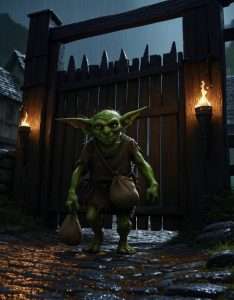
• Andean (Quechuan): Muki are cave-dwelling goblins who mine for treasures and lure humans underground.
• South Korea: Dokkaebi are horned, club-wielding spirits who reward the good and punish the evil, sometimes playful wrestlers or treasure guardians.
• Bangladesh (Santal): Gudrobonga are goblin-like tricksters in tribal lore.
• India (Kerala): Kuttichathan are mischievous or evil goblins invoked in rituals.
• South Africa: Tokoloshe are dwarf-like water sprites created by shamans for harm, invisible to adults but visible to children; they’re squat, hairy, and zombie-like.
• Islamic Lore: Sometimes conflated with jinn, especially ifrit (fiery demons) or ghilan (graveyard ghouls).
• Laos: A variant traces to Indian myths, depicting goblins as seasonal tree-sawers.
• Zimbabwe and Ancient Egypt: Goblin-like beings appear in African and even pharaonic legends as household pests or demons.
These variations highlight goblins as archetypes for chaos, often adapting to local environments—forests, mines, or homes—reflecting universal human anxieties about hidden dangers.
Medieval and Renaissance Depictions
During the Middle Ages, goblins featured in moral tales and bestiaries as demons or fae opposites, symbolizing sin or pagan remnants. In Renaissance literature, they appeared in works like Edmund Spenser’s The Faerie Queene as allegorical villains. Art depicted them as grotesque imps in illuminated manuscripts or Bosch-like hellscapes. Folktales warned children of goblins as bogeymen, blending with witch hunts and fairy beliefs.

Goblins in Literature
Early modern literature solidified goblins as fantasy staples. In George MacDonald’s 1872 novel The Princess and the Goblin, they’re underground-dwelling, animalistic foes plotting against humans, illustrated as soft-footed and grotesque— influencing later authors like C.S. Lewis and Tolkien.
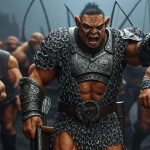
J.R.R. Tolkien revolutionized goblins in The Hobbit (1937), portraying them as evil, cave-dwelling humanoids in the Misty Mountains—cruel, wicked, and inventive with machines and songs like “Clap! Snap! The black crack!” In The Lord of the Rings (1954-1955), he prefers “orc” (from Old English for “demon”), but notes goblins are synonymous, possibly smaller or a Hobbit-term for orcs. Differences? Orcs are man-sized, corrupted elves bred by Morgoth; goblins might be lesser orcs or tunnel-adapted variants. Subtypes include Uruk-hai (larger, sunlight-tolerant), Snaga (slaves), and Goblin-men (half-orcs). Tolkien drew from folklore but made them industrialized evils, contrasting nature-loving races.
Post-Tolkien, goblins proliferated: In Terry Pratchett’s Discworld, they’re initially despised subterraneans but later mechanical geniuses. J.K. Rowling’s Harry Potter series reimagines them as intelligent bankers and metalworkers, rebelling against wizards. Other works include Katherine Addison’s The Goblin Emperor, exploring goblin politics.
Goblins in Dungeons & Dragons
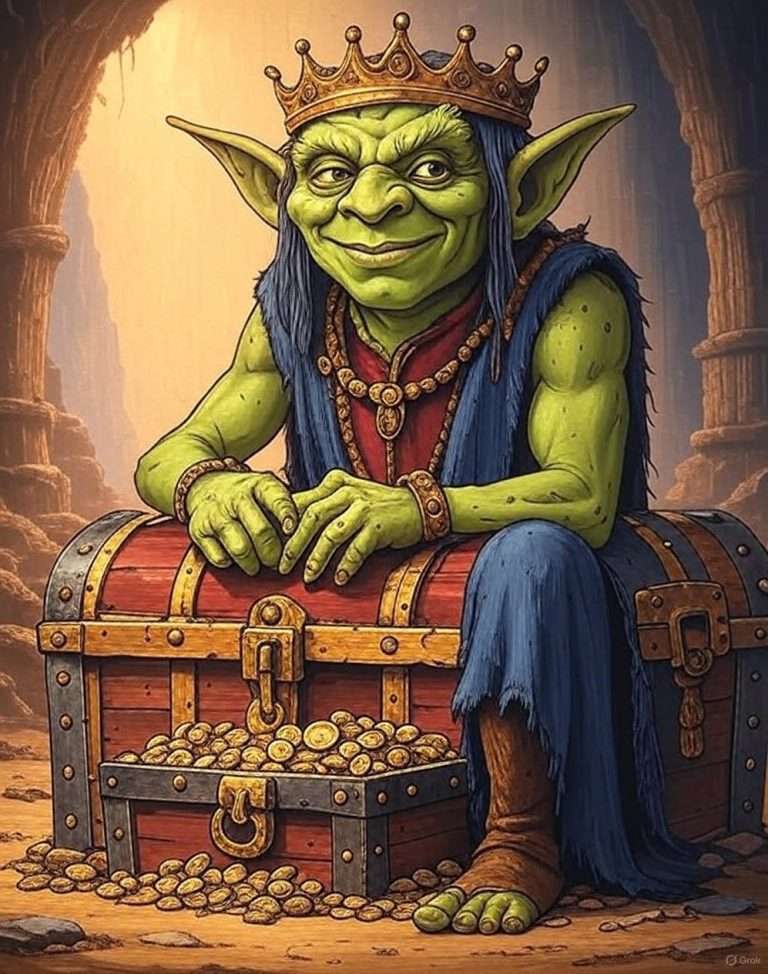
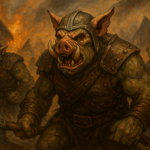
D&D, inspired by Tolkien, introduced goblins in its 1974 “white box” set as low-level, tribal humanoids—weak but numerous foes for beginner adventurers. They evolved into “goblinoids,” a family including goblins (small, sneaky), hobgoblins (militaristic, larger), and bugbears (brutish giants). In early editions, goblins were chaotic evil, cave-dwellers raiding in packs, led by the strongest.
• Editions Evolution: In AD&D (1977-1989), they gained lore as barbaric, with tribes worshiping Maglubiyet, a conquering god. 3rd Edition (2000) added playable goblins and regional variants. 4th Edition (2008) emphasized their cowardice and traps. 5th Edition (2014) deepens tragedy: Created as warriors by Maglubiyet in the Feywild, goblinoids were conquered and cursed, leading to hierarchical societies where goblins are oppressed underlings. They’re small, dexterous, with abilities like Nimble Escape.
• Settings: In Forgotten Realms, goblins are tribal survivors in harsh lands, often slavers or mercenaries. Baldur’s Gate 3 (2023) portrays them sympathetically, with playable options. Modern D&D shifts from inherent evil to cultural nuance, allowing good-aligned goblins.
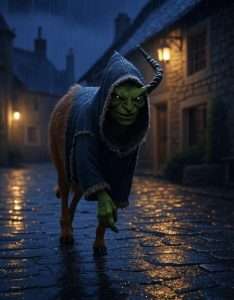
D&D popularized goblins as cannon fodder, but recent editions add depth, like their fear-driven societies and potential for heroism.
Goblins in Pop Culture: Movies, Games, and Beyond
Tolkien’s influence permeates post-1950s media, but goblins have diversified.
• Movies and TV: In Peter Jackson’s The Hobbit trilogy (2012-2014), goblins are grotesque, toad-like under the Great Goblin (voiced by Barry Humphries), with industrialized kingdoms. Harry Potter films show goblins as shrewd Gringotts bankers. Rankin/Bass’ 1977 animated The Hobbit depicts them as horned, clawed beasts. Spider-Man’s Green Goblin (Norman Osborn) is a super-villain with glider and bombs, debuting in comics (1964) and films like Spider-Man (2002) and No Way Home (2021). Other variants: Hobgoblin, Grey Goblin. Early Smurfs translations called them goblins.
• Games: In The Elder Scrolls, goblins are hostile, cave-dwelling beast-folk from Summerset Isle. World of Warcraft reimagines them as tech-savvy, explosive-loving merchants. D&D-inspired games like Baldur’s Gate feature goblin raids. In Goosebumps: Goblin Monday, they’re green-furred horrors.
• Other Media: McDonald’s Fry Guys were once “Gobblins.” In comics and litrpg novels, goblins reference pop culture, like in series with fantasy-world crossovers. Memes and fan art often portray them as cute or chaotic neutrals.
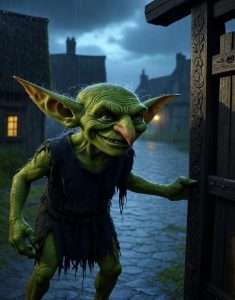
Modern goblins range from villains to anti-heroes, reflecting shifts toward empathy in fantasy.
Conclusion
From rogue spirits in ancient Greek myths to tech-wielding misfits in video games, goblins embody humanity’s fascination with the “other”—mischief-makers who mirror our flaws and fears. Tolkien and D&D cemented their monstrous image, but folklore’s nuanced tricksters persist, evolving in a multicultural world. Whether stealing socks or battling heroes, goblins remain timeless, proving that even the smallest creatures can cast long shadows in our collective imagination.
 English
  Deutsch
  Français
  Português do Brasil
  日本語
日本語  Español
  English (Australia)