

Soul of Chogokin GX-88 Vehicle Voltron Review: Epic Build!
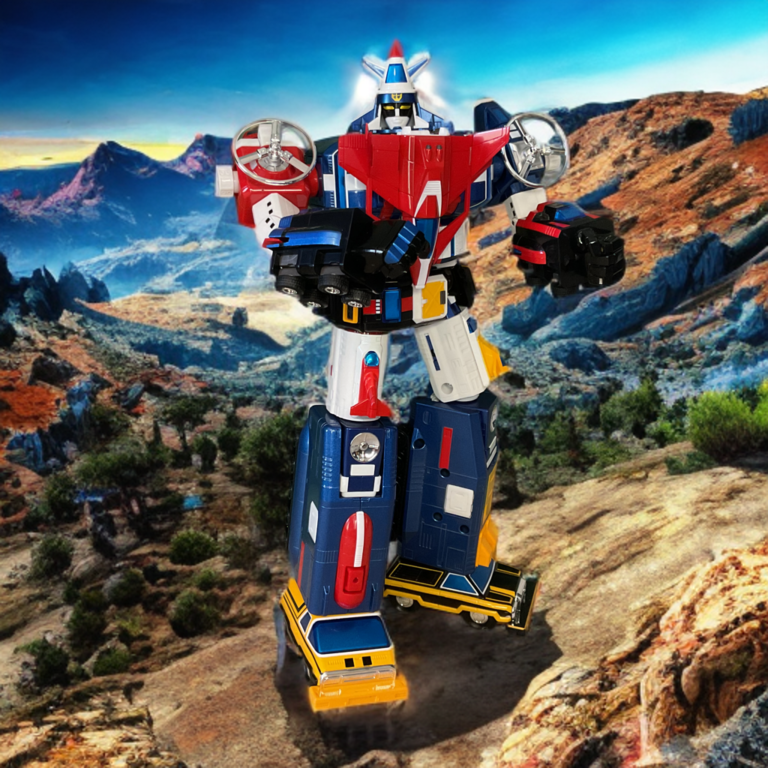
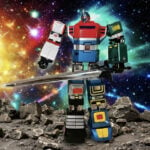
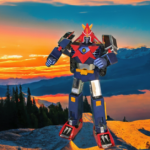
Picture this: a box arrives at your door, hefty enough to make you think you’ve accidentally ordered a small asteroid. You crack it open, and there it is—the Soul of Chogokin GX-88 Dairugger XV, better known to many as Vehicle Voltron. This isn’t just a toy; it’s a portal back to the days when robots were built from vehicles, not apps, and defending the universe meant smashing together in the most satisfying way possible. Bandai’s premium line has done it again, capturing the essence of this 1980s icon in diecast and plastic perfection. Standing tall at about 11.4 inches when fully assembled, this figure promises hours of transformation tinkering, display dominance, and nostalgic glee. Whether you’re a longtime collector or someone who just stumbled upon the Voltron hype, prepare for a deep dive into what makes this release a standout in the world of mecha memorabilia. We’ll break it down piece by piece—literally—exploring its design, functionality, and the rich history that inspired it all.
Unboxing the Beast: First Impressions
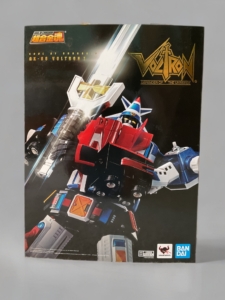
Let’s start with the moment of truth: unboxing. The packaging for the GX-88 is a work of art in itself, featuring vibrant artwork that harkens back to the original series’ boxy, bold aesthetic. It’s not just a cardboard container; it’s a shrine to robotic engineering, complete with a stylish outer slipcover that showcases Dairugger XV in all its glory, ready to defend the universe. The box design draws heavily from the classic 1980s vibe, with bold colors and dramatic poses that immediately transport you back to Saturday morning cartoons.
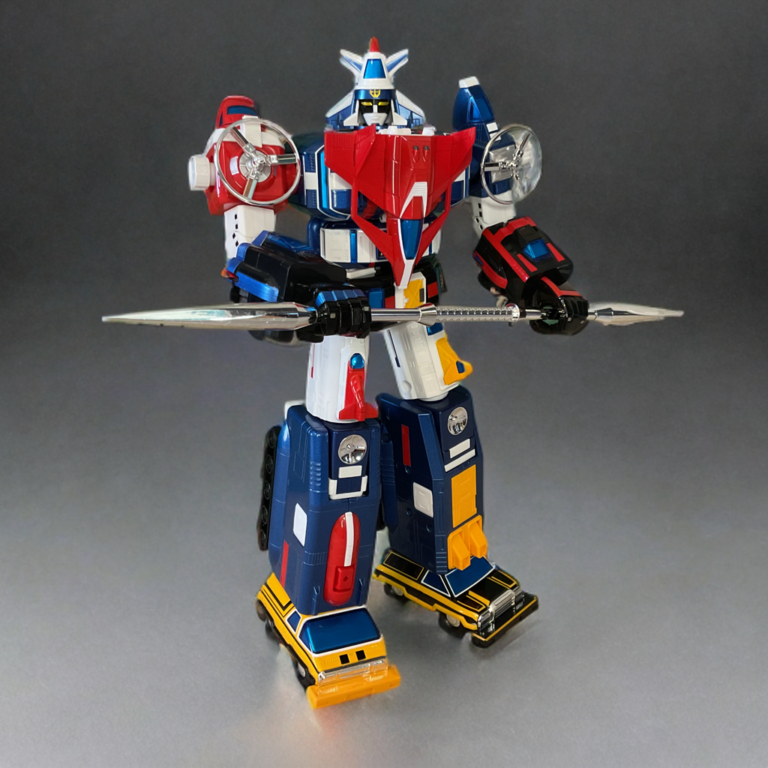
Slide out the tray, and instead of finding a pre-assembled giant robot staring back at you, you’re greeted by the thrill of discovery: all 15 individual vehicles that make up Dairugger XV (also known as Vehicle Voltron), each carefully nestled in their own secure compartments within foam inserts. These aren’t just tossed in haphazardly—they’re organized thoughtfully, likely grouped by their respective teams: the Air Team (five aerial vehicles forming the upper body), the Sea Team (five nautical vehicles for the torso and arms), and the Ground Team (five land vehicles for the legs and feet). This setup emphasizes the figure’s core appeal as a combiner toy, inviting you right from the start to dive into the assembly process. No pre-combined form here; everything arrives disassembled, giving you the full hands-on experience of building your own defender of the galaxy. It’s a deliberate choice by Bandai that heightens the excitement, turning unboxing into an interactive prelude to play.
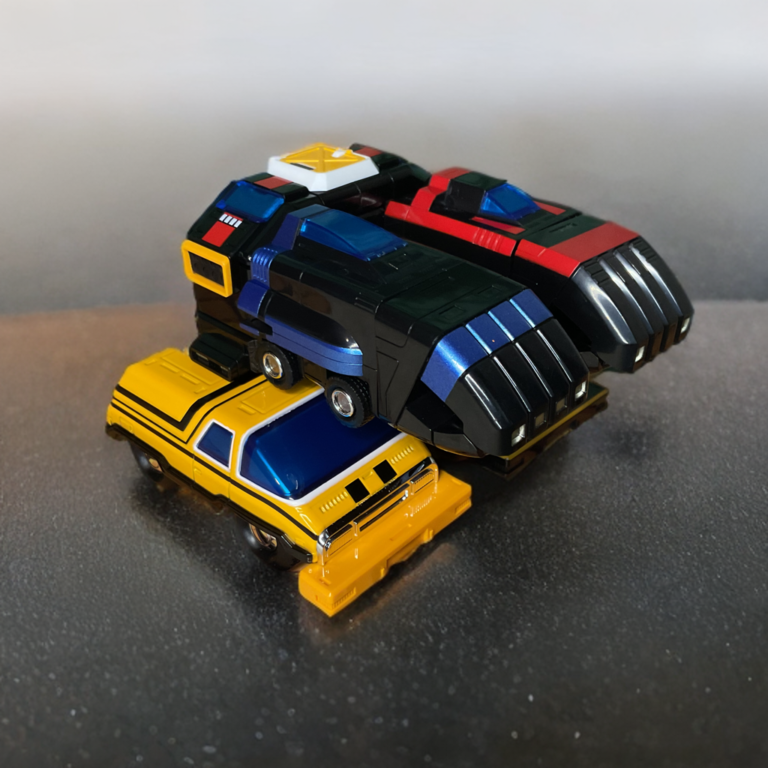
The figure feels substantial right away—the weight from the diecast parts in each vehicle gives them that premium heft, like holding pieces of actual machinery rather than flimsy playthings. Pick up one of the Air Team jets or a Ground Team tank, and you’ll notice the solid metal construction that adds realism and durability. The colors pop immediately: deep blues on the sea vehicles, fiery reds on the air fighters, crisp whites across the fleet, and accents of yellow and black that scream retro sci-fi. No faded hues here; Bandai has nailed the paint application with glossy finishes that catch the light just right, making each piece look fresh off the animation cel. Tiny details like cockpit windows, rolling wheels, and articulated parts on the vehicles hint at their dual functionality—perfect as standalone toys or as components in the grand combination.
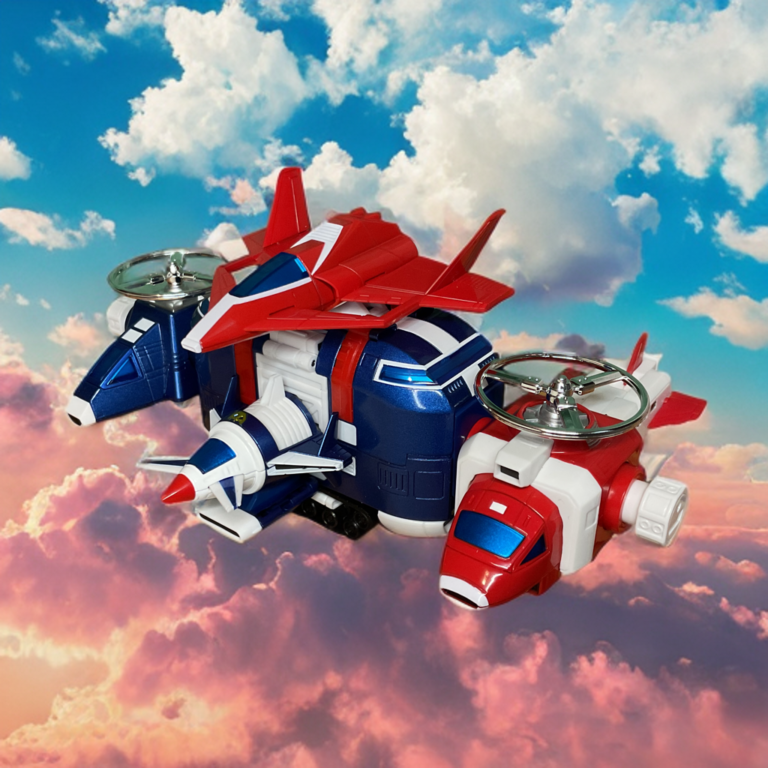
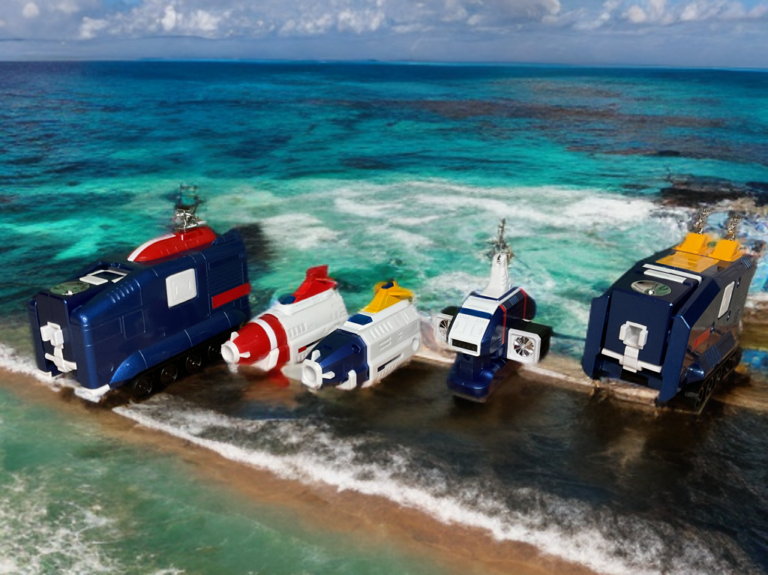
Speaking of assembly, this is where the GX-88 truly shines and sets itself apart. Since all parts come separate, you’re in for a rewarding build that’s far more intuitive and enjoyable than you might expect from such a complex figure. The process starts with forming the three sub-teams: the Air Team clicks together with satisfying snaps to create the head and upper torso, the Sea Team pegs seamlessly for the midsection and arms, and the Ground Team locks in solidly for the legs. From there, combining them into the full Dairugger XV is a breeze—simple pushes, tabs, and joints align without frustration or excessive force, resulting in a stable, poseable robot that feels rock-solid once complete. It’s not overly complicated, but it demands a bit of patience and dexterity, making it ideal for collectors who appreciate the engineering behind these mecha masterpieces. If you’ve ever struggled with finicky combiners from other lines, this one will pleasantly surprise you with its smooth design.
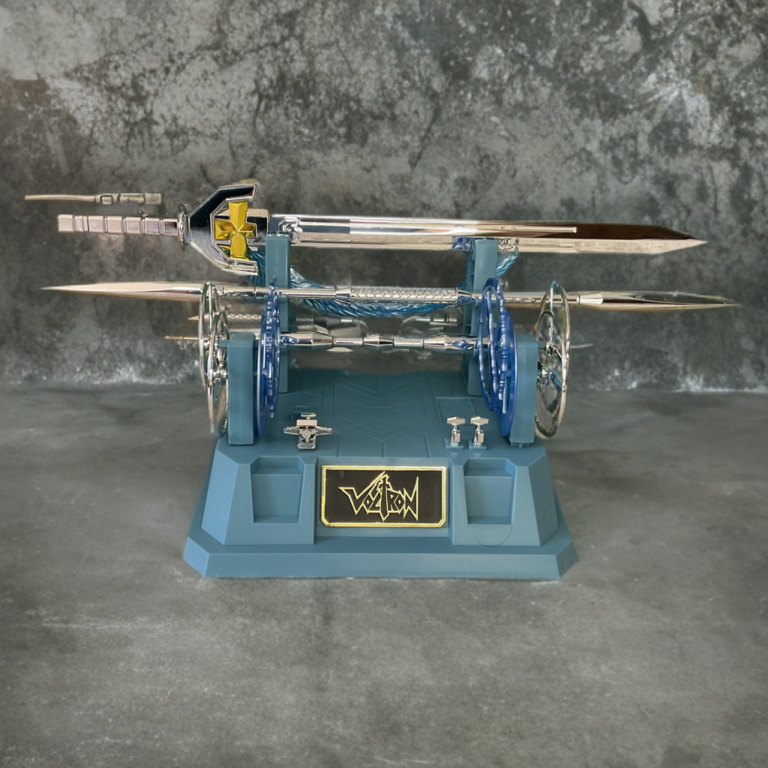
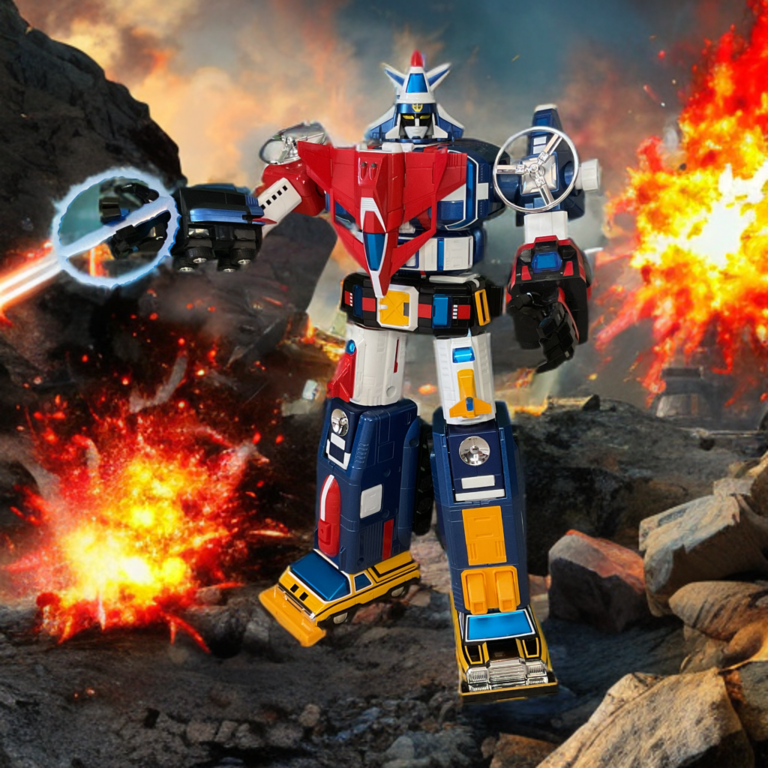
Included accessories elevate the experience further. You’ll find four pairs of interchangeable hands—open palms for dramatic gestures, closed fists for punching poses, and gripping options that let you imagine Dairugger wielding whatever imaginary weapon your inner child conjures, like the iconic sword (which might come as a separate chromed piece). There’s also a display stand with optional parts for dynamic posing, though many collectors opt to keep it in the box if space is tight. Chromed accents can be added to the vehicles for extra detail in individual mode and easily removed for the combined form. Everything is securely placed in the packaging—no loose parts rattling around, no wrestling with excessive bubble wrap or ties. It’s all foam-protected and tray-organized, making the unboxing feel like unveiling a treasure trove of robotic potential.
The Fleet Assembles: Detailing the 15 Vehicles
What sets the GX-88 apart from your average robot figure is its core concept: 15 individual vehicles that form the ultimate defender. Let’s break them down team by team, because each one deserves its spotlight.
Air Team
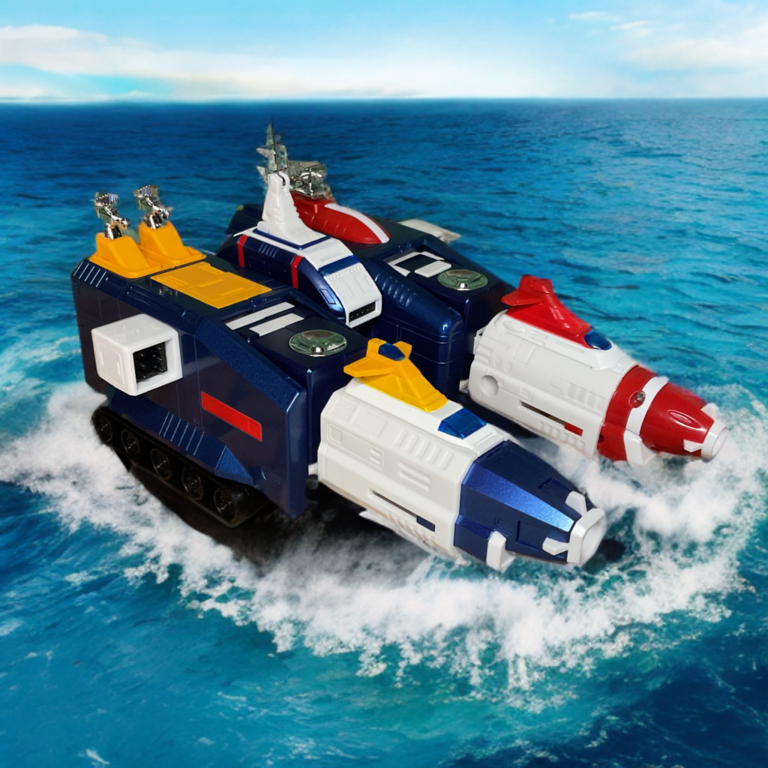
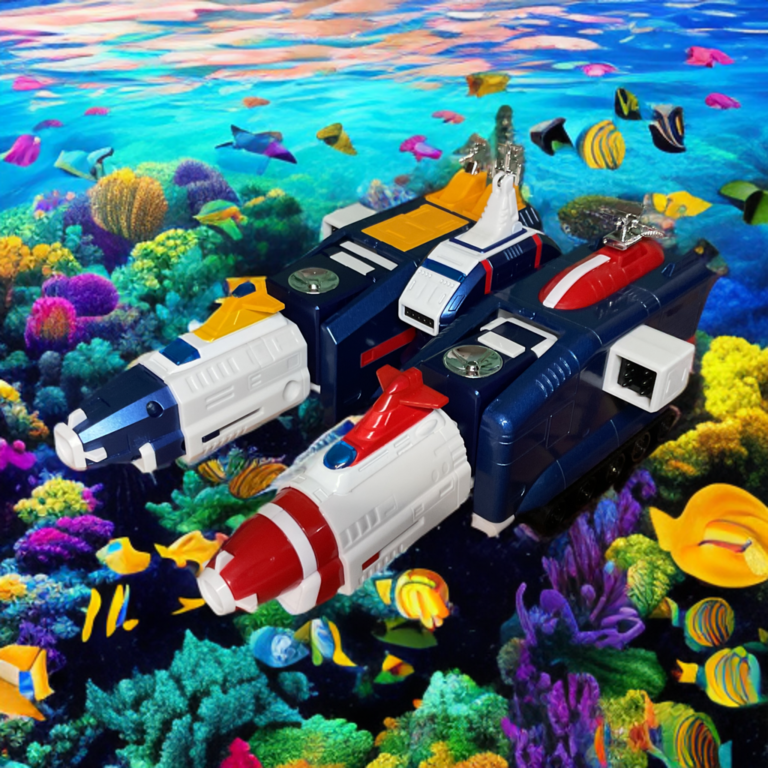
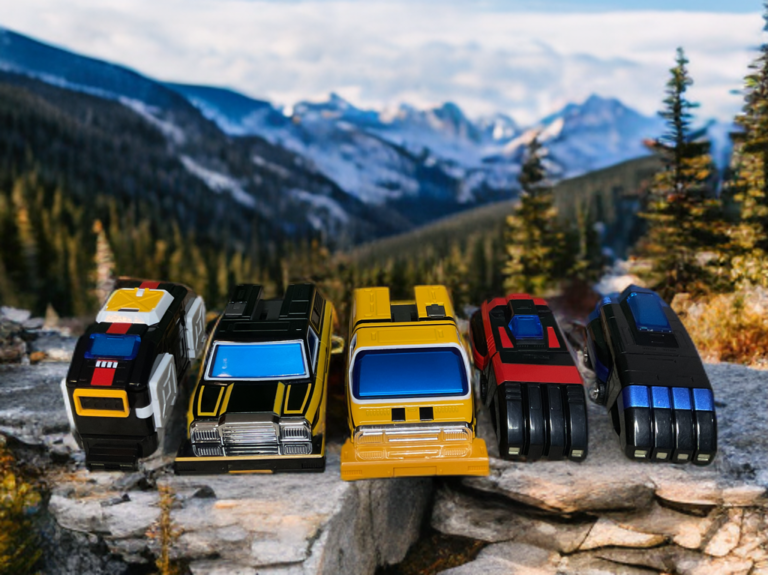
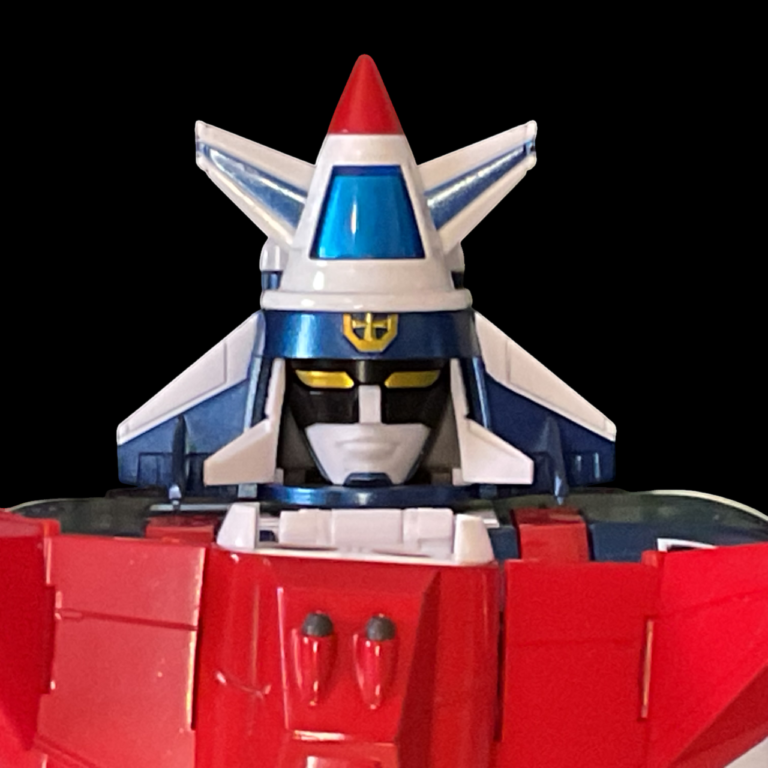
Starting with the Air Team, which forms the head and upper torso. Vehicle #1, the Command Jet Explorer, is a sleek red-and-blue jet with aerodynamic lines that scream speed. Its transformation parts are cleverly hidden, folding out to become Dairugger’s helmeted head complete with that iconic visor. Next up, #2: the Strato Weapons Module, a bulky blue module that looks like a flying fortress. It’s got treads on the bottom for that hybrid vehicle vibe, and in robot mode, it becomes the chest plate with all its techy details.
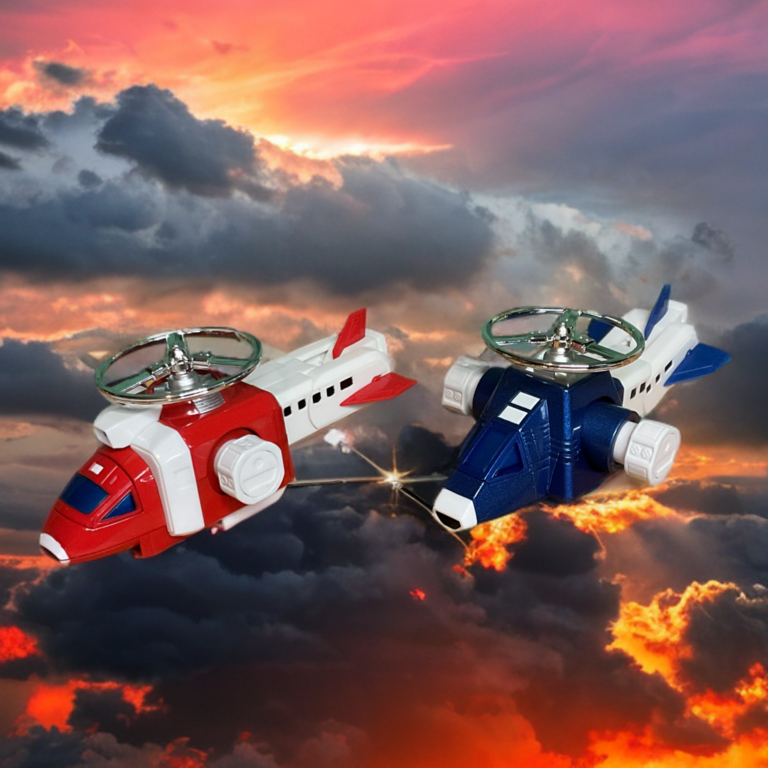
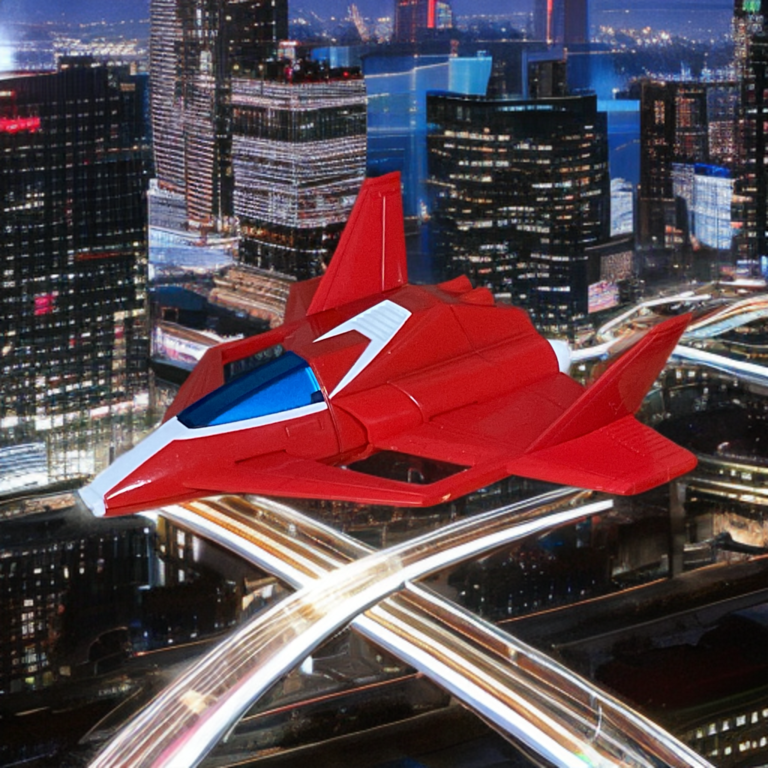
Then we have #3 and #4, the Air Recon Helicopters—twin red and white choppers with spinning rotors (yes, they actually spin for added play value). These guys are compact but detailed, with landing gear and sensor arrays that make them feel like real reconnaissance units. Rounding out the Air Team is #5, the Falcon VT Fighter, a sharp red jet with delta wings and a pointed nose. It’s the agile one of the bunch, transforming into the backpack thrusters that give Dairugger that jetpack flair.

Sea Team
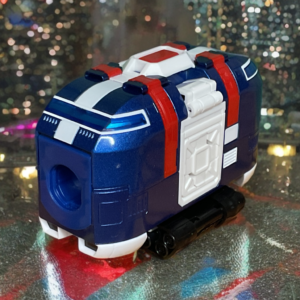
Moving to the Sea Team, which handles the arms. #6 is the Communications Module, a submarine-like blue vessel with antenna arrays and periscope details. It’s got a cylindrical shape that’s perfect for underwater ops, and in combined form, it becomes the right arm with elbow joints that click satisfyingly. #7 and #8 are the Space Probers—pair of blue-and-white exploratory subs with drill noses for burrowing through who-knows-what.
These are the workhorses, transforming into forearm sections with gripping mechanisms. #9, the Multi-Wheeled Explorer, is a yellow-and-blue rover with chunky wheels that actually roll. It’s versatile, looking like it could tackle any terrain, and forms part of the left arm. Finally, #10: another Multi-Wheeled Explorer, mirroring #9 for symmetry in the arms.
Land Team
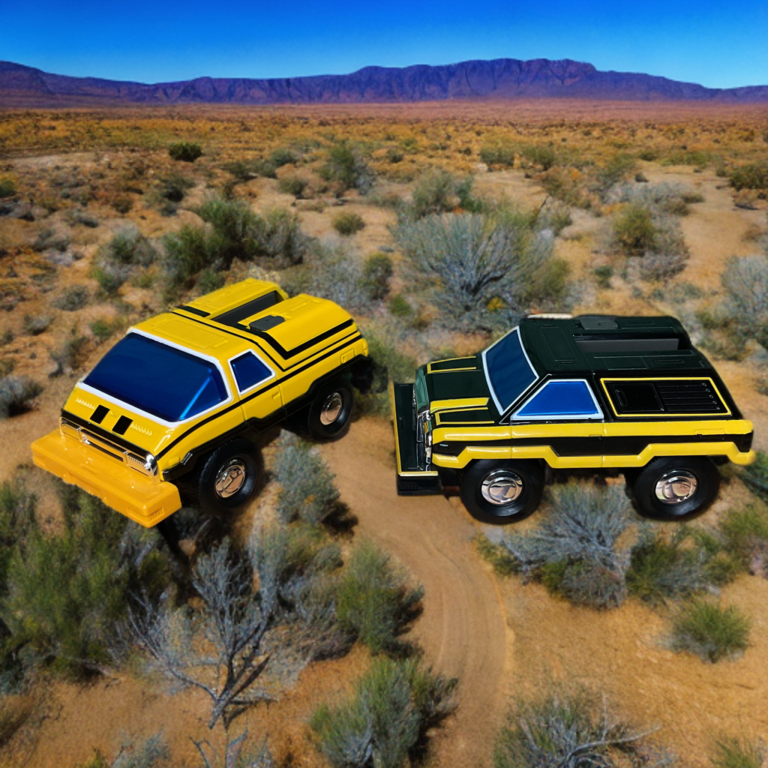
Last but not least, the Land Team for the lower body. #11 is the Jet Radar Station, a tracked vehicle in blue and yellow with radar dishes that fold out. It’s the brains of the operation down low, becoming the waist section. #12, the Rotating Personnel Carrier, is a unique spinner with a central hub and extending arms—perfect for troop transport in vehicle mode, and it forms the hips with rotational joints. #13, the Armored Equipment Carrier, is a heavy-duty hauler in blue with cargo bays and treads; it transforms into the thighs, providing stability. #14 and #15 are the All-Terrain Space Vehicles—yellow vans with off-road tires that roll smoothly. These become the feet, complete with ankle tilts for posing.
Each vehicle is a mini-masterpiece, with diecast in key areas for durability and plastic for lighter, more intricate parts. The paint is flawless, no bleeding or chipping out of the box. Playing with them separately feels like commanding a miniature fleet, and the attention to detail—like tiny thrusters and control panels—makes you appreciate the engineering. It’s not just about the robot; these vehicles stand on their own as collectibles.
Transformation Tango: Combining into Dairugger XV
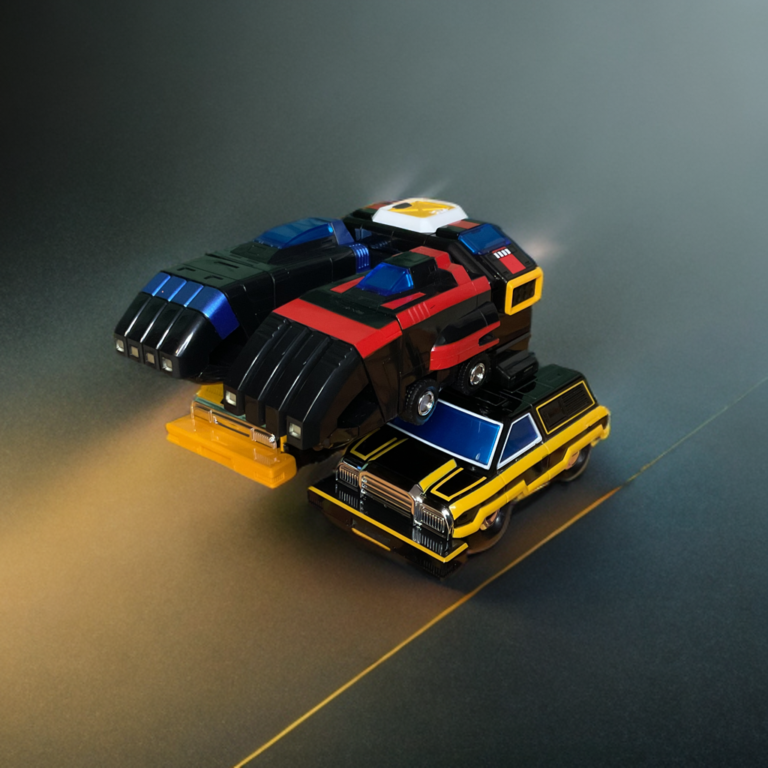
Ah, the heart of the matter: transformation. If you’ve ever fumbled with a Rubik’s Cube while blindfolded, this might feel familiar—at first. But once you get the hang of it, combining the 15 vehicles into Dairugger XV is pure satisfaction. The process is divided into stages, starting with the three team modes: Strato Fighter (Air Team), Turbo Terrain Fighter (Land Team), and Aqua Fighter (Sea Team). Each of these intermediate forms is a playable figure in its own right, like mini-robots before the big boss.
For the Air Team, snap the helicopters onto the weapons module, slot in the jet explorer for the core, and attach the fighter for wings. Boom—Strato Fighter, a flying powerhouse with articulated arms and posable rotors.
The Land Team combines into Turbo Terrain Fighter: radar station as body, personnel carrier as head, equipment carrier as legs, and space vehicles as feet. It’s got a rugged, tank-like vibe with rolling wheels even in combined mode. Sea Team becomes Aqua Fighter, with probers forming limbs and the communications module as torso—sleek and submarine-inspired, with joints that allow for dynamic underwater poses (in your imagination, at least).
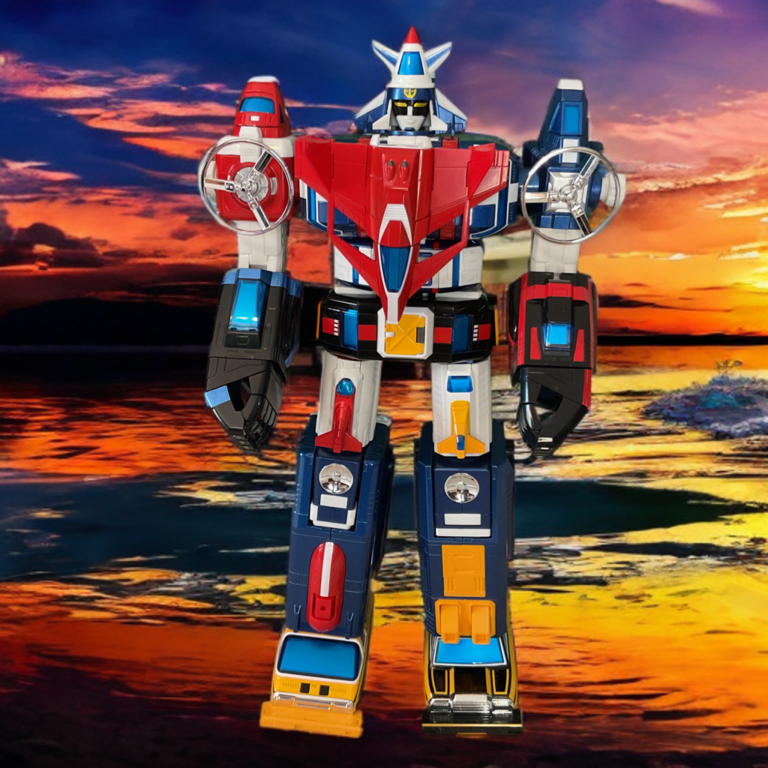
Now, the grand finale: merging all three into Dairugger XV. The Strato Fighter becomes the head and upper body, Aqua Fighter splits into arms, and Turbo Terrain Fighter forms the legs and waist. Tabs and slots click into place with that gratifying “snap” sound, thanks to strong magnets and precise engineering. No wobbling here; once combined, it’s rock-solid. The transformation isn’t overly complex—about 10-15 minutes the first time—but it’s intuitive after a few runs. Joints are ratcheted for stability, allowing you to pose Dairugger in action stances without toppling over.
One quirk: the feet, being van-based, look a bit like Dairugger’s wearing cosmic sneakers, but it adds character. The interchangeable hands swap easily via ball joints, letting you customize for display or play. Overall, the transformation is a highlight, blending nostalgia with modern smoothness. It’s forgiving for adults reliving childhood but sturdy enough for careful handling.
Build Quality and Materials: Diecast Dreams
Bandai’s Soul of Chogokin line is synonymous with quality, and the GX-88 lives up to the hype. The materials mix is spot-on: diecast metal in the core frame, joints, and key vehicle chassis for that authentic weight (about 2 pounds fully assembled), while ABS plastic handles the outer shells and finer details to keep things lightweight and durable. No cheap feels here; everything from the paint to the chrome accents screams premium.
Paint application is meticulous—metallic blues shimmer, reds are vibrant without being garish, and tiny decals like team insignias are tampo-printed for longevity. I’ve twisted and turned this figure dozens of times, and there’s zero paint chipping or joint loosening. The diecast adds realism, making poses feel grounded, but it’s balanced so the figure doesn’t tip forward despite the top-heavy design.
Durability-wise, it’s built to last. Joints are tight but not stiff, with ratchets in the shoulders, elbows, hips, and knees for clicky posing. Ankles tilt, waist swivels, and the head turns 360 degrees—plenty of articulation without sacrificing stability. If there’s a nitpick, it’s that some smaller vehicles have delicate parts like rotors that could bend if mishandled, but that’s par for the course with combiners. Overall, this is collector-grade stuff, ready for shelf life or gentle play.
Poseability and Display Options: Striking a Heroic Stance
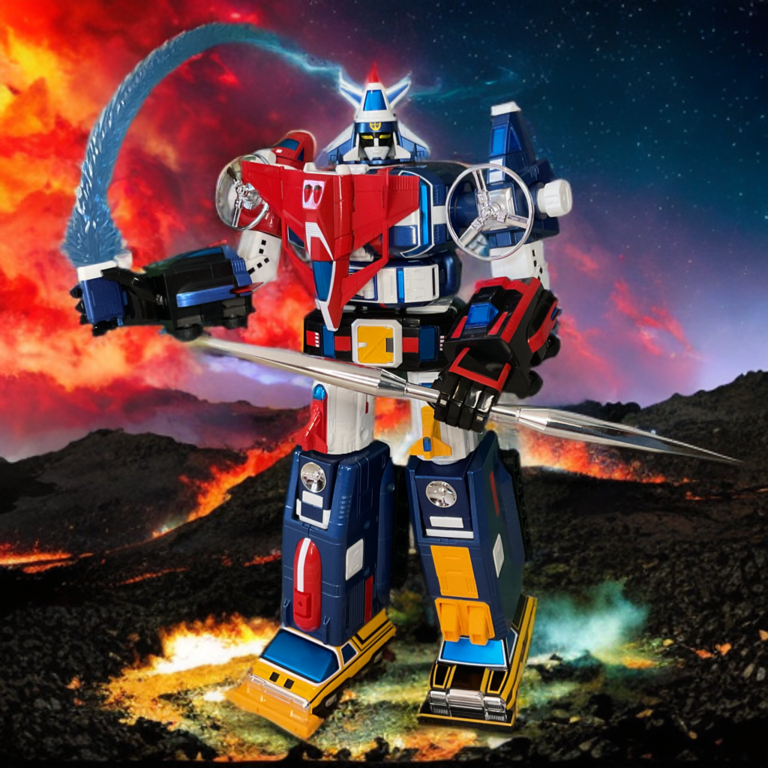
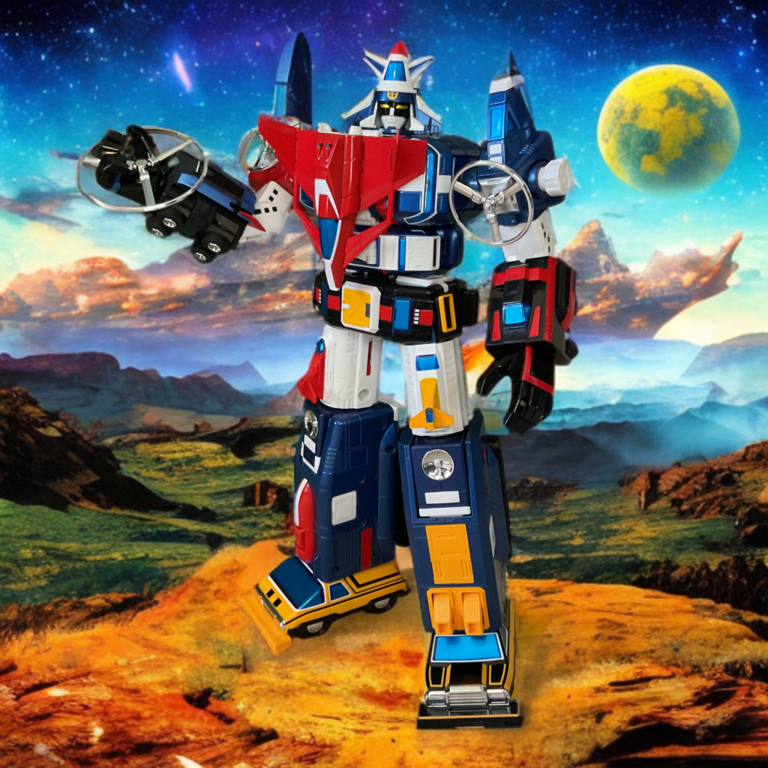
Once combined, Dairugger XV is a posing powerhouse. With over 20 points of articulation, you can recreate epic battles or serene guardian stances. Shoulders raise high for sword-wielding (imaginary, of course), elbows bend deep for punches, and knees allow for dynamic crouches. The interchangeable hands enhance this—fists for aggression, open palms for commanding presence.
For display, it’s a showstopper. At 29 cm tall, it commands attention on any shelf, especially next to its lion-based counterpart. The three-team modes offer variety: display the Strato Fighter soaring, Aqua Fighter diving, or all separated as a vehicle diorama. Lighting it up highlights the metallic sheen, making colors pop under LEDs. If you’re into photography, the figure’s details shine in close-ups—cockpits with implied pilots, mechanical vents, and textured surfaces.
Playability extends beyond posing; rolling wheels on land vehicles mean you can zoom them across desks, and the helicopters’ rotors spin for aerial fun. It’s versatile, appealing to both static collectors and those who like to fiddle.
The Legacy of Vehicle Force Voltron: Official Biography
To truly appreciate the GX-88, one must understand the story that birthed this mechanical marvel. Vehicle Force Voltron, as featured in the American adaptation of the series Voltron: Defender of the Universe, draws directly from the Japanese anime Armored Fleet Dairugger XV, produced by Toei Animation and aired from 1982 to 1983. The official narrative centers on a future where humanity has achieved peace and prosperity on Earth, part of the Galaxy Alliance (also known as the Terran League in some descriptions). In the year A.D. 2200, the Galaxy Garrison initiates a grand expedition to explore uncharted regions of the universe, seeking new habitable planets for colonization and mapping the stars to expand human knowledge.
The central protagonists are the members of the Rugger Team, a specialized unit of space explorers and pilots divided into three squads: Air, Sea, and Land. They operate from the starship Rugger Guard, a massive exploratory vessel leading a fleet of support ships. Each team member pilots one of 15 advanced vehicles, designed for specific terrains and functions—jets and helicopters for aerial reconnaissance, submarines and probes for aquatic and space exploration, and rovers and carriers for ground operations. These vehicles are not mere transports; they are engineered to combine into powerful intermediate forms and ultimately into the super robot Dairugger XV (Vehicle Voltron in the U.S. version), a colossal defender equipped to handle threats beyond ordinary capabilities.
The plot kicks off with the Rugger Team’s mission proceeding smoothly until they encounter the aggressive Galveston Empire (renamed the Drule Empire in the American edit). This empire, ruled by a despotic emperor, faces an existential crisis: their home planet is on the verge of destruction due to environmental collapse and overexploitation. Desperate for a new world, the Galveston forces launch xenophobic attacks on the Earth fleet, viewing the explorers as invaders encroaching on potential relocation sites. The emperor’s regime is militaristic and hierarchical, with commanders like the ambitious Ducas and strategic Luciano leading fleets of warships and robotic combatants.
As the series unfolds across 52 episodes, the Rugger Team repeatedly deploys Dairugger XV to repel these assaults, protecting the Rugger Guard and its civilian colonists. Key conflicts involve intense space battles, planetary surveys turned ambushes, and moral dilemmas as the team learns of Galveston’s plight. In one early episode, the team explores a promising planet only to face a surprise attack from Galveston scouts, forcing the first full combination of Dairugger. Later arcs delve into internal empire politics, with figures like the emperor’s advisor plotting coups and commanders defying orders for personal glory, such as Ducas’s ill-fated rear assault that leads to his demise.
In the American Voltron: Defender of the Universe, this storyline forms the “Vehicle Force” arc, airing as the second season after the more famous Lion Force episodes. Piloted by a diverse team including characters like Jeff, Ginger, and Chip, Vehicle Voltron defends the Galaxy Garrison’s fleet against the Drule Empire’s incursions in the “Near Universe.” The adaptation maintains the core plot but adjusts dialogue and edits for Western audiences, focusing on heroic defense and moral lessons. Official sources, including production notes from World Events Productions and Toei, confirm this as the established lore, with no deviations into unofficial expansions. The series’ legacy lies in its innovative 15-part combination, setting it apart from simpler mecha designs and inspiring generations of robot enthusiasts.
The narrative emphasizes themes of exploration versus conquest, with the Rugger Team’s leader, often portrayed as a composed strategist, advocating for diplomacy amid warfare. Pilots like the hot-headed air team members and the analytical sea team experts bring personality to the ensemble, their interactions highlighting teamwork’s importance. As the story progresses, the Earth forces uncover the true reason for Galveston’s aggression—their planet’s impending explosion—and a reluctant alliance forms.
Dairugger XV becomes instrumental in liberating oppressed factions within the empire and aiding in the search for a new homeworld, culminating in a resolution where peace is brokered, and the explorers continue their mission. This biography underscores why Dairugger XV endures: it’s not just a robot; it’s a symbol of unity in the face of cosmic challenges, drawn straight from the show’s documented episodes and synopses.

Comparisons to Other Soul of Chogokin Releases
How does the GX-88 stack up against its siblings? Compared to the GX-71 Beast King GoLion (Lion Voltron), it’s more complex with twice the vehicles, but that means more fun for combiners fans. The Lion version is sleeker, animal-themed, while Dairugger’s vehicle motif feels more grounded, like a space opera on wheels. Build quality is on par—both have that diecast shine—but Dairugger’s scale feels grander due to the fleet aspect.
Against other mecha like Mazinger Z or Getter Robo in the line, Dairugger stands out for its modularity. It’s not as articulated as some single-robot figures, but the transformation variety compensates. Price-wise, it’s competitive; you get 15 toys in one. If you’ve got the GX-23 Zambot 3, you’ll appreciate the similar combiner engineering, though Dairugger’s is smoother.
Pros and Cons: The Verdict Before the End
Pros: Exceptional detail, sturdy build, endless recombination fun, faithful to the source material. The weight and articulation make it a joy to handle.
Cons: Transformation learning curve might frustrate beginners, and the price tag could deter casual buyers. Smaller parts require care to avoid loss.
Overall, it’s a triumph for collectors seeking depth.
Conclusion
Wrapping up this epic exploration of the Soul of Chogokin GX-88 Dairugger XV, it’s clear this figure isn’t just a collectible—it’s a celebration of ingenuity, nostalgia, and robotic spectacle. From the meticulous vehicle designs to the seamless combinations, Bandai has crafted something that honors the Vehicle Force Voltron legacy while delivering modern playability. Whether displayed in full robot glory or scattered as a fleet, it captures the spirit of adventure that defined the series. If you’re ready to defend your shelf from boredom, this is the defender you need. Grab one, form your own team, and let the transformations begin— the universe awaits.
Recommended reading: From Golden Statue to God Bird: The Complete History of Brave Raideen
Soul of Chogokin (SOC) Collector’s Index: 2026
| GX # | Figure Name | Series | Approx. 2026 Value | Status / Release |
| GX-40 | God Mars | Six God Combination | $230–$280 | Available (Legacy) |
| GX-46R | Dygenguar & Aussenseiter | Super Robot Wars OG | $300–$440 | Available |
| GX-50SP | Combattler V (50th Ver.) | Combattler V | $200–$250 | Available |
| GX-61R | Daioja (Robot King) | Saikyou Robot Daioja | $410–$430 | July 2026 |
| GX-68 | Gaogaigar | King of Braves | $220–$250 | Available (Resale) |
| GX-69 | Goldymarg | King of Braves | $240–$280 | Available |
| GX-71 | Voltron (Lion Force) | Beast King GoLion | $325–$350 | High Demand |
| GX-75SP | Mazinkaiser (20th) | Mazinkaiser | $250–$300 | Available (Limited) |
| GX-88 | Dairugger XV (Vehicle Voltron) | Armored Fleet | $300–$450 | Available (OOP) |
| GX-96 | Getter Robot Go | Getter Robo | $200–$250 | Available |
| GX-105 | Mazinger Z (Kakumei Shinka) | Mazinger Z | $180–$220 | Available |
| GX-117 | Mazinger Z (Power Up) | Mazinger Z | $180–$200 | Recent Release |
| GX-118 | Voltes V (Legacy) | Voltes V | $500–$550 | Feb 2026 |
| GX-119 | Ryuko-O / Koryu-O | Super Robot Wars OG | $450–$470 | April 2026 |
| GX-120 | King Exkaiser | Brave Exkaiser | $420–$450 | July 2026 |
Price Fluctuation Warning: Secondary market prices can change rapidly due to collector demand, rarity, condition (mint vs. opened), reissues, anniversaries, and overall market trends. New releases often start near retail but may rise with scarcity; older figures can drop if restocked or fall if demand cools.
2026 “Big Hitter” Breakdown
The Heavyweight: Voltes V Legacy (GX-118)
This is currently the “it” figure for 2026. Because it represents a massive leap in engineering for the classic Voltes design, the aftermarket price is already pushing past the $500 mark. If you see one for under $480, it’s a steal.
The New Frontier: King Exkaiser (GX-120)
The debut of the Brave Series in the SOC line is a huge milestone. Pre-order slots are filling up fast for July. This figure is expected to hold its value extremely well because it opens up an entirely new sub-set for “Brave” completionists.
The Duel: Ryuko-O / Koryu-O (GX-119)
Coming later this year, this is for the Super Robot Wars hardcore fans. Its transformation gimmick is complex, which usually translates to a higher secondary market price once the initial run sells out.


 English
  Deutsch
  Français
  Português do Brasil
  日本語
日本語  Español
  English (Australia)