

The Ultimate DX Combattler V Guide: From Anime History to Elite Collectibles
Chōdenji Robo DX Combattler V, also known as Super Electromagnetic Robot Combattler V, stands as a foundational cornerstone of the mecha anime genre. Premiering on April 17, 1976, and running for 54 episodes until May 28, 1977, the series was produced by Toei Company with animation by Sunrise (then Soeisha) and directed by Tadao Nagahama. It served as the inaugural entry in Nagahama’s Robot Romance Trilogy—followed by Chōdenji Machine Voltes V and Tōshō Daimos—blending high-octane super robot action with character-driven drama and moral themes.
The series introduced several groundbreaking concepts that profoundly shaped future mecha productions. Most notably, it popularized the realistic five-part combining robot format, where five distinct vehicles piloted by a team of young heroes merge into a single giant robot in a sequence designed to be feasible for toy replication.
Combattler V: Operation Data-Log
While earlier shows like Getter Robo featured combining elements, Combattler V’s approach emphasized a clear, screen-accurate transformation process that became a template for subsequent series, including those influencing Voltron (GoLion) and the combining mecha in Super Sentai (later adapted as Power Rangers).
The robot’s name itself—a portmanteau of “combine,” “combat,” and “battle”—reflects this innovation, with the “V” signifying both victory and the five component machines and pilots.
Beyond its technical contributions, Combattler V helped elevate the super robot genre by incorporating deeper storytelling, including tragic antagonist backstories and team dynamics, moving away from purely formulaic monster-of-the-week battles. Created under the collective pseudonym Saburo Yatsude (a Toei staff credit also used for later works like GoLion), the show achieved notable international reach, appearing in the United States as “Combattra” in Mattel’s Shogun Warriors toy line and a Marvel Comics tie-in, while gaining strong popularity in the Philippines through multiple dubs.
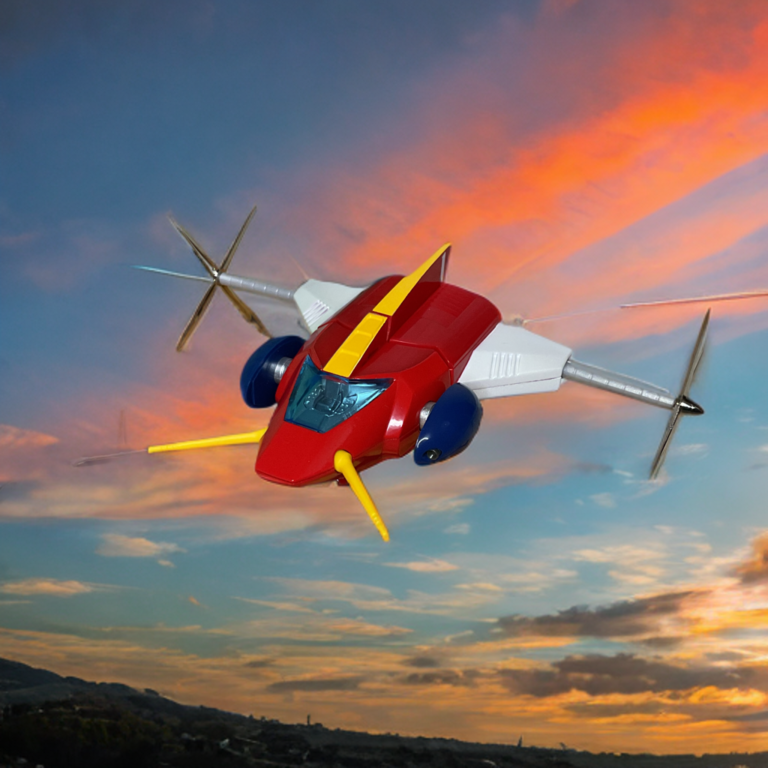
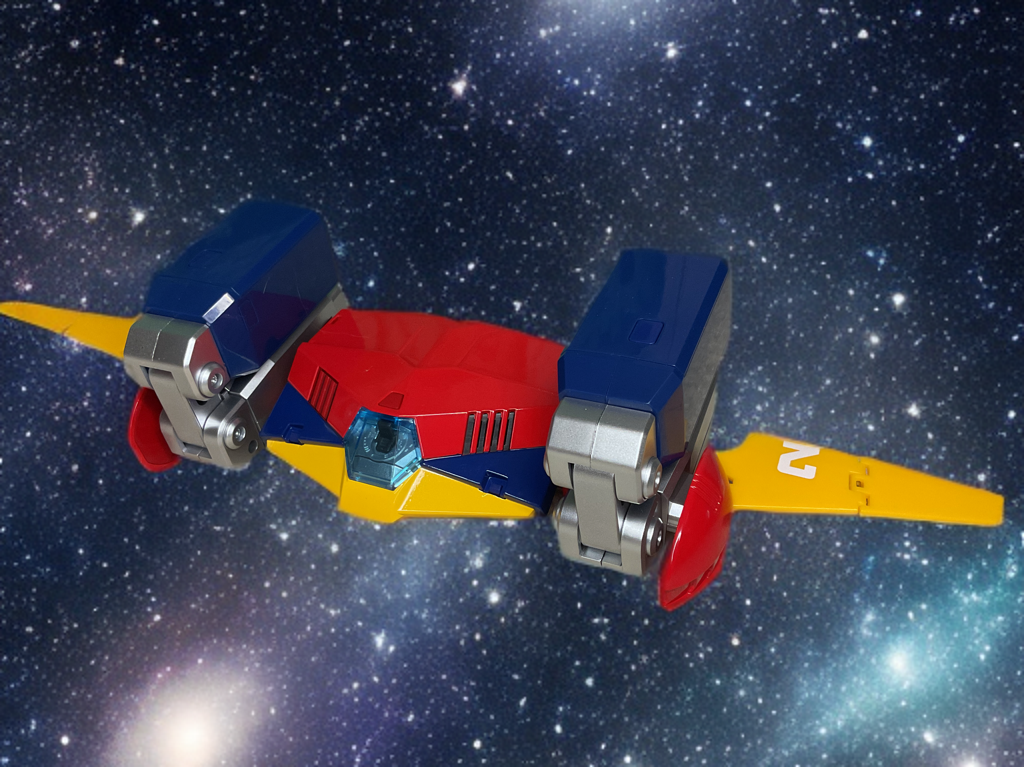
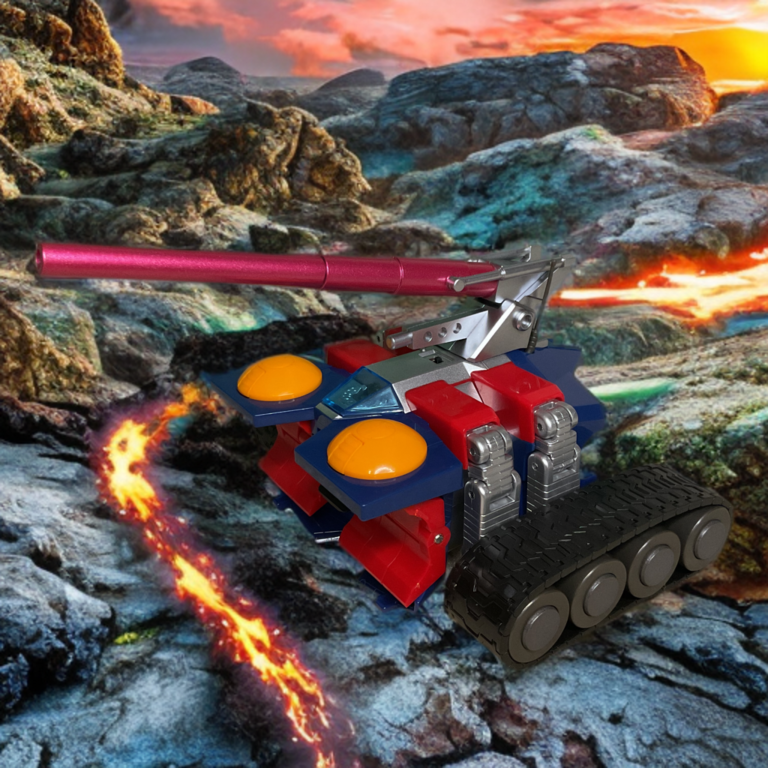
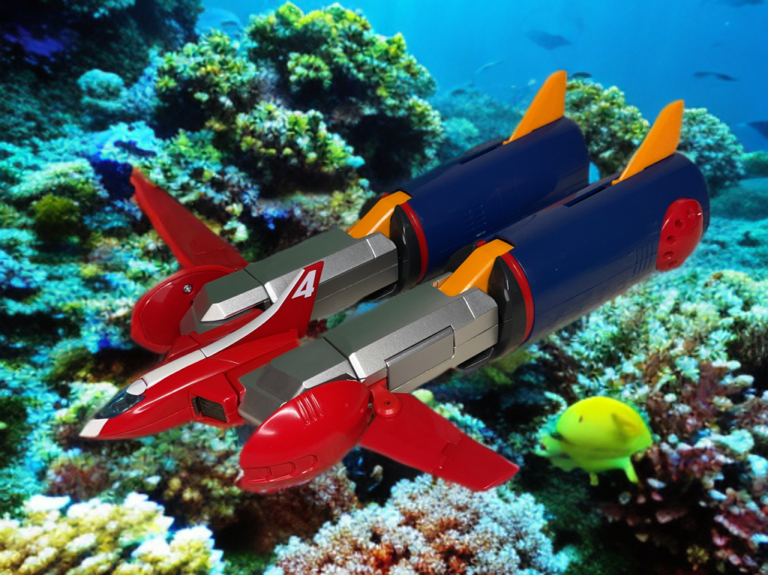
Bandai’s DX Combattler V (DX-03) captures this classic in stunning detail for modern collectors. Standing approximately 355mm (about 14 inches) tall and incorporating die-cast components for substantial heft, the deluxe figure breaks down into the five Battle Machines—Battle Jet, Battle Crusher, Battle Tank, Battle Marine, and Battle Craft—that combine with precision to mirror the anime’s iconic sequences. It offers transformation accuracy, an array of interchangeable hands and signature weapons, plus electronic features including sound and light effects triggered via the included Ropet support robot figure and interactive display base. These elements honor the original series by allowing collectors to recreate key combination calls, attack animations, and audio clips from the voice actors, bridging 1970s nostalgia with contemporary high-end engineering.
A Landmark in Mecha Anime: The History of Chōdenji Robo Combattler V
Premiere and Production
Produced by Toei Company and animated by Soeisha (later renamed Nippon Sunrise), Chōdenji Robo Combattler V (Super Electromagnetic Robot Combattler V) aired from April 17, 1976, to May 28, 1977, across 54 episodes on the NET network (later TV Asahi). Directed by Tadao Nagahama, the series was created under the collective pseudonym Saburo Yatsude, a standard credit for Toei staff on multiple projects. It marked the first entry in Nagahama’s Robot Romance Trilogy, later followed by Chōdenji Machine Voltes V (1977–1978) and Tōshō Daimos (1978–1979). These three shows combined high-stakes super robot battles with character-driven drama, emotional relationships, and moral themes, helping to evolve the super robot genre beyond simple monster-of-the-week formulas.
Plot and Premise
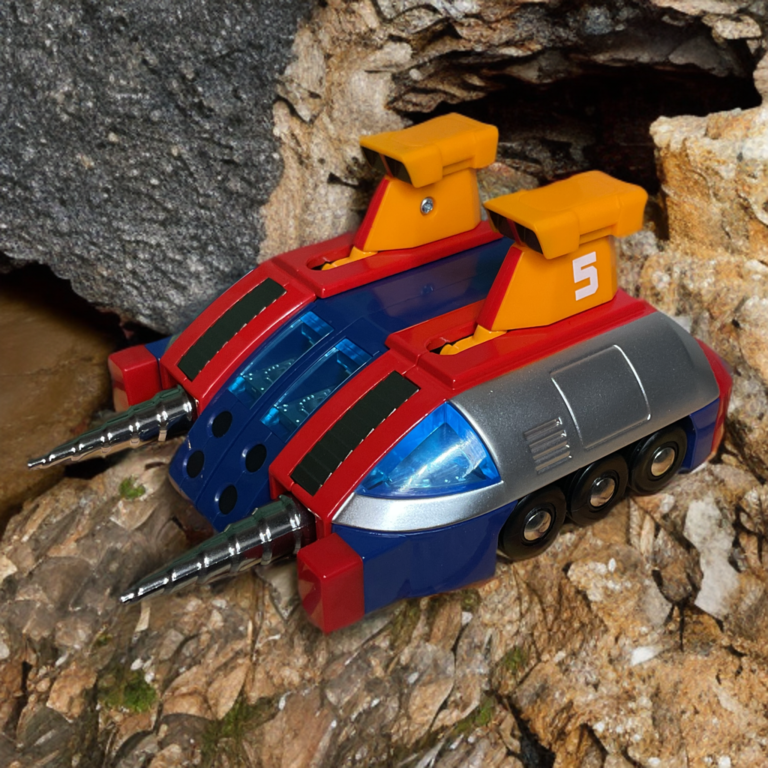
Thousands of years ago, the people of the distant planet Campbell decided to leave their homeworld and seek out new planets to inhabit. One expeditionary group, led by the scientist Oreana, reached Earth but became dormant or sealed for millennia. In the early 21st century, this group reawakens and launches an invasion to conquer the planet, viewing it as their rightful new home after humanity had developed civilization in their absence.
The invaders deploy giant bio-mechanical weapons known as Slave Beasts (Dorei-ju) in the first story arc, later escalating to more advanced Magma Beasts (Maguma-ju) under different leadership. These creatures combine organic elements with mechanical enhancements, making them formidable opponents. The only effective defense is the super-electromagnetic robot Combattler V, developed through the Nanbara Connection research institute.
Professor Nanbara, the robot’s creator, initially has only one ready pilot—his granddaughter Chizuru Nanbara. With United Nations authority, he recruits four additional skilled young people from diverse backgrounds to form the Battle Team. Together, the five pilots must master the mental and physical coordination required to operate their individual vehicles and combine them into Combattler V to repel the Campbellian threats.
The series follows a monster-of-the-week structure across two main story arcs. The first arc centers on Oreana and her protégé Garuda commanding the Slave Beasts. The second arc introduces a larger Campbellian force led by Empress Janera and her generals, shifting the conflict in scale and introducing new enemy tactics.
| Feature | Slave Beasts (Dorei-ju) | Magma Beasts (Maguma-ju) |
| Series Arc | First Story Arc (Episodes 1–25) | Second Story Arc (Episodes 26–54) |
| Primary Commander | Great Oreana & Prince Garuda | Empress Janera & Her Generals |
| Composition | Bio-mechanical (Organic base with armor) | Advanced Mechanical (Heavy lava-themed armor) |
| Design Philosophy | Monstrous, creature-like silhouettes | Rigid, industrial, and high-tech weaponry |
| Combat Style | Primal, often using physical strength/poison | Heavily armed with missiles and energy cannons |
| Tactical Shift | Focus on raw destruction and invasion | Escalation to larger-scale warfare and intrigue |
The transition from Slave Beasts to Magma Beasts wasn’t just a plot point; it was a shift in the “Robot Romance” drama. The tragedy of Prince Garuda’s arc in the first half gives way to the more cold, calculating military pressure of Empress Janera in the second.
The Battle Team and Iconic Elements
The Battle Team consists of:
- Hyoma Aoi: street racer and leader, piloting the Battle Jet (forms the head).
- Juzo Naniwa: Olympic-level marksman, piloting the Battle Crusher (forms the chest and arms).
- Daisaku Nishikawa: powerhouse judoka/sumo wrestler, piloting the Battle Tank (forms the torso).
- Chizuru Nanbara: support and granddaughter of Professor Nanbara, piloting the Battle Marine (forms the legs).
- Kosuke Kita: young genius strategist, piloting the Battle Craft (forms the feet).
Each pilot brings unique skills and personalities, and much of the drama arises from their need to synchronize as a team. Combattler V’s signature attacks rely on super-electromagnetic energy, most famously the Chōdenji Tatsumaki (Super Electromagnetic Tornado) to paralyze enemies, followed by the Chōdenji Spin, transforming the robot into a massive lightning-charged drill for the finishing blow.
The Battle Team: Pilot & Machine Mapping
| Machine | Pilot | Component | Key Skills/Role |
| Battle Jet | Hyoma Aoi | Head | Leader & Ace Pilot |
| Battle Crusher | Juzo Naniwa | Chest & Arms | Marksman (Olympic Level) |
| Battle Tank | Daisaku Nishikawa | Torso | Strength (Judo/Sumo Expert) |
| Battle Marine | Chizuru Nanbara | Legs | Support & Logistics |
| Battle Craft | Kosuke Kita | Feet | Strategy (Genius Intellect) |
Iconic Weapons and Signature Moves
Combattler V draws its power from advanced super-electromagnetic (Chōdenji) technology, giving it a versatile arsenal that combines energy-based attacks with physical weaponry. The robot’s design allows pilots to switch between multiple offensive options mid-battle, making it a formidable “walking armory” against the Campbell Empire’s bio-mechanical threats.
Its most famous finishing sequence begins with the Chōdenji Tatsumaki (Super Electromagnetic Tornado / Hurricane). This attack generates a powerful electrical storm or energy vortex that paralyzes and immobilizes the enemy, holding it in place while disrupting its systems. Once the foe is vulnerable, the team calls out the Chōdenji Spin (Super Electromagnetic Spin). Combattler V rapidly spins its body, transforming into a massive lightning-charged drill that charges forward and pierces straight through the opponent, delivering a decisive, high-energy strike. This combination of paralysis followed by a drilling ram became one of the most iconic finishing moves in classic super robot anime and is frequently recreated in video games and merchandise.
Beyond the signature finisher, Combattler V deploys a wide range of weapons throughout the series:
- Super Electromagnetic Yo-Yos: A pair of spinning buzzsaw-like discs launched from the arms, capable of slicing through targets at range while returning to the robot.
- V-Laser (or Magnet Laser): Energy beams or specialized laser attacks fired from the head or chest area.
- Big Blast: Powerful cannon fire, often associated with the torso or tank components.
- Twin Lancer: Blades deployed from the shoulders that combine into a double-edged lance for close combat.
- Atomic Burner: Flamethrower attack emitted from the hands.
- Battle Chainsaw / Atomic Chainsaw: Spiked tank treads or circular saws launched to cut into enemies.
- Rock Fighter: Missile barrages fired from the fingers.
- Grandasher: A ramming attack where Combattler V forms an energy trail and charges forward like a high-speed vehicle.
- Additional options include heat/freezing rays, grappling chains (such as Battle Guleggar), and ankle-mounted cutter kicks.
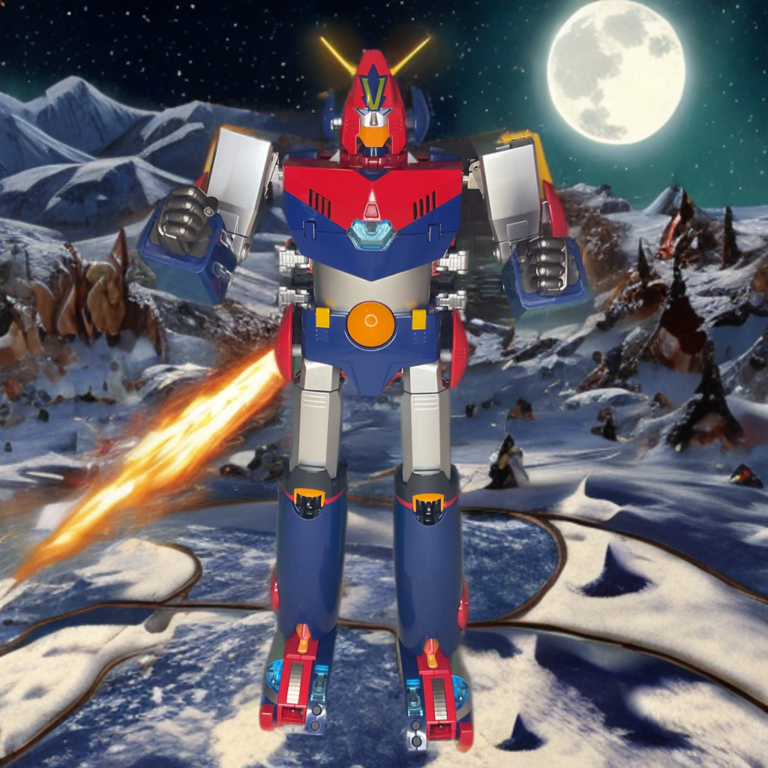
These weapons reflect the modular nature of the five Battle Machines, with different components contributing specific armaments when combined. The variety allowed the series to maintain visual interest across its 54 episodes while emphasizing teamwork and synchronization among the pilots.
Historical Significance and International Reach
Chōdenji Robo Combattler V pioneered the practical five-part combiner format in mecha anime. While earlier series like Getter Robo featured combining elements, Combattler V refined the concept into a clear, step-by-step transformation sequence involving five distinct vehicles that form a cohesive humanoid robot. This approach was intentionally toyetic, making the combination process visually dynamic on screen and feasible for physical toys. It established a template that influenced numerous later productions, including the combining lions in GoLion (best known internationally as the “Lion Force” half of Voltron) and the multi-vehicle or multi-member combining mechanics seen in various Super Sentai series (adapted in the West as Power Rangers).
The series achieved notable international exposure in the late 1970s. In the United States, it was released under the name “Combattra” as part of Mattel’s popular Shogun Warriors toy line. The toys included both individual vehicle releases and deluxe combination sets. A companion Marvel Comics series titled Shogun Warriors (1979–1980) featured Combattra alongside other robots like Raydeen and Dangard Ace, introducing the character to American comic readers through original stories involving giant robot battles against alien threats.
The show gained particularly strong popularity in the Philippines, where it was dubbed into English, Filipino (Tagalog), and Cebuano. These localized versions helped it become a nostalgic favorite for many viewers in the region, contributing to the broader cultural impact of classic Japanese super robot anime in Southeast Asia.
Decades after its original broadcast, Combattler V maintains a presence in modern media through the long-running Super Robot Wars video game franchise. It has appeared in numerous entries since the early 1990s, often alongside its Robot Romance Trilogy successors Voltes V and Daimos. In these tactical RPGs, Combattler V is known for its large assortment of attacks, team-up combination moves (such as the Super Electromagnetic Spin V-Slash with Voltes V), and faithful recreations of its signature moves and combination sequence. This ongoing inclusion keeps the series accessible to new generations of fans.
The Marvel Narrative: The War Against the Primal One
In the Marvel continuity, the story of Combattra is a cosmic epic that diverges sharply from the Campbellian invasion of the anime. Here, the struggle is between the Followers of the Light and the Followers of the Darkness, led by the ancient entity known as the Primal One.
The Maur-Kon Arc: From Sorcery to Sci-Fi
The primary antagonist for much of the series was Maur-Kon, a sorcerer-scientist who utilized the “Dark Design” to create massive, elemental monsters.
The “Giant-Sized” Threats: Unlike the anime’s Magma Beasts, Maur-Kon’s creations were often mystical or elemental. A standout moment for Combattra was the battle against the Megamonster, a creature so powerful it forced the three Shogun Warriors (Combattra, Raydeen, and Dangard Ace) to coordinate their attacks in a way that mirrored the “team synchronization” themes of the original Japanese series.
Global Stakes: The arc took the team from their secret base in the Solomon Islands to global hotspots, establishing the Shoguns as Earth’s premier heavy hitters long before the Avengers took on similar cosmic threats in later decades.
| Robot (Marvel Name) | Marvel Pilot | Origin | Key Role in Comic |
| Combattra | Genji Odashu | Japan | A skilled test pilot and the “heart” of the trio. |
| Raydeen | Richard Carson | USA | An American stunt driver. |
| Dangard Ace | Ilongo Savage | Madagascar | An oceanographer and scientist. |
The Tragic Finale and Marvel Continuity
The series took a dark, definitive turn in its final issues (primarily #19 and #20). In a shocking move for a licensed “toy” comic, the Shogun Warriors’ creators—the Followers of the Light—were systematically assassinated by the alien Primal One.
The Dismantling: Without their mentors and the advanced technology required to maintain the robots, the Shogun Warriors were eventually rendered inoperable.
The Fantastic Four Connection: The finality of this arc was cemented in Fantastic Four #226. Due to shifting licensing agreements between Marvel and Mattel, the robots had to be removed from the Marvel Universe. The story explained that the Shogun Warriors were “dismantled for parts” by a group of scientists, a heartbreaking end for fans who had followed the “Combattra” adventures. This remains one of the most somber “final chapters” for any version of the character.
Historian’s Note: Note that in the Marvel version, the 5-part vehicle system was often simplified in the writing to focus on three main pilots (Genji, Richard, and Ilongo) who collectively controlled the five segments, a departure from the “One Pilot per Machine” rule of the anime.
The “Combattra” Legacy: A Marketing Masterstroke
The decision to rename the robot Combattra for the US market was more than just a linguistic tweak; it was a rebranding designed to evoke a sense of power and “Americana” during the late 70s.
The Mattel Influence: Mattel’s marketing team felt “Combattler V” sounded too technical. “Combattra” sounded more like a singular, mythological entity, aligning it with other 70s icons like Godzilla or Mothra.
The Collector’s “Mandela Effect”: Because the Marvel comic was the primary source of lore for US children, an entire generation grew up believing the robot’s name was Combattra. This has created a unique divide in the modern collector market: vintage Shogun Warriors enthusiasts search for “Combattra,” while modern Soul of Chogokin collectors search for “Combattler V.”
The “V” Mystery: Interestingly, the Marvel comic mostly dropped the “V” suffix, though it occasionally appeared in promotional materials. This further separated the US “Combattra” from its “Super Electromagnetic” roots in Japan.
The Bandai DX Combattler V Action Figure
Overview
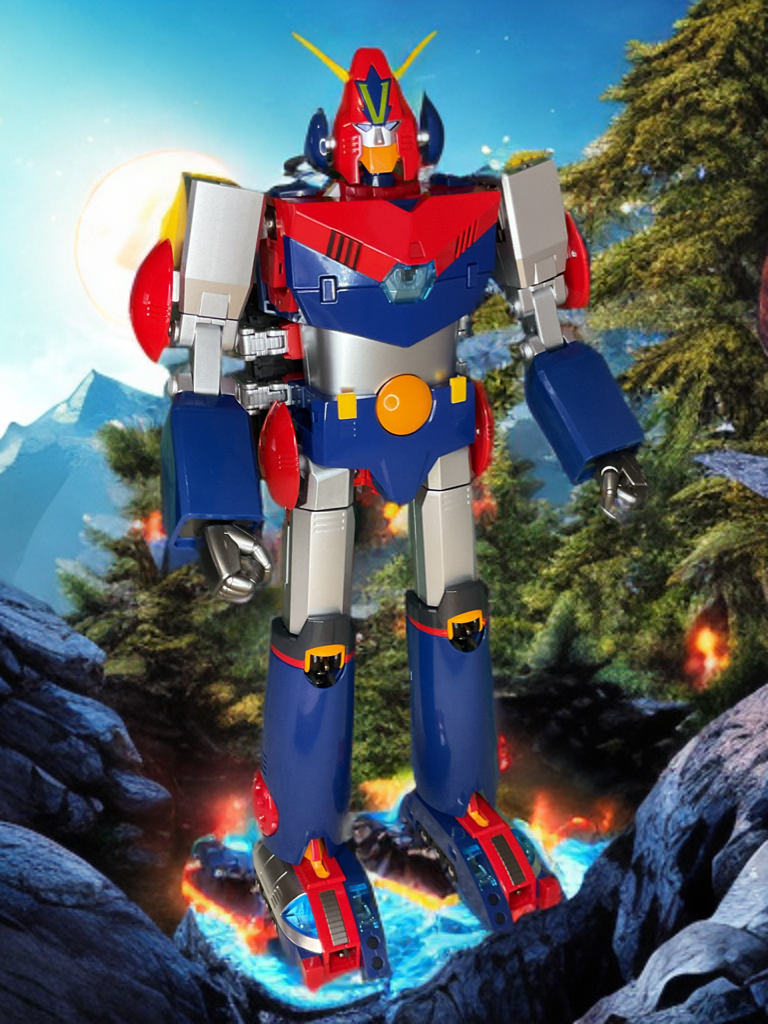
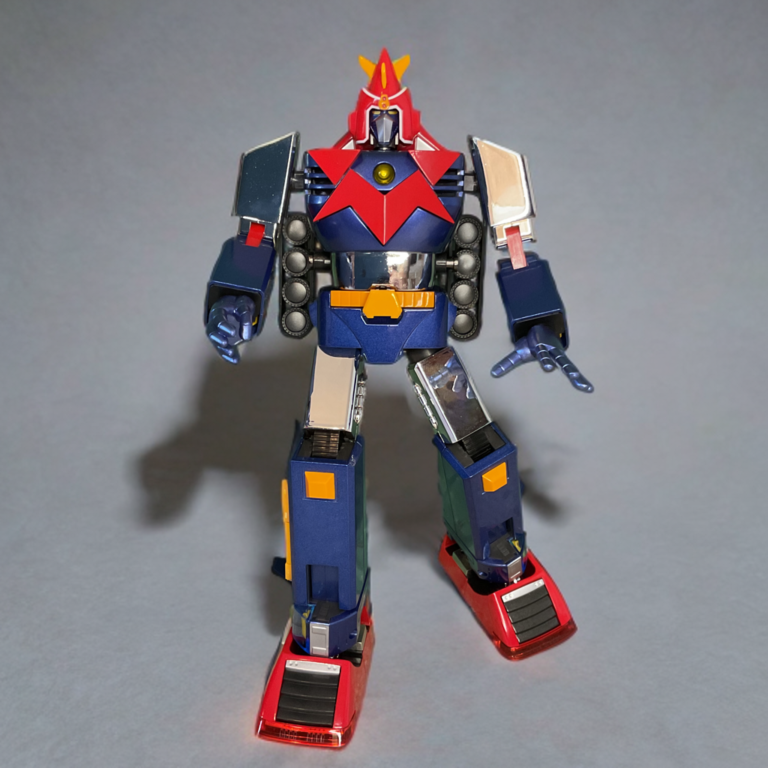
The Bandai DX Combattler V (DX-03) stands as one of the most comprehensive collector sets ever released for the character. At approximately 355mm (about 14 inches) tall, this deluxe release goes well beyond standard Bandai offerings by incorporating substantial die-cast metal components for added weight and premium feel, along with sound-linked electronics and a large interactive display base. It represents a significant step up in the line, designed to faithfully recreate the super-electromagnetic hero at an impressive scale while delivering both display value and interactive play features.
Core Components and Transformation
The set contains the five main Battle Machines that combine into the robot:
- Battle Jet (head)
- Battle Crusher (chest and arms)
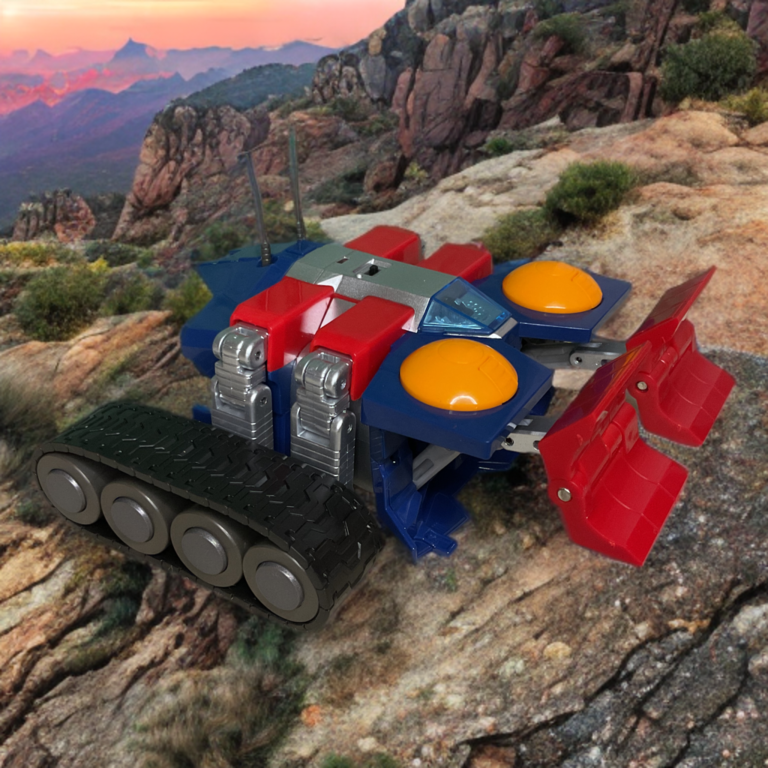
- Battle Tank (torso)
- Battle Marine (legs)
- Battle Craft (feet)
These components feature detailed sculpting, including visible cockpit interiors with control panels, and transform with a high degree of precision to replicate the anime’s iconic combination sequence. The engineering emphasizes a solid, screen-accurate assembly process that captures the dramatic “Let’s Combine!” moment from the series. Die-cast parts are distributed across the vehicles, contributing to an overall hefty and substantial presence that collectors frequently praise for its quality and presence.
(DX-03) Technical Specs
| Feature | Specification |
| Model Number | DX-03 |
| Height | 355mm (Approx. 14 inches) |
| Weight | 1,635g (Approx. 3.6 lbs) |
| Material | Die-cast Metal, ABS, PVC |
| Batteries (Machines) | 12 x LR41 Button Cells |
| Batteries (Base) | 2 x AA Alkaline |
| Special Feature | Ropet-triggered “Let’s Combine!” Voice Sequence |
Primary Accessories and Weapons
Multiple swap-out parts allow recreation of on-screen attacks. The figure includes:
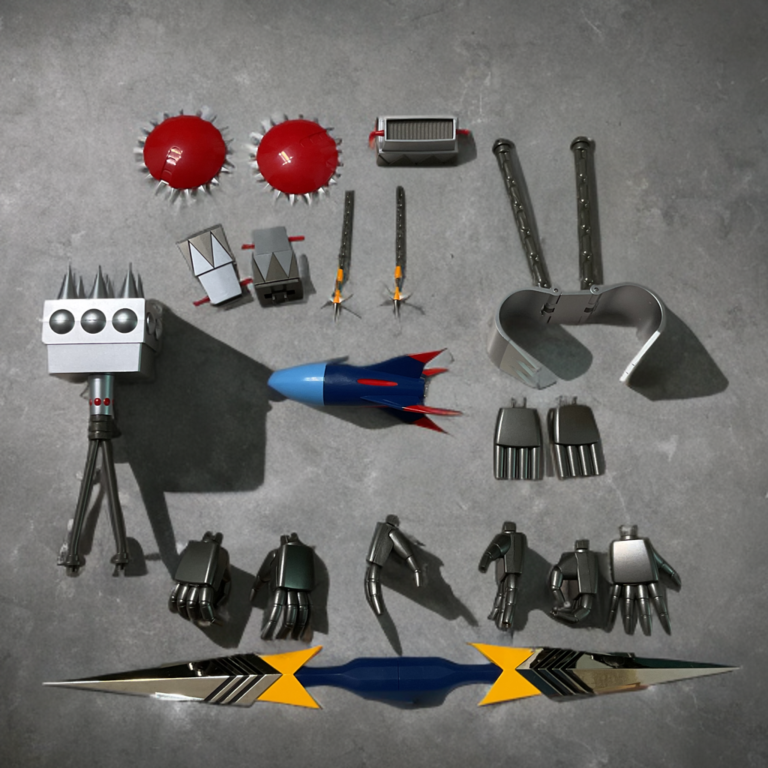
- Interchangeable hands: 4 sets (8 pieces total), covering closed fists, weapon-holding grips, and expressive open palms.
- Super Electromagnetic Yo-Yos: a pair of buzzsaw discs with specialized spinning blades.
- Magnet Laser: a specialized attachment for the head unit (Battle Jet).
- Dos Pressure Cutters: blades that attach to the sides of the Battle Jet.
- 380mm Tank Cannons: heavy armament for the Battle Tank component.
- Anchor Knuckles: arm-mounted grappling hooks.
Combattler V: Tactical Weapons & Arsenal Guide
| Category | Weapon Name | Deployment Description |
| Signature Finisher | Chōdenji Tatsumaki $\rightarrow$ Spin | The iconic 1-2 punch: An electromagnetic tornado paralyzes the foe, followed by a high-speed drilling ram. |
| Ranged / Projectile | Super Electromagnetic Yo-Yos | Dual spinning buzzsaw discs launched from the arms; the most recognizable ranged weapon in the series. |
| Ranged / Projectile | Rock Fighter | Rapid-fire missile barrages launched directly from the robot’s fingertips. |
| Ranged / Projectile | V-Laser / Big Blast | High-output energy beams from the head and heavy cannon fire from the torso/tank components. |
| Melee / Close Quarters | Twin Lancer | Shoulder-mounted blades that combine into a double-edged lance for piercing strikes. |
| Melee / Close Quarters | Battle Chainsaw | Retractable circular saws or spiked treads used for close-range shredding of Slave Beasts. |
| Melee / Close Quarters | Atomic Burner | Dual flamethrowers emitted from the hands for high-intensity thermal damage. |
| Utility & Control | Anchor Knuckles | Arm-mounted grappling hooks used for tethering enemies or environmental traversal. |
| Utility & Control | Battle Guleggar | Specialized electromagnetic chains used to bind and restrain mobile opponents. |
| Utility & Control | Magnet Laser | A specialized head-unit attachment used for tactical magnetic manipulation. |
These accessories allow fans to stage a wide variety of signature attacks directly from the anime, enhancing both static display and imaginative posing sessions.
Deluxe Features
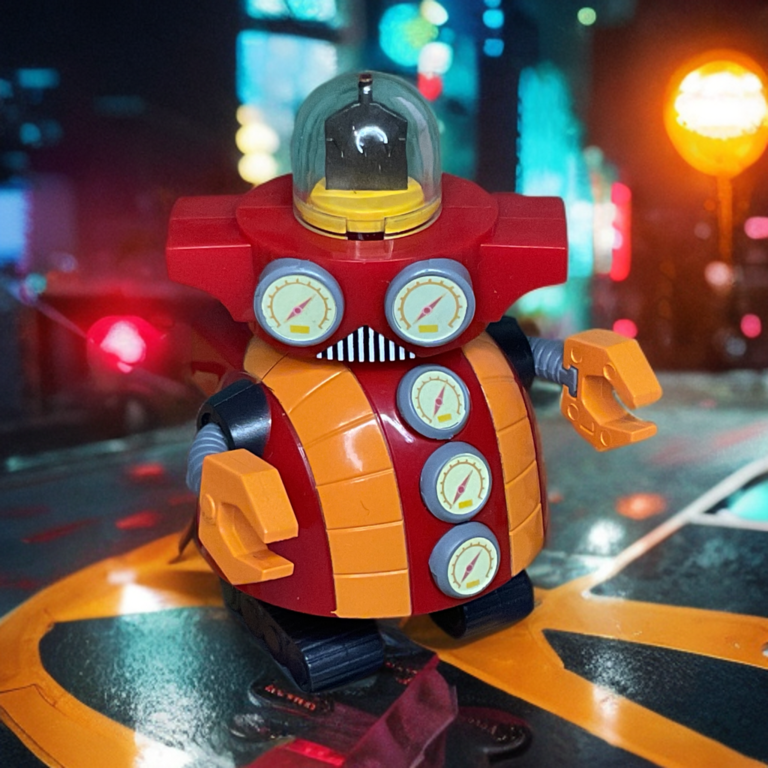
The exclusive DX elements significantly elevate the overall experience. A small figure of Ropet (the team’s support robot, also referred to as Loopette) fits into a dedicated slot on the display base, triggering the iconic “Let’s Combine!” sound sequence complete with voice clips.
The custom interactive pedestal serves dual purposes as a robust display stand: it securely holds the fully assembled Combattler V or displays all five individual Battle Machines using the included support columns. Beyond structural support, the base delivers sound and light effects, playing music tracks such as the opening theme and various dialogue clips featuring the original Japanese voice actors. These electronic features add an immersive layer that bridges the toy with the classic anime.
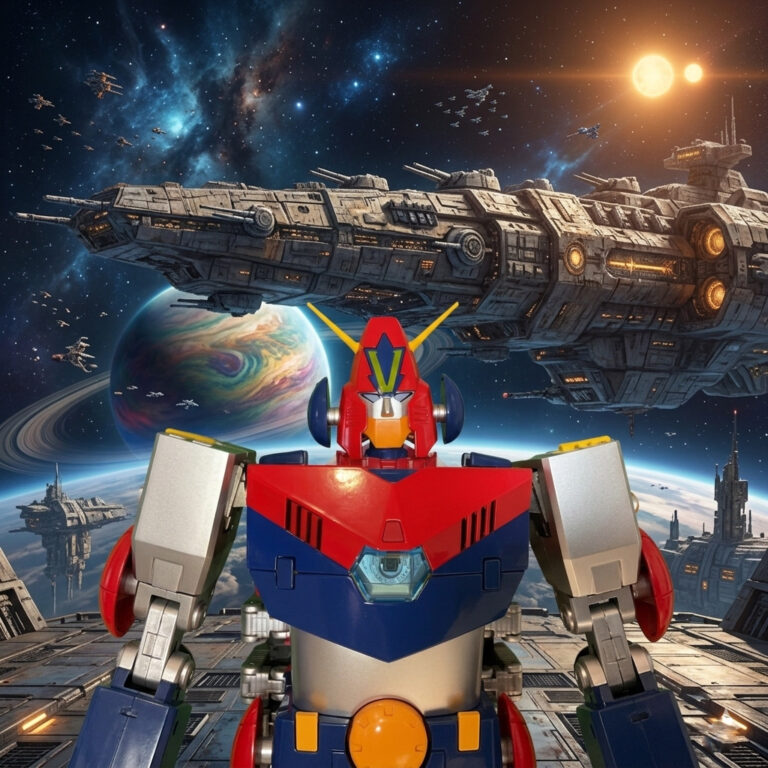
Power requirements are straightforward: the individual machines use 12 LR41 button batteries (some sources note variations like LR40 in certain descriptions, but LR41 is standard), while the display base requires 2 AA batteries.
Review Assessment
This DX Bandai Combattler V excels in engineering and overall fidelity to the source material, making it a high point in the line for fans of the 1976 series. The five-part combination system is solid and reliable, closely mirroring the on-screen sequences with satisfying clicks and a sense of mechanical authenticity. The substantial use of die-cast metal gives the figure impressive weight and a premium tactile quality that many collectors describe as “mind-boggling” for its size and presence.
The included weapons and interchangeable hands provide excellent versatility for recreating key anime poses and attacks, allowing for dynamic displays that capture the robot’s versatile arsenal. The electronic features—particularly the Ropet-triggered “Let’s Combine!” sequence and the pedestal’s ability to play opening themes and original dialogue—add genuine nostalgia and immersion, enhancing both shelf display and hands-on interaction. Light effects further bring the super-electromagnetic theme to life.
At this large scale with such comprehensive deluxe touches, the figure ranks among the most complete and faithful realizations of Combattler V available in the collector market. While some note minor limitations in lower-body articulation once fully combined (a common trait in large combiner designs of this era), the overall build quality, detail, and feature set more than compensate, delivering a standout piece that feels like a definitive modern tribute. It is particularly well-suited for fans of the Bandai line and classic super robot anime, offering both visual spectacle and interactive enjoyment that honors the pioneering status of the original series. Many collectors consider it one of the most satisfying large-scale Bandai releases for its balance of size, heft, accuracy, and electronic gimmicks.
Chōdenji Robo Combattler V vs. Chōdenji Machine Voltes V: Pioneers of the Robot Romance Trilogy
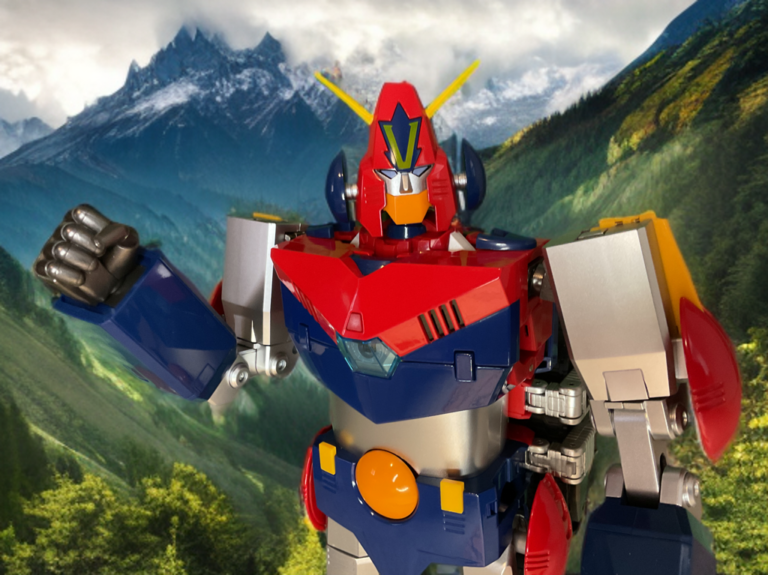
Chōdenji Robo Combattler V (1976) and its direct spiritual successor Chōdenji Machine Voltes V (1977) stand as the first two entries in director Tadao Nagahama’s influential Robot Romance Trilogy, completed by Tōshō Daimos. Both series feature five young pilots combining distinct vehicles into a super-electromagnetic giant robot to defend Earth from alien invaders. Bandai’s DX figures for each capture these classics at impressive scale with electronic features. While sharing core DNA, the two shows and their deluxe collectibles offer distinct experiences in storytelling, design, and presentation.
Shared Foundations: The Robot Romance Trilogy
Both series were produced by Toei Company with animation by Sunrise and emphasize dramatic character moments alongside super robot action. They popularized the five-part combining mecha format with color-coded pilots, influencing later titles including those that inspired Voltron (GoLion) and Super Sentai. The robots draw power from super-electromagnetic (Chōdenji) energy, and both appear frequently together in the Super Robot Wars video game series, even featuring combined attacks.
Series Comparison: Premise and Tone
Combattler V pits the Battle Team against the Campbell Empire, an alien force using bio-mechanical threats. The tone mixes adventurous monster-of-the-week battles with team camaraderie. Voltes V, often regarded as darker and edgier, follows the Voltes Team defending Earth from the Boazanian Empire. It incorporates deeper political intrigue, a caste-system civil war on the enemy homeworld, and more intense dramatic stakes, with stronger character development and higher emotional weight.
Episode Count and Pacing
Combattler V ran for 54 episodes (April 17, 1976 – May 28, 1977). Voltes V aired for 40 episodes starting in 1977, replacing Combattler V in its timeslot. Many viewers note Voltes V benefits from tighter pacing and more focused storytelling, building on lessons from its predecessor.
The Robots and Pilots
Both use a five-vehicle combiner system forming a humanoid robot with a prominent “V” motif (pronounced as the letter “V” in Combattler, as “five” in Voltes).
- Combattler V: Piloted by Hyoma Aoi (Battle Jet/head), Juzo Naniwa (Battle Crusher/chest & arms), Daisaku Nishikawa (Battle Tank/torso), Chizuru Nanbara (Battle Marine/legs), and Kosuke Kita (Battle Craft/feet).
- Voltes V: Features its own five-pilot team with distinct vehicles (Bolt machines) that combine similarly.
Combattler V pioneered the format with toy-friendly engineering in mind, while Voltes V refines proportions and overall robot aesthetics.
Signature Moves and Arsenal
Combattler V paralyzes enemies with the Chōdenji Tatsumaki (Super Electromagnetic Tornado) before finishing with the Chōdenji Spin—a lightning-charged drill assault. Its weapons include Super Electromagnetic Yo-Yos, Magnet Laser, Dos Pressure Cutters, Tank Cannons, and Anchor Knuckles. Voltes V uses the Super Electromagnetic Ball for paralysis, followed by the Heaven Sword and V Slash. Its arsenal features the Sky Sword, Voltes Bazooka, Ultra Electromagnetic Tops, Gatling missiles, and Chain Knuckles. Both share thematic super-electromagnetic attacks, but Voltes V’s sword-based finishers give it a distinct flair.
International Reach
Combattler V reached the US as “Combattra” via Mattel’s Shogun Warriors and Marvel Comics. It was especially popular in the Philippines with multiple dubs. Voltes V achieved even greater cultural impact in the Philippines (and parts of Asia), where it became a beloved staple with lasting nostalgia, though it faced temporary bans in some regions during its original run.
Figures Comparison
Scale and Build
Both DX releases are large deluxe figures in the Bandai line.
- DX Combattler V (DX-03): Approximately 355mm (14 inches) tall, weighing around 1635g. It includes the five Battle Machines that combine accurately.
- DX Voltes V: Roughly 360mm (about 14.5 inches) tall, slightly lighter at around 1462g in some reports. It features the five Bolt Machines for combination.
Both emphasize die-cast parts for premium heft and feature interactive display bases with sound and light effects.
Another really cool super robot to check out: God Mars
Head-to-Head: Combattler V vs. Voltes V
| Category | Combattler V (1976) | Voltes V (1977) |
| Total Episodes | 54 | 40 |
| Primary Theme | Team Unity & Friendship | Family, Caste Systems & Rebellion |
| Finishing Move | Chōdenji Spin (Drill) | Tenku-ken V-Slash (Sword) |
| Antagonist Style | Bio-mechanical Slave Beasts | Alien Empire (Boazanians) |
| DX SOC Height | 355mm | 360mm |
| Philippine Impact | Highly Popular | Cultural Phenomenon |
Accessories and Electronics
The Combattler V DX set provides: interchangeable hands (4 sets/8 pieces), Super Electromagnetic Yo-Yos, Magnet Laser, Dos Pressure Cutters, 380mm Tank Cannons, Anchor Knuckles, and the small Ropet support robot figure that triggers “Let’s Combine!” sounds on the base. The pedestal plays opening themes and original dialogue. Power needs: 12 LR41 for machines, 2 AA for base.
The Voltes V DX includes more extensive weapon options such as the Sky Sword, Voltes Bazooka, Ultra Electromagnetic Tops, Gatling missiles, Chain Knuckles, and cockpit capsules with pilot figures. It also offers docking sound effects and dialogue. Collectors often note the Voltes V DX feels like an evolution, with improved weapon variety and visual impact compared to the Combattler V version.
Display and Play Features
Both bases support fully combined or separated vehicle modes with support columns. The Combattler V DX stands out for its Ropet-triggered sequence, while the Voltes V DX is praised for richer accessory loadout and overall refinement in engineering. Some collectors view the Voltes V release as addressing perceived gaps in the earlier Combattler V set, particularly in weapons and presentation.
Review Assessment
Combattler V’s DX figure excels at delivering the pioneering combiner with solid transformation and nostalgic electronics. Voltes V’s DX builds on that foundation with sleeker design, more dynamic weapons, and a sense of refinement. Both are comprehensive collector pieces that honor their source material, though Voltes V’s set is frequently cited for greater accessory depth and display presence. Together they form an excellent paired display of the trilogy’s early entries.
Establishing the Template
Combattler V established the template for five-part combining super robots and emotional team drama, while Voltes V refined the formula with heightened stakes, stronger narrative focus, and polished robot design—making it a worthy spiritual successor. Their Bandai DX figures mirror this progression: the Combattler V DX faithfully recreates the original pioneer, and the Voltes V DX elevates the experience with enhanced details. For fans of classic mecha, owning both celebrates the enduring legacy of the Robot Romance Trilogy and the super-electromagnetic heroes that shaped the genre.
Legacy and Enduring Impact
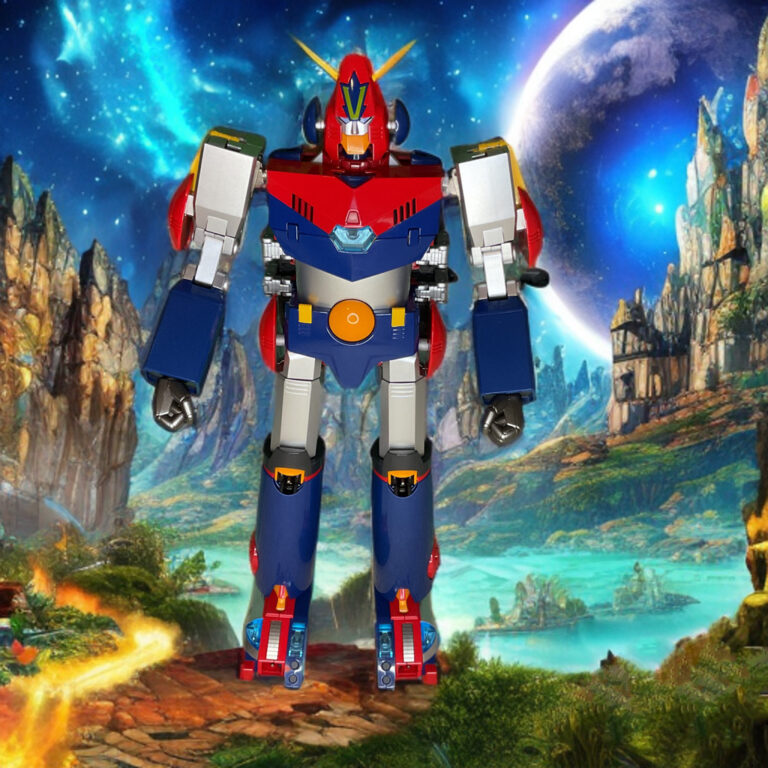
Chōdenji Robo DX Combattler V pioneered several enduring elements of the mecha genre that continue to resonate more than four decades later. As the first entry in Tadao Nagahama’s Robot Romance Trilogy, it helped shift super robot anime away from purely episodic monster battles toward greater emphasis on team dynamics, character relationships, and emotional storytelling. Its introduction of a practical, screen-accurate five-part combining robot system—with distinct vehicles that merge in a clear, step-by-step sequence—set a lasting template. This format influenced later productions, including the combining mechanics in GoLion (internationally known as the Lion Force Voltron) and various Super Sentai series (adapted in the West as Power Rangers). The show’s intentional toyetic design also addressed earlier limitations seen in combining robots like Getter Robo, making the transformation process more feasible and satisfying for both animation and merchandise.
The series’ blend of high-stakes action, diverse pilot personalities, and occasional tragic depth in antagonist backstories added layers to the genre, paving the way for more serialized and character-focused narratives in subsequent mecha works. Its legacy lives on through frequent appearances in the long-running Super Robot Wars video game franchise, where Combattler V has featured since early entries such as The 3rd Super Robot Wars. In these tactical RPGs, it is celebrated for its extensive move set, faithful recreation of signature attacks like the Chōdenji Spin, and team-up combination moves with Voltes V. This ongoing inclusion keeps the classic accessible to new audiences while honoring its foundational role.
Bandai’s DX Combattler V (03) serves as a faithful modern tribute to this pioneering series. Through its large 355mm scale, substantial die-cast construction, precise five-vehicle combination engineering, comprehensive weapon selection, and interactive electronic features—including the Ropet-triggered “Let’s Combine!” sequence and pedestal with original voice clips and theme music—the figure allows collectors to experience the super-electromagnetic hero in detailed, functional form. It captures the spirit of the 1976 anime with impressive fidelity, bridging nostalgia for longtime fans and introducing the character’s charm to a new generation of enthusiasts.
Together, the original series and its deluxe collectible underscore the timeless power of classic super robots. From its groundbreaking contributions to mecha design and storytelling to its continued presence in games, toys, and collector culture, Chōdenji Robo Combattler V remains a cornerstone that helped define an era and continues to inspire appreciation for the golden age of super robot anime.
Recommended reading: GX-90 Combattler V version review.



 English
  Deutsch
  Français
  Português do Brasil
  日本語
日本語  Español
  English (Australia)