

Frank Frazetta's Influence on Toy Art: From Canvas Barbarians to Plastic Epics
Part 3 of 4 in a 4 part limited series. (1, 2, 3, 4)
Frank Frazetta didn’t just paint fantasy—he weaponized it. With oil-slicked canvases of rippling muscle, blood-red skies, and loincloth-clad savages swinging swords the size of small cars, Frazetta defined the sword-and-sorcery genre in the 1960s and ’70s. His Conan the Barbarian paintings weren’t illustrations; they were visceral gut-punches of raw power, where heroes looked like they bench-pressed mountains and villains crawled from nightmare pits. Little did he know, those paintings would become the blueprint for an entire era of toy box art, turning kids’ bedrooms into battlefields of imagination—and setting up the ultimate expectation-vs.-reality gag we roasted in that earlier piece.
The connection starts at the source. Mattel’s 1982 Masters of the Universe line didn’t emerge from a vacuum. When designer Mark Taylor was tasked with creating He-Man, there was an explicit corporate directive: draw inspiration from Frazetta’s 1976 Conan the Conqueror cover (and the broader Conan aesthetic). Taylor, alongside Roger Sweet and others, soaked up Frazetta’s influence—alongside Hal Foster’s Prince Valiant and EC Horror Comics—for a hero who was part barbarian, part demigod. He-Man wasn’t just strong; he was Frazetta-fied: golden locks flowing, abs like armored plating, and a pose that screamed “I just conquered a volcano.” The toy itself? Well, we know how that turned out (hello, limited knee mobility and the infamous fuzzy shorts). But the art surrounding it? Pure Frazetta worship.
The Box Art Revolution: Oil Paint Meets Styrene
Frazetta’s style—dramatic chiaroscuro lighting, hyper-muscular physiques, dynamic compositions exploding with motion—became the gold standard for 1980s toy packaging. Forget flat cartoons; these were paintings. Epic, moody, and cinematic. Rudy Obrero was Mattel’s go-to early on precisely because he could nail that “smoky, moody style of Frank Frazetta.” His early Castle Grayskull art feels like a direct descendant: grim fortresses under blood moons, heroes clashing in silhouette.
Then came William George, the undisputed king of MOTU box art from 1984 forward. George’s canvases didn’t just sell toys—they sold worlds. Take his Battle Armor He-Man and Road Ripper piece: He-Man rockets across a volcanic wasteland, muscles gleaming, while tiny beasts flee in terror. It’s Frazetta’s barbarian energy translated to a neon-green vehicle. Or his Battle Cat scenes, where the tiger leaps with Frazetta-level ferocity, jaws wide, claws extended. George’s backgrounds swirl with storm clouds and fire, echoin
Earl Norem took it even further into the Frazetta realm. A pulp veteran whose men’s adventure magazine covers already pulsed with near-naked, sweat-drenched heroes, Norem was “pretty consistent” with Frazetta’s influence—so much so that fans and historians openly called his MOTU work “almost classical, Frank Frazetta like paintings.” His magazine covers and posters (those glorious two-page spreads) depicted He-Man charging across battlefields with capes billowing and swords flashing. No stiff poses here—the art moved. Norem’s Skeletor loomed like a skull-faced demon from a Frazetta hellscape, and his Horde invasions felt like Conan hordes gone cosmic. He painted four iconic He-Man depictions that stayed true to the character’s face and harness, all while channeling that raw, larger-than-life Frazetta testosterone.
Look at Norem’s massive Masters of the Universe poster (often called the “Lake of Mystery” or full diorama piece). Heroes and villains clash across fractured landscapes, with Castle Grayskull and Snake Mountain framing a Frazetta-worthy apocalypse. It’s not toy art—it’s high fantasy illustration that just happens to move product.
Conan Gets the Plastic Treatment (and Frazetta Gets the Last Laugh)
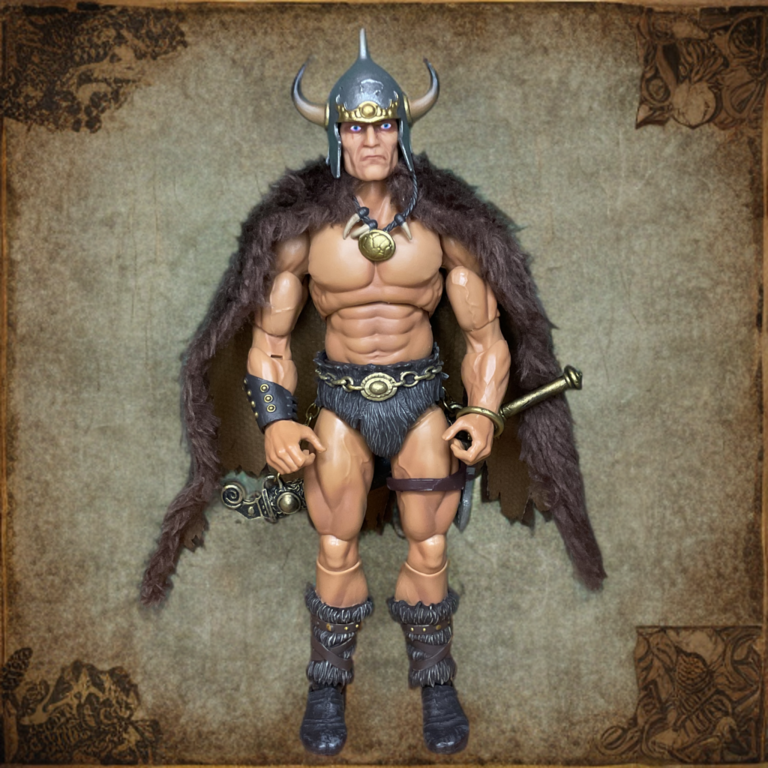
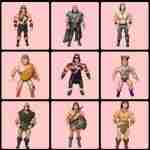
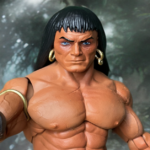
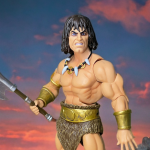
The Remco Conan the Barbarian line (1984) was even more blatant. Directly tied to the Arnold Schwarzenegger film—and through that, Frazetta’s paintings—Remco’s packaging featured warriors in war paint under torchlit ruins. The first two figures were literally based on Frazetta’s Conan the Barbarian and Conan the Conqueror paintings. Muscles? Exaggerated. Poses? Heroic mid-swing. The “diaper” shorts were fuzzier than ever, but the box art whispered Frazetta’s name with every brushstroke. Even modern revivals, like the Frazetta Girls/Icon Collectibles 5.5″ retro figures, lean hard into this: chunky, 1980s-style Conan dolls packaged with original Frazetta artwork on the cardback. It’s full circle—Frazetta inspiring toys that now homage the toys he inspired.
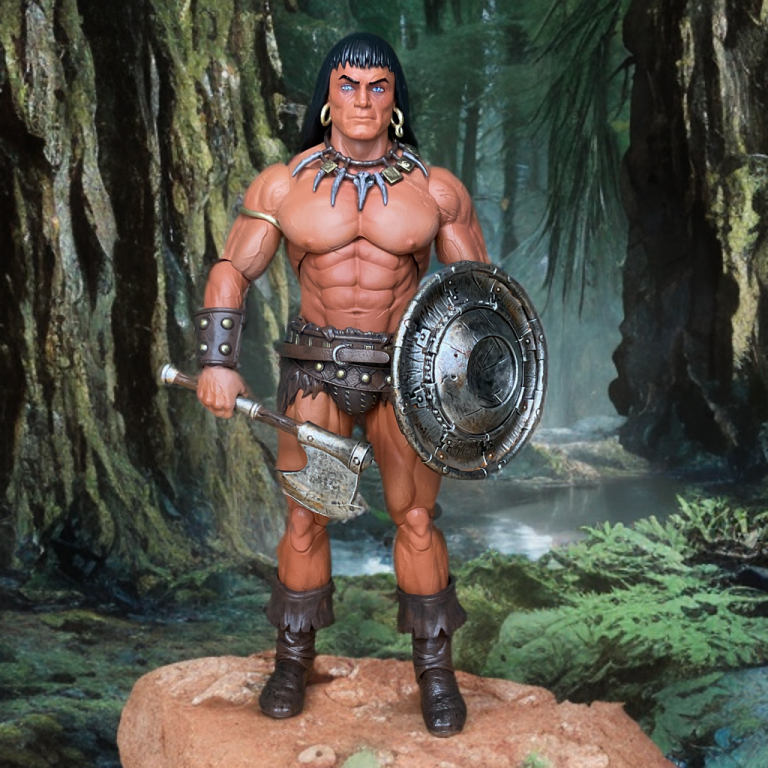
Frazetta’s fingerprints are everywhere else too. Thundercats, Blackstar, and other fantasy lines borrowed the muscular hero archetype and dramatic box compositions. Even non-MOTU Mattel work (like early Dragon Walker or Thunder Punch He-Man variants) nodded to it. The influence wasn’t subtle—it was the vibe. Frazetta made barbarian fantasy mainstream, and toy companies turned it into a marketing juggernaut.
| The Frazetta Promise (Box Art) | The Plastic Reality (The Toy) |
| Dynamic Anatomy: Rippling, hyper-muscular tension captured in oil. | Static Sculpt: 5.5-inch rigid stance with limited joint range. |
| Cinematic Lighting: Blood-red skies and deep, moody shadows. | Flat Injection Mold: Solid plastic colors with minimal paint wash. |
| Epic Motion: Mid-leap ferocity or war-charge momentum. | The “Diaper” Factor: Fuzzy shorts and stiff, non-articulated legs. |
Why It Worked (and Why the Toys… Didn’t Always)
Frazetta’s genius was accessibility through exaggeration. His art wasn’t realistic—it was mythic. Kids didn’t need anatomy lessons; they needed power fantasies. Box artists like George and Norem delivered exactly that: paintings so alive they made the chunky 5.5-inch figures feel like they could actually leap off the shelf. The deception (as we hilariously detailed before) was in the translation—plastic couldn’t capture the oil-painted glory. But that gap fueled play. Your imagination filled in the Frazetta details the toy lacked.
Today, the legacy endures. Super7’s Ultimates line finally gives figures the articulation to match the old box art. Masterverse Conan variants explicitly call out Frazetta inspiration. Collectors hunt pristine George/Norem originals not for the toys inside, but the Frazetta-flavored art. Frazetta’s daughters (Frazetta Girls) keep the flame alive with new figures that blend his paintings with retro toy aesthetics.
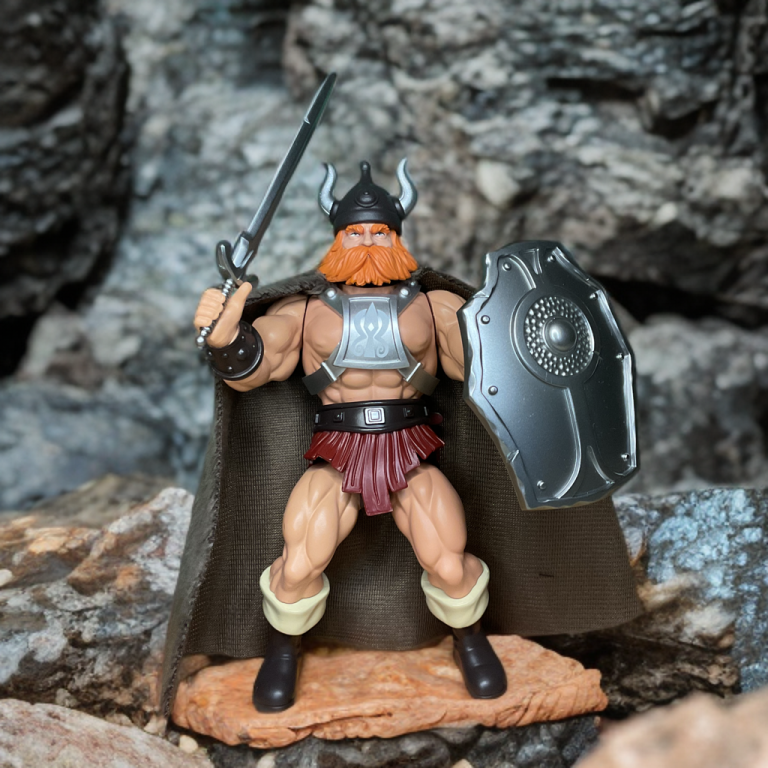
In the end, Frazetta didn’t just influence toy art—he invented the visual language for an entire generation of plastic warriors. He turned sword-and-sorcery into something you could hold in your hand (sort of). The box art promised Frazetta. The toy delivered a diaper. But without Frank’s brush, we’d never have had the fantasy to begin with. And for that, every ’80s kid owes the man a silent, muscle-flexing salute.
 English
  Deutsch
  Français
  Português do Brasil
  日本語
日本語  Español
  English (Australia)